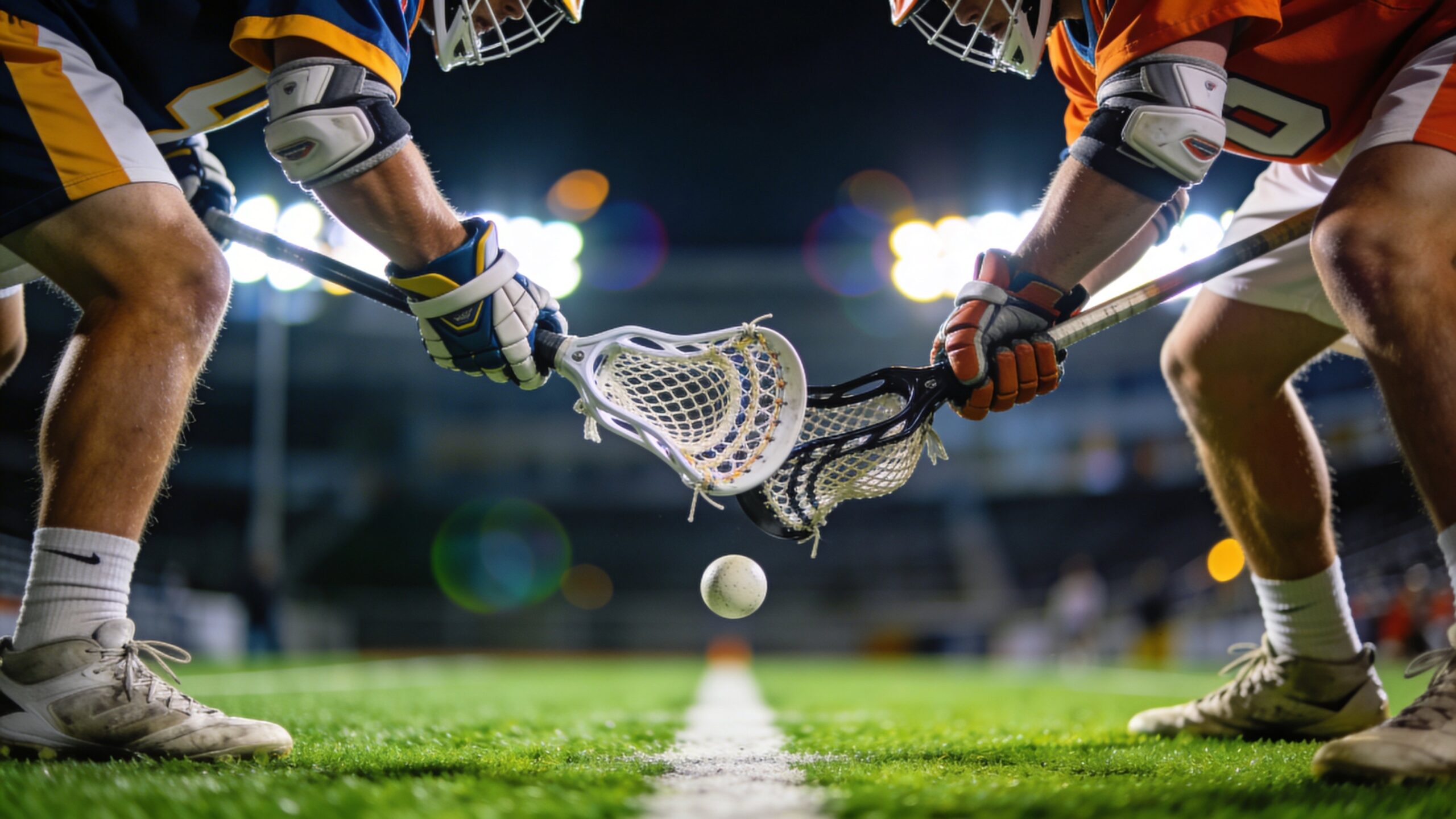
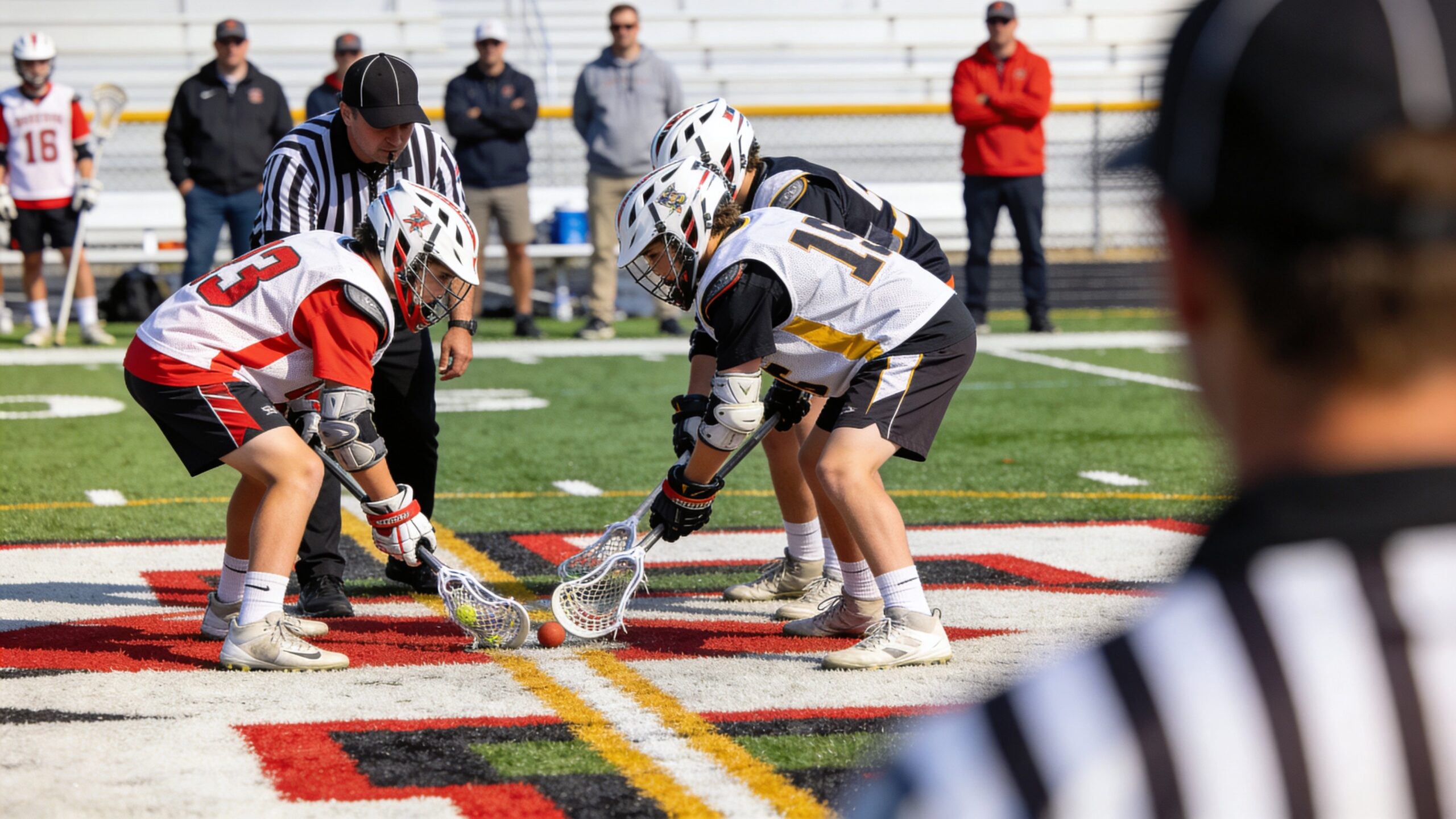
In lacrosse, the crease is far more than a painted circle around the goal. It is a protected zone that shapes scoring opportunities, goaltender safety, defensive strategy, and offensive timing. A crease violation occurs when a player illegally enters, contacts, or interferes within this space in a way that affects play. While the idea sounds simple, the actual application of crease rules can be one of the most confusing areas for players, parents, and even experienced fans. This guide breaks down what a crease violation is, why the crease exists, how violations happen on offense and defense, and how officials interpret these moments in real time. By the end, you’ll understand not only the rules themselves but the logic behind them—and how smart players use that knowledge to their advantage.
A: No, unless rules specify momentum after a goal.
A: Yes, if it breaks the crease plane illegally.
A: Generally no, unless goalie possession rules allow.
A: Not always; officials judge cause and timing.
A: Officials confirm crease timing before the goal.
A: Yes, but body and stick position also count.
A: Yes, box has stricter crease enforcement.
A: No, goalies are protected inside the crease.
A: Overrunning rebounds near the goal.
A: Through footwork, spacing, and repetition drills.
What Exactly Is the Crease?
The crease is a circular area drawn around the goal, typically with a radius of nine feet from the center of the goal mouth. It is considered the goaltender’s protected territory, designed to give the goalie freedom of movement and a safe space to defend shots.
Only the goalie is allowed full, unrestricted access to the crease. Other players may not step into or interfere with this area unless very specific conditions are met. Any violation of these conditions results in a crease violation, usually leading to a turnover or a stoppage in play. The crease exists to balance the game. Without it, attackers could crowd the goalie, defenders could shove players directly into the net area, and scoring would become more about physical chaos than skill and timing.
Why Crease Violations Matter
Crease violations are not just technical fouls. They directly impact scoring plays, momentum, and fairness. Many dramatic goals are overturned because of a single foot inside the crease or a brief contact with the goalie.
From a rules perspective, crease violations protect player safety, especially for goalies who are vulnerable while focused on shots. They also preserve the integrity of scoring by ensuring goals are created through legal positioning and movement rather than physical interference.
Understanding crease violations helps players make smarter decisions in tight scoring situations and helps fans better understand why a highlight-reel goal sometimes comes off the board.
Offensive Crease Violations Explained
The most common crease violations occur on offense. These situations usually involve an attacker stepping into the crease, leaning into it, or interfering with the goalie’s ability to make a play.
An offensive crease violation typically happens when an attacking player touches the crease or breaks the imaginary vertical plane of the crease with any part of their body or equipment before the ball crosses the goal line. Even a toe grazing the paint can be enough to nullify a goal.
It’s important to note that intent does not matter. A player may be pushed, bumped, or off balance, but if they end up illegally in the crease during a scoring attempt, the violation can still be called depending on the circumstances.
The Plane of the Crease and Why It’s Critical
One of the most misunderstood aspects of crease violations is the concept of the crease plane. The crease is not just the painted circle on the ground; it extends upward in an invisible cylinder.
This means a player can be guilty of a crease violation without actually stepping inside the circle. If an attacker leans over the crease and their body or stick breaks that vertical plane before the ball enters the goal, the goal may be disallowed.
This rule prevents attackers from diving or reaching directly over the goalie in ways that would be unfair or dangerous. Officials watch carefully for body position, foot placement, and timing when judging these plays.
When an Offensive Player Is Allowed Near the Crease
While offensive players cannot enter the crease, they are allowed to be very close to it. Attackers often “ride the crease,” positioning themselves just outside the circle to receive passes or scoop rebounds.
An offensive player may also reach their stick into the crease to play a loose ball, as long as no part of their body breaks the plane and they do not interfere with the goalie. This distinction is subtle but important and often separates legal hustle plays from turnovers.
Timing also matters. If an attacker shoots the ball and then their momentum carries them into the crease after the ball has clearly crossed the goal line, the goal may still count. Officials judge whether the violation occurred before or after the scoring action was completed.
Defensive Crease Violations and Restrictions
Defensive players face crease restrictions as well, though they are often overlooked. Like attackers, defenders may not enter the crease unless they are the goalie or have clear possession under specific rulesets.
A common defensive crease violation occurs when a defender steps into the crease to block a shot or interfere with an attacker without the goalie having possession. This usually results in a turnover or a reset that favors the offense.
Defenders must also avoid pushing or forcing an offensive player into the crease. If a defender’s illegal contact causes an attacker to enter the crease, the blame often falls on the defender rather than the attacker.
Goaltender Privileges Inside the Crease
The goalie enjoys special protection and privileges inside the crease. They are allowed to play the ball freely with their stick or body, and they cannot be checked while within the crease.
However, goalie privileges are not unlimited. If a goalie leaves the crease, they are treated like a regular field player and may be checked. Conversely, if the goalie is in the crease and initiates contact with an opponent, officials may allow play to continue or even call a violation on the goalie depending on the severity.
Understanding when a goalie is protected and when they are not is crucial for both offensive players trying to score and defenders supporting the goalie.
Crease Violations on Shots and Rebounds
Shots and rebounds are where crease violations most often occur. Attackers crashing the net in search of rebounds must be extremely aware of their footwork and body control.
A goal scored off a rebound is legal only if the shooter was not in the crease and did not break the crease plane before the ball crossed the goal line. Even if the original shot was legal, a quick second attempt can be wiped out by a momentary crease violation. This is why experienced attackers practice “crease awareness,” learning how to shoot, land, and reposition without drifting into restricted space.
Crease Violations on Passes and Feeds
Not all crease violations involve shots. An attacker standing in the crease while receiving a pass, even if no shot follows, is committing a crease violation. Similarly, if an offensive player camps inside the crease to screen the goalie or disrupt defensive movement, officials will stop play immediately. The crease is not a zone for setting picks or establishing position. Clean offensive movement relies on sharp cuts, quick releases, and awareness rather than stationary positioning near the goal.
How Officials Judge Crease Violations
Officials must make crease violation calls in real time, often from imperfect angles. They rely on positioning, experience, and teamwork to determine whether a player entered the crease, broke the plane, or interfered with the goalie.
Because these decisions are judgment-based, crease calls can be controversial. Slow-motion replays may show details that were impossible to see at full speed, but officials are trained to apply the rules based on what they observe in the moment.
Consistency is key. While interpretations may vary slightly, the guiding principles of safety, fairness, and competitive balance remain constant.
Differences Across Levels of Play
Crease rules are broadly similar across youth, high school, college, and professional lacrosse, but the enforcement can vary. At younger levels, officials may be more lenient, focusing on teaching and safety rather than strict technicalities. As players progress, crease violations are called more precisely, and attackers are expected to maintain full control near the goal. Higher levels of play often feature faster movement and more complex crease play, making awareness and discipline even more important.
Common Misconceptions About Crease Violations
One common myth is that any contact with the crease automatically negates a goal. In reality, timing and cause matter greatly. Another misconception is that being pushed into the crease always absolves the offensive player, which is not universally true.
Players also often believe that only feet matter, forgetting that hands, arms, hips, and even sticks can break the crease plane. This misunderstanding leads to avoidable turnovers and frustration. Clearing up these misconceptions is one of the fastest ways to improve a player’s effectiveness near the goal.
How Smart Attackers Avoid Crease Violations
Elite attackers train specifically to avoid crease violations. They practice shooting from tight angles, rolling away from the crease after releasing shots, and landing outside the restricted area when dodging.
Footwork drills, spatial awareness, and repetition help attackers develop an instinctive feel for where the crease is at all times. This allows them to play aggressively without crossing the line—literally. Confidence near the crease comes not from recklessness, but from control.
Defensive Strategies Around the Crease
Defenders use the crease as a strategic ally. By forcing attackers toward the crease boundary, defenders increase the likelihood of violations or rushed shots.
At the same time, disciplined defenders avoid stepping into the crease themselves, trusting the goalie to handle threats within that space. Effective communication between defenders and goalies is essential to prevent unnecessary violations. Good defense around the crease is about positioning, patience, and trust.
Crease Violations and Game Momentum
Few moments swing momentum faster than a goal called back due to a crease violation. The emotional impact can be significant, energizing one team while deflating the other.
Coaches often emphasize crease discipline precisely because of these momentum shifts. A single careless step can erase minutes of sustained offensive pressure. Understanding crease rules helps teams stay composed and focused, even in high-pressure situations.
Why the Crease Is Central to Lacrosse Identity
The crease embodies what makes lacrosse unique. It blends speed with structure, creativity with boundaries, and aggression with respect for safety.
Rather than limiting the game, the crease enhances it by forcing players to innovate. The most memorable goals often come from players who navigate the crease perfectly—cutting, shooting, and finishing without ever crossing the line. In this way, the crease is not an obstacle, but a proving ground.
Final Thoughts on Crease Violations in Lacrosse
A crease violation in lacrosse is more than a rulebook technicality. It reflects the sport’s commitment to safety, fairness, and skill-based play. Whether it’s an attacker stepping too close, a defender overreaching, or a goalie asserting their protected space, crease violations shape countless moments in every game. For players, mastering crease awareness is a critical step toward higher-level play. For fans, understanding these rules adds clarity and appreciation to the sport’s most intense moments. And for the game itself, the crease remains a defining feature—quietly controlling chaos at the heart of the action. When you truly understand the crease, you begin to see lacrosse not just as a fast-paced sport, but as a finely balanced system where inches, timing, and discipline decide the outcome.