Why Lacrosse Safety Matters More Than Many Parents Realize
Lacrosse is fast, skilled, physical, and exciting. That combination is exactly why so many young athletes fall in love with it. The game rewards quick decision-making, teamwork, conditioning, and courage. It also asks players to manage speed, sticks, contact, and constant movement in tight spaces. For parents watching from the sideline, that can make lacrosse feel both thrilling and intimidating at the same time. The good news is that modern lacrosse is built around a growing structure of safety rules, equipment standards, coaching practices, and player education designed to make the sport safer without taking away what makes it special. For parents, understanding lacrosse safety rules is not just about memorizing penalties or knowing what kind of helmet to buy. It is about seeing the full picture of how safety works in the sport. Rules exist to shape behavior. Equipment exists to reduce risk. Coaching exists to build proper habits. Officials exist to enforce safe play. And parents play an important role by recognizing when something is normal, when something is risky, and when it is time to speak up. The more informed a parent becomes, the more confident they can feel about helping their child enjoy the game responsibly.
A: It can be, especially in leagues with good coaching, proper equipment, and consistent rule enforcement.
A: Yes, youth levels often reduce contact and build skills progressively.
A: All required gear matters, but proper fit is just as important as the equipment itself.
A: No, possible concussion symptoms should always be taken seriously and evaluated.
A: It helps protect the mouth and teeth and is a basic part of safe play.
A: Ask about contact rules, injury procedures, equipment expectations, and concussion protocols.
A: Yes, strong officiating helps control dangerous play before it escalates.
A: Refit or replace it rather than hoping they adjust to unsafe equipment.
A: Coaches or adults praising reckless contact instead of controlled play is a warning sign.
A: Learn the rules, monitor symptoms, support honest reporting, and reinforce smart play.
Safety Starts With the Nature of the Game
One of the first things parents should understand is that lacrosse safety rules depend heavily on age group, league structure, and whether the child is playing boys’ lacrosse or girls’ lacrosse. The two versions of the game are related, but they are not identical in how contact, checking, and protective equipment are handled. That means safety expectations are different from the start. A new lacrosse parent can get confused if they watch one level of play and assume the same rules apply everywhere. In reality, youth leagues often introduce contact gradually, limit body checking, restrict stick contact, and place greater emphasis on teaching technique before allowing more physical play. That progression is important because many injuries in youth sports do not happen simply because a sport is physical. They happen when players are placed in situations they are not developmentally ready for, when rules are unclear, or when technique is poor. Lacrosse safety rules are designed to reduce those risks by matching the game to the players’ size, age, and skill level. Parents should expect coaches and league organizers to explain what kind of contact is allowed, what protective gear is required, and how rule enforcement changes as children grow older.
The Purpose of Protective Equipment
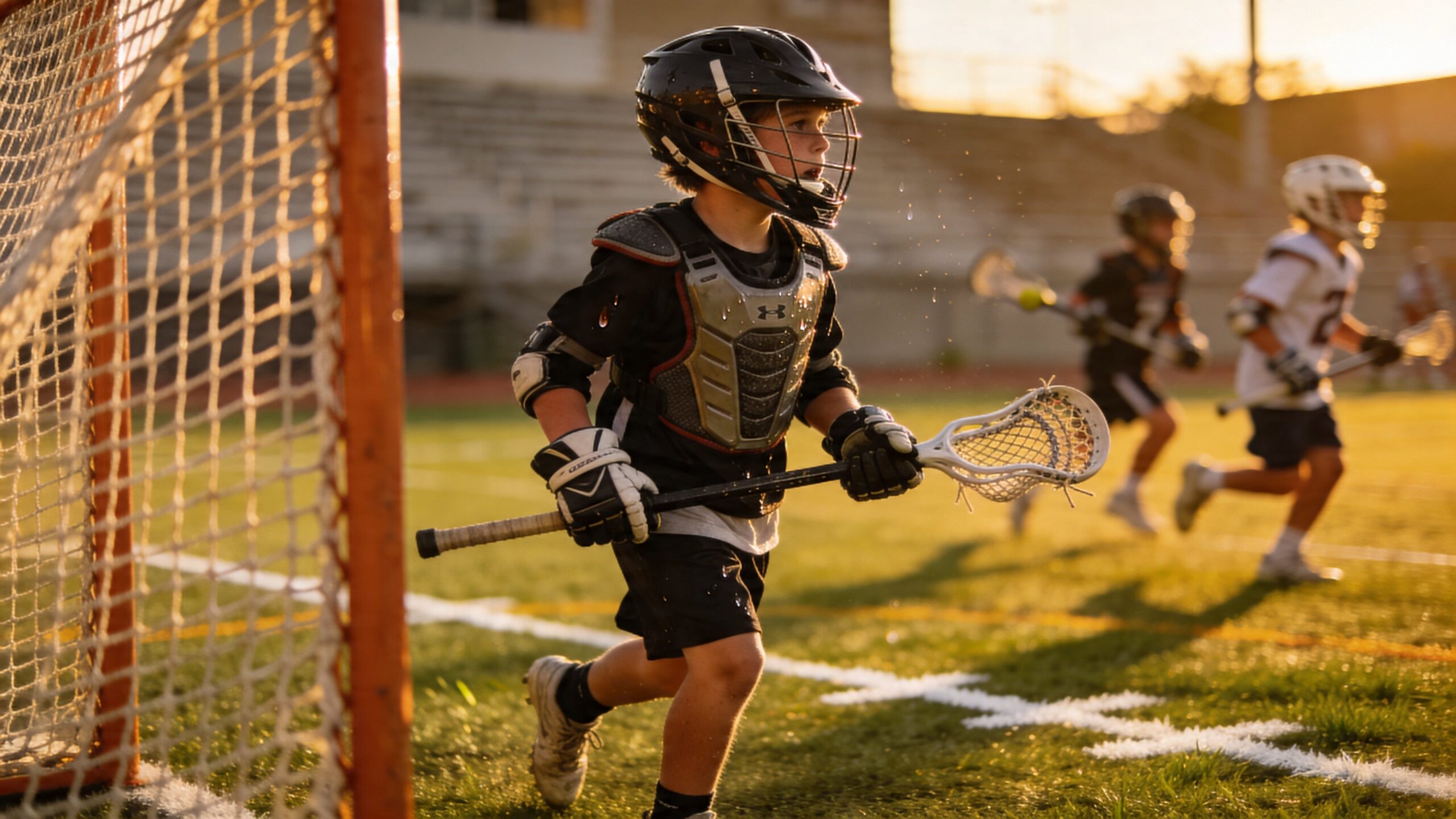
Equipment is one of the most visible parts of lacrosse safety, but it is also one of the most misunderstood. Protective gear does not make a player invincible. It lowers risk when used properly and when it fits correctly. In boys’ lacrosse, helmets, gloves, shoulder protection, mouthguards, and other required gear are central to the safety structure of the game. In girls’ lacrosse, eye protection and mouthguards are especially important, with some rules and local requirements also affecting headgear. Parents should never assume that buying expensive equipment automatically solves the safety question. Fit, condition, certification, and correct use matter just as much as the brand name.
A helmet that shifts around is a problem. A mouthguard that stays in a bag instead of in the mouth is a problem. Gloves that are too loose can affect control and protection. Worn straps, cracked shells, broken facemasks, or damaged padding should never be ignored. Parents should make a habit of checking gear before the season and throughout it. Children grow quickly, and equipment that fit in the fall may not fit by spring. Safety in lacrosse is not a one-time purchase. It is an ongoing process of inspection, adjustment, and replacement when needed.
Mouthguards Are a Small Item With a Big Job
Parents sometimes focus most on helmets and pads, but the mouthguard deserves special attention. It helps protect teeth and may reduce some risks associated with blows to the jaw area. In many leagues, it is mandatory, and officials can penalize players for failing to wear it properly. A mouthguard hanging from the facemask or tucked halfway out of the mouth is not doing its job. Young players may resist wearing one because it feels awkward at first, especially during conditioning or communication on the field. That is where habit-building matters. Parents can help by making the mouthguard part of the normal routine from the start. If a child complains that it feels uncomfortable, that should be addressed with proper fitting rather than ignored. A properly fitted mouthguard is one of the simplest and most important pieces of lacrosse safety.
Checking Rules Exist to Control Risk, Not Remove Competition
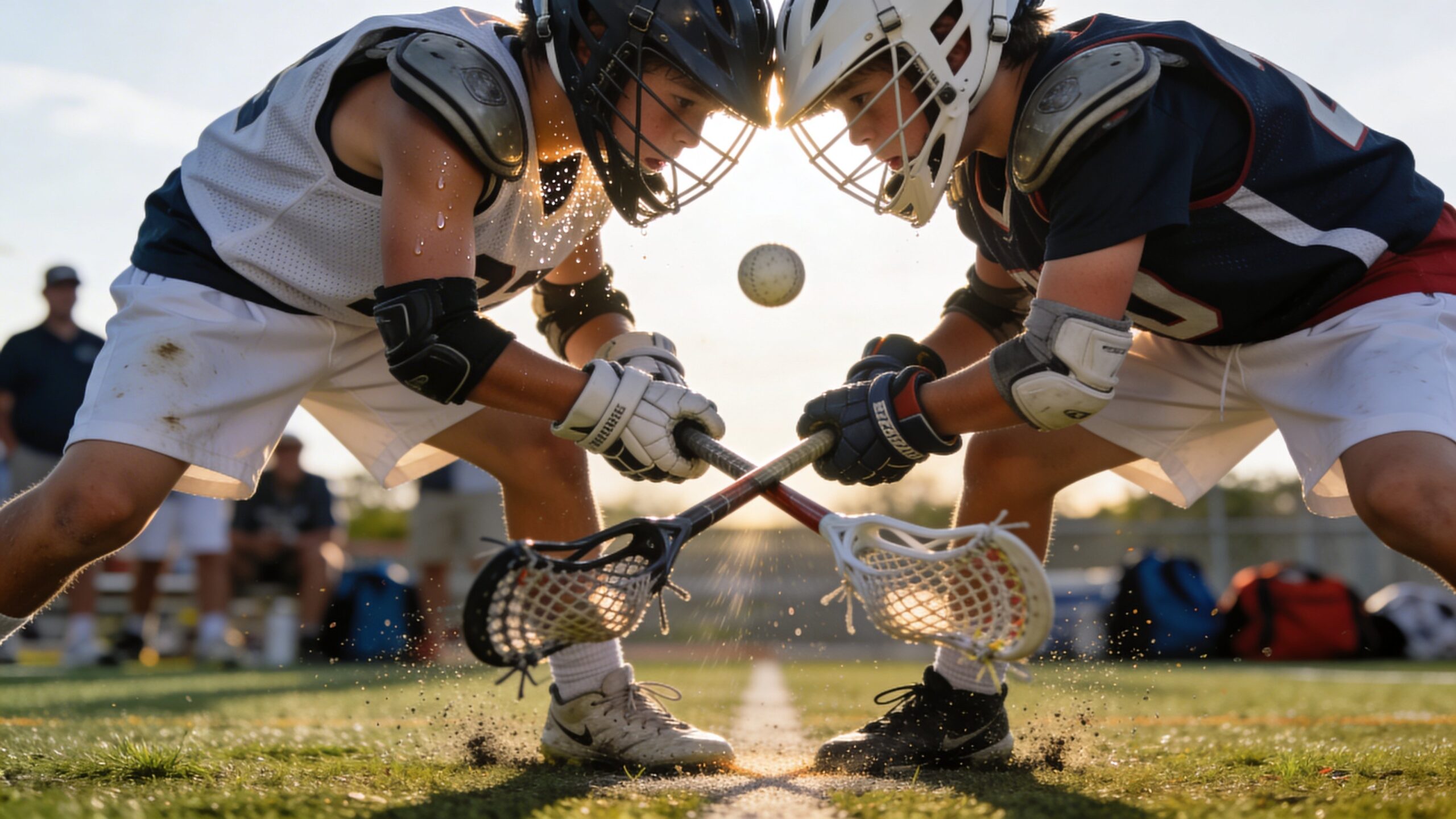
When many parents think about lacrosse injuries, they think first about contact. That makes sense. Stick checks, body contact, and contested ground balls are moments when chaos can appear suddenly. But this is exactly why checking rules matter so much. Legal contact in lacrosse is tightly defined. Dangerous contact is not just bad sportsmanship; it is against the rules. Cross-checking, slashing, targeting vulnerable areas, late hits, and unnecessary roughness are examples of the kind of behavior officials are supposed to penalize.
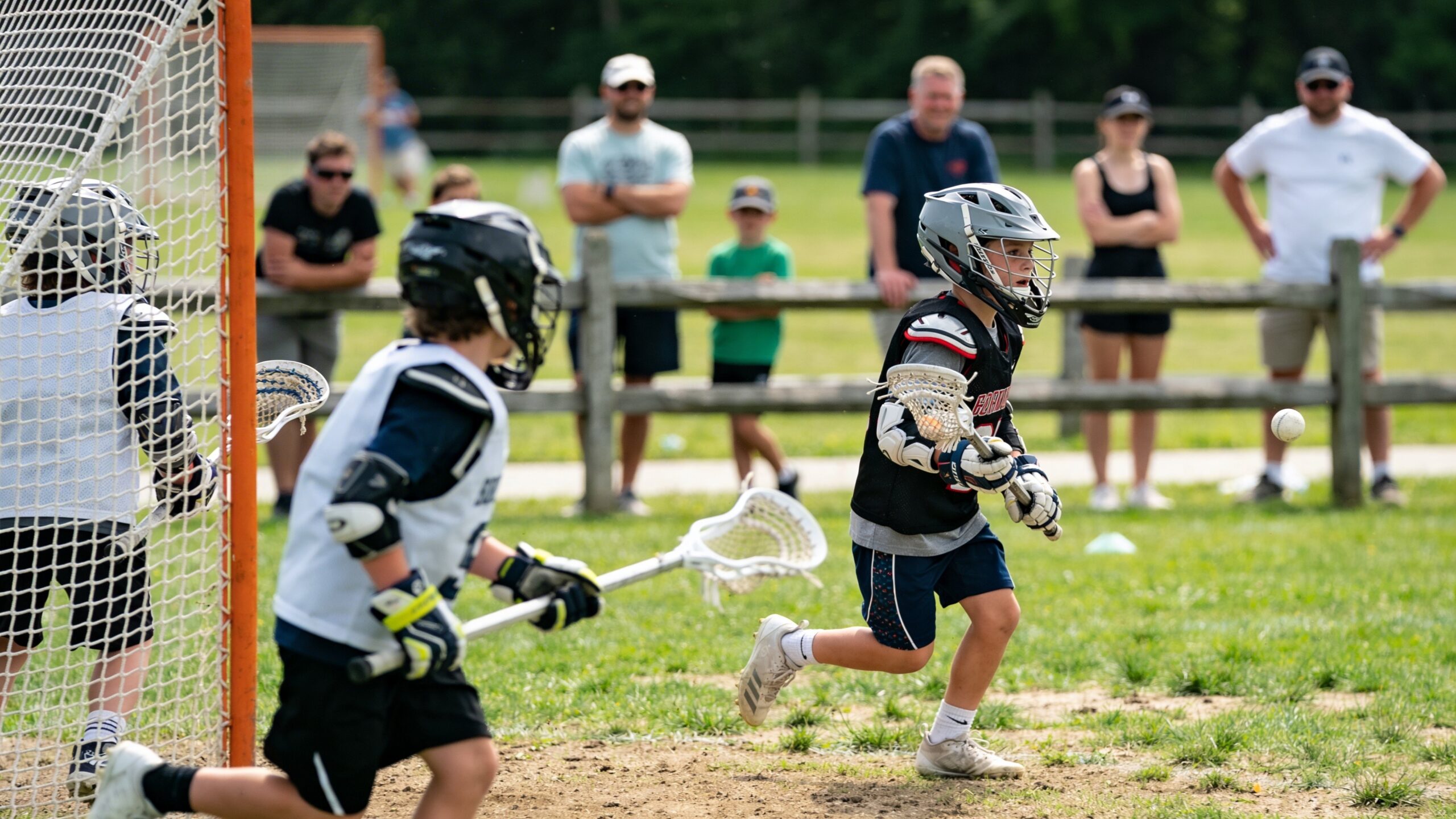
At younger age levels, leagues often restrict or eliminate body checking entirely. This is not because the sport is being watered down. It is because youth players need time to learn body control, spacing, balance, and technique before more physical contact is introduced. Parents should be wary of any environment where coaches, spectators, or even players celebrate reckless play as toughness. Good lacrosse programs teach athletes that control is a strength. Wild contact, swinging sticks, and blind aggression are signs of poor discipline, not high-level play.
Head and Neck Protection Is a Major Focus
One of the clearest principles in modern lacrosse safety is that contact involving the head and neck is taken seriously. This matters for obvious reasons. The speed of the sport means even a brief reckless action can create significant danger. Hits to the head, checks that ride up, and uncontrolled stick contact can all lead to injury and penalties. Parents do not need to memorize every rulebook phrase to understand the basic idea: if a player is making dangerous contact near the head or neck, officials should be watching closely, coaches should be correcting it, and leagues should be treating it as a priority.
This also connects to concussion awareness. Even with rules and protective equipment, concussions remain a concern in lacrosse as they are in many fast-moving sports. Parents should know the warning signs, including headaches, dizziness, confusion, nausea, light sensitivity, unusual fatigue, balance issues, or behavior that seems off after a collision. No athlete should feel pressure to keep playing through symptoms that may indicate a concussion. A culture of silence is one of the biggest safety threats in youth sports. A culture of reporting and responding is one of the strongest protections.
Coaches Shape Safety More Than Parents Often See
Rules matter, but coaching is what turns rules into daily habits. A strong lacrosse coach teaches safe approaches to checking, ground balls, spacing, communication, and body positioning. They run drills that emphasize awareness instead of chaos. They correct dangerous technique early. They know when a player is physically or emotionally not ready for a certain level of contact. They insist on proper warmups, hydration, and conditioning. They also model how to compete with intensity while respecting the rules.
Parents should watch for these signs. Does the coach talk about safety clearly, or only about winning? Do practices appear organized? Are players being taught how to protect themselves in contested moments? Is there a process for handling injuries? Are players discouraged from using reckless techniques? Great youth coaching makes safety feel like part of development, not an interruption to it. That mindset can shape a child’s relationship with the sport for years.
Officials Are a Key Part of the Safety System
Parents sometimes see referees only through the lens of penalties and disputed calls, but officials play an essential role in lacrosse safety. They are not just there to keep score fair. They are there to manage the physical environment of the game. Quick whistles on dangerous play, penalties for illegal contact, and consistent enforcement of equipment rules all help keep the sport under control.
When officiating is inconsistent, frustration can rise and the game can become more dangerous. Players test boundaries. Tempers build. Technique breaks down. That is why parents should value leagues that invest in qualified officials and consistent rule education. It is also why sideline behavior matters. Constant yelling at referees may feel common in youth sports, but it can undermine the safety culture of a game. Children notice what adults reward. If adults cheer controlled play and respect enforcement, that message stays with them.
Safe Play Includes Conditioning and Preparation
Not every lacrosse injury comes from contact. Fatigue, dehydration, poor conditioning, bad movement patterns, and rushed returns from previous injuries all create risk too. A tired athlete reacts more slowly, uses worse technique, and struggles to protect themselves in dynamic situations. That makes conditioning part of safety, not just performance. Parents should see warmups, recovery, hydration, and rest as serious parts of the lacrosse experience.
This is especially important during tournament weekends, hot weather, and busy multi-sport schedules. A child who is exhausted from constant activity may be more vulnerable even if they love being on the field. Parents can help by paying attention to sleep, nutrition, hydration, and signs of physical overload. The safest athlete is not always the biggest or fastest one. It is often the athlete who is physically prepared, mentally focused, and honest when something feels wrong.
Injury Response Matters Just as Much as Injury Prevention
Even the best-run lacrosse environment cannot eliminate every injury. What matters is how adults respond when something happens. Parents should expect immediate attention to injuries, not delay or guesswork. If a child takes a hard hit, shows signs of a concussion, appears confused, or complains of neck pain, dizziness, or vision problems, the situation should be handled seriously. When in doubt, the right choice is caution.
Parents should also ask practical questions before the season starts. Who handles injuries on site? Is there an athletic trainer available? What is the emergency plan? How are parents contacted? What is the return-to-play process after a concussion or other significant injury? These questions are not overprotective. They are responsible. Good programs will answer them clearly because safety planning is part of professionalism.
Different Ages Require Different Conversations
A seven-year-old does not need the same safety talk as a high school player. For younger children, the focus should be on listening to coaches, wearing gear properly, keeping sticks under control, and telling an adult when something hurts. For middle school athletes, parents can begin discussing legal versus illegal contact, body awareness, and the importance of reporting symptoms. For older players, conversations can become more detailed, especially around concussions, return-to-play decisions, equipment care, and the difference between playing tough and playing recklessly.
As athletes get older, they may also become more influenced by peer culture. Some players begin to believe that hiding pain proves commitment. Parents should actively challenge that idea. Smart players speak up early. Strong players respect their bodies. The healthiest sports culture is one where athletes understand that long-term development matters more than pretending nothing happened after a dangerous hit.
The Parent’s Role on the Sideline
Parents do not need to coach from the stands to support safety. In fact, sideline coaching often creates confusion. A better role is to reinforce the values that make safe play possible. Encourage discipline, awareness, composure, and respect for the rules. Praise smart decisions, not just aggressive ones. If your child avoids a dangerous play, keeps their head up, communicates well, or chooses control over chaos, that deserves recognition too.
Parents should also pay attention to emotional safety. Children who feel humiliated, panicked, or afraid to make mistakes may play more dangerously. Confidence helps athletes stay calm and make better decisions. A supportive home environment can reduce the pressure that leads young players to force risky moments. Safety is not only physical. It is also tied to mindset, trust, and communication.
Building Confidence Through Knowledge
One reason lacrosse can feel intimidating to parents is that it looks fast and unfamiliar at first. But safety becomes easier to understand when you break it into parts. Learn the age-level rules. Check the equipment regularly. Know how contact is regulated. Watch how coaches teach. Respect the role of officials. Take injuries seriously. Encourage honesty and discipline in your child. Once those pieces come together, the sport becomes less mysterious and much more manageable.
Lacrosse can be a wonderful experience for young athletes. It teaches resilience, teamwork, awareness, and responsibility. The goal is not to eliminate all risk, because no real sport can promise that. The goal is to create an environment where risks are reduced thoughtfully, rules are enforced seriously, and young players are developed with care. When parents understand lacrosse safety rules, they are better prepared to protect their children while still letting them enjoy the speed, beauty, and excitement of the game.
Final Thoughts for Parents
The best way for parents to approach lacrosse safety is with calm attention rather than fear. Ask questions. Learn the rules of your child’s level. Make sure equipment fits. Listen closely when your child describes practice or games. Notice whether coaches teach control and whether officials keep games in line. Never ignore symptoms after a hit. Never treat reckless behavior as a badge of honor. And never underestimate how much your own attitude shapes your child’s relationship with sports. Lacrosse safety rules are not there to slow the game down. They are there to protect the athletes who make the game possible. When parents understand that, they become part of the safety system themselves. That is good for the player, good for the team, and good for the future of the sport.