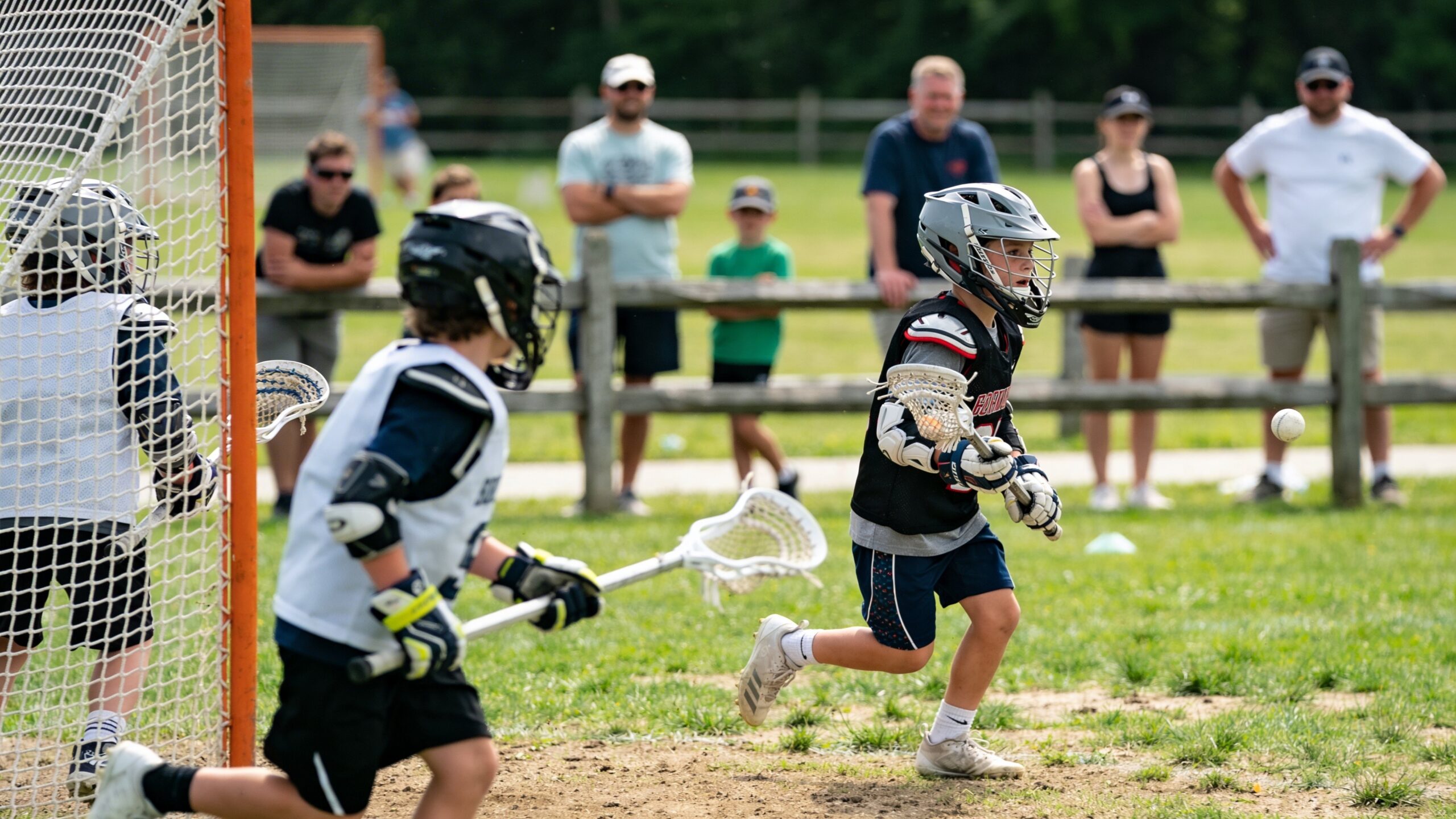
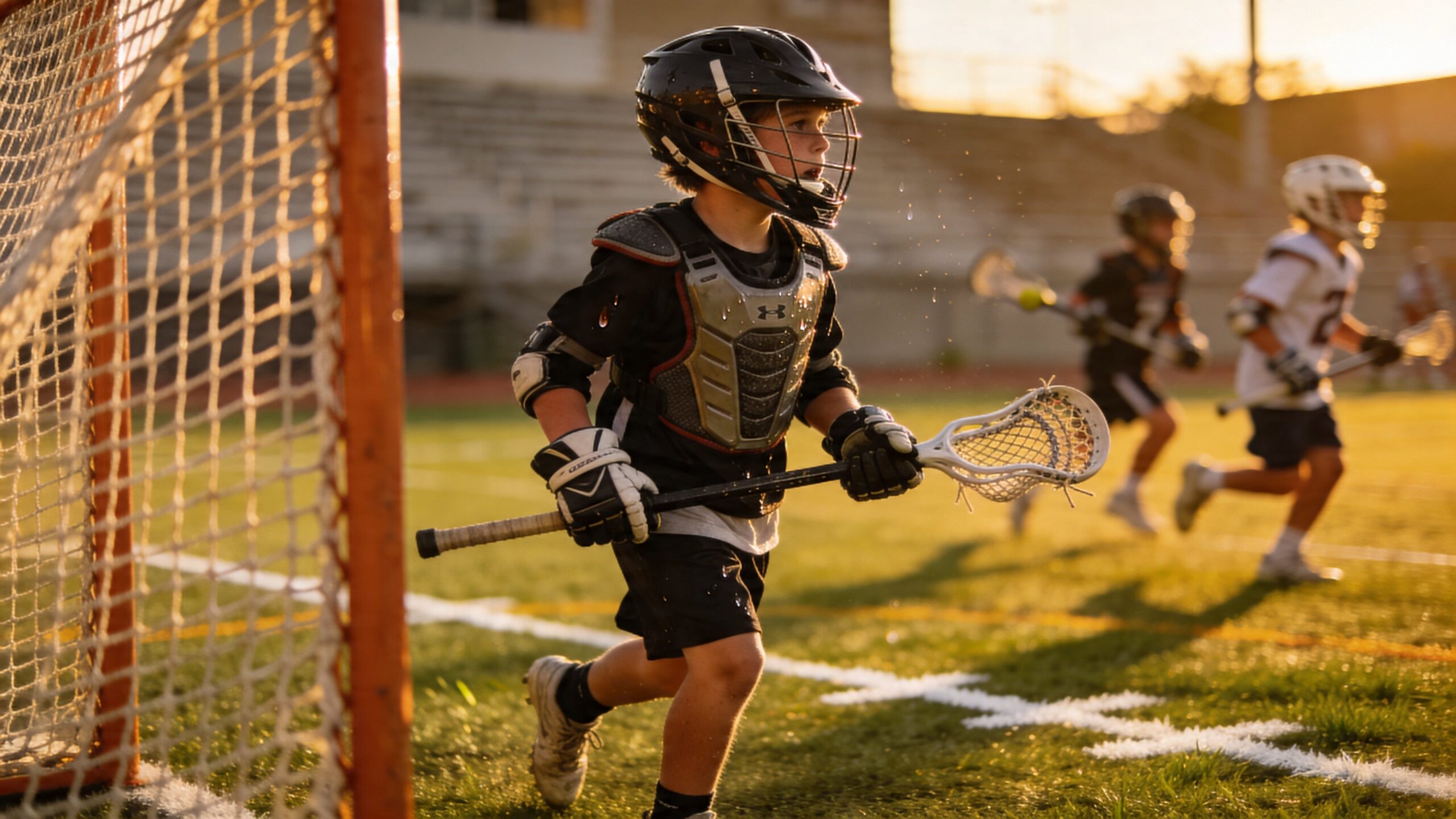
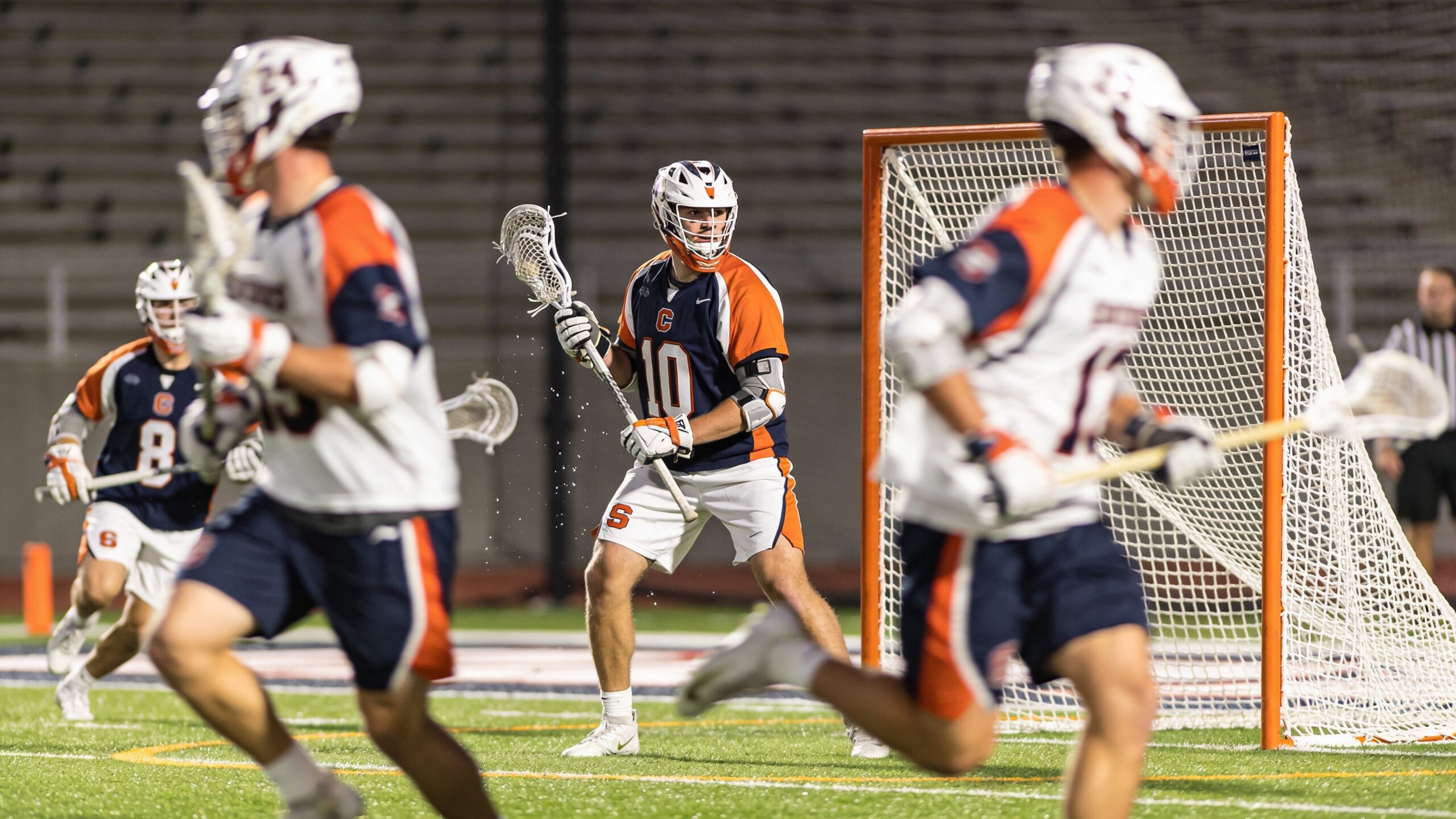
Lacrosse is often described as one of the fastest and most physical sports on the field. That intensity is part of its appeal—but it also makes rules and penalties essential to keeping the game fair, competitive, and safe. For new fans, players, and even experienced athletes, penalties can feel confusing at first. Why was the whistle blown? Why did a player head to the box? And why do some fouls stop play while others don’t? Understanding lacrosse penalties unlocks a deeper appreciation of the game. It reveals how officials manage flow, protect players, and prevent chaos in a sport that thrives on controlled aggression. From slashes and pushes to technical infractions and personal fouls, penalties shape strategy just as much as goals and saves. This guide breaks down lacrosse penalties in clear, practical terms so you can follow the action with confidence—or step onto the field knowing exactly where the line is drawn.
A: An illegal stick strike with excessive force or poor targeting.
A: No, only when forceful, from behind, or dangerous.
A: A minor rule violation affecting possession or positioning.
A: A safety-related or physical violation with time served.
A: Play continues until possession changes.
A: Yes, multiple players can serve time simultaneously.
A: No, serious fouls are non-releasable.
A: Slightly, but core rules remain consistent.
A: To reduce injury and protect players.
A: Proper technique, discipline, and awareness.
Why Penalties Matter in Lacrosse
Lacrosse penalties exist to balance physicality with safety. Unlike many sports, lacrosse allows contact through legal body checks and stick pressure, but only within defined boundaries. Without penalties, the game would quickly devolve into dangerous collisions and unchecked aggression.
Penalties also preserve fairness. Illegal advantages—whether gained through obstruction, holding, or stick violations—can shift momentum instantly. By enforcing penalties consistently, officials ensure that speed, skill, and teamwork decide outcomes rather than brute force or rule-bending tactics.
Finally, penalties shape game strategy. Coaches plan defensive schemes around man-down situations, while offenses design plays to exploit extra-man opportunities. Knowing how penalties work helps fans understand why teams suddenly slow the ball, spread the field, or aggressively attack the crease.
The Two Main Categories of Lacrosse Penalties
All lacrosse penalties fall into two broad categories: technical fouls and personal fouls. While both result in free possession or time in the penalty box, they differ significantly in severity, intent, and impact on gameplay.
Technical fouls are typically about positioning, ball control, and minor rule violations. These fouls are often unintentional and rarely dangerous. Personal fouls, on the other hand, involve illegal physical contact or actions that threaten player safety. These are more serious and almost always lead to time-serving penalties. Understanding this distinction makes it easier to interpret officials’ decisions and predict how a call will affect the game.
Slashing: The Most Common Lacrosse Penalty
Slashing is one of the most frequently called penalties in lacrosse, especially among newer players. A slash occurs when a player strikes an opponent with their stick in a dangerous or illegal manner. While controlled stick checks are allowed, reckless or excessive swings cross the line.
Officials look closely at the motion and location of the check. A legal stick check targets the gloved hands or stick shaft with controlled force. A slash often involves a wind-up, a downward chopping motion, or contact with unprotected areas such as the head, neck, or back.
Slashing penalties emphasize safety. A stick is a hard object, and uncontrolled swings can cause serious injury. Even experienced players must constantly adjust their technique to avoid slashes while still playing aggressive defense. Repeated slashing calls can quickly change a game’s rhythm by putting a team at a manpower disadvantage.
Cross-Checking and Why It’s Illegal
Cross-checking occurs when a player uses the shaft of their stick between their hands to push or hit an opponent. This action removes the control and flexibility that come from holding the stick properly and can lead to dangerous impacts.
Unlike in some other sports, cross-checking is not part of legal lacrosse defense. Officials penalize it as a personal foul because it often results in excessive force and increased injury risk. Even light cross-checking can be called if it gives a player an unfair advantage or displaces an opponent illegally.
Players are taught early to keep their hands together and use body positioning rather than stick leverage. Cross-checking penalties reinforce that defensive skill should come from footwork, angles, and controlled contact—not brute force.
Illegal Body Checks and Excessive Contact
Body checking is one of the defining elements of lacrosse, but it comes with strict limits. A legal body check must target an opponent who has possession of the ball or is within a few yards of a loose ball. It must be delivered from the front or side, above the waist, and below the shoulders.
Illegal body checks include hits from behind, hits to the head or neck, and blindside contact. Officials are especially vigilant about checks that involve defenseless players, such as those scooping a ground ball or receiving a pass.
Penalties for illegal body checks often result in longer time in the penalty box because they directly relate to player safety. In modern lacrosse, reducing head and neck injuries is a top priority, and rule enforcement reflects that commitment.
Pushing: When Contact Goes Too Far
Pushing is a nuanced penalty because some pushing is allowed during play. Players may use their hands or bodies to maintain position or apply pressure. However, pushing becomes illegal when it is forceful, from behind, or occurs after the whistle.
A common pushing penalty happens near the crease, where defenders aggressively try to move attackers away from scoring areas. If the push displaces a player unfairly or puts them at risk, officials will call it.
Pushing penalties highlight the importance of control. Lacrosse encourages physical play, but it demands discipline. Knowing how to use leverage instead of force separates effective defenders from frequent visitors to the penalty box.
Holding and Grabbing Violations
Holding occurs when a player restricts an opponent’s movement by grabbing their body, stick, or clothing. While brief contact is inevitable in lacrosse, sustained holding disrupts play and creates unfair advantages.
Officials often watch players without the ball to identify holding fouls. A defender who grabs an attacker’s arm or jersey to slow them down is likely to be penalized. Holding can also occur when a player traps an opponent’s stick against their body.
These penalties reinforce the importance of footwork and positioning. Lacrosse rewards players who can move laterally and anticipate plays rather than relying on grabbing to compensate for poor positioning.
Tripping and Obstruction Penalties
Tripping happens when a player uses their stick, leg, or body to cause an opponent to fall. Even accidental trips can result in penalties if they interfere with play or create dangerous situations.
Obstruction is closely related and occurs when a player without possession impedes an opponent’s path. This is common during off-ball movement, where attackers and defenders constantly jockey for space.
Both penalties exist to keep the game flowing. Lacrosse relies on speed and constant motion, and obstruction fouls prevent players from turning the game into a series of physical roadblocks.
Technical Fouls: Small Mistakes, Big Consequences
Technical fouls may seem minor, but they can swing momentum quickly. These include offsides, illegal procedures, interference, and violations related to equipment or positioning.
Offsides is one of the most common technical fouls. Each team must keep a set number of players on each side of the field. When a player crosses the midfield line at the wrong time, officials immediately stop play or signal a delayed call.
Illegal procedures include mistakes like stepping into the crease illegally, improper substitutions, or restarting play incorrectly. These fouls often frustrate coaches because they are entirely avoidable with discipline and awareness.
Crease Violations and Goalie Protection
The crease is a protected area around the goal, and penalties involving the crease are strictly enforced. Offensive players cannot step into the crease or interfere with the goalie’s ability to defend the goal.
Crease violations often result in turnovers rather than time-serving penalties, but repeated infractions can lead to harsher enforcement. The rules ensure that goalies can play their position safely without constant physical pressure. Understanding crease rules helps fans recognize why goals are sometimes waved off despite the ball clearly crossing the line.
Personal Fouls vs. Technical Fouls: Time in the Box
One of the biggest differences between personal and technical fouls is how time is served. Personal fouls typically result in one to three minutes in the penalty box, depending on severity. These penalties are almost always non-releasable if deemed severe.
Technical fouls usually result in a turnover or a 30-second penalty if the fouled team has possession. Some technical fouls lead to delayed penalties, allowing play to continue until a change of possession occurs.
This system balances punishment with flow, ensuring that minor mistakes don’t overly disrupt the game while serious violations are addressed firmly.
Delayed Penalties and Advantage Situations
Delayed penalties are one of the most exciting aspects of lacrosse officiating. When a penalty is called against the defense, officials often allow play to continue until the offending team gains possession.
During this delay, the offensive team can pull their goalie and add an extra attacker, creating a temporary advantage. This strategy adds tension and tactical depth, as teams must decide whether to take a risky shot or maintain possession. Delayed penalties reward awareness and composure, giving skilled teams a chance to capitalize before formal penalty time begins.
Unsportsmanlike Conduct and Emotional Control
Unsportsmanlike conduct penalties address behavior rather than physical contact. These include arguing with officials, taunting opponents, or deliberately delaying the game.
Lacrosse is an emotional sport, and maintaining composure is part of the challenge. Unsportsmanlike penalties can be costly because they often occur away from the ball and serve no strategic purpose.
By penalizing poor behavior, officials reinforce respect for the game and its participants, from players and coaches to referees and fans.
Ejection Fouls and Severe Infractions
The most serious lacrosse penalties result in ejection. These fouls involve flagrant misconduct, fighting, or dangerous actions that show disregard for safety.
Ejection penalties not only remove a player from the game but often lead to suspensions or further disciplinary action. They serve as a clear boundary: some behavior simply has no place in lacrosse. Thankfully, these penalties are rare, but their existence underscores the sport’s commitment to safety and sportsmanship.
How Penalties Shape Strategy and Game Flow
Penalties influence every level of lacrosse strategy. Teams practice man-down defense and extra-man offense extensively because these situations can decide close games.
Coaches emphasize discipline because even a brief lapse can result in a goal against. Players learn to balance aggression with control, understanding that smart play is just as important as physical dominance.
For fans, recognizing how penalties affect tempo and decision-making adds a new layer of excitement. Every whistle tells a story about positioning, pressure, and judgment.
Learning to Watch Lacrosse Like an Expert
Once you understand penalties, lacrosse becomes easier—and more enjoyable—to watch. You’ll notice subtle stick checks that stay legal, defenders adjusting angles to avoid illegal contact, and attackers drawing fouls through smart movement.
You’ll also appreciate the difficulty officials face in making split-second decisions in a fast, physical game. Penalties are not just interruptions; they are tools that shape the sport’s character.
Final Thoughts: Respecting the Line Between Tough and Illegal
Lacrosse penalties exist to protect what makes the game great. They allow physical play without sacrificing safety, encourage skill over force, and keep competition fair. Whether you’re a new fan, a developing player, or a seasoned coach, understanding penalties like slashes, pushes, and technical fouls deepens your connection to the sport. It reveals lacrosse not as chaos, but as a finely balanced blend of speed, strength, strategy, and respect. When you know the rules, every whistle becomes meaningful—and every clean play becomes even more impressive.