Beginner’s Guide To Youth Lacrosse
Youth lacrosse is many families’ first introduction to the sport, and it should feel exciting rather than overwhelming. New players are learning how to hold a stick, scoop a ball, move safely, listen to coaches, and understand the simplest parts of team play. Parents are learning gear lists, practice rhythms, rules, and what progress looks like. This guide breaks the first steps into practical pieces so a new family can start with confidence.
A: It depends on local programs, but many communities offer beginner youth divisions.
A: Scooping, cradling, short passing, and safe movement are great starting points.
A: It can be taught safely when rules, gear, coaching, and contact progressions are appropriate.
A: No, start with approved gear that fits and matches the league’s exact requirements.
A: Short, positive sessions are usually better than long stressful sessions.
A: A calm first practice, simple goals, and supportive coaching can help confidence grow.
A: No, field formats commonly have different equipment requirements.
A: Look for safety, touches, encouragement, organization, and player engagement.
A: Early games matter less than learning skills, spacing, listening, and confidence.
A: They improve through repetition, fun challenges, good coaching, and steady encouragement.
What Youth Lacrosse Should Feel Like
A first youth lacrosse season should be active, safe, and encouraging. Children are not only learning a sport; they are learning how to listen in a group, handle equipment, move with awareness, and try again after mistakes. Dropped balls and missed catches are normal parts of the process.
Parents can help by measuring progress in small signs. A child who scoops with more confidence, listens to a restart, or remembers where to stand is improving even without scoring.
Rules And Safety
Youth rules often modify the adult game to protect developing players. Contact may be limited, field size may change, and coaches may use small-sided formats. Families should always follow the local league rulebook because age-group details matter.
Safety begins with proper gear, but it also depends on coaching. Players need to learn how to move, stop, check if allowed, protect themselves, and respect opponents. Safe habits should be repeated until they feel normal.
Skills To Build First
The first skill set is simple: scoop, cradle, pass, catch, and move with balance. Ground balls are especially useful because every player can chase and scoop. A beginner who wins ground balls can help the team before advanced stick skills arrive.
Short home practice can help, but it should stay positive. Ten focused minutes of wall ball, soft toss, or scooping in the yard may do more than an hour of frustration.
Gear Without Guesswork
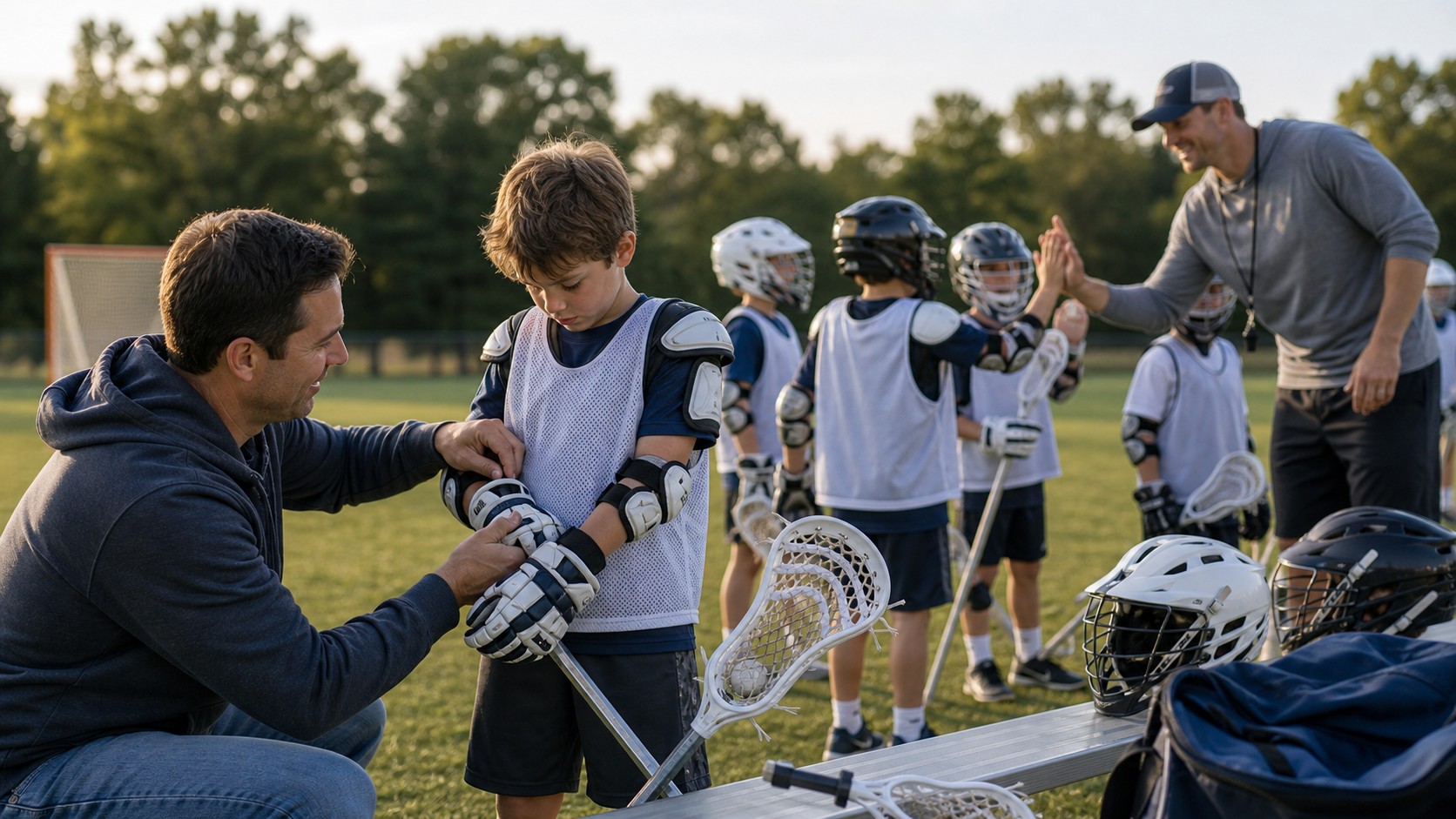
Parents should not guess on gear. Boys’ and girls’ field lacrosse usually have different requirements, and goalie gear is its own category. The safest path is to ask the league or coach for the exact list before buying.
Fit matters. Gear that is too large can make movement awkward, while gear that is too small can fail to protect. Used equipment can be helpful, but it should be checked carefully for condition and current standards.
First Steps For Families
Start by finding a local beginner program with organized coaching and clear communication. Ask how practices are structured, how new players are supported, and what safety rules are emphasized. A good first environment makes learning easier.
Then keep the experience light enough that the child wants to return. Youth lacrosse development is a long path. Confidence, curiosity, and steady repetition matter more than looking polished in the first week.
Youth lacrosse should be judged through a development lens. A first-year player is learning how to move, listen, manage gear, handle a stick, and recover emotionally after mistakes. Those foundations matter as much as early goals. When parents understand that, they can support the child’s progress without adding unnecessary pressure.
The first season is also about creating a safe relationship with practice. Children need repetition, but they also need success they can feel. A short session of scooping, catching, or cradling that ends with confidence is more valuable than a long session that turns the sport into a chore. Small positive routines help skills stick.
Coaching quality matters because young players copy what they see. Coaches should model calm corrections, safe contact habits, respect for officials, and encouragement after mistakes. Parents can reinforce that culture by praising effort, listening, and teamwork instead of only goals or wins.
Gear should never be treated as a guessing game. Youth leagues may use different requirements by age, format, and safety standard. A properly fitted stick, mouthguard, helmet, goggles, pads, or goalie setup helps children focus on learning instead of fighting uncomfortable equipment.
Parents can also help by making practices predictable. Pack gear the night before, arrive early, bring water, and ask the coach where new players should begin. A calm routine reduces nerves, especially for children who are trying a team sport for the first time.
Skill development works best when children understand one simple job at a time. Scoop through the ball. Move to open space. Stay between the opponent and the goal. Give your teammate a target. These small jobs build the habits that later become real game understanding.
It is normal for children to develop unevenly. One player may catch quickly but struggle with spacing. Another may run hard but need time with the stick. Another may be cautious at first and then grow confident after a few practices. Patient coaching leaves room for those different timelines.
The best youth lacrosse experience keeps kids wanting to return. If a child feels safe, included, active, and proud of small improvements, the sport has a strong foundation. Winning can be exciting, but long-term growth begins with confidence and belonging.
Parents should expect practices to look different from older competitive lacrosse. A beginner session may include games, stations, simple language, and frequent resets. That is appropriate when children are building coordination and attention. The goal is to create enough repetition that skills improve without making the sport feel heavy.
Youth players also need help understanding teamwork in small ways. Passing to a teammate, moving out of a crowded area, listening after a whistle, and congratulating someone else are all part of development. Those habits teach children that lacrosse is not only a stick skill contest. It is a team environment where awareness and attitude matter.
As players grow, coaches can add more detail: clearing, riding, matchups, positions, and special situations. The early foundation makes those ideas easier because the child already knows how to scoop, carry, listen, and move safely. Development is a staircase, not a single leap.
A useful parent habit is to ask the child one simple question after practice: what felt better today than last time? The answer may be small, such as catching one pass, remembering a drill, or feeling less nervous. Those answers help families notice progress that a scoreboard cannot show.
Programs should also make room for different personalities. Some children jump into drills immediately, while others need a few sessions to feel comfortable. Some love competition early, while others first connect through friendships or skill games. A healthy youth environment can support all of those starting points while still teaching effort and accountability.
For Beginner’s Guide to Youth Lacrosse: Rules, Skills, Gear, and First Steps, the most helpful mindset is to treat each rule as a clue about player behavior. Rules are not separate from strategy. They decide where players can stand, how defenders can apply pressure, how quickly the offense must act, and which choices create risk. Once that connection is clear, the game becomes easier to learn and more interesting to watch.
Another useful habit is to study mistakes without assuming they are random. A rushed pass may come from poor spacing. A weak shot may come from a dodge that started too late. A defensive breakdown may come from one missed communication several passes earlier. Lacrosse moves quickly, but the reasons behind a play are usually visible if you rewind the sequence in your mind.
Players and families should also remember that level matters. Youth, high school, college, club, and professional environments may use different timing rules, field dimensions, contact standards, or equipment requirements. The concepts in this guide provide a strong foundation, but the local coach and rulebook should always settle season-specific details.
The best learning happens through repetition with attention. Watching one game, practicing one skill session, or reading one guide can help, but confidence comes from seeing the same patterns again and again. Each possession gives another example of spacing, pressure, support, and decision-making. Over time, those examples turn a fast sport into a readable one.
That is why Beginner’s Guide to Youth Lacrosse: Rules, Skills, Gear, and First Steps should be understood as a practical guide rather than a list to memorize. A reader who can explain the main space, the main roles, and the main pressure points will already be ahead of most first-time viewers. The smaller rule details become easier once the basic shape of the game is familiar.
A helpful practice method is to pair one concept with one viewing habit. If the concept is spacing, watch the players who are not touching the ball. If the concept is defense, watch the first helper instead of the checker making contact. If the concept is transition, watch the players sprinting into support positions. This keeps learning active instead of passive.
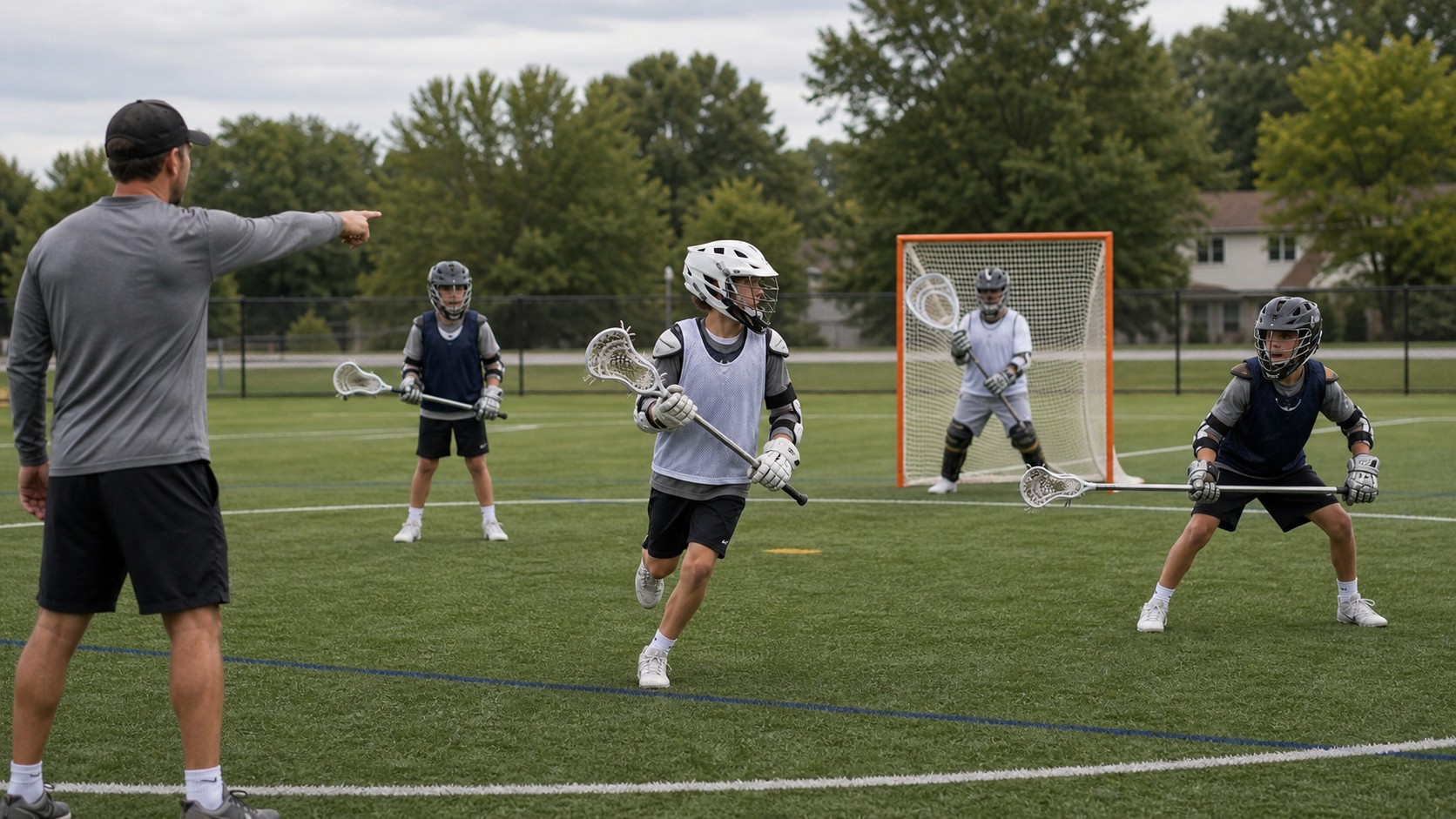
Coaches often build progressions in the same order. They start with a skill in isolation, add a defender, add a teammate, then place the same skill inside a game-like sequence. That progression explains why beginners should not be embarrassed by simple drills. Simple drills create the control needed for faster, messier possessions.
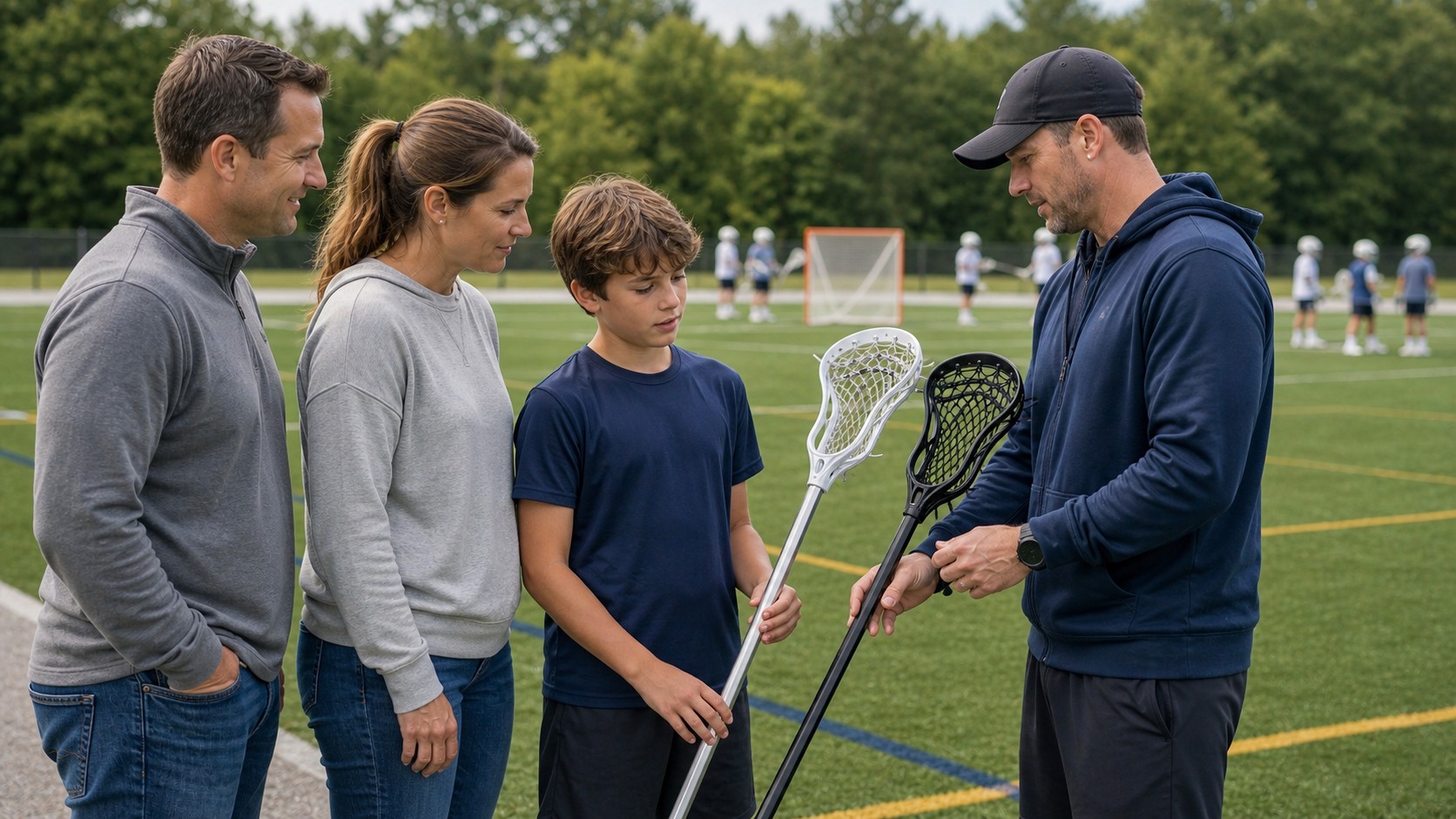
For parents, the most useful questions are concrete. Ask what a player should practice at home, how contact is introduced, how playing time is handled, and what equipment is required for that exact league. Clear answers tell you more than broad promises. A strong program can explain how beginners become safer, smarter, and more confident over time.
For fans, the payoff comes when the game starts to slow down mentally. The ball still moves quickly, but you begin to anticipate the next pass, the likely slide, or the reason a player is cutting through. That anticipation is the moment lacrosse becomes more than a blur of sticks and running. It becomes a tactical sport with visible patterns.
Another sign of understanding is being able to describe the choice before judging the result. A missed shot is not automatically a bad shot, and a completed pass is not automatically the best pass. Context matters: time, score, pressure, angle, support, and risk all shape whether a decision was sound. Learning those clues makes every possession more meaningful.
The same approach helps players stay patient with development. Lacrosse can feel unforgiving when the ball pops out of a stick or a defender closes space faster than expected. Those moments are normal. A player who keeps learning the next read, the next footwork detail, and the next support position is building the habits that eventually make the sport feel natural.
A complete explanation also needs to leave room for the coach’s voice. Two teams can follow the same broad rulebook and still teach different priorities based on age, roster, league rules, and player experience. One coach may emphasize safety and spacing before competition. Another may spend more time on transition or special situations. The useful reader is the one who understands the foundation well enough to ask better questions at practice.
That foundation should show up in small choices. Players should know when to protect the ball, when to become an outlet, when to hold shape, and when to recover instead of chasing. Fans should know why a whistle changes spacing or why a team slows down after a fast break. Parents should know which habits show progress even when the scoreboard does not. Those small signs are often where real understanding begins.