
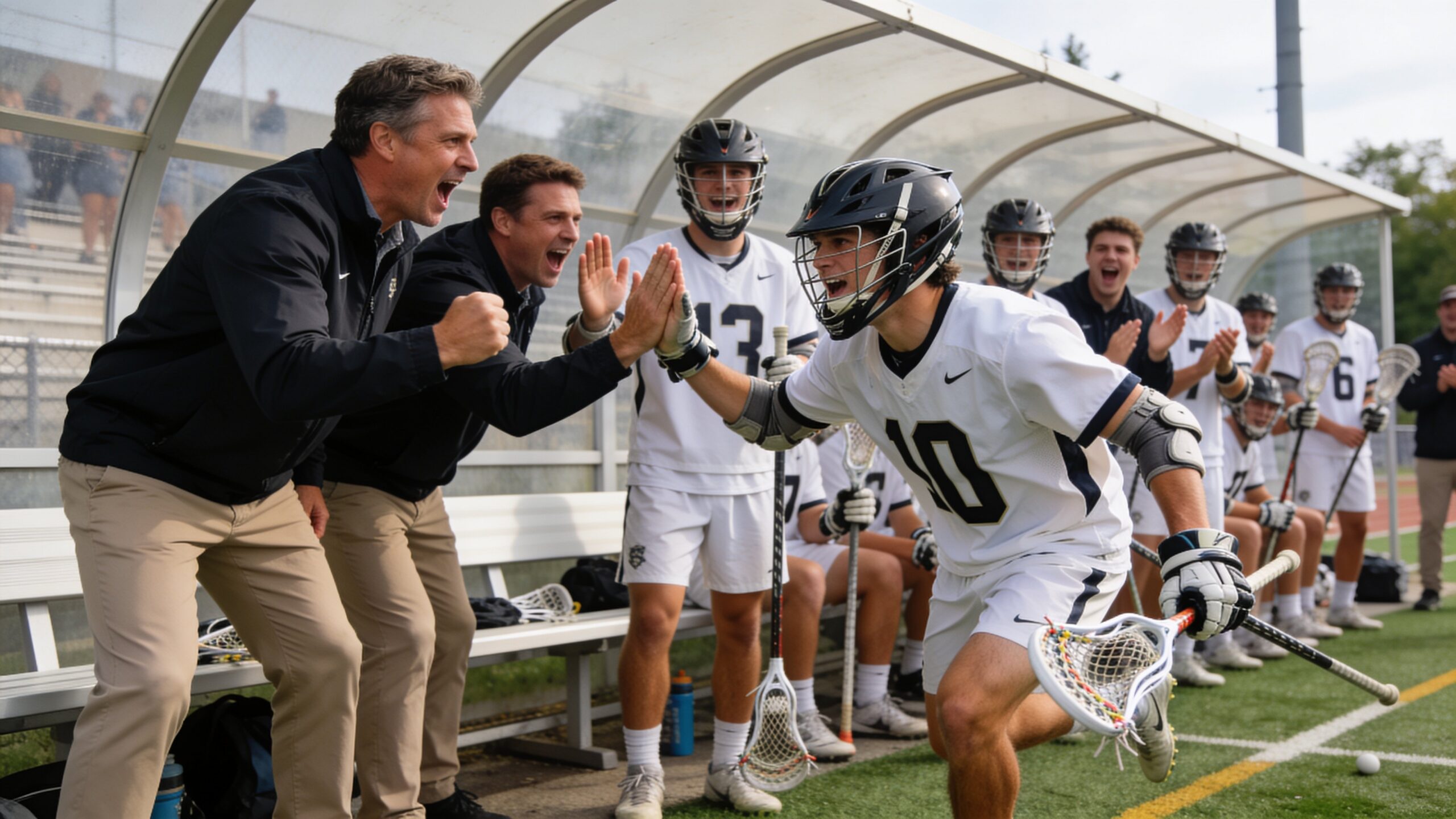
Introduction — “Teams”
Lacrosse teams are where speed, strategy, grit, and chemistry come alive. This section of Lacrosse Street is built for players, parents, coaches, and fans who want to understand what makes a great team more than just a roster of athletes. From youth squads learning their first defensive slide to elite programs chasing championships, every team has its own rhythm, identity, and story. Here, you will find articles that explore team culture, player roles, communication, leadership, practice habits, sideline energy, and the small details that turn individual talent into a united force. Whether you are trying to build a stronger locker room, understand how different teams compete, or learn what separates average groups from unforgettable ones, this page is your starting point. Step into the huddle, study the game from the team perspective, and discover how trust, toughness, and teamwork shape every faceoff, fast break, and final whistle in lacrosse. Great teams are built before game day begins.
A: Talent helps, but teamwork, communication, discipline, conditioning, coaching, and trust usually decide how far a team can go.
A: Field lacrosse usually has ten players per team on the field, including the goalie.
A: Chemistry helps players anticipate each other, move the ball faster, defend together, and stay composed under pressure.
A: Captains help set the tone, communicate with coaches, support teammates, and lead by example in practice and games.
A: They practice calling slides, clears, picks, cuts, matchups, and ball location until communication becomes automatic.
A: A ride is a coordinated effort to pressure the opponent after a turnover or missed shot and prevent an easy clear.
A: Team defense means players protect each other through positioning, help, communication, slides, recovery, and smart pressure.
A: Learn the system, hustle for ground balls, communicate, listen well, and master simple plays before trying to do too much.
A: Film helps teams spot mistakes, study opponents, improve spacing, and understand decisions that are hard to see live.
A: Great teams combine skill with accountability, toughness, unselfish play, preparation, and belief in the group.