
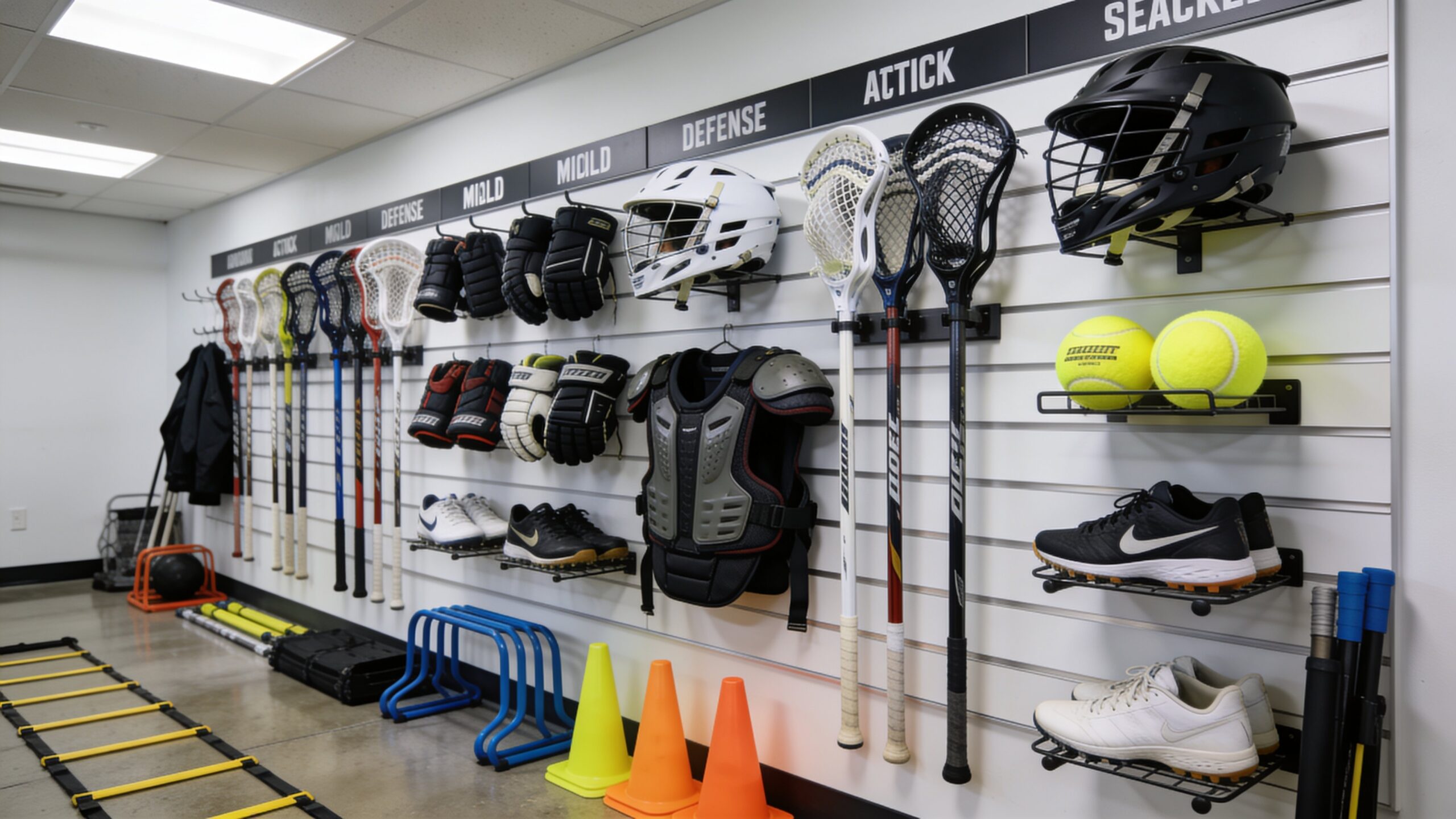
Gear Lists on Lacrosse Street are built for players, parents, coaches, and fans who want sharper choices before stepping onto the field. Lacrosse moves fast, and the right equipment can change how a player catches, shoots, defends, dodges, and feels during every shift. This section brings together exciting, practical, and easy-to-read articles that break down the gear that matters most, from sticks and heads to gloves, helmets, cleats, pads, bags, training tools, and game-day extras. Whether you are buying your first starter setup, upgrading for a new season, comparing position-specific gear, or searching for smart gift ideas, these guides help make the decision clearer. Each article is designed to cut through the noise and focus on what players actually need, what improves performance, and what makes the game more fun. Explore the latest gear lists, discover hidden essentials, and build a lacrosse setup that feels ready for practice, competition, and every big moment.
A: Most beginners need a stick, helmet or eyewear depending on league rules, gloves, pads, cleats, mouthguard, and a gear bag.
A: A complete stick is usually the easiest and most affordable starting point for new players.
A: Look for a secure fit, flexible fingers, strong palm feel, and enough protection for your level of play.
A: Lacrosse cleats are designed for cutting, sprinting, and field traction, though some players use football or soccer cleats depending on fit and rules.
A: Attack players should focus on stick control, lightweight gloves, reliable arm protection, and cleats that support quick dodges.
A: Defenders usually need a strong long pole, protective gloves, durable pads, and cleats with dependable grip.
A: Replace gear when it no longer fits, loses protection, breaks, or becomes unsafe for game conditions.
A: A rebounder, extra balls, a backyard goal, cones, and a well-strung stick can make home practice much more effective.
A: Yes, goalies need position-specific equipment such as a goalie stick, throat protection, chest protection, and goalie gloves.
A: A useful gear list explains what each item does, who it helps, why it matters, and how it fits a player’s budget and skill level.