Why Understanding Youth Lacrosse Penalties Matters
Youth lacrosse is fast, physical, and incredibly exciting to watch, but for parents new to the sport, the constant whistles and referee signals can feel confusing. One moment your child is sprinting toward the goal, and the next, play stops, and possession changes. Understanding common youth lacrosse penalties not only helps you follow the game, it also gives you a deeper appreciation for how safety, fairness, and skill development are built into every level of play. At the youth level, penalties are not just about enforcing rules. They are teaching tools. Officials use them to guide young athletes toward proper technique, safe contact, and respect for opponents. When parents understand what’s happening on the field, they can better support their players, reinforce good habits, and enjoy the game without frustration or confusion.
A: To protect players and teach proper technique early.
A: Slashing due to improper stick control.
A: No, many result in possession changes only.
A: No, it may result in unsportsmanlike conduct.
A: One team plays with fewer players due to a penalty.
A: Focus on control, positioning, and technique.
A: No, rules vary slightly by age and organization.
A: Too many players on one side of the field.
A: It increases risk of injury.
A: No, respect for officials is part of the game.
The Foundation of Youth Lacrosse Rules
Before diving into specific penalties, it helps to understand that youth lacrosse rules are designed differently from high school or college play. Safety is the top priority. That means stricter enforcement, lighter allowable contact, and a strong emphasis on controlled stick use. Referees are watching closely for anything that could lead to injury or poor sportsmanship. Penalties in youth lacrosse generally fall into two categories: technical fouls and personal fouls. Technical fouls are minor infractions that usually result in a change of possession or a brief penalty. Personal fouls are more serious and often involve illegal contact or dangerous play, resulting in longer time penalties where a player must leave the field.
Slashing: One of the Most Common Calls
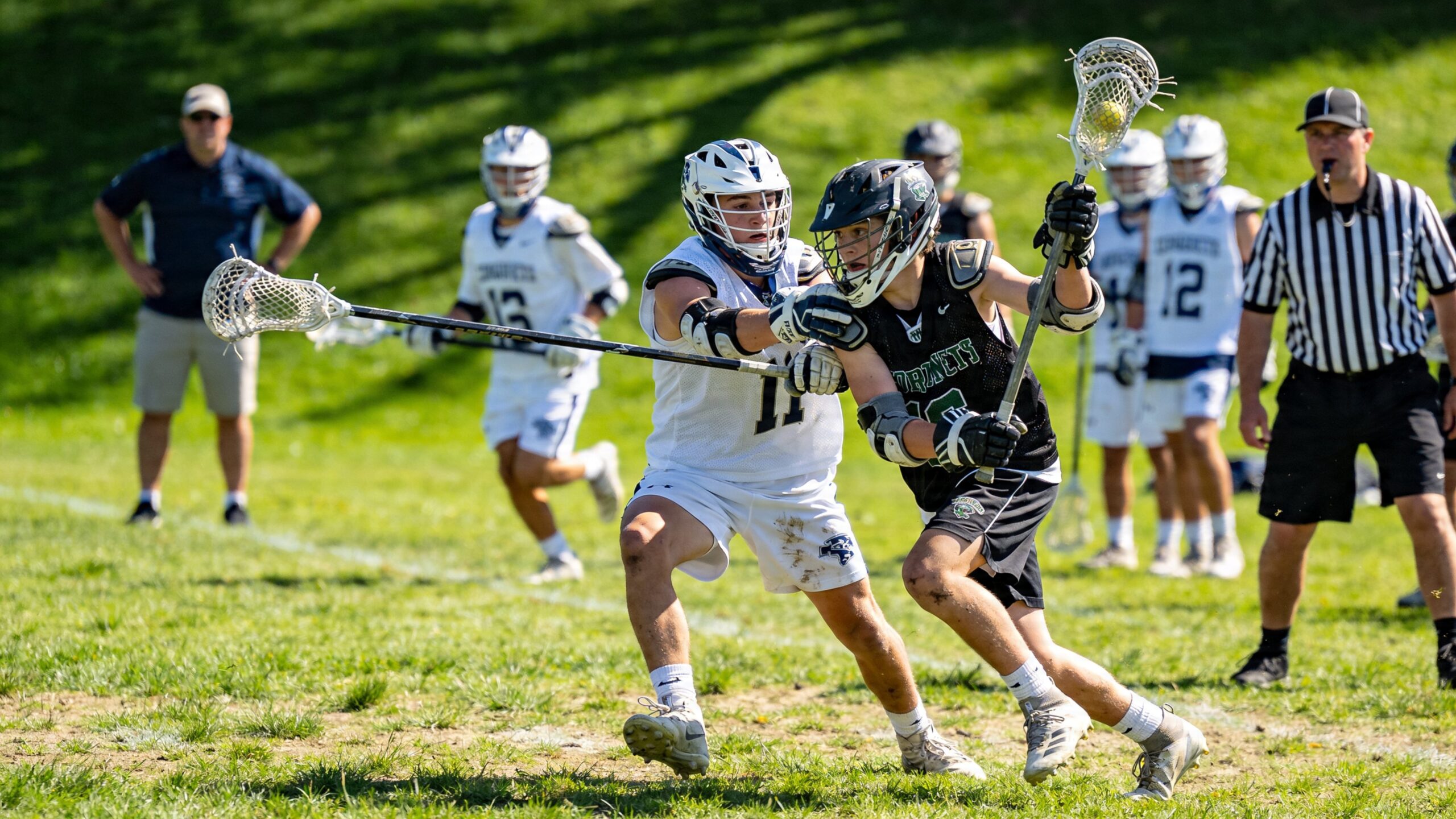
Slashing is perhaps the most frequently called penalty in youth lacrosse, and it’s also one of the easiest for parents to recognize once you know what to look for. This occurs when a player swings their stick in a forceful or uncontrolled manner, especially when making contact with an opponent’s body rather than their stick.
In youth games, referees are especially strict about slashing because younger players are still learning proper defensive technique. Legal checks should be controlled and targeted at the opponent’s stick or gloves. Wild swings, overhead chops, or repeated aggressive contact will almost always draw a penalty. Teaching players to keep their checks short, quick, and controlled is key to avoiding this call.
Tripping: When Footwork Goes Wrong
Tripping is another common penalty, and it often happens unintentionally. This occurs when a player uses their stick, leg, or body to cause an opponent to lose balance or fall. In youth lacrosse, even accidental trips can be penalized because of the safety risk involved.
Young players are still developing coordination and defensive positioning, so they may step into the wrong lane or reach awkwardly with their stick. Referees look for actions that disrupt an opponent’s movement unfairly, especially if it leads to a fall. Good defensive footwork and body control are essential skills that reduce the likelihood of tripping penalties.
Cross-Checking: Too Much Force, Not Enough Control
Cross-checking happens when a player uses the shaft of their stick between their hands to push or hit an opponent. While controlled contact is part of lacrosse, using the stick in this way creates a higher risk of injury and is not allowed at the youth level. Parents will often see this when a defender extends their arms and shoves an opponent away. Even if it looks like a defensive move, it’s considered illegal because it relies on force rather than positioning. Coaches emphasize body positioning and stick placement instead of pushing, helping players learn safer and more effective defensive techniques.
Illegal Body Checking: Safety Comes First
In many youth leagues, body checking is either heavily restricted or not allowed at all, depending on the age group. Illegal body checking occurs when a player makes contact outside of the rules, such as hitting from behind, targeting the head or neck, or initiating excessive force.
This is one of the most serious penalties because of its potential for injury. Referees are quick to stop play and assess penalties when they see unsafe contact. Parents should know that even if contact looks minor compared to older levels of play, it can still be illegal in youth games. The goal is to teach players how to play aggressively but safely.
Holding: Slowing the Game Illegally
Holding is a technical foul that happens when a player impedes an opponent’s movement using their stick or body. Instead of playing the ball, the player is essentially grabbing or blocking their opponent in a way that prevents fair play.
This can look like wrapping a stick around an opponent, pinning them, or using excessive body contact to stop movement. While it may seem like a small infraction, it disrupts the flow of the game and is consistently called by officials. Learning proper positioning and stick control helps players avoid holding penalties.
Pushing: When Contact Crosses the Line
Pushing is a penalty that occurs when a player forcefully shoves an opponent, especially from behind. While some level of physical contact is allowed in lacrosse, it must be controlled and within the rules of the age group. A push from behind is particularly dangerous because it can send a player off balance without warning. Even lighter pushes can be penalized if they interfere with a scoring opportunity or create unsafe conditions. Coaches often teach players to use their bodies for positioning rather than forceful contact.
Offsides: A Positioning Mistake
Offsides is a technical foul that has nothing to do with contact but everything to do with positioning on the field. In lacrosse, teams must maintain a certain number of players on each half of the field. If too many players cross the midfield line, the team is considered offsides.
This is common in youth lacrosse because players are still learning field awareness and positioning. It often happens during fast transitions when players get caught up in the action. While it may seem like a minor mistake, it can quickly lead to a turnover and a scoring opportunity for the opposing team.
Interference: Blocking Without the Ball
Interference occurs when a player obstructs an opponent who does not have the ball or is not within playing distance of it. This penalty reinforces the idea that players should focus on the ball and active play rather than blocking opponents unnecessarily.
For parents, this can sometimes be confusing because it may look like normal positioning. However, if a player is clearly preventing someone from moving freely without a direct connection to the play, referees will step in. Teaching players to stay engaged with the ball helps reduce interference calls.
Ward: Offensive Players Breaking the Rules
While many penalties are defensive, offensive players can also commit fouls. A ward occurs when a player uses their free hand or arm to push away a defender. This is illegal because it gives the ball carrier an unfair advantage.
Young players often instinctively use their hands to create space, especially when under pressure. Referees watch closely for this and will call it quickly. Learning to protect the stick with proper positioning instead of pushing is an important skill at the youth level.
Illegal Equipment: Safety and Fairness Combined
Equipment rules are strictly enforced in youth lacrosse to ensure safety and fairness. Illegal equipment penalties can occur if a player’s stick is too long, the pocket is too deep, or required protective gear is missing.
While this may seem like a technical detail, it plays a major role in maintaining a level playing field. Coaches and parents should regularly check equipment to ensure it meets league standards. Proper gear not only prevents penalties but also keeps players safe.
Unsportsmanlike Conduct: Respecting the Game
Unsportsmanlike conduct covers a wide range of behaviors, including arguing with officials, taunting opponents, or using inappropriate language. In youth lacrosse, this is taken very seriously because the sport emphasizes respect and character development. Referees may issue warnings or penalties depending on the situation. Parents play an important role here by modeling positive behavior from the sidelines. Encouraging sportsmanship helps create a better experience for everyone involved.
How Penalties Affect the Flow of the Game
Penalties in youth lacrosse don’t just stop play, they shape the entire rhythm of the game. A personal foul often results in a man-down situation, where one team has fewer players on the field for a set period. This creates opportunities for the opposing team and can quickly change momentum.
Technical fouls, on the other hand, usually result in a change of possession or a quick restart. These moments can be just as impactful, especially during close games. Understanding how penalties influence gameplay helps parents appreciate the strategy behind each whistle.
What Parents Should Watch For During Games
As a parent, you don’t need to memorize every rule to enjoy youth lacrosse. Instead, focus on recognizing patterns. Notice when players lose control of their sticks, when contact becomes excessive, or when positioning breaks down. These are the moments when penalties are most likely to occur.
Listening to referees and watching their signals can also provide valuable clues. Over time, you’ll begin to anticipate calls and understand the flow of the game more naturally. This makes watching your child play even more rewarding.
Helping Young Players Learn and Improve
Penalties are not failures, they are part of the learning process. Every young lacrosse player commits fouls as they develop their skills. The key is to treat these moments as opportunities for growth rather than frustration.
Parents can support their athletes by encouraging proper technique, reinforcing lessons from coaches, and maintaining a positive attitude. When players feel supported, they are more likely to learn from mistakes and improve over time.
Building Confidence Through Understanding
When parents understand youth lacrosse penalties, they become more confident spectators and better supporters of their players. The game becomes clearer, more enjoyable, and more meaningful. Instead of confusion, there’s insight. Instead of frustration, there’s appreciation. Youth lacrosse is about more than wins and losses. It’s about learning, growth, and teamwork. By understanding the rules and the reasons behind them, parents become an important part of that journey, helping young athletes develop not just as players, but as individuals.