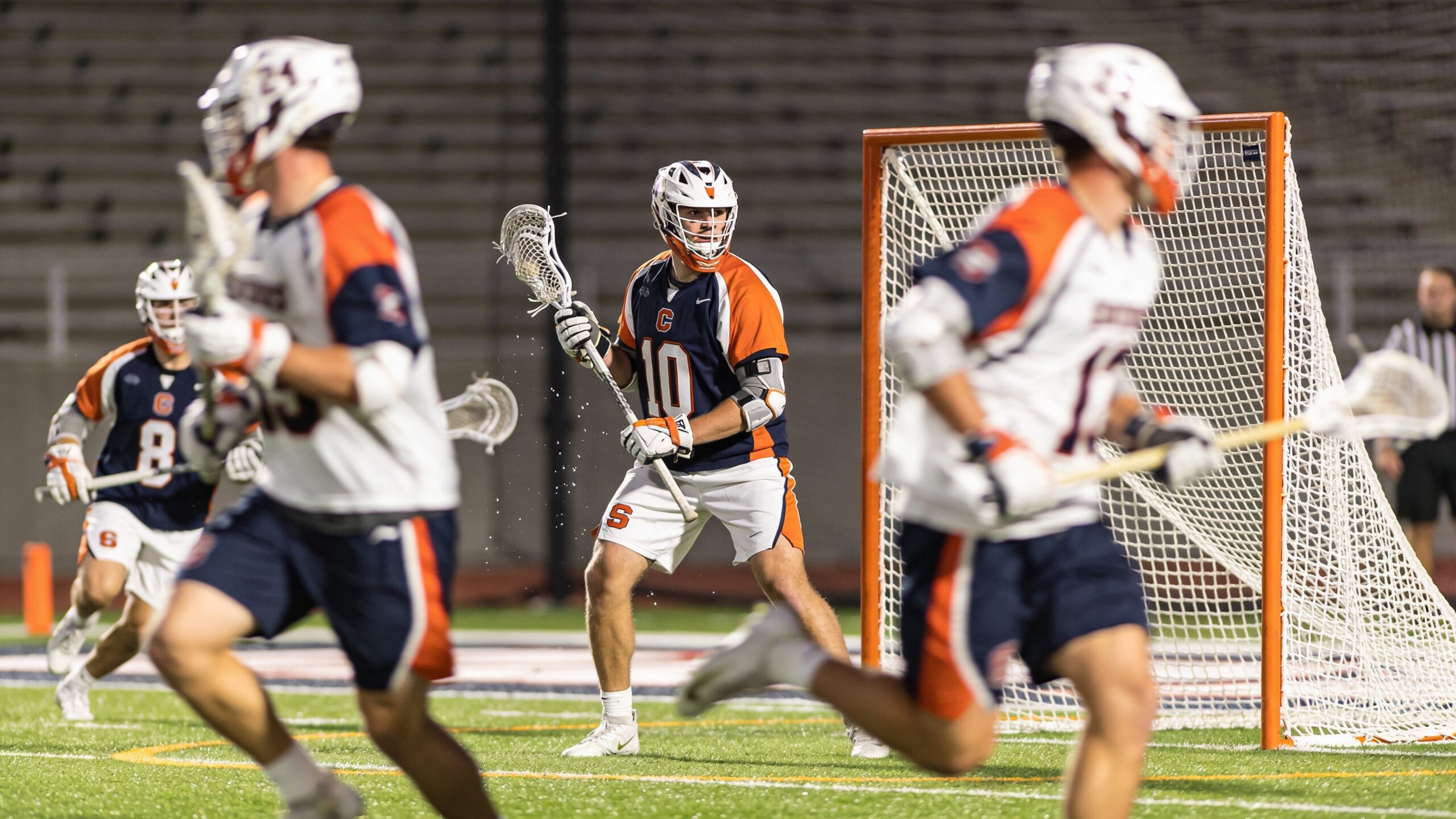
Youth lacrosse is fast, emotional, physical, and thrilling to watch, which is exactly why body contact rules matter so much. The sport asks young players to move at speed, protect space, chase ground balls, and challenge opponents with confidence, but it also demands control. For coaches, parents, and players, one of the biggest questions in youth lacrosse is where the line exists between legal physical play and dangerous contact. That line can feel blurry in real time, especially when a collision happens in the middle of a loose-ball scrum or a defender steps in to stop a driving attacker. Understanding the rules changes everything. It helps players play harder without playing recklessly, and it helps adults teach the game in a way that protects both development and safety. Body contact rules in youth lacrosse are not designed to remove intensity from the sport. They are there to shape it. At younger age levels, the rules often limit or narrow the types of contact players can make because skill development, balance, awareness, and decision-making are still growing. As players mature, the game may allow more controlled contact, but the expectation never changes: contact must be legal, purposeful, and safe. That means no launching, no blindside hits, no checks delivered with reckless force, and no contact aimed at punishing an opponent instead of making a lacrosse play. The goal is not to create a timid version of lacrosse. The goal is to create a smarter one.
A: No. It often depends on age level and must stay within controlled, legal limits.
A: Not simply because they have the ball. Contact must still be safe, balanced, and legal.
A: Dangerous angle, late timing, excessive force, or contact that puts a player at risk.
A: Yes. Contact from behind is one of the clearest danger areas in youth play.
A: No. Protective gear reduces risk but does not excuse unsafe play.
A: Officials must judge speed, angle, control, and vulnerability in real time.
A: Improve footwork, balance, timing, and awareness instead of relying on force.
A: Yes. Fast approaches and crowded space often create risky contact decisions.
A: No. Youth rules are designed to support development and safety first.
A: Play hard, stay under control, and never let physicality replace technique.
Why Body Contact Rules Matter in Youth Lacrosse
The body contact conversation in youth lacrosse is really about more than penalties. It is about how the game is taught. When players learn early that position, footwork, stick angle, timing, and balance matter more than brute force, they build habits that stay with them for years. A defender who learns to meet an opponent squarely and guide them away from the goal is learning real lacrosse. An attacker who learns to protect space with body control instead of lowering a shoulder is learning how to stay effective under pressure. These rules encourage technique over chaos. They also protect the pace and quality of the game. Illegal body contact leads to stoppages, fear, frustration, and injury risk. Legal body contact, by contrast, allows the game to stay sharp and competitive. Young athletes play best when they know what is allowed and what is not. Uncertainty creates hesitation. Clarity creates confidence. A player who understands the rules can challenge harder, defend more cleanly, and absorb pressure without panicking. In that way, body contact rules are not a restriction on performance. They are a framework for better performance.
What Counts as Body Contact
Body contact in youth lacrosse generally refers to contact made with the body against an opponent in a way that affects movement, possession, or position. That can include holding a legal defensive position, matching a dodger’s path, making controlled contact from the front or side, or establishing space while pursuing the ball. The key is that legal body contact is usually controlled, balanced, and connected to a legitimate lacrosse action. It is not wild. It is not retaliatory. It is not meant to intimidate through sheer force.
This is where many misunderstandings begin. Some people hear the word contact and assume any bump is legal, or that any hard collision is simply part of the sport. That is not how youth lacrosse is structured. Even when body contact is permitted at certain levels, it must usually happen within very specific boundaries. Players are expected to keep contact upright, measured, and focused on the play. A player who lowers the shoulder and explodes through an opponent is not demonstrating toughness. More often, that player is demonstrating poor technique and poor judgment.
Legal Contact Versus Illegal Contact
The simplest way to understand the difference is to think about intent, angle, and force. Legal contact is usually made to defend, contain, or compete for a ball. Illegal contact is often made too late, from a dangerous angle, or with too much force. If a defender steps into a ball carrier while balanced and in control, that may be legal depending on the age level and specific rule set. If that same defender takes several running steps and drives upward or through the opponent, that is much more likely to be illegal. Timing matters too. Contact that happens while the player is actively involved in the play is judged differently from contact delivered after the ball is gone. A late hit is dangerous even if the initial body position looked acceptable. Angle matters because youth players are especially vulnerable when they are hit from behind or from the blind side. Force matters because the rules do not reward explosion for its own sake. The moment contact becomes excessive, violent, or disconnected from a valid play on the ball, officials are far more likely to penalize it.
The Importance of Age-Level Differences
One of the most important facts about youth lacrosse body contact rules is that they often vary by age group. Younger divisions usually place much tighter limits on body contact because players are still learning balance, spacing, and awareness. Older youth divisions may allow more contact, but even then the rules still emphasize control and safety. This means a move that might be legal in one division could be penalized in another.
That is why coaches and parents should never rely on memory alone, especially if they have watched high school, college, or professional lacrosse. Youth lacrosse is not simply a smaller version of the older game. It has its own developmental priorities. The sport recognizes that younger athletes need room to learn technique before they are asked to handle advanced physical play. That developmental ladder is healthy for the sport. It keeps players engaged, reduces avoidable injuries, and teaches them that physicality must be earned through skill and discipline.
Common Situations Where Contact Happens
Most body contact in youth lacrosse appears in a few predictable moments. One is on-ball defense, when a defender tries to contain a dodging attacker. Another is during ground-ball battles, when players close quickly from different angles and compete for space. Contact can also happen around the crease, in transition, or when players are riding and clearing. These moments are fast, emotional, and often messy, which is why proper technique is essential.
Ground balls are especially important because they create some of the most dangerous misunderstandings in youth play. Players see a loose ball and sprint at full speed, often without recognizing where opponents are coming from. Legal competition for a ground ball is part of lacrosse, but running through another player, making high contact, or initiating a collision without control is not. Coaches who teach players to break down, get low, keep their eyes up, and approach under control are doing more than teaching fundamentals. They are teaching safer lacrosse.
Body Position and Defensive Technique
Good youth defenders do not need to rely on reckless contact. Their best tools are footwork, balance, stick position, and anticipation. When defenders stay in front, move their feet, and angle attackers away from dangerous space, they reduce the need for desperate physical plays. Controlled body contact, when allowed, becomes an extension of smart positioning rather than a substitute for it.
This is an important coaching point because many young players mistakenly believe strong defense means hitting hard. In reality, strong defense usually looks quieter than that. It is the defender who arrives on time, stays square, keeps hands disciplined, and absorbs contact without losing shape. Players who chase big collisions often end up off-balance, out of the play, or in the penalty box. Players who understand legal contact learn to be firm without becoming reckless. That is the kind of physical maturity youth lacrosse tries to develop.
Dangerous Contact and Why Officials Watch It Closely
Officials pay especially close attention to contact that threatens player safety. Hits to the head or neck area, contact from behind, blindside hits, and excessive force are all major concerns in youth lacrosse. These are the moments that can change a game instantly and can also put players at real risk. Even if the player delivering the contact did not intend harm, officials will often judge the result and the level of danger created. That is why the phrase “I was just playing hard” does not carry much value when dangerous contact occurs. Playing hard is not a defense for unsafe play. Youth lacrosse wants intensity, but it insists that intensity be under control. A legal, tough, physical game is possible only when players understand that there are lines they cannot cross. When those lines are crossed, the rules are meant to respond clearly. That response protects not just the player who was hit, but every player on the field.
Teaching Players to Play Physical the Right Way
The best youth lacrosse programs do not avoid physicality. They teach it correctly. That starts with stance and posture. Players need to know how to approach under control, how to keep their center of gravity stable, and how to absorb contact without leaning, lunging, or launching. It continues with vision. Players must keep their eyes up, read space early, and recognize when an opponent is vulnerable. Physical play without awareness is where danger begins.
It also requires emotional control. Many illegal hits in youth sports happen not because a player misunderstood a rule, but because they got frustrated, excited, or embarrassed. A missed ground ball, a beaten defender, or a hard dodge can trigger a reckless reaction. Coaches who teach composure are teaching safety. Players need to know that the answer to losing a moment in lacrosse is to recover with footwork and effort, not to deliver a desperate hit. The strongest players in youth lacrosse are usually the ones who stay calm enough to make smart choices at full speed.
What Parents Should Understand From the Sideline
Parents often see contact and react instantly, especially when it involves their child. That reaction is understandable, but it helps to know what officials are looking for. Not every collision is a foul, and not every hard fall means illegal contact occurred. At the same time, not every dangerous play looks dramatic. A subtle push from behind or a high, glancing hit can be more concerning than a loud but legal bump delivered squarely and under control.
The sideline experience improves when parents understand the purpose of the rules. They are not there to soften the game into something unrecognizable. They are there to make sure young athletes learn the right version of lacrosse. When adults reinforce that message, players benefit. A player who hears “move your feet” and “play under control” learns more than a player who hears “hit somebody” every time pressure rises. Youth lacrosse grows best when competition and safety are treated as partners rather than opposites.
How Players Can Avoid Penalties for Illegal Contact
The smartest players reduce body contact penalties by mastering details. They arrive under control instead of sprinting wildly into a challenge. They keep their heads up. They avoid lowering their shoulders. They defend with angles instead of desperation. They understand that the best physical play is often subtle, balanced, and timely rather than explosive. That kind of discipline stands out.
Players can also help themselves by knowing the rhythm of a play. Late hits are often unnecessary hits. If the ball is already gone, the moment has passed. If an opponent has turned away and become vulnerable, the smart play is to pull off and reset. Young athletes sometimes think backing off shows weakness, but in lacrosse it often shows maturity. The best defenders and midfielders know when to engage and when to stop. Rule knowledge gives them that edge.
Building a Better Youth Lacrosse Culture
When body contact rules are explained well, they improve the entire culture of youth lacrosse. Coaches teach better. Players compete smarter. Parents watch with more understanding. Officials enforce the game with more consistency. Most importantly, young athletes learn that physical play is not about domination through force. It is about timing, courage, discipline, and respect. That lesson matters beyond one season. Players who grow up in an environment that values clean play tend to carry those habits forward. They become more complete athletes because they understand how to use their bodies efficiently and responsibly. They also become better teammates because they recognize that safety and competitiveness can exist together. A great youth lacrosse game should feel fast and fierce, but it should also feel fair. That is the standard body contact rules are trying to protect.
The Bottom Line on Youth Lacrosse Body Contact Rules
Youth lacrosse body contact rules are best understood as a teaching tool wrapped inside a rulebook. They help define what real toughness looks like in the sport. Real toughness is not flying into contact without control. It is staying balanced, making smart decisions, defending with technique, and competing hard without crossing the line into danger. That is the version of lacrosse that helps young players develop with confidence. For anyone involved in the youth game, the message is clear. Learn the age-level rules. Teach body control before body contact. Reward smart positioning over reckless impact. Respect the difference between physical play and dangerous play. When that happens, youth lacrosse becomes what it should be: exciting, fast, competitive, and safe enough for players to grow into the sport the right way. The game does not lose its edge when contact is taught properly. It becomes sharper, cleaner, and far more enjoyable for everyone around it.