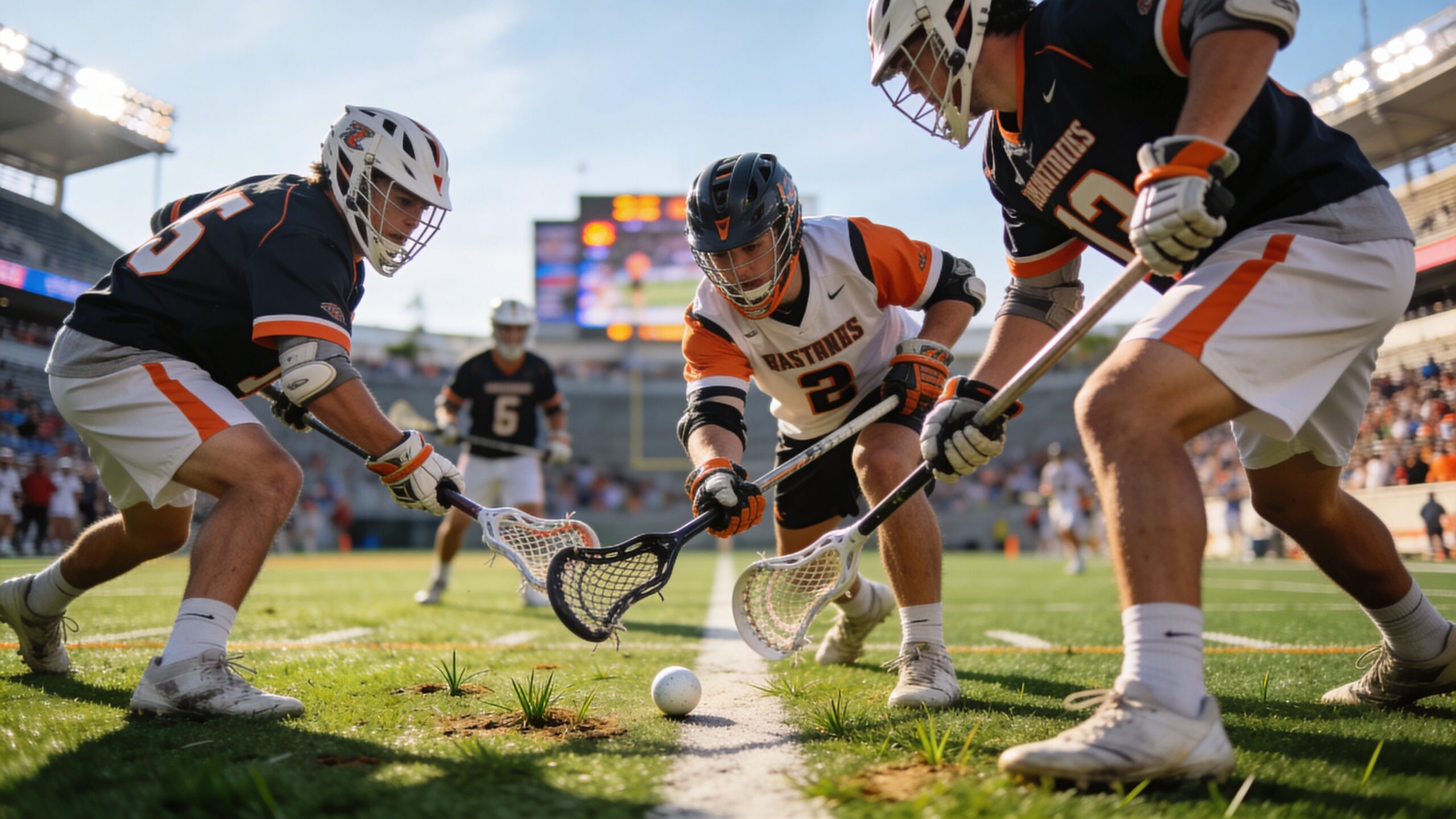
Lacrosse is often described as the fastest game on two feet, but for young players it is also one of the most carefully structured sports when it comes to development. Unlike many games where children simply play a scaled-down version of the adult sport, lacrosse evolves step by step as players grow older. From the first time a child picks up a plastic stick in youth leagues to the faster, more physical competition seen in high school and beyond, the rules of lacrosse change to match skill level, safety concerns, and physical maturity. Understanding age-based lacrosse rules is important for parents, coaches, and players alike. These guidelines ensure that beginners learn fundamentals before facing complex strategies or intense contact. As players mature, the field expands, equipment becomes more advanced, and rules gradually allow for greater speed, physicality, and tactical depth. The result is a progression system designed to teach skills, protect young athletes, and maintain the excitement that has made lacrosse one of the fastest-growing sports in North America.
A: Usually introduced in older youth or early teen divisions depending on league rules.
A: Smaller fields help younger players stay involved in the action.
A: Yes, especially helmets, gloves, and pads for safety.
A: Typically shorter quarters than high school or college games.
A: Many leagues encourage rotation to build all-around skills.
A: It keeps the ball secure while players run or dodge defenders.
A: A restart where two players battle for possession after a goal.
A: Yes, especially regarding contact and protective equipment.
A: Midfielders typically cover the most distance.
A: Passing, catching, and ground ball control.
Why Lacrosse Uses Age-Based Rules
Lacrosse organizations carefully adjust rules to balance learning with safety. Younger players are still developing coordination, awareness, and confidence, so the game must emphasize fundamentals over competition. By modifying field size, contact rules, and equipment requirements, youth leagues create an environment where children can focus on passing, catching, and teamwork. Another reason for age-based rules is injury prevention. Lacrosse involves sticks, fast-moving balls, and physical contact. Introducing these elements gradually helps players develop technique before encountering more aggressive play. This approach protects developing bodies while also building respect for the game’s structure and sportsmanship. As players move through different divisions, they are gradually introduced to the full version of the sport. Each level adds new elements: longer passes, faster transitions, defensive pressure, and eventually legal body contact. The progression ensures that by the time athletes reach high school, they are ready for the pace and complexity of competitive lacrosse.
Early Youth Lacrosse: Learning the Basics
At the youngest levels—often called “8U” or “Under 8”—lacrosse looks more like a learning clinic than a competitive sport. The primary focus is simply helping children become comfortable with the stick and ball. Games are played on smaller fields, sometimes half the size of a standard lacrosse field, and teams typically have fewer players. Contact is usually not allowed at this level. Instead, players are encouraged to focus on stick skills such as scooping ground balls, cradling while running, and making short passes. Many leagues even use softer balls to reduce fear and injury risk.
Coaches often spend more time teaching than referees spend enforcing rules. The goal is participation and confidence rather than winning. Young players begin to understand the rhythm of the sport—how possession changes, how teammates move together, and how scoring works. By the end of this stage, children should feel comfortable holding the stick and participating in simple game situations.
The Next Step: Building Fundamental Skills
As players move into the next age group, usually around ages nine and ten, the game begins to resemble traditional lacrosse more closely. The field becomes larger, teams may increase to standard sizes, and the pace of play picks up. However, the rules still emphasize skill development. Body checking remains illegal, and defensive players rely primarily on stick checks and positioning. This helps athletes learn proper defensive techniques before physical contact is introduced later. At this stage, players also begin learning more structured positions. Coaches introduce offensive spacing, defensive coverage, and the basics of transition play. Faceoffs, substitutions, and penalty rules are also explained in greater detail. Children start to understand that lacrosse is not just about chasing the ball but about working as a coordinated team.
Pre-Teen Divisions: Introducing Game Strategy
By the time players reach ages eleven and twelve, the structure of the game becomes much closer to the standard version of lacrosse. Fields are typically full size, and teams play with the full number of players. At this level, strategy begins to play a larger role. Players learn offensive sets designed to create scoring opportunities. Cutting, passing sequences, and off-ball movement become key parts of the game. Defenses start using slides and rotations, which require communication and awareness.
While body checking is still restricted or limited in many leagues, physical play gradually increases. Players learn how to protect themselves with proper positioning and how to maintain control while under pressure. The emphasis remains on skill, but the competitive nature of lacrosse becomes more apparent.
Teen Lacrosse: Preparing for Full Competition
In early teen divisions—often around ages thirteen and fourteen—the sport begins to resemble high school lacrosse. The speed of play increases dramatically, and athletes become stronger and more confident with their sticks. Some leagues introduce controlled body checking at this stage. This change marks an important transition, as players must learn not only how to deliver checks legally but also how to receive contact safely. Coaches focus heavily on technique and discipline to prevent unnecessary penalties or injuries.
Game strategies become more sophisticated as well. Fast breaks, ride-and-clear systems, and defensive slides are practiced regularly. Players must think quickly and communicate constantly. The field may look the same as before, but the intensity of the game rises significantly.
High School Lacrosse: The Full Game
By high school, lacrosse rules closely match those used in college and advanced competition. Players experience the full speed and physical nature of the sport. Body checking is legal in boys’ lacrosse when performed correctly, and the pace of transitions can be extremely fast.
Offensive and defensive strategies reach their most complex levels. Teams use structured plays, ride systems, and man-up or man-down formations. Goalkeepers face faster shots and must coordinate closely with defenders. At this level, the game demands athleticism, skill, and tactical understanding. The gradual rule progression from youth leagues ensures that players arrive prepared for these challenges.
Differences Between Boys’ and Girls’ Youth Lacrosse
Age-based rules also vary depending on whether the game is played in boys’ or girls’ divisions. Boys’ lacrosse traditionally includes body contact at higher levels, while girls’ lacrosse focuses more on stick skills, speed, and positioning.
In girls’ youth lacrosse, contact rules remain strict even as players grow older. Protective equipment and field markings also differ slightly between the two versions of the sport. Despite these differences, the developmental philosophy remains the same: introduce complexity and intensity gradually as players mature.
Equipment Changes as Players Grow
Age-based lacrosse rules do not only affect gameplay—they also influence equipment. Younger players often use shorter sticks and lighter protective gear to make learning easier. Helmets, gloves, and pads may be simplified to keep the focus on comfort and movement. As athletes grow stronger and the game becomes more physical, equipment evolves as well. Sticks become longer, particularly for defensive players, and protective gear becomes more advanced. Proper equipment ensures both safety and performance as players face faster shots and stronger opponents. Goalkeeper equipment also changes with age. Younger goalies may face slower shots, but by high school the speed of the ball can exceed ninety miles per hour. Protective gear must adapt accordingly to protect the athlete while allowing quick movement and reflexes.
How Rule Progression Improves Player Development
The gradual evolution of lacrosse rules serves an important purpose: it helps players develop naturally without overwhelming them. When beginners focus on fundamentals first, they build strong habits that carry into advanced play.
This step-by-step approach also keeps the sport enjoyable. Young players gain confidence as they master new skills, and each new rule level introduces fresh challenges. Instead of facing the full intensity of the sport immediately, athletes grow into it. Coaches often credit this developmental structure for the rapid growth of lacrosse programs. By prioritizing learning and safety, youth leagues encourage participation and long-term commitment to the game.
The Role of Coaches and Officials
Coaches and referees play a crucial role in enforcing age-based lacrosse rules. While written guidelines provide the framework, it is the responsibility of adults involved in the sport to ensure that games remain safe and educational.
Coaches must teach proper technique, particularly when players reach age groups where contact becomes legal. Officials must enforce penalties consistently to prevent dangerous play. When everyone works together, the progression of the sport remains both exciting and responsible. Parents also play an important role by understanding the purpose behind rule changes. Each stage of the game is designed to support player development rather than simply mirror the adult version of lacrosse.
Why Age-Based Rules Matter for the Future of Lacrosse
Age-based lacrosse rules are more than just adjustments to gameplay—they represent a philosophy about how young athletes should learn sports. By introducing complexity gradually, the game ensures that players develop skills, confidence, and respect for the sport. This system has helped lacrosse expand rapidly in schools and youth leagues across North America and beyond. New players can join the sport without feeling overwhelmed, and experienced athletes continue to challenge themselves as they grow. From the first simple pass in youth leagues to the high-speed strategies of high school competition, the evolution of lacrosse rules mirrors the development of the athletes themselves. Each stage prepares players for the next, ensuring that by the time they reach advanced levels, they are ready for the thrilling pace and strategy that define the sport.