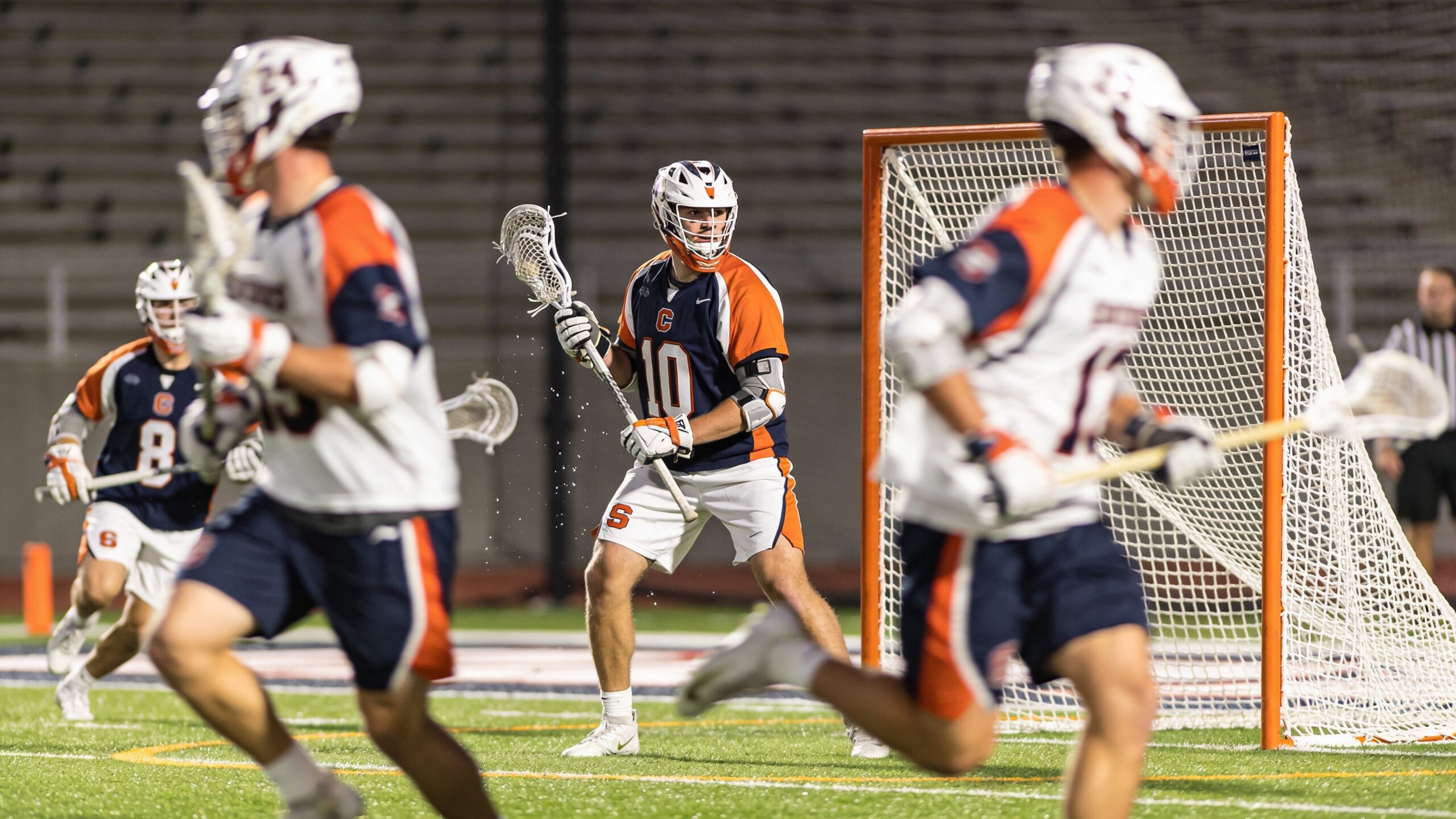
Lacrosse is one of the fastest games in sports, and substitutions are a huge reason why. While goals, checks, and highlight-reel saves often grab the spotlight, the flow of a lacrosse game is quietly shaped by who comes on, who runs off, and how quickly teams can make those changes. Substitution rules keep the sport organized, fair, and fast, while also opening the door to strategy, specialization, and momentum swings. For new fans, the constant movement can seem chaotic. For players and coaches, it is one of the most important tactical parts of the game. Understanding lacrosse substitution rules makes the sport easier to watch and smarter to play. It explains why midfield lines rotate so often, why teams sprint through the sideline area after a whistle, and why certain players appear only in specific situations. Once you know how substitution works, you start to see the hidden structure behind the speed. You also begin to appreciate how much discipline and timing it takes to change personnel without giving up an advantage.
A: Yes, in many forms of lacrosse, especially men’s field lacrosse, players can substitute on the fly.
A: Most live substitutions happen through the designated substitution box area.
A: The team can be penalized for having too many players on the field.
A: They run the most and often switch between offense and defense, so they rotate frequently.
A: Yes, dead-ball situations like goals often allow more controlled substitutions.
A: No, details can vary by league, age group, and ruleset.
A: They help teams create better matchups, manage fatigue, and respond to transition moments.
A: It is the sideline area where players legally enter and leave during many substitutions.
A: Yes, teams often use special man-up and man-down units during penalty situations.
A: Communication, timing, awareness, and disciplined execution under pressure.
Why Substitutions Matter So Much in Lacrosse
Unlike some sports where the same core group stays on the field for long stretches, lacrosse is built around constant motion and frequent personnel changes. Players cover a large field, transition quickly from offense to defense, and often specialize in different parts of the game. Midfielders may run both ways, attackmen focus on scoring pressure, defenders lock down matchups, and faceoff specialists appear for one of the most important moments of possession. Substitutions help teams manage stamina while also matching the right players to the right moment. Because lacrosse is so fast, substitutions are not only about rest. They are also about tactics. A coach may send in stronger defenders after a turnover, add a specialist for a man-up opportunity, or rotate a fresh midfield line to push the tempo. These changes can happen in seconds, and they can completely reshape the next phase of play. A well-executed substitution can create an advantage. A sloppy one can lead to confusion, penalties, or an easy goal for the other team.
The Basic Idea Behind Lacrosse Substitution Rules
At the most basic level, lacrosse allows teams to substitute players during the game, but those changes must follow specific rules. The exact details can vary depending on the level of play and whether the game uses field lacrosse rules for men, women, high school, college, or international formats. Still, the general principle stays the same: players must enter and leave legally, teams must remain within the allowed number of players, and substitutions usually happen through a designated area.
In men’s field lacrosse, substitutions are commonly made “on the fly,” which means they can happen while play continues. This is one of the defining features of the sport. Instead of waiting for stoppages, teams can change personnel in live action through the substitution box, also called the special substitution area. That creates nonstop action and rewards teams that are organized, conditioned, and aware. Players have to know exactly when to sprint off and when their replacement can step on.
The Substitution Box and Why It Is Important
The substitution box is central to understanding lacrosse substitutions. This designated sideline area is where most legal player changes occur during live play. It is not just a convenience zone. It is a controlled space that keeps substitutions orderly and prevents teams from flooding the field with extra players. When a player exits and another enters, it usually happens through this area, with strict attention to timing.
This box becomes especially important during transitions. When possession changes and teams want to swap offensive players for defensive ones, or vice versa, the substitution box becomes a hub of organized chaos. Midfielders run through, defensive midfielders hop on, long-stick specialists rotate in, and coaches shout instructions from the sideline. Teams that master the box often look smoother and more disciplined. Teams that do not can end up with too many men on the field or players stranded out of position.
On-the-Fly Substitutions Explained
One of the most exciting parts of lacrosse is the ability to substitute during live play. On-the-fly substitutions allow teams to keep the game moving without constant whistles. This is especially common with midfield lines, since midfielders do so much running and often need frequent relief. A player runs off through the substitution area, and only after that player is sufficiently off the field can the replacement legally enter.
Timing matters here. If a player enters too soon, before the exiting player has fully cleared in a legal way, the team risks a penalty for having too many players on the field. This is why substitution discipline is drilled so heavily in practice. Even a team with elite talent can get burned if it handles substitutions carelessly. On-the-fly changes are not random; they are rehearsed, deliberate, and often built into transition strategy.
Dead-Ball Substitutions and Set Changes
Not every substitution happens during live play. Many also occur during dead-ball situations, such as after a goal, a penalty, a timeout, or an out-of-bounds call. These stoppages give coaches a more controlled chance to send in specific units or make tactical adjustments. Because the pace is briefly paused, players can communicate more clearly and line up with greater structure. Dead-ball substitutions are especially useful when a team wants to reset after a hectic stretch. A coach may bring in a fresh midfield line, substitute a short-stick defensive midfielder, or prepare a faceoff specialist for the restart. These moments also reduce the risk of illegal substitution because the players have a bit more time to organize. Even so, teams still need to know the rules, because not every stoppage allows unlimited wandering or late changes once officials are ready to restart play.
Counting Players and Avoiding Illegal Numbers
Every lacrosse team must stay within the legal number of players on the field. In men’s field lacrosse, that generally means ten players per side, including the goalie. Substitution rules are designed to preserve that number at all times. If a team accidentally puts an extra player on the field, even for a few moments, it can be flagged for too many men.
This may sound simple, but in a fast game it becomes more challenging than many people expect. Players may get caught in long transition runs, misunderstand a coach’s signal, or hesitate while leaving the field. The result can be a split-second overlap that creates a violation. Officials watch for this closely, especially near the substitution box. Good teams develop clean habits so that players know exactly when to enter, when to leave, and how to avoid unnecessary penalties.
The Role of Midfield Lines in Substitution Strategy
Midfield is where substitution strategy becomes most visible. Because midfielders often play both offense and defense, they are constantly rotating in and out. Many teams use full midfield lines that work together, with players learning each other’s pace, habits, and responsibilities. These lines may be switched during live play after a clear, after a shot, or when the ball moves to a safer area for change.
The chemistry of a midfield line matters. A group that substitutes well can keep pressure high, recover faster, and avoid being caught in bad matchups. Some lines are more offensive and designed to attack early in transition. Others are more defensive and meant to protect against fast breaks. Coaches use substitution patterns to shape the identity of each line, and the best teams make those changes look seamless even at full speed.
Offense-Defense Specialists and the Modern Lacrosse Game
Modern lacrosse has become increasingly specialized, and substitution rules make that possible. Teams often use offensive midfielders who thrive in half-field sets and defensive midfielders who excel at containing dodges and winning ground balls. Long-stick midfielders may come on for defensive possessions, while extra attack-minded players appear when a team needs offense. These changes often happen rapidly through the substitution box.
This specialization gives coaches more options, but it also demands more awareness from players. A midfielder cannot simply run until tired and wander off. The timing has to match the flow of the game. If an offensive midfielder stays on too long after a turnover, the team may be exposed defensively. If a defensive specialist enters too early, the team could commit a substitution violation. The rule structure allows creative roster usage, but it punishes sloppy execution.
Fast Breaks, Slow Breaks, and Substitution Risks
One reason substitution timing is so important is because lacrosse transitions can explode in an instant. A team may think it has time to change personnel, only to see the ball reverse direction and race back the other way. This is where dangerous moments happen. If players are midway through a substitution and the opponent attacks quickly, the team can be caught with poor spacing, mismatched defenders, or temporary numerical confusion.
Coaches teach players to read the situation before substituting. Is possession secure? Is the ball moving away from the goal? Is there enough time to make the switch safely? A smart substitution depends on field awareness. Sometimes the best decision is not to substitute at all. The rulebook allows changes, but the game punishes teams that treat every moment as safe. Good lacrosse players learn that substitution is part instinct, part communication, and part discipline.
Faceoffs and Special Substitution Situations
Faceoffs create unique substitution situations because they restart play with possession up for grabs. Teams often use specialists known as faceoff players or faceoff midfielders who are experts at clamping, countering, and creating quick possession. Once the draw is complete, that specialist may stay on the field or immediately run off for a different midfielder, depending on the team’s strategy and the player’s strengths.
These moments highlight how substitution rules support tactical depth. A player may be essential for one narrow phase of play, then replaced seconds later. This can happen legally, but only if the substitution is executed properly through the correct area and timing. Faceoff wings also have to be alert because possession can flip quickly. What begins as a set restart can instantly become live transition, which means everyone involved must understand when a substitution is smart and when it is too risky.
Penalties, Man-Up, and Man-Down Adjustments
Penalty situations change substitution patterns dramatically. When a player serves time for a foul, the team plays short for the duration of the penalty unless rules at a specific level state otherwise in certain circumstances. Coaches respond by sending out specialized man-down defenders or carefully designed man-up offensive units. These personnel packages rely heavily on substitution organization. During a man-up opportunity, teams often bring in their most composed passers and shooters. During a man-down stretch, they may rely on defenders with strong communication and quick recovery skills. The substitution rules still matter because changes must happen legally and efficiently. A team already dealing with a penalty cannot afford another mistake in the substitution box. In these moments, good substitution habits become even more valuable because every detail is amplified.
Common Illegal Substitution Mistakes
One of the most common mistakes is sending a replacement onto the field before the exiting player has fully left in a legal way. This can create an extra-man situation, even if it lasts only briefly. Another frequent issue is entering or leaving outside the proper substitution area when the rules require use of the box. In a sport played at such high speed, little moments of carelessness can quickly become penalties.
Another problem comes from confusion during transition. Players may think possession is settled when it is not, or may mishear a sideline instruction and head off at the wrong time. Young teams especially can struggle with spacing around the substitution box, leading to traffic jams or rushed entries. These errors are teachable, which is why coaches spend so much time on substitution drills. The goal is to make legal changes automatic, even under pressure.
How Coaches Use Substitutions as a Tactical Weapon
The best coaches do not just substitute to rest tired players. They use substitutions to control tempo, create matchups, and respond to game flow. A coach may send in a bigger defensive unit to protect a lead, rotate a quicker midfield line to pressure the clear, or use fresh offensive players after a long defensive stand. These adjustments are subtle, but they can shift the rhythm of a game.
Substitution strategy also reveals how well-prepared a team is. Organized teams change cleanly, communicate clearly, and rarely waste possessions with confusion. They know when to push and when to slow down. They understand how to use the substitution box almost like an extension of the playbook. That is why experienced observers often watch substitutions as closely as they watch stick skills. The personnel flow tells you a lot about how a team thinks.
Differences Across Levels of Play
Although the core ideas stay similar, substitution rules can look slightly different depending on whether the game is youth, high school, college, professional, or women’s lacrosse. The number of players, timing procedures, field markings, and enforcement details may vary. That is why players, parents, and coaches should always check the specific rule set being used for their league or tournament.
Still, the broad themes remain consistent. Players must substitute legally, teams must maintain the right number on the field, and timing matters. Whether the level is beginner or elite, substitutions are a critical part of safe and fair play. Learning the general framework makes it much easier to adapt to any official rulebook. Once you understand the purpose behind the rules, the small differences become easier to follow.
Why Learning Substitutions Makes You Smarter About the Game
For beginners, lacrosse can seem like a blur. But once you understand substitutions, the game becomes far clearer. You begin to notice midfield rotations, situational specialists, defensive recoveries, and sideline communication. What once looked random starts to look highly organized. The substitution game is one of lacrosse’s hidden engines, powering everything from tempo to matchups.
For players, mastering substitution rules is not optional. It is part of being trustworthy on the field. Coaches need players who know how to enter, exit, communicate, and react under pressure. For fans, this knowledge adds a new level of enjoyment. You start to see the sport not just as a series of passes and shots, but as a living chess match played at sprint speed. That is one of the reasons lacrosse is so exciting. Its substitutions are not pauses in the action. They are part of the action itself.
Final Thoughts on Lacrosse Substitution Rules
Lacrosse substitution rules may seem technical at first, but they are one of the sport’s most important foundations. They protect fairness, keep the pace flowing, and allow teams to use strategy in creative ways. From on-the-fly midfield changes to special man-up units, substitutions shape nearly every phase of the game. When done well, they are almost invisible. When done poorly, they can change a result in an instant. That is what makes them so fascinating. Substitutions sit at the crossroads of conditioning, awareness, teamwork, and tactical planning. They are a reminder that lacrosse is not only fast, but smart. Every sprint to the box, every timed entry, and every clean change helps turn chaos into structure. Once you understand that, you do not just watch lacrosse differently. You appreciate it on an entirely new level.