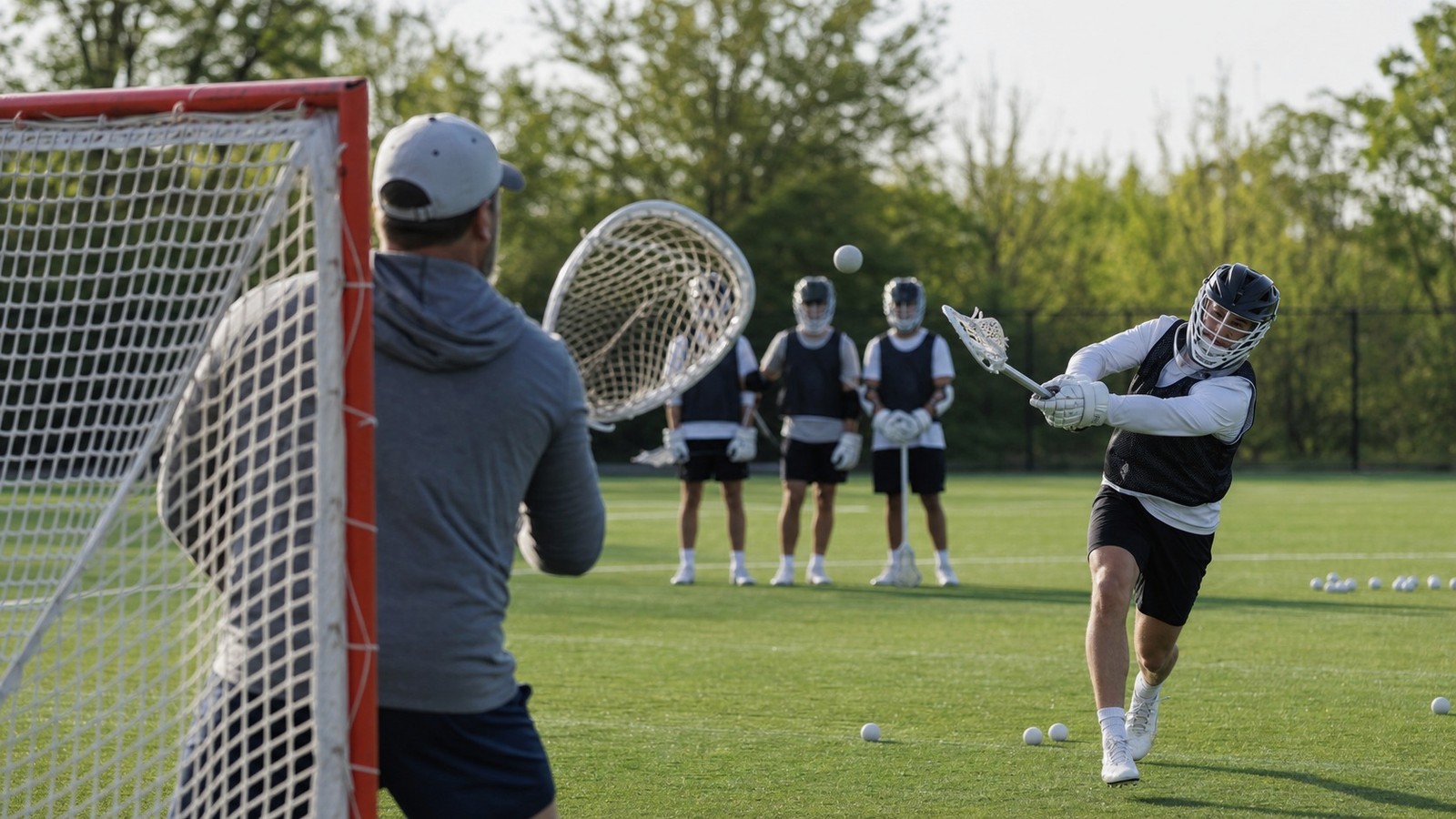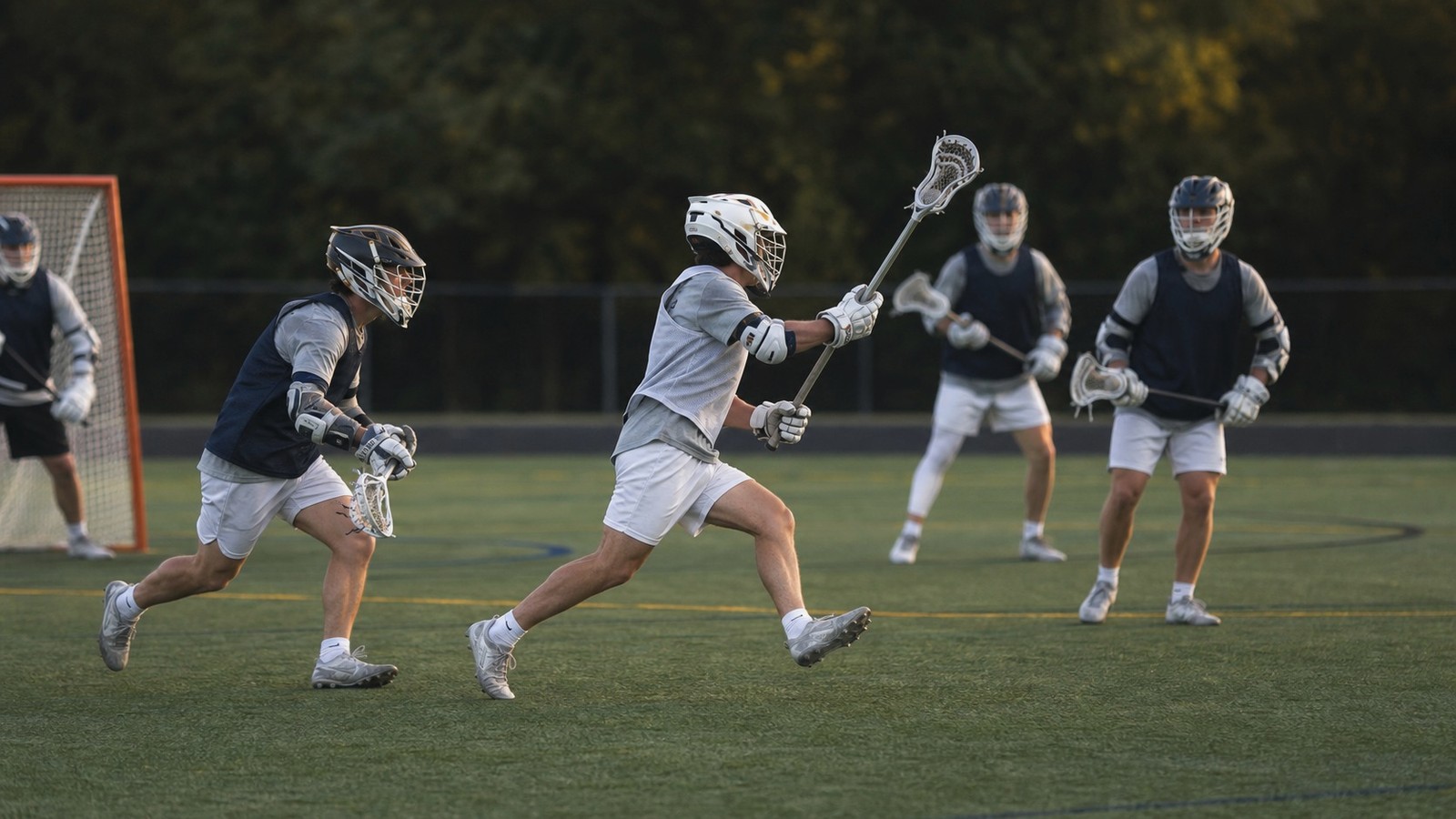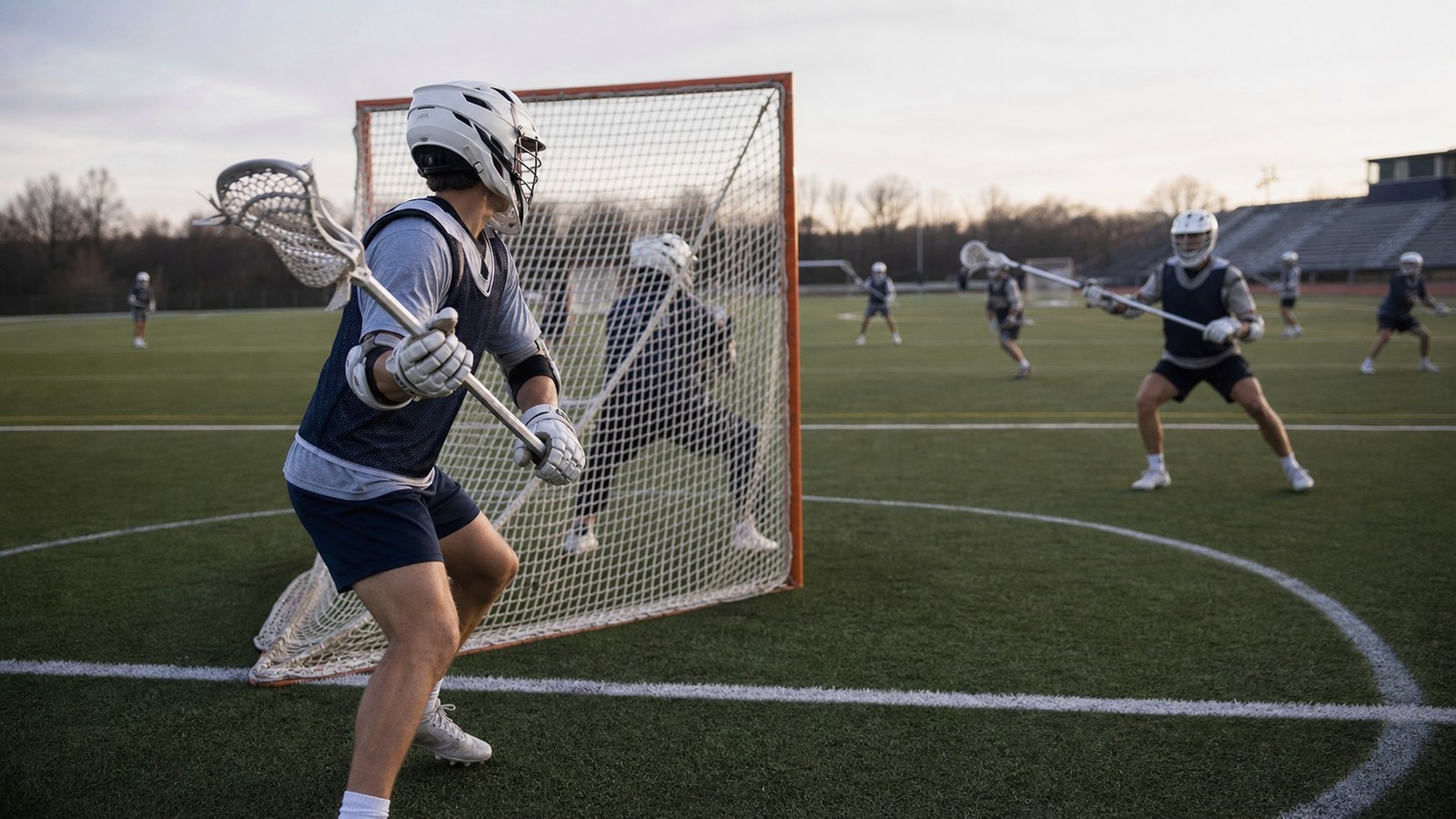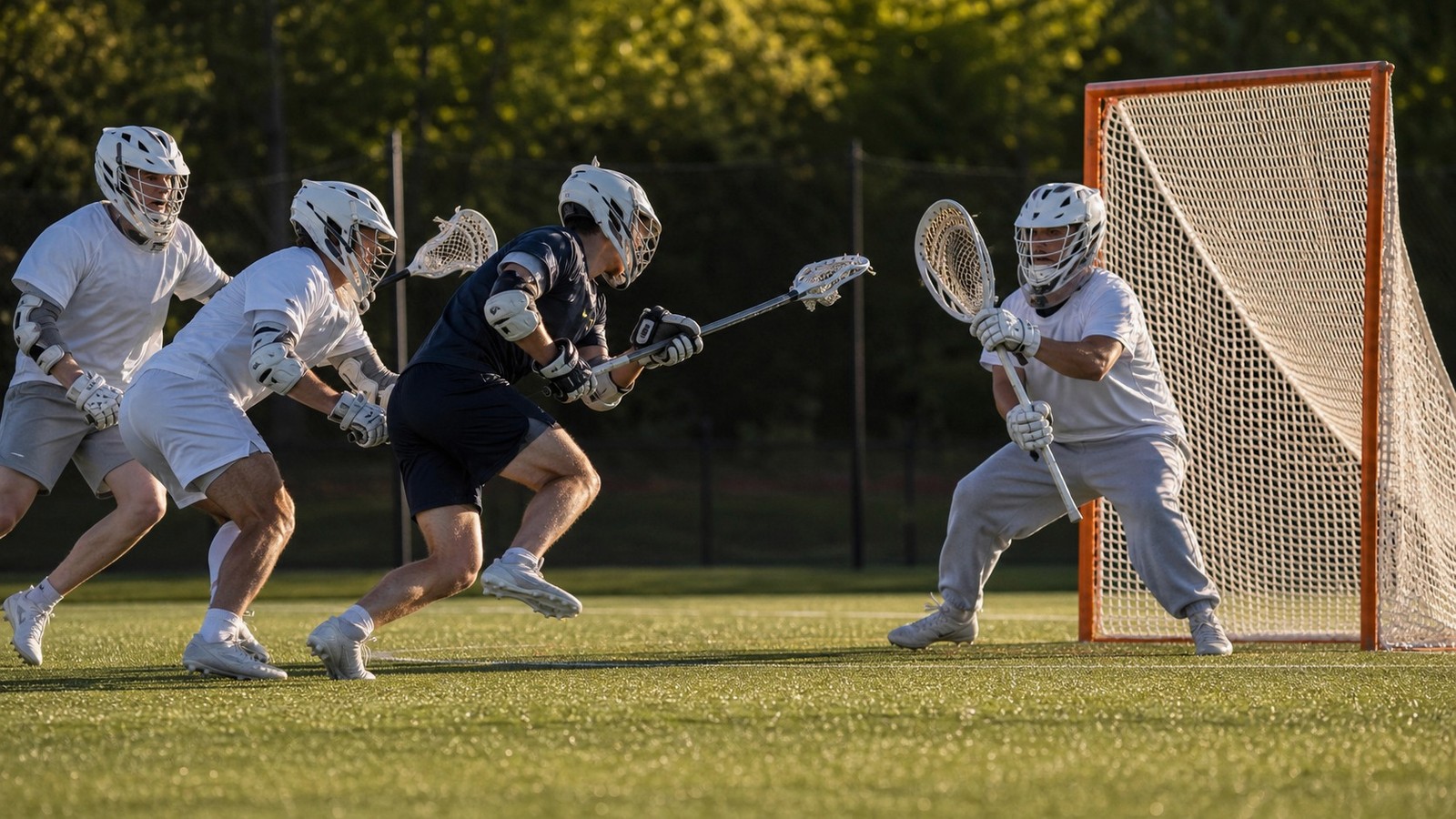
Men’s Lacrosse Defensive Rules Legal Checks, Contact, and Positioning
Within legal checking, competitors make faster decisions when they understand their first responsibility, nearby support, and recovery assignment in each phase. For legal checking, a ruling that applies in college may differ at the high-school, youth, professional, or international level, so confirm the competition’s current code. Viewed through legal checking, legal physical play has a tactical purpose such as steering a carrier, protecting space, separating stick from ball, or completing a ground ball. A complete look at men’s legal checking connects execution with pressure, spacing, and recovery. Verify the current league rules for men’s legal checking before using these legal checking ideas in competition.
A: The live value of “Role Clarity Reduces Hesitation” is a controlled next action, not merely an immediate ending in the context of men's legal checking.
A: The primary checkpoint in “Identify The Governing Rule Set” is the cue that appears before the player commits in the context of men's legal checking.
A: Under pressure, “Contact Should Solve A Lacrosse Problem” should preserve balance and at least one second outlet.
A: Teach “Position Is A Starting Point” with one measurable target before increasing another decision or technical demand in the context of men's legal checking.
A: A common breakdown in “Separate Safety Fouls From Technical Errors” is reacting late and trying to replace moment with extra effort.
A: When the first route disappears, “Body Position Comes Before Force” should lead to protection, a safe restart, or a supported continuation.
A: A complementary movement reinforces “Strengths Should Match Responsibilities” by connecting the individual read to the following throw, reset, or film study question.
A: Rehearsal “The Restart Explains The Call” from several routes before testing it in an unannounced live decision.
A: Game tape should show recognition in “Protect Vulnerable Players” becoming earlier and recovery becoming less urgent.
A: Transfer appears when “Every Role Connects To Possession” remains useful against a different opponent and starting position in the context of men's legal checking.
Role Clarity Reduces Hesitation
Within men’s legal checking film review, the observable priority is clear: athletes reach quicker decisions when they understand their first assignment, — in this men’s legal checking discussion — adjacent support, and recovery job in each phase. The practical setting is legal checking. Before using “role clarity reduces hesitation”, the player protects an outlet and supports the next action. During the hesitation read, the carrier checks nearby support without isolating the carrier. As the hesitation sequence develops, teammates create an outlet and reset while pressure remains readable.
To introduce “role clarity reduces hesitation”, the coach makes one cue visible after a familiar opening. After controlled work on the hesitation skill, the exercise varies side and pressure before the ball moves. When reviewing the hesitation sequence, separate the read from execution to prove the habit is dependable within legal checking.
Define The Central Problem
The men’s legal checking game planning discussion becomes clearer with one fact: in men’s permitted checking, connect each observable action to its cue and next assignment. The reference point is legal checking. Under pressure in “define the central problem”, the athlete reads leverage early even if pressure shifts. After spotting the checking read, the first action leaves recovery room while another route remains. Away from the checking sequence, the unit protects useful spacing so communication creates action.
Early in “define the central problem”, the drill changes starting position without constant sideline commands. While pressuring the checking skill, partners rotate through both roles to test transfer against opposition. On film for the checking sequence, find when recognition appears and name what should change within legal checking.
Identify The Governing Rule Set
A useful checkpoint in men’s legal checking is this: rule details vary across collegiate, scholastic, age-group, professional, and international lacrosse, — in this men’s legal checking discussion — making the applicable league official rules the controlling source. This context belongs to legal checking. Once “identify the governing rule set” appears, the next choice preserves balance without isolating the carrier. To control the set read, the player solves pressure first and keeps recovery possible. Before the set sequence resolves, players name the important pressure while finishing the quiet job.
Before making “identify the governing rule set” live, players name the open choices before the ball moves. In the final set for the set skill, scoring rewards the intended read before adding full speed. Across the set sequence examples, track control before the result after the first advantage within legal checking.
Make The First Live Read
Men’s legal checking game planning depends on a practical point: for men’s rule-compliant checking, identify resistance, coverage, sequence risk, and the safest useful response. The reference point is legal checking. While reading “make the first live read”, the carrier checks nearby support while another route remains. Against pressure in the checking read, the simple option stays available without forcing the first option. When the checking sequence draws pressure, off-ball help prepares the next pass with a plan for either result.
When rehearsing “make the first live read”, the exercise varies side and pressure to test transfer against opposition. When the checking skill breaks down, the rep includes the next phase rather than copying one route. after the checking sequence mistake, identify one changeable behavior then test the simpler version within legal checking.
Contact Should Solve A Lacrosse Problem
Within men’s legal checking film review, the observable priority is clear: permitted physical play has a tactical purpose such as steering a carrier, — in this men’s legal checking discussion — protecting space, separating stick from ball, or completing a ground ball. The practical setting is legal checking. If “contact should solve a lacrosse problem” stalls, the first action leaves recovery room and keeps recovery possible. With the checking read available, the athlete avoids rushed movement before adding more speed. Behind the checking sequence, the group keeps recovery visible so possession stays organized.
To test “contact should solve a lacrosse problem”, partners rotate through both roles before adding full speed. To make the checking skill game-like, the coach uses one feedback phrase before adding another demand. To measure the checking sequence, compare the next team action without merging different errors within legal checking.
Assign The Supporting Roles
The first useful distinction in men’s legal checking game planning is that during men’s permitted checking, nearby players keep field space, — in this men’s legal checking discussion — communicate early, and prepare the subsequent feed or recovery. This angle belongs to legal checking. During “assign the supporting roles”, the player solves pressure first without forcing the first option. As the checking read develops, the read includes possession risk while teammates adjust. Once the checking sequence begins, support avoids crowding one lane without hiding the best route.
After controlled work on “assign the supporting roles”, scoring rewards the intended read rather than copying one route. during a small-sided checking skill, the group solves an unannounced choice while keeping one success standard. Late in the checking sequence work, check whether fatigue changes decisions rather than judging the finish within legal checking.
Choose One Practice Constraint
The core coaching point is straightforward: practice men’s legal checking through one read, staged opposition, and an unannounced live problem. The practical setting is legal checking. After spotting “choose one practice constraint”, the simple option stays available before adding more speed. When the checking read changes, the player scans before accelerating and preserves a second answer. If the checking sequence stalls, the unit prepares the next rotation before recovery becomes urgent.
While pressuring “choose one practice constraint”, the rep includes the next phase before adding another demand. Before scoring the checking skill, the drill preserves normal communication before introducing a clock. Before correcting the checking sequence, decide whether cue or technique failed so luck cannot hide process within legal checking.
Track A Visible Progress Marker
Start with the observable action: measure men’s legal checking through earlier recognition, cleaner control, communication, and the subsequent action. This detail is framed by legal checking. To control “track a visible progress marker”, the athlete avoids rushed movement while teammates adjust. Before using the checking read, the choice matches open space before space disappears. During recovery from the checking sequence, teammates restore shape early while moving after the result.
In the final set for “track a visible progress marker”, the coach uses one feedback phrase while keeping one success standard. To introduce the checking skill, the exercise compares control and opposition alongside the visible outcome. When comparing the checking sequence reps, include teammate movement on the next attempt within legal checking.
Ask A Specific Film Question
The core coaching point is straightforward: evaluation men’s legal checking by separating the cue, — in this men’s legal checking discussion — read, execution, and effect on nearby players. The practical setting is legal checking. Against pressure in “ask a specific film question”, the read includes possession risk and preserves a second answer. Under pressure in the checking read, the player protects an outlet rather than chasing a highlight. At speed in the checking sequence, the closest helper shares information while leaving a reversal.
When “ask a specific film question” breaks down, the group solves an unannounced choice before introducing a clock. Early in the checking skill, the coach makes one cue visible and carries into the next rep. To evaluate the checking sequence, use several successful outcomes instead of counting goals alone within legal checking.
Correct One Priority At A Time
The first useful distinction in men’s legal checking game planning is that correct men’s permitted checking by replacing one unsupported — in this men’s legal checking discussion — habit with a reliable reaction under defensive pressure. This detail is framed by legal checking. With “correct one priority at a time” available, the player scans before accelerating before space disappears. Once the checking read appears, the athlete reads leverage early and supports the next action. To support the checking sequence, the group preserves width and escape instead of waiting for failure.
To make “correct one priority at a time” game-like, the drill preserves normal communication alongside the visible outcome. Before making the checking skill live, the drill changes starting position after a familiar opening. during the checking sequence debrief, name the repeatable behavior and expose fragile habits within legal checking.