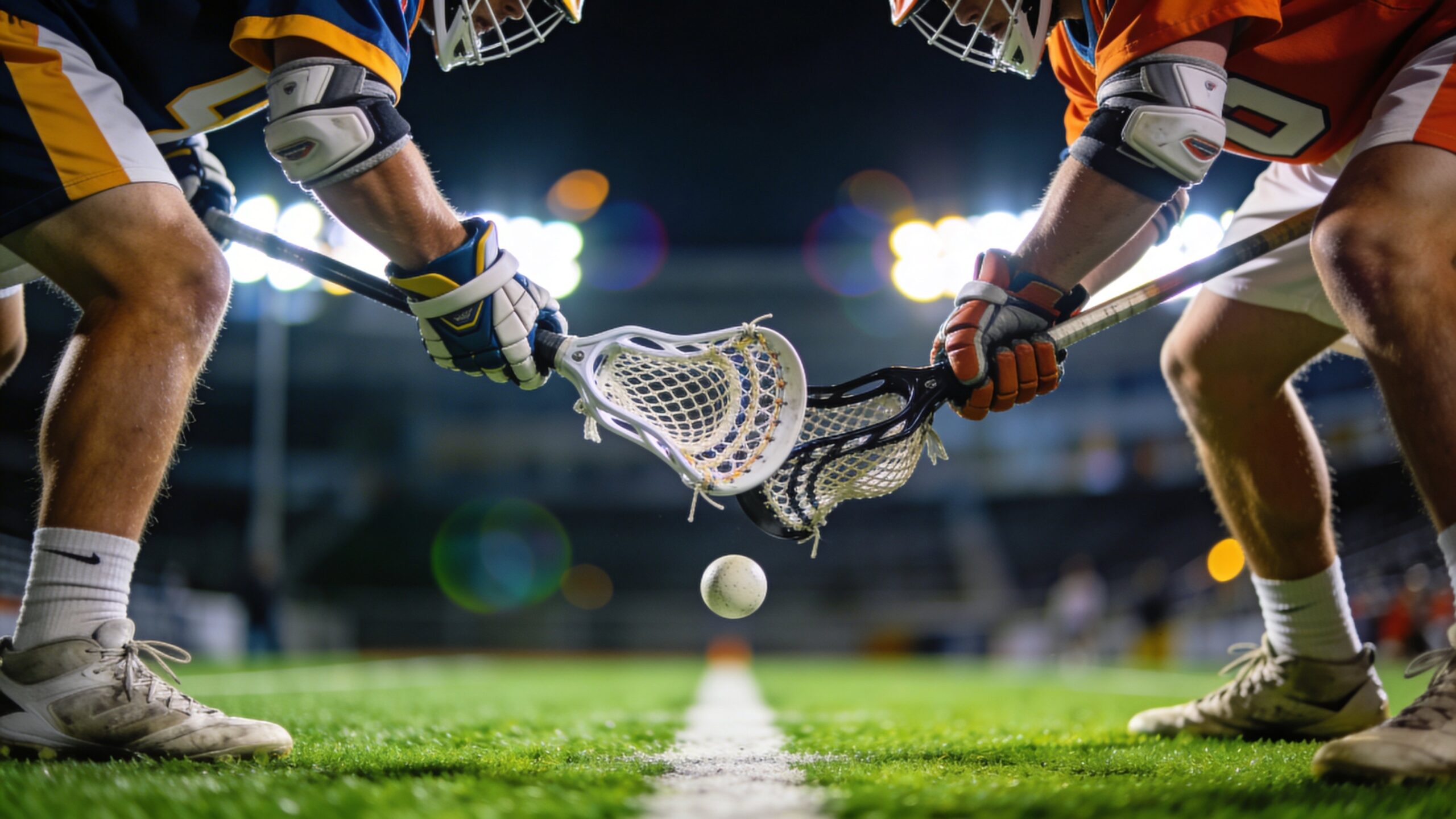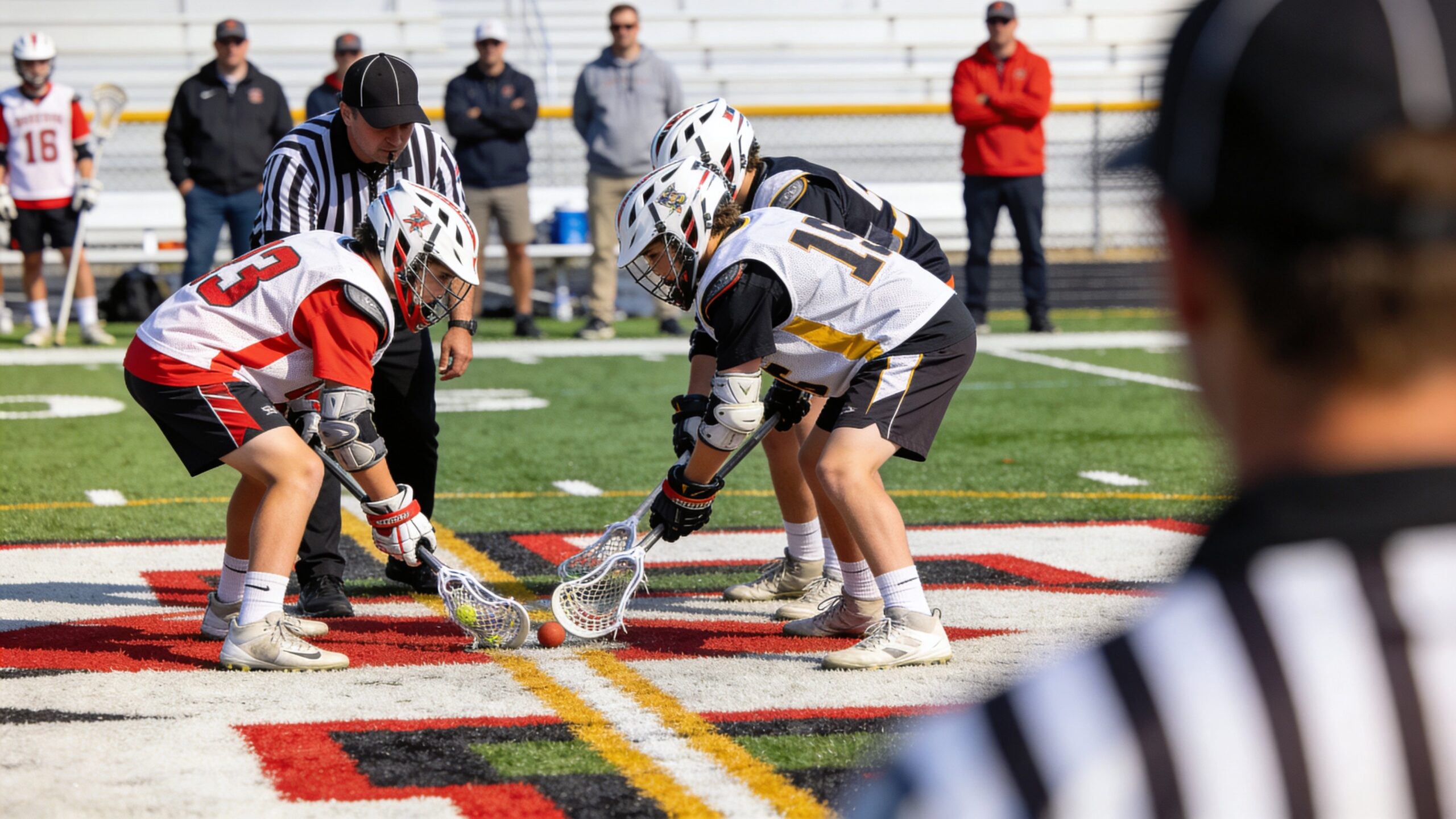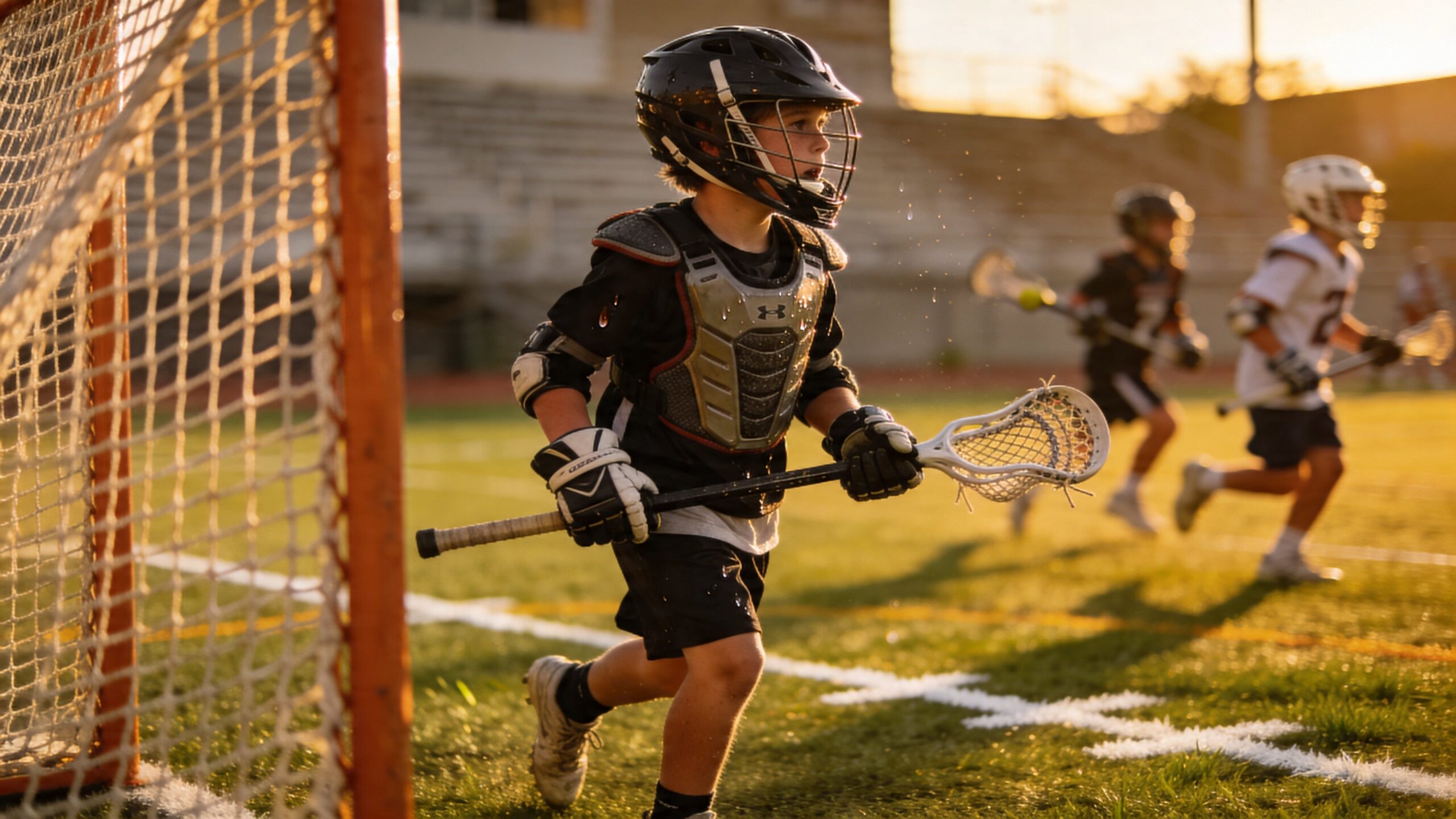
Youth lacrosse is fast, strategic, and full of moments that can change in an instant. Few positions shape those moments more dramatically than goalie. The goalie is not just the last line of defense. In many situations, the goalie is also the first spark of transition, the calmest decision-maker under pressure, and sometimes the boldest player on the field. That is why one of the most common questions for parents, new players, and even developing coaches is simple but important: when can goalies leave the crease in youth lacrosse? The short answer is that goalies can leave the crease in many situations, but the timing, purpose, and risk all matter. The crease is designed to protect the goalie in certain moments, yet it is not a permanent cage. A skilled youth goalie learns when to stay home, when to step out, when to chase a loose ball, and when to become an active part of the clearing game. Understanding these moments helps young athletes play smarter, not just harder.
A: Yes, goalies can leave the crease during many live-ball situations.
A: Only when it clearly improves the play or helps win possession.
A: To open a better passing lane and start the clear more effectively.
A: It can be, especially if the net is exposed or attackers are already closing in.
A: Hesitating between staying in and going out, which often creates confusion.
A: Yes, details can vary, so teams should always check their league’s current rule set.
A: Repetition, communication, and practice in realistic game situations.
A: It is also about positioning, angles, and smart defensive organization.
A: Absolutely, especially with strong outlet passing after saves.
A: Calm reads, smart movement, and confidence both inside and outside the crease.
Why the Crease Matters So Much
The crease is one of the most important spaces on the lacrosse field because it defines the goalie’s protected area and helps organize play around the goal. For youth players, it also creates a clear visual boundary that teaches positioning and awareness. The goalie begins as the anchor of the defense from inside this area, directing teammates, reading cutters, and preparing for shots. The crease gives structure to a position that can otherwise feel chaotic to beginners. But the crease is not only about safety and positioning. It is also about decision-making. A goalie standing inside the crease has certain advantages, including a better sense of angles and, in many rule sets, special protections from interference. At the same time, staying inside too long can limit the team’s ability to react quickly. The best youth goalies learn that the crease is a tool, not a trap. It offers security, but it should not create hesitation. That is why coaches often spend so much time teaching crease awareness. A young goalie who understands the crease well will look more confident, make quicker choices, and recover faster after the ball changes hands. In youth lacrosse, that confidence can change the entire rhythm of a game.
The Basic Rule: Goalies Are Allowed to Leave
One of the biggest misunderstandings in youth lacrosse is the belief that goalies must always stay in the crease. That is not true. Goalies are allowed to leave the crease and play the ball outside of it. Once they do, however, they are often treated more like a field player in certain situations, depending on the rule set being used in that league.
This is where youth lacrosse becomes a teaching sport as much as a competitive one. Younger players are not just learning what is legal. They are learning what is wise. A goalie can step out to scoop a ground ball, chase an errant pass, support a clear, or cut off an angle before an attacker gets too comfortable near the cage. Leaving the crease is often completely legal. The real question is whether it is the right decision at the right time. That distinction matters because many mistakes happen not from breaking a rule, but from leaving too late, too early, or for the wrong reason. A smart youth goalie does not leave the crease just because they can. They leave because they have read the situation correctly.
Loose Balls and Scramble Situations
One of the most common times a goalie leaves the crease is during a loose-ball scramble near the goal. In youth lacrosse, these moments happen constantly. A shot bounces off the pipe, a pass skips off a stick, or a rebound drops in front of the crease and suddenly everyone is charging toward the ball. The goalie must make a split-second choice: stay put and protect the net, or attack the loose ball before an opposing player can gain control. In many cases, goalies are allowed to leave the crease to scoop a ground ball. In fact, aggressive play in these moments can prevent easy second-chance goals. A goalie who reacts quickly can turn danger into possession. That is a huge advantage, especially in youth games where loose-ball fundamentals often decide momentum.
Still, these plays must be approached with discipline. A goalie who lunges recklessly at every nearby ball can create open-net opportunities. Coaches often teach young goalies to read distance, teammate support, and attacker pressure before making that move. If the defense has position and the ball is rolling away from the danger area, staying balanced in the crease may be smarter. If the ball is sitting free just outside the line with attackers closing fast, stepping out can be the perfect play. These are the moments that separate panic from poise. Youth goalies who learn how to read loose-ball chaos gain a major edge.
Clearing the Ball After a Save
Another major reason goalies leave the crease is to begin the clear. After making a save, the goalie often becomes the quarterback of the defense. A fast and accurate outlet pass can turn a stop into a scoring opportunity. In youth lacrosse, clearing is one of the first advanced skills that transforms a goalie from a shot-stopper into a complete player. Sometimes the goalie stays in or near the crease to throw that outlet. Other times, they step out to improve the passing angle or create more space from nearby pressure. This can be especially useful when the defense is spreading the field and trying to avoid a ride. Stepping out calmly can open up a cleaner passing lane and help the entire team reset.
What matters most is body control and awareness. A rushed goalie who leaves the crease without scanning the field may throw directly into trouble. A composed goalie who steps out with purpose can make the clear look effortless. In youth play, that difference is often dramatic. One leads to a turnover and a quick shot against. The other creates a fast break going the other way. This is why many coaches encourage goalies to practice outlet passing just as seriously as they practice saves. Leaving the crease during a clear is not a gamble when it is done with vision and timing. It becomes an offensive weapon.
Chasing Shots That Go Behind the Goal
Shots that miss the cage and bounce behind the end line can create another crease decision for youth goalies. When the ball ricochets away, the goalie may be tempted to sprint out and track it down before an attacker can restart play or recover possession. Whether that is the right move depends on the angle, support, and tempo of the moment. Some youth goalies are excellent at turning and exploding behind the cage to make a quick play on a loose ball. Others are better served by recovering their positioning, communicating with defenders, and letting a close defender handle the chase. There is no universal answer for every sequence. The best choice depends on who is closest, where the attack is rotating, and how quickly the defense can reorganize.
What coaches usually want is not constant aggression, but controlled aggression. If the goalie leaves the crease to pursue the ball, that decision should come with urgency and confidence. Hesitation is where mistakes happen. A half-step out of the crease with no commitment can leave the net exposed while still failing to win the ball. Youth goalies improve quickly when they learn one simple principle: if you go, go fully. If you stay, stay ready. That mindset reduces confusion and builds trust with the defense.
When Leaving the Crease Becomes Risky
Just because a goalie can leave the crease does not mean every opportunity is worth taking. Some of the riskiest moments in youth lacrosse happen when a goalie wanders too far from the cage without a clear reason. Overpursuing a ground ball, drifting into traffic, or chasing a pass that a defender could handle can all create unnecessary danger. The biggest risk is obvious: the goal is left unprotected. Young attackers may miss opportunities at lower levels, but they still notice an empty cage. As the level of play improves, leaving the net unattended for even a second can lead to easy scores. Youth goalies must learn that bravery and discipline go together. Good goalie play is not about constant movement. It is about efficient movement.
Another risk involves stick protection and player contact. Outside the crease, the goalie may not enjoy the same practical comfort level they feel inside it. They can get pressured faster, forced into rushed decisions, and stripped of the ball if they are careless. That is why coaches teach goalies to leave the crease with a plan for what comes next. Scoop and run. Scoop and pass. Step and clear. Never drift without purpose. A goalie who understands risk becomes much more dependable. That dependability is one of the most valuable traits in youth lacrosse.
Age Levels, League Rules, and Why Details Matter
One important truth about youth lacrosse is that not every league handles every situation in exactly the same way. Rules can vary by age group, organization, and whether the game follows a local format or a broader national rule structure. That means coaches and families should always check the current rules for their specific league. Still, the bigger concept remains consistent across youth development: goalies are not frozen inside the crease. They are active players who must understand how and when to move out of it. The exact boundaries of contact, timing, restarts, and pressure may differ slightly from one rule book to another, but the developmental lesson stays the same. A young goalie should learn the purpose of the crease, the opportunities outside it, and the responsibilities that come with both. This is especially important for parents who are new to the sport. A play that looks reckless may actually be smart. A play that looks aggressive may actually be routine. The more everyone around a youth goalie understands the role, the more confident that player can become.
The Mental Side of Leaving the Crease
For many young goalies, the hardest part of leaving the crease is not physical. It is mental. The crease feels safe. Stepping outside of it can feel like stepping into chaos. That fear is normal, especially for beginners who are still learning angles, passing lanes, and recovery movement. Confidence grows through repetition. Coaches help by creating drills that show goalies exactly when to attack a loose ball, when to retreat, and when to make the first pass of the clear. Over time, the goalie stops seeing the crease line as a boundary of fear and starts seeing it as part of a bigger map.
This mental shift is powerful. A goalie who trusts their reads becomes more vocal, more athletic, and more composed. They stop reacting late and start anticipating. They understand that leaving the crease is not abandoning the goal. It is often protecting the team in a different way. That confidence also spreads. Defenders play faster when they trust their goalie’s decisions. Midfielders break out earlier when they know the clear is coming. Coaches can call more aggressive schemes when the goalie looks calm under pressure. One player’s decision-making can influence the entire field.
Coaching Young Goalies to Make Smart Choices
The best way to teach crease decisions in youth lacrosse is through simple, repeatable cues. Coaches often remind goalies to ask three quick questions in live play: Is the ball truly mine? Is the net still protected? What is my next move if I leave? Those questions create structure in the middle of fast action. Practice should reinforce this with realistic situations. Loose-ball drills near the crease, save-to-outlet drills, communication drills with defenders, and recovery drills after missed shots all help a young goalie understand movement beyond the crease. These repetitions build instinct. Instead of freezing, the goalie begins to read the play naturally.
It also helps when coaches praise smart restraint, not just bold aggression. Sometimes the best decision is staying home. Youth players should learn that patience can be just as impressive as hustle. A goalie who makes five smart non-moves in a game may help the team more than one who makes a single dramatic chase outside the crease. The goal is not to create fearless chaos. It is to create intelligent confidence.
Common Mistakes Youth Goalies Make
Many young goalies make similar mistakes when learning how to leave the crease. Some rush out without securing the angle or checking where attackers are coming from. Others hesitate halfway, neither committing to the loose ball nor recovering fully to the cage. Some make the play successfully but then forget the next step, holding the ball too long or throwing a rushed pass into traffic. Another common issue is overconfidence after one good play. A goalie may make an excellent ground-ball scoop outside the crease early in the game, then start chasing every ball afterward. Youth lacrosse punishes patterns that become predictable. Smart play comes from reading the moment, not repeating the same response every time.
These mistakes are all part of development. The key is learning from them. Film study, sideline teaching, and simple post-game conversations can help young goalies understand what they saw and why a different choice might have worked better. Over time, the game slows down.
The Real Answer to the Crease Question
So, when can goalies leave the crease in youth lacrosse? They can leave during many live-ball situations, especially to pursue loose balls, improve clearing angles, and support their team in transition. The crease is a protected working area, but it is not a permanent restriction. The smarter question is not whether they are allowed to leave. It is when leaving helps more than staying. That is where real goalie development begins. A great youth goalie learns that every step outside the crease carries both opportunity and responsibility. Leave too little, and chances disappear. Leave too often, and risk grows. The best players find the balance. In the end, the crease is not just a painted circle around the goal. It is a classroom. It teaches timing, discipline, courage, and awareness. And when a young goalie learns when to leave it, they begin to understand one of the deepest truths in lacrosse: the most important plays are not always the loudest ones. Often, they are the smartest.