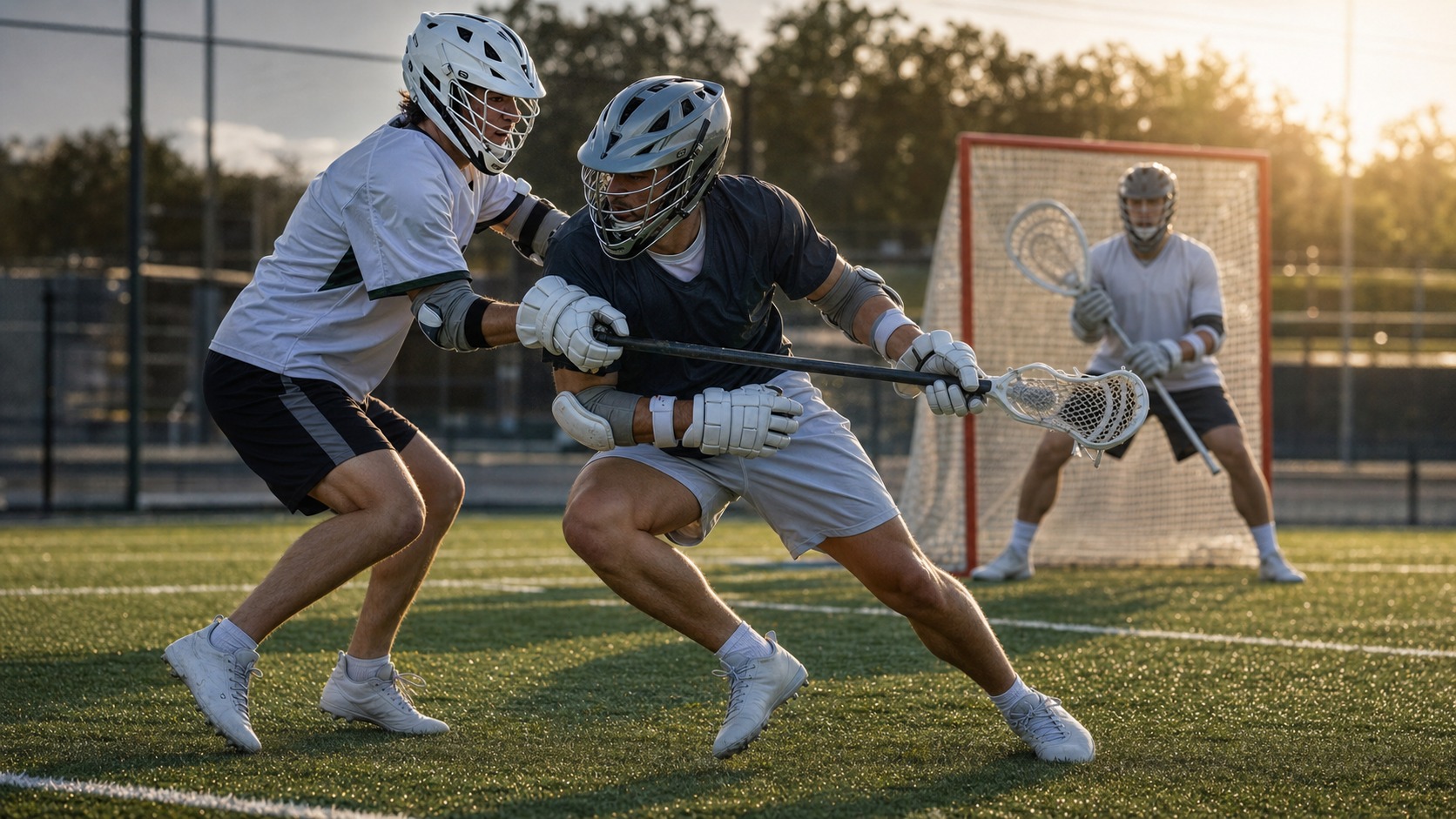
Offensive Midfielders Explained Dodging, Shooting, and Playmaking: A Clear Starting Point
Offensive Midfielders Explained Dodging, Shooting, and Playmaking is easiest to understand when players connect the visible action to the decisions around it. This guide focuses on technique, progressive practice, game-speed decisions, and measurable improvement. It explains what a player should notice, how the responsibility fits the larger game, which beginner mistakes reduce effectiveness, and how coaches can build improvement without removing realistic choices. Lacrosse changes quickly, so useful instruction cannot stop at a diagram or definition. Players must recognize space, pressure, teammates, possession value, and the likely next phase. The details below move from basic context into technique, tactics, practice design, and evaluation. New players can use the sequence as a roadmap, while experienced athletes can use it to identify small habits that have become inconsistent. The objective is not to prescribe one style for every team. It is to provide dependable principles that remain useful when formations, opponents, and game situations change.
A: Notice the cue before the action, stay controlled through pressure, and judge whether the choice helps the next phase of Offensive Midfielders Explained Dodging, Shooting, and Playmaking.
A: Notice the cue before the action, stay controlled through pressure, and judge whether the choice helps the next phase of Offensive Midfielders Explained Dodging, Shooting, and Playmaking.
A: Notice the cue before the action, stay controlled through pressure, and judge whether the choice helps the next phase of Offensive Midfielders Explained Dodging, Shooting, and Playmaking.
A: Notice the cue before the action, stay controlled through pressure, and judge whether the choice helps the next phase of Offensive Midfielders Explained Dodging, Shooting, and Playmaking.
A: Notice the cue before the action, stay controlled through pressure, and judge whether the choice helps the next phase of Offensive Midfielders Explained Dodging, Shooting, and Playmaking.
A: Notice the cue before the action, stay controlled through pressure, and judge whether the choice helps the next phase of Offensive Midfielders Explained Dodging, Shooting, and Playmaking.
A: Notice the cue before the action, stay controlled through pressure, and judge whether the choice helps the next phase of Offensive Midfielders Explained Dodging, Shooting, and Playmaking.
A: Notice the cue before the action, stay controlled through pressure, and judge whether the choice helps the next phase of Offensive Midfielders Explained Dodging, Shooting, and Playmaking.
A: Notice the cue before the action, stay controlled through pressure, and judge whether the choice helps the next phase of Offensive Midfielders Explained Dodging, Shooting, and Playmaking.
A: Notice the cue before the action, stay controlled through pressure, and judge whether the choice helps the next phase of Offensive Midfielders Explained Dodging, Shooting, and Playmaking.
Understanding the Central Idea: Offensive Midfielders Explained Dodging, Shooting, and Playmaking
For Offensive Midfielders Explained Dodging, Shooting, and Playmaking, purpose becomes useful only when it supports the next decision. The player gathers information before acting, stays balanced through the action, and recognizes whether the result creates an advantage or simply keeps the team organized. A dependable choice preserves balance, field awareness, and a realistic next option. Reviewing the cue and outcome makes the lesson transferable.
A practical way to understand context in Offensive Midfielders Explained Dodging, Shooting, and Playmaking is to connect it to a complete possession. The exact technique can change with location and pressure, but the underlying goal remains control, useful spacing, and a clear option if the first plan disappears. Game speed matters, but speed without control usually hides the exact habit that needs attention. The goal is reliable judgment, not a perfect-looking drill repetition.
Outcome is one of the clearest lenses for studying Offensive Midfielders Explained Dodging, Shooting, and Playmaking. In Positions & Roles, teammates depend on early recognition because one late choice can close a passing lane, expose transition, or force someone else to repair the possession. Small adjustments in angle and timing often produce more value than adding another complicated technique. It also gives coaches language that is specific without becoming complicated.
The Playing Environment Changes the Answer: Offensive Midfielders Explained Dodging, Shooting, and Playmaking
Players learning Offensive Midfielders Explained Dodging, Shooting, and Playmaking should treat space as a repeatable responsibility rather than an isolated trick. Coaches should build the idea first under manageable pressure, then add a defender, a time limit, or another option so the athlete must interpret a realistic cue. The best correction survives live play after cones, commands, and predictable routes are removed. That standard keeps practice connected to competition.
For Offensive Midfielders Explained Dodging, Shooting, and Playmaking, tempo becomes useful only when it supports the next decision. The player gathers information before acting, stays balanced through the action, and recognizes whether the result creates an advantage or simply keeps the team organized. The important detail is not a memorized movement but the information that makes the movement useful. Reviewing the cue and outcome makes the lesson transferable.
A practical way to understand pressure in Offensive Midfielders Explained Dodging, Shooting, and Playmaking is to connect it to a complete possession. The exact technique can change with location and pressure, but the underlying goal remains control, useful spacing, and a clear option if the first plan disappears. A dependable choice preserves balance, field awareness, and a realistic next option. The goal is reliable judgment, not a perfect-looking drill repetition.
Core Technique Players Can Repeat: Offensive Midfielders Explained Dodging, Shooting, and Playmaking
Balance is one of the clearest lenses for studying Offensive Midfielders Explained Dodging, Shooting, and Playmaking. In Positions & Roles, teammates depend on early recognition because one late choice can close a passing lane, expose transition, or force someone else to repair the possession. Game speed matters, but speed without control usually hides the exact habit that needs attention. It also gives coaches language that is specific without becoming complicated.
Players learning Offensive Midfielders Explained Dodging, Shooting, and Playmaking should treat hands as a repeatable responsibility rather than an isolated trick. Coaches should build the idea first under manageable pressure, then add a defender, a time limit, or another option so the athlete must interpret a realistic cue. Small adjustments in angle and timing often produce more value than adding another complicated technique. That standard keeps practice connected to competition.
For Offensive Midfielders Explained Dodging, Shooting, and Playmaking, footwork becomes useful only when it supports the next decision. The player gathers information before acting, stays balanced through the action, and recognizes whether the result creates an advantage or simply keeps the team organized. The best correction survives live play after cones, commands, and predictable routes are removed. Reviewing the cue and outcome makes the lesson transferable.
Reading the Defense Before Acting: Offensive Midfielders Explained Dodging, Shooting, and Playmaking
A practical way to understand leverage in Offensive Midfielders Explained Dodging, Shooting, and Playmaking is to connect it to a complete possession. The exact technique can change with location and pressure, but the underlying goal remains control, useful spacing, and a clear option if the first plan disappears. The important detail is not a memorized movement but the information that makes the movement useful. The goal is reliable judgment, not a perfect-looking drill repetition.
Support is one of the clearest lenses for studying Offensive Midfielders Explained Dodging, Shooting, and Playmaking. In Positions & Roles, teammates depend on early recognition because one late choice can close a passing lane, expose transition, or force someone else to repair the possession. A dependable choice preserves balance, field awareness, and a realistic next option. It also gives coaches language that is specific without becoming complicated.
Players learning Offensive Midfielders Explained Dodging, Shooting, and Playmaking should treat timing as a repeatable responsibility rather than an isolated trick. Coaches should build the idea first under manageable pressure, then add a defender, a time limit, or another option so the athlete must interpret a realistic cue. Game speed matters, but speed without control usually hides the exact habit that needs attention. That standard keeps practice connected to competition.
How the Skill Connects to Teammates: Offensive Midfielders Explained Dodging, Shooting, and Playmaking
For Offensive Midfielders Explained Dodging, Shooting, and Playmaking, spacing becomes useful only when it supports the next decision. The player gathers information before acting, stays balanced through the action, and recognizes whether the result creates an advantage or simply keeps the team organized. Small adjustments in angle and timing often produce more value than adding another complicated technique. Reviewing the cue and outcome makes the lesson transferable.
A practical way to understand communication in Offensive Midfielders Explained Dodging, Shooting, and Playmaking is to connect it to a complete possession. The exact technique can change with location and pressure, but the underlying goal remains control, useful spacing, and a clear option if the first plan disappears. The best correction survives live play after cones, commands, and predictable routes are removed. The goal is reliable judgment, not a perfect-looking drill repetition.
Trust is one of the clearest lenses for studying Offensive Midfielders Explained Dodging, Shooting, and Playmaking. In Positions & Roles, teammates depend on early recognition because one late choice can close a passing lane, expose transition, or force someone else to repair the possession. The important detail is not a memorized movement but the information that makes the movement useful. It also gives coaches language that is specific without becoming complicated.
Possession Decisions That Matter: Offensive Midfielders Explained Dodging, Shooting, and Playmaking
Players learning Offensive Midfielders Explained Dodging, Shooting, and Playmaking should treat risk as a repeatable responsibility rather than an isolated trick. Coaches should build the idea first under manageable pressure, then add a defender, a time limit, or another option so the athlete must interpret a realistic cue. A dependable choice preserves balance, field awareness, and a realistic next option. That standard keeps practice connected to competition.
For Offensive Midfielders Explained Dodging, Shooting, and Playmaking, selection becomes useful only when it supports the next decision. The player gathers information before acting, stays balanced through the action, and recognizes whether the result creates an advantage or simply keeps the team organized. Game speed matters, but speed without control usually hides the exact habit that needs attention. Reviewing the cue and outcome makes the lesson transferable.
A practical way to understand reset in Offensive Midfielders Explained Dodging, Shooting, and Playmaking is to connect it to a complete possession. The exact technique can change with location and pressure, but the underlying goal remains control, useful spacing, and a clear option if the first plan disappears. Small adjustments in angle and timing often produce more value than adding another complicated technique. The goal is reliable judgment, not a perfect-looking drill repetition.
Transition and the Next Phase: Offensive Midfielders Explained Dodging, Shooting, and Playmaking
Reaction is one of the clearest lenses for studying Offensive Midfielders Explained Dodging, Shooting, and Playmaking. In Positions & Roles, teammates depend on early recognition because one late choice can close a passing lane, expose transition, or force someone else to repair the possession. The best correction survives live play after cones, commands, and predictable routes are removed. It also gives coaches language that is specific without becoming complicated.
Players learning Offensive Midfielders Explained Dodging, Shooting, and Playmaking should treat organization as a repeatable responsibility rather than an isolated trick. Coaches should build the idea first under manageable pressure, then add a defender, a time limit, or another option so the athlete must interpret a realistic cue. The important detail is not a memorized movement but the information that makes the movement useful. That standard keeps practice connected to competition.
For Offensive Midfielders Explained Dodging, Shooting, and Playmaking, recovery becomes useful only when it supports the next decision. The player gathers information before acting, stays balanced through the action, and recognizes whether the result creates an advantage or simply keeps the team organized. A dependable choice preserves balance, field awareness, and a realistic next option. Reviewing the cue and outcome makes the lesson transferable.
Common Errors and Practical Corrections: Offensive Midfielders Explained Dodging, Shooting, and Playmaking
A practical way to understand mistake in Offensive Midfielders Explained Dodging, Shooting, and Playmaking is to connect it to a complete possession. The exact technique can change with location and pressure, but the underlying goal remains control, useful spacing, and a clear option if the first plan disappears. Game speed matters, but speed without control usually hides the exact habit that needs attention. The goal is reliable judgment, not a perfect-looking drill repetition.
Feedback is one of the clearest lenses for studying Offensive Midfielders Explained Dodging, Shooting, and Playmaking. In Positions & Roles, teammates depend on early recognition because one late choice can close a passing lane, expose transition, or force someone else to repair the possession. Small adjustments in angle and timing often produce more value than adding another complicated technique. It also gives coaches language that is specific without becoming complicated.
Players learning Offensive Midfielders Explained Dodging, Shooting, and Playmaking should treat transfer as a repeatable responsibility rather than an isolated trick. Coaches should build the idea first under manageable pressure, then add a defender, a time limit, or another option so the athlete must interpret a realistic cue. The best correction survives live play after cones, commands, and predictable routes are removed. That standard keeps practice connected to competition.