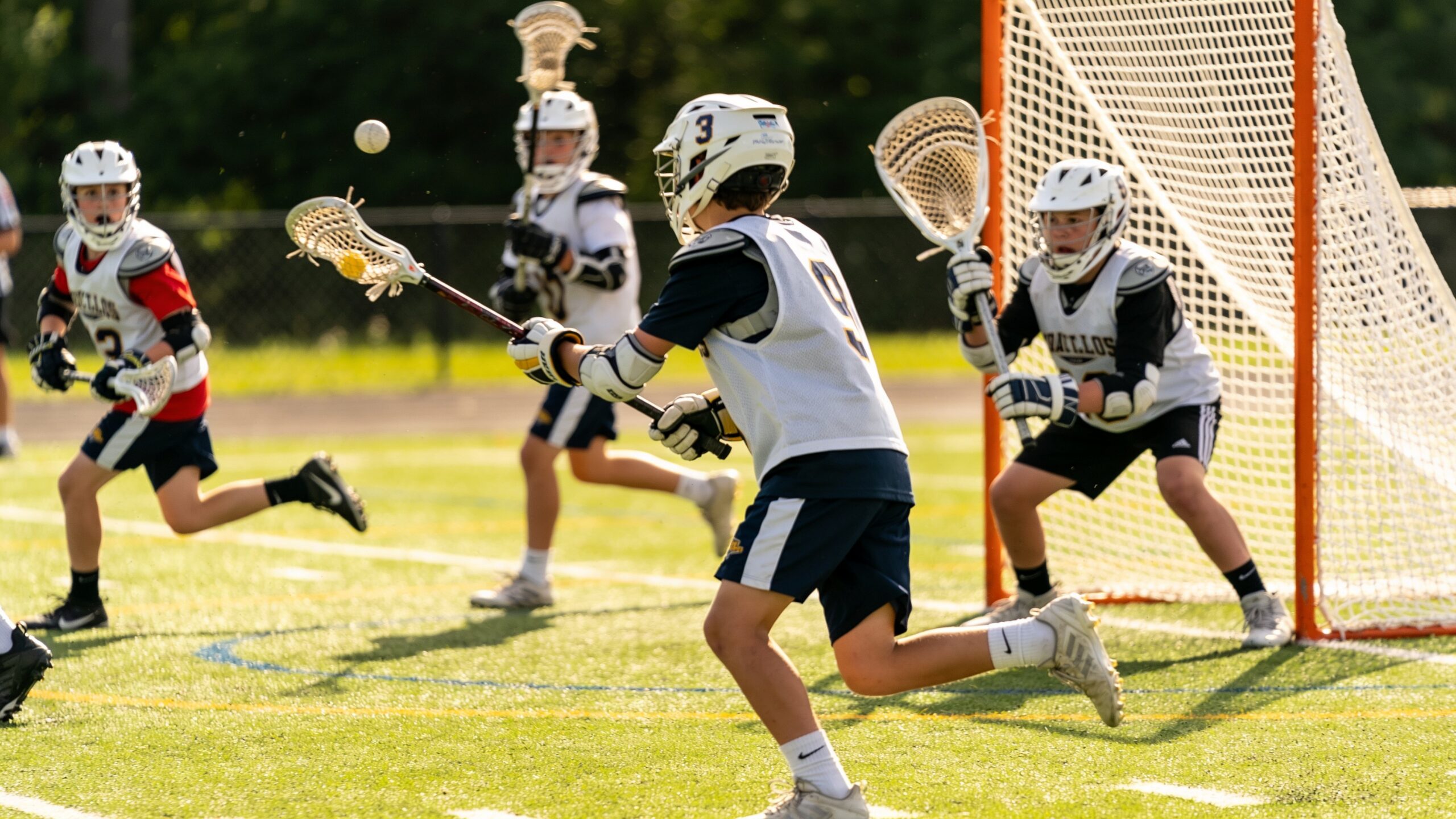
If you have ever watched a lacrosse game and wondered how ten players move in such fast, organized chaos, the answer lies in understanding lacrosse positions. Each player on the field has a defined role, a set of responsibilities, and a skill profile that shapes how the team operates. Whether you are a beginner learning the basics or an experienced athlete looking to refine your understanding, knowing the positions in lacrosse is essential for improving performance and appreciating the strategy behind the sport. Lacrosse is often called the fastest game on two feet, and that speed demands structure. Every pass, slide, clear, and shot is influenced by positional awareness. When players understand their jobs and how those roles connect, the game becomes less about random motion and more about controlled, intentional execution. This guide explains the primary positions in field lacrosse, their roles, required skills, and the responsibilities that define success.
A: Midfield is common for learning both offense and defense.
A: Long Stick Midfielder, a defensive midfield role.
A: Ten per team in field lacrosse.
A: The area directly behind the goal.
A: To increase defensive reach and disrupt passes.
A: Reflexes, positioning, and strong communication.
A: Yes, especially at youth levels to build versatility.
A: A defensive help move when a teammate is beaten.
A: They create extra possessions.
A: Match your strengths, endurance, and playing style.
The Basic Team Structure in Field Lacrosse
In standard field lacrosse, each team has ten players on the field at one time. These include three attackmen, three midfielders, three defensemen, and one goalie. While that lineup may sound simple, the responsibilities within each group vary dramatically. Attackmen focus primarily on scoring and creating offensive opportunities. Midfielders play both offense and defense, acting as the engine that drives transition. Defensemen protect the goal and limit scoring chances. The goalie serves as the final line of defense and the vocal leader of the defensive unit. Within these groups, specialized roles such as long stick midfielders and faceoff specialists add further depth and tactical advantage. Understanding these positions in lacrosse provides a foundation for mastering the game.
Attack: The Offensive Playmakers
The attack position is often the most visible and celebrated in lacrosse. These three players operate primarily on the offensive end of the field, working behind and around the opponent’s goal. Their main responsibility is to generate scoring opportunities, either by shooting or by feeding teammates in dangerous positions. Strong attackmen possess excellent stick skills, quick hands, and exceptional vision. They must operate in tight spaces, often under heavy defensive pressure. Because defenders attempt to limit their time and space, attack players rely on footwork, deception, and timing to create openings.
A key area for attack is behind the goal, often referred to as playing from “X.” From this vantage point, the attackman can see the entire field, making it easier to read defensive rotations and anticipate cutters. Advanced attack players act as quarterbacks, controlling tempo and directing movement. Responsibilities for attack include finishing shots, maintaining offensive spacing, riding opponents after turnovers, and communicating with midfielders to maintain structure. At higher levels of play, attackmen must be patient and disciplined, waiting for high-percentage opportunities instead of forcing low-quality shots.
Midfield: The Two-Way Engine
The midfield position in lacrosse demands versatility more than any other role. Midfielders are responsible for contributing on both offense and defense, covering the entire length of the field during gameplay. They are often the most physically demanding players on the roster. Offensively, midfielders initiate plays from the top of the formation. They dodge against defenders, shoot from the outside, and feed the crease. Defensively, they match up with opposing midfielders, applying pressure and preventing penetration toward the goal.
The ability to transition quickly between these responsibilities is what defines elite midfielders. When possession changes, they must immediately shift focus. Sprinting back to defend after an offensive push is just as important as creating scoring chances. Midfielders also rotate frequently in “lines,” meaning groups of players substitute in and out to maintain fresh legs. This makes conditioning a major factor in performance. Strong midfielders combine stamina, speed, shooting power, and defensive awareness. Advanced midfield play involves reading situations. Knowing when to push in transition and when to settle the offense requires experience and strong lacrosse IQ.
Defensive Midfielders: Specialists in Containment
Within the midfield group, many teams designate certain players as defensive specialists. These defensive midfielders focus primarily on shutting down the opponent’s most dangerous dodgers. Unlike close defensemen who use long sticks, defensive midfielders typically use shorter sticks. This requires superior footwork and positioning to compensate for reduced reach. They must stay in front of attackers, protect the middle of the field, and communicate with the defensive unit about potential slides. The responsibilities of a defensive midfielder extend beyond containment. Once a turnover occurs, they often become critical in transition offense, quickly moving the ball upfield. Their dual role makes them valuable in high-level competition where every possession matters.
Defense: Protecting the Crease
The defense position in lacrosse is centered around protecting the goal area and preventing scoring opportunities. Three defensemen, usually equipped with long sticks, form the core of the defensive unit. The longer stick provides added reach, allowing defenders to disrupt passing lanes and apply controlled checks. However, success in defense is less about aggressive stick work and more about positioning and communication. Staying between the attacker and the goal is the fundamental principle.
Defensemen are responsible for forcing attackers away from high-percentage shooting areas, coordinating slides when a teammate is beaten, and recovering quickly to cover open players. Clear communication is essential. Defensive breakdowns often occur when players fail to announce slides or switches. Advanced defensemen study opponents carefully, learning tendencies and preferred moves. Anticipation becomes a powerful tool, allowing defenders to react before an offensive play fully develops.
Long Stick Midfielder: A Hybrid Role
The long stick midfielder, commonly known as the LSM, blends elements of both defense and midfield. This player uses a long pole but operates primarily in the midfield area. The LSM’s main responsibility is to defend opposing midfielders, particularly strong offensive threats. The extra stick length helps disrupt dodges and intercept passes. Because LSMs play in open space more frequently than close defensemen, they often create transition opportunities by scooping ground balls and pushing the ball forward. This position requires mobility, stick control, and the ability to make quick decisions under pressure. The LSM is often one of the most dynamic defenders on the field.
Goalie: The Anchor and Leader
The goalie in lacrosse occupies a unique and demanding role. Standing alone in the crease, the goalie must combine courage, reflexes, and leadership. While their primary responsibility is stopping shots, their influence extends far beyond saves. Goalies direct the defense by calling out slides, identifying open attackers, and communicating positioning adjustments. Because they face the entire field, they see plays developing before other defenders do.
Shot-stopping requires more than quick reactions. Proper positioning, understanding shooting angles, and tracking the ball from the shooter’s stick are critical skills. After making a save, the goalie must execute a clean outlet pass to start the clearing process. At advanced levels, goalies analyze shooting tendencies and prepare for specific opponents, making mental preparation just as important as physical training.
Faceoff Specialist: Controlling Possession
Although not always listed as a traditional field position, the faceoff specialist plays a critical strategic role. Positioned at midfield at the start of each quarter and after every goal, this player battles for initial possession. Winning faceoffs can significantly impact the game’s outcome. Each possession creates an opportunity to score while denying the opponent a chance. Faceoff specialists rely on quick hands, explosive reactions, and refined technique. Modern lacrosse has elevated faceoffs into a specialized art form. Players dedicate significant practice time to perfecting counters and exits. In close games, the ability to consistently win draws can be decisive.
Transition Play and Positional Awareness
One of the defining characteristics of lacrosse is rapid transition. When possession changes, players must immediately shift from offense to defense or vice versa. Understanding positions in lacrosse becomes even more important during these fast-paced moments.
Transition requires awareness and discipline. Defensemen may carry the ball forward if an opportunity arises. Midfielders must recognize mismatches and exploit them quickly. Attackmen must decide whether to ride aggressively or recover to defensive positions. Advanced teams excel in transition because every player understands their responsibilities and reacts instinctively.
Offensive Systems and Role Clarity
Different offensive systems demand different behaviors from positions. Motion offenses rely on constant movement and cutting, while set plays isolate specific players for matchups. Attackmen must know when to cut, screen, or rotate behind the goal. Midfielders must identify shooting lanes and distribute the ball effectively. Clear role definition prevents congestion and improves spacing. The better a player understands their position within a system, the more effective they become. Lacrosse rewards discipline and precision.
Defensive Systems and Coordination
Defensive schemes in lacrosse range from man-to-man coverage to zone alignments. Each system alters positional responsibilities. In man-to-man defense, players guard specific opponents and execute coordinated slides. In zone defense, players guard areas and communicate constantly to track cutters. No matter the system, strong communication and awareness are essential. Defense breaks down when players hesitate or fail to trust their teammates.
Essential Skills Across All Positions
While each lacrosse position has unique responsibilities, certain skills apply universally. Stick handling, accurate passing, ground ball recovery, and conditioning are fundamental. Communication remains equally important. A quiet team often becomes a confused team. Clear and confident communication strengthens both offense and defense.
Mental toughness is another universal trait. Lacrosse is fast, physical, and demanding. Players who remain composed under pressure consistently perform at higher levels.
Choosing the Right Lacrosse Position
Selecting the right position depends on a combination of skill, athleticism, and mindset. Players who thrive in tight spaces and enjoy scoring often prefer attack. Athletes with stamina and versatility excel at midfield. Those who enjoy strategy and physical play may gravitate toward defense. Goalies often possess strong leadership qualities and mental resilience. Coaches frequently rotate younger players through multiple positions to build a complete understanding of the game. Even at advanced levels, flexibility can increase strategic value.
Advanced Development and Specialization
As players progress, specialization becomes more refined. Attackmen develop advanced shooting mechanics and deceptive releases. Midfielders enhance dodging techniques and conditioning. Defensemen refine footwork and timing. Goalies focus on tracking and anticipation.
Film study, situational drills, and mental preparation play increasingly important roles. Mastery of lacrosse positions requires commitment beyond basic practice sessions.
Conclusion: Mastering Roles, Skills, and Responsibilities
Understanding the positions in lacrosse unlocks the true structure and strategy of the game. Each role, from attack to goalie, carries distinct responsibilities that shape how the team performs. When players embrace their duties and communicate effectively, individual talent transforms into coordinated success. Lacrosse rewards preparation, teamwork, and awareness. Whether you are learning the basics or advancing to competitive levels, mastering your position strengthens not only your performance but the entire team’s potential. By studying roles, refining skills, and embracing responsibilities, players gain the confidence and clarity needed to thrive in one of the most exciting sports in the world.