Understanding Lacrosse Positions Before the First Whistle
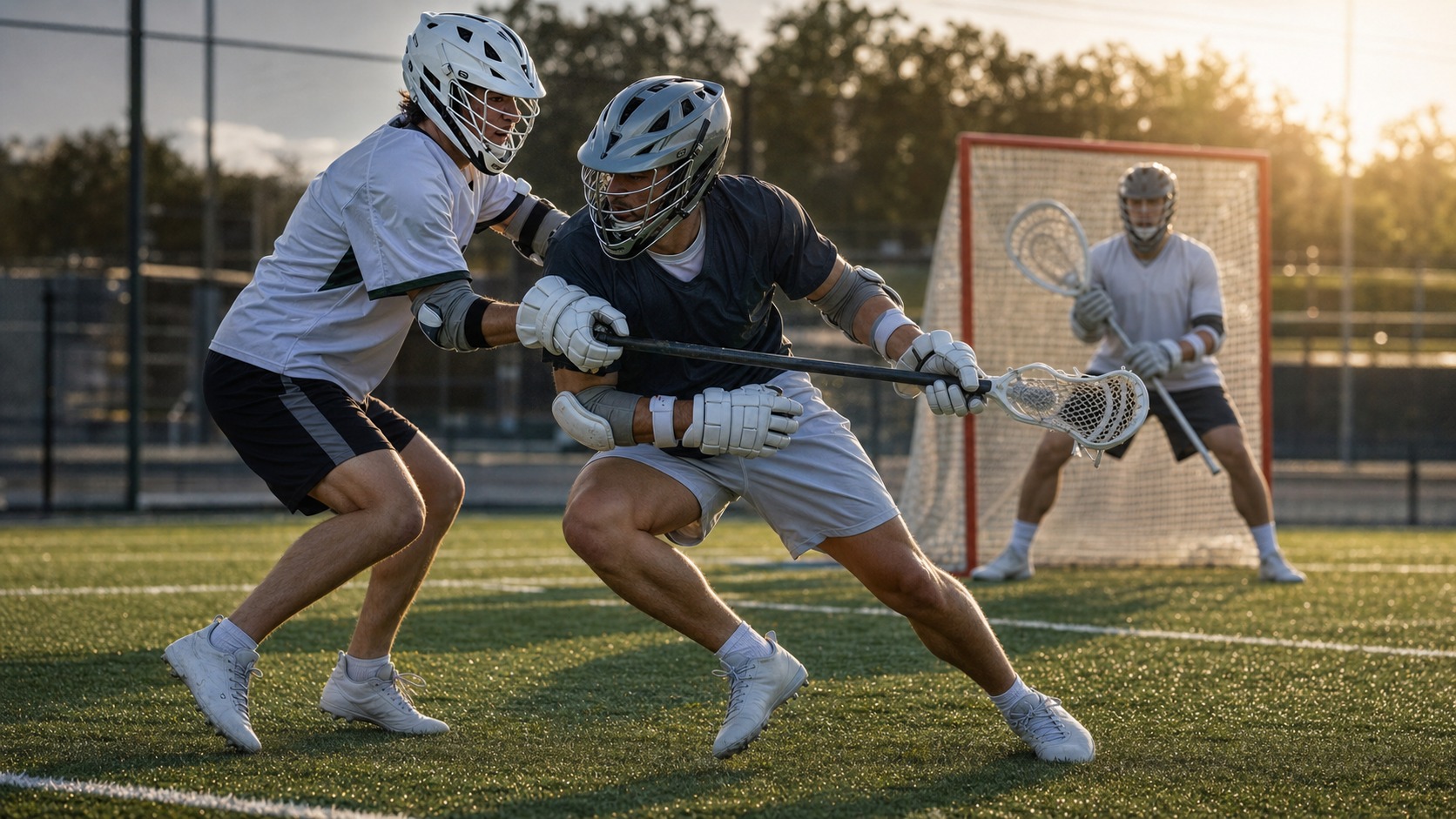
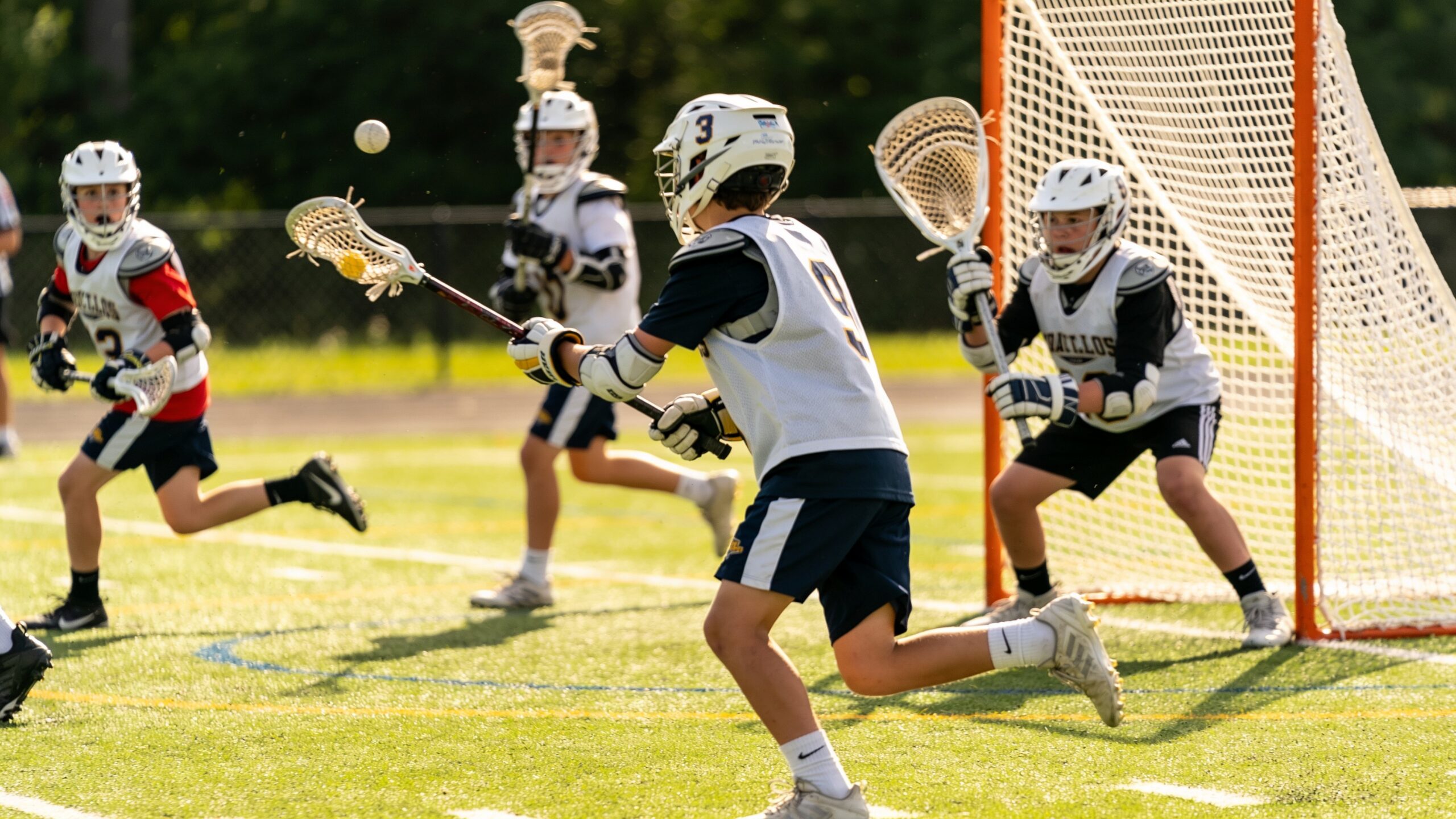
Lacrosse is often called the fastest game on two feet, and once the opening whistle blows, that nickname makes perfect sense. Players sprint, cut, dodge, pass, defend, shoot, communicate, and react in seconds. To new fans, parents, and youth players, the game can look like organized chaos. But underneath the speed is a clear structure. Every lacrosse position has a job, a purpose, and a rhythm that helps the team move as one. Understanding what each lacrosse position does during a game makes the sport easier to watch, coach, and play. Attackmen create offense close to the goal. Midfielders connect the entire field. Defenders protect the crease and stop scoring chances. Goalies command the defense and make the final save. Faceoff specialists fight for possession. Long-stick midfielders disrupt transition. Defensive midfielders do the gritty work that often decides close games. When every role works together, lacrosse becomes less confusing and much more exciting.
A: Many beginners start at midfield because it teaches both offense and defense, but the best fit depends on confidence, speed, and skills.
A: An attackman creates offense near the goal by dodging, passing, cutting, feeding, and shooting.
A: A midfielder plays both ends of the field, helping with offense, defense, transition, clears, and rides.
A: Long sticks help defenders pressure ball carriers, block passing lanes, and protect space around the crease.
A: Goalie is one of the most demanding roles because it requires reaction speed, courage, leadership, and constant communication.
A: A faceoff specialist takes draws at midfield and battles to win possession after goals and at the start of periods.
A: A long-stick midfielder covers dangerous midfielders, wins ground balls, pressures passes, and sparks transition.
A: Riding is when the offensive team pressures the defense after losing the ball to prevent an easy clear.
A: Clearing is moving the ball from the defensive end to the offensive end after a save, turnover, or ground ball.
A: Players should try multiple roles, then match their position to their speed, stick skills, toughness, awareness, and personality.
Attack: The Finishers and Playmakers Near the Goal
Attack players usually stay on the offensive side of the field, where their main job is to create scoring chances. They work behind the goal, around the crease, and near the wings, using quick footwork and sharp stick skills to dodge defenders, feed teammates, and finish shots. A good attackman does not just shoot the ball. They read the defense, recognize slides, move without the ball, and know when to be patient or aggressive.
During a game, attack players often initiate the offense from behind the cage, an area called “X.” From there, they can see the field, dodge toward either side, and force defenders to turn their heads. Some attackmen are pure scorers with powerful shots and fearless crease play. Others are feeders who create opportunities with passes. The best attack units blend both styles, keeping the defense nervous every time the ball comes near the goal.
Crease Attack: The Player Who Lives in Traffic
The crease attackman works close to the goal, often in the most crowded and physical part of the offensive zone. This player must have soft hands, quick reactions, and the courage to catch passes while defenders are closing in. Their job is to find open space near the crease, receive feeds, and finish before the goalie can react.
During live play, the crease attackman constantly moves in short bursts. They cut across the middle, slip behind defenders, and time their movement when a teammate dodges. This position requires patience because the ball may not come often, but when it does, the shot must be quick. A strong crease player can change a game by turning one smart cut into a goal.
Midfield: The Engine of the Lacrosse Team
Midfielders, often called middies, are the most versatile players on the field. They play offense, defense, and transition, which means they need speed, stamina, toughness, and decision-making. Unlike attackmen and defenders, midfielders travel across the entire field. They may take a shot one moment, sprint back on defense the next, and then help clear the ball after a save.
During a game, midfielders are responsible for connecting every phase of play. They help bring the ball from the defensive end to the offensive end, support dodges, rotate into shooting lanes, and recover quickly when possession changes. A strong midfield line can control the pace of the game because it affects both scoring and stopping goals. In many ways, midfield is where lacrosse becomes a full-field battle.
Offensive Midfield: The Dodgers, Shooters, and Tempo Setters
Offensive midfielders focus on creating scoring chances from up top or the wings. They often start with the ball near the restraining line, dodge downhill toward the goal, and force the defense to slide. Their dodges can open shots, passing lanes, or skip passes across the field. Because they attack from higher angles, they can stretch the defense and create movement.
During settled offense, offensive midfielders must know when to dodge, when to pass, and when to rotate. They are not just running at the goal. They are reading matchups, watching how defenders shift, and helping the attack unit keep spacing. A great offensive middie can shoot on the run, move the ball quickly, and make the defense collapse at exactly the wrong time.
Defensive Midfield: The Gritty Stopper Few Casual Fans Notice
Defensive midfielders do some of the toughest work in lacrosse. Their job is to stop opposing midfielders, contain dodges, force bad angles, and help the defense recover. They may not score often, but their value is enormous. A reliable defensive middie can shut down a dangerous dodger and prevent the defense from constantly sliding.
During a game, defensive midfielders must communicate, stay disciplined, and play with strong footwork. They need to ride opponents after turnovers, hustle through substitutions, and win ground balls in the middle of the field. This role rewards players who enjoy effort, toughness, and team-first play. When a defensive midfielder does their job well, the entire defense looks stronger.
Long-Stick Midfielder: The Disruptor in the Middle of the Field
The long-stick midfielder, or LSM, uses a defensive-length stick while playing mostly in the midfield area. This player usually guards one of the opponent’s best midfielders, helps on faceoffs, scoops ground balls, and creates transition opportunities. The LSM is part defender, part midfielder, and part chaos-maker.
During games, the LSM can be a momentum changer. A well-timed check, a ground ball win, or a fast clear can quickly turn defense into offense. Because of the long stick, the LSM can pressure ball carriers, knock down passes, and cover more space. Coaches often rely on this position to make difficult plays that do not always show up in the scoring column but can completely shift the game.
Defense: The Protectors of the Goal
Close defenders usually stay near their own goal and are responsible for stopping attackmen. They use long sticks to pressure hands, block passing lanes, and prevent high-quality shots. Good defenders are physical, but great defenders are smart. They understand angles, communicate slides, and know how to move as a unit.
During a game, defenders must constantly read the ball, their assigned player, and the shape of the offense. If one defender gets beat, another may need to slide and help. If the ball moves quickly, the defense must recover without leaving dangerous players open. Defense in lacrosse is not just one-on-one toughness. It is timing, trust, footwork, and communication.
The Slide Defender: The Teammate Who Saves the Play
A slide defender is the player who leaves their matchup to help when a teammate gets beaten by a dodge. This is one of the most important concepts in team defense. If a dodger gets too close to the goal, the slide must arrive quickly and under control. A late slide gives up a shot. An early or reckless slide can leave another offensive player wide open.
During a game, sliding requires confidence and communication. Defenders call out who is hot, who is helping, and who is recovering. When the slide works, it stops the immediate threat and forces the offense to move the ball again. When the rotation behind the slide works, the defense resets. This is why strong defensive teams sound loud and organized.
Goalie: The Last Line of Defense and the First Voice of the Team
The goalie has one of the most demanding jobs in lacrosse. They must stop shots traveling at high speed, track the ball through screens, control rebounds, and lead the defense with constant communication. Goalies see the whole field, so they are responsible for calling out ball position, slides, cutters, and defensive adjustments.
During a game, the goalie does much more than stand in the cage. After a save, they start the clear by finding an outlet pass. They help settle the defense after long possessions. They direct teammates when the offense is rotating. A confident goalie can calm a team down, energize the sideline, and steal goals from the opponent.
Faceoff Specialist: The Possession Fighter
The faceoff specialist takes the draw at midfield after goals and at the start of periods. Their job is simple to understand but difficult to master: win possession. Faceoffs require technique, hand speed, leverage, timing, strength, and strategy. A faceoff win can give a team extra possessions, and extra possessions often lead to extra goals.
During a game, the faceoff specialist works with wing players to control loose balls. Sometimes they win the ball cleanly. Other times they must clamp, rake, kick, battle, or direct the ball into space. A dominant faceoff player can tilt the entire game by keeping the ball away from the opponent and giving the offense more chances to score.
Wing Players on Faceoffs: The Ground Ball Hunters
Wing players line up near the sides during faceoffs and sprint toward the ball once the whistle blows. Their job is to help secure possession if the ball pops loose. These players need speed, toughness, awareness, and strong ground ball skills. They often collide with opponents while trying to scoop the ball cleanly and move it into space.
During faceoffs, wing play can be just as important as the specialist taking the draw. A great wing player anticipates where the ball will go, boxes out opponents, and turns a messy scramble into possession. Coaches love players who win these battles because ground balls are one of the clearest signs of hustle and competitive effort.
Transition Players: Turning Defense Into Offense
Transition happens when possession changes and the ball moves quickly from one end of the field to the other. Midfielders, LSMs, defenders, and goalies all play a role in transition. The goal is to clear the ball safely, take advantage of numbers, and create fast scoring chances before the defense gets organized.
During a game, transition players must make fast decisions. They need to know when to push for a fast break and when to slow down. A defender carrying the ball over midfield may create an unexpected advantage. A midfielder sprinting into space may become the perfect outlet. Transition is where speed and awareness combine, and it often produces some of the most exciting moments in lacrosse.
Riding Attackmen: The First Line of Defense After a Turnover
When the offense loses the ball, attackmen do not simply watch the opponent run away. They ride, which means they pressure the clearing team and try to force a turnover before the ball crosses midfield. Riding requires effort, angles, and teamwork. A smart ride can trap a defender, pressure the goalie, or force a rushed pass.
During a game, riding attackmen can create huge momentum swings. Winning the ball back near the goal often leads to immediate scoring chances. Even when the ride does not cause a turnover, it can slow the clear and give the defense time to substitute or organize. This is why coaches value attackmen who work hard without the ball.
Clearing Defenders: Moving the Ball Out of Danger
Clearing is the process of moving the ball from the defensive end to the offensive end after a save, turnover, or ground ball. Defenders and goalies play a major role in this phase. They must spread out, make smart passes, and avoid dangerous turnovers near their own goal.
During a clear, defenders need composure. Pressure may come quickly, and one poor decision can lead to an easy goal for the opponent. A good clearing defender keeps their head up, uses teammates, and knows when to pass instead of forcing a run. Strong clearing turns defensive stops into offensive opportunities.
Substitution Specialists: Winning the Game Between the Lines
Lacrosse substitutions happen quickly and often, especially with midfielders. Players run through the substitution box while the game continues, which creates a unique strategic layer. Coaches may substitute offensive midfielders for defensive midfielders, bring on an LSM, or change matchups depending on possession.
During a game, clean substitutions are critical. A late substitution can create a disadvantage. A smart substitution can give the team the right player in the right moment. This is one reason lacrosse rewards awareness beyond stick skills. Players must understand the game situation, know their role, and enter or exit the field with purpose.
How Positions Work Together During Settled Offense
Settled offense happens when a team has possession and time to organize. Attackmen usually work around the goal, midfielders create pressure from up top, and off-ball players cut, screen, and rotate. The goal is to move the defense, create a mismatch, and find the best shot.
During settled offense, each position must stay connected. If one player dodges, others must move to support the dodge. If the defense slides, the ball should move quickly to the open player. Good offense is not about six players standing and waiting. It is about spacing, timing, passing, and reading the defense as a group.
How Positions Work Together During Settled Defense
Settled defense happens when the opposing offense has possession and the defense is organized. Defenders guard attackmen, midfielders cover dodgers, the LSM may pressure a top threat, and the goalie directs traffic. Everyone must communicate because one missed assignment can lead to a high-percentage shot.
During settled defense, positions work like linked pieces. The on-ball defender contains the dodger. The slide defender prepares to help. Off-ball defenders watch cutters and passing lanes. The goalie calls out threats. When the defense moves together, it can frustrate even talented offenses and force low-quality shots.
Choosing the Right Lacrosse Position for a Player
The best lacrosse position depends on a player’s skills, personality, athletic traits, and mindset. Fast players with endurance may enjoy midfield. Creative passers and finishers may fit attack. Tough, disciplined players may thrive on defense. Quick-reacting leaders may love goalie. Scrappy competitors who enjoy one-on-one battles may be drawn to faceoffs or defensive midfield.
For youth players, the best approach is to try multiple positions early. Lacrosse development improves when players understand the whole field. An attackman who has played defense sees slides better. A midfielder who has played attack understands spacing. A defender who has handled the ball becomes more confident on clears. The more a player learns, the more valuable they become.
Why Every Lacrosse Position Matters
Lacrosse is not won by one position alone. Goals may get the loudest cheers, but every goal begins with possession, spacing, passing, and teamwork. A goalie save can spark a clear. A defender’s ground ball can start a fast break. A midfielder’s ride can force a turnover. An attackman’s cut can open space for someone else. Every position has a role in the final result.
When players understand what each lacrosse position does during a game, they play with more confidence and purpose. They stop chasing the ball randomly and start seeing the field. They communicate better, move smarter, and trust their teammates. That is when lacrosse becomes more than fast. It becomes strategic, creative, and thrilling from the first whistle to the final horn.
Final Thoughts: Every Role Builds the Game
Each lacrosse position brings something different to the field. Attack creates scoring pressure. Midfield connects both ends. Defense protects the cage. Goalies anchor the team. Faceoff specialists fight for possession. LSMs, defensive midfielders, wing players, riders, and clearing players all shape the hidden battles that decide games.
For beginners, learning lacrosse positions is one of the fastest ways to understand the sport. For players, it helps them find where they fit best. For coaches and parents, it makes the game easier to teach and enjoy. Once you know what every position is trying to do, lacrosse stops looking chaotic and starts looking like a high-speed chess match played with sticks, speed, courage, and teamwork.