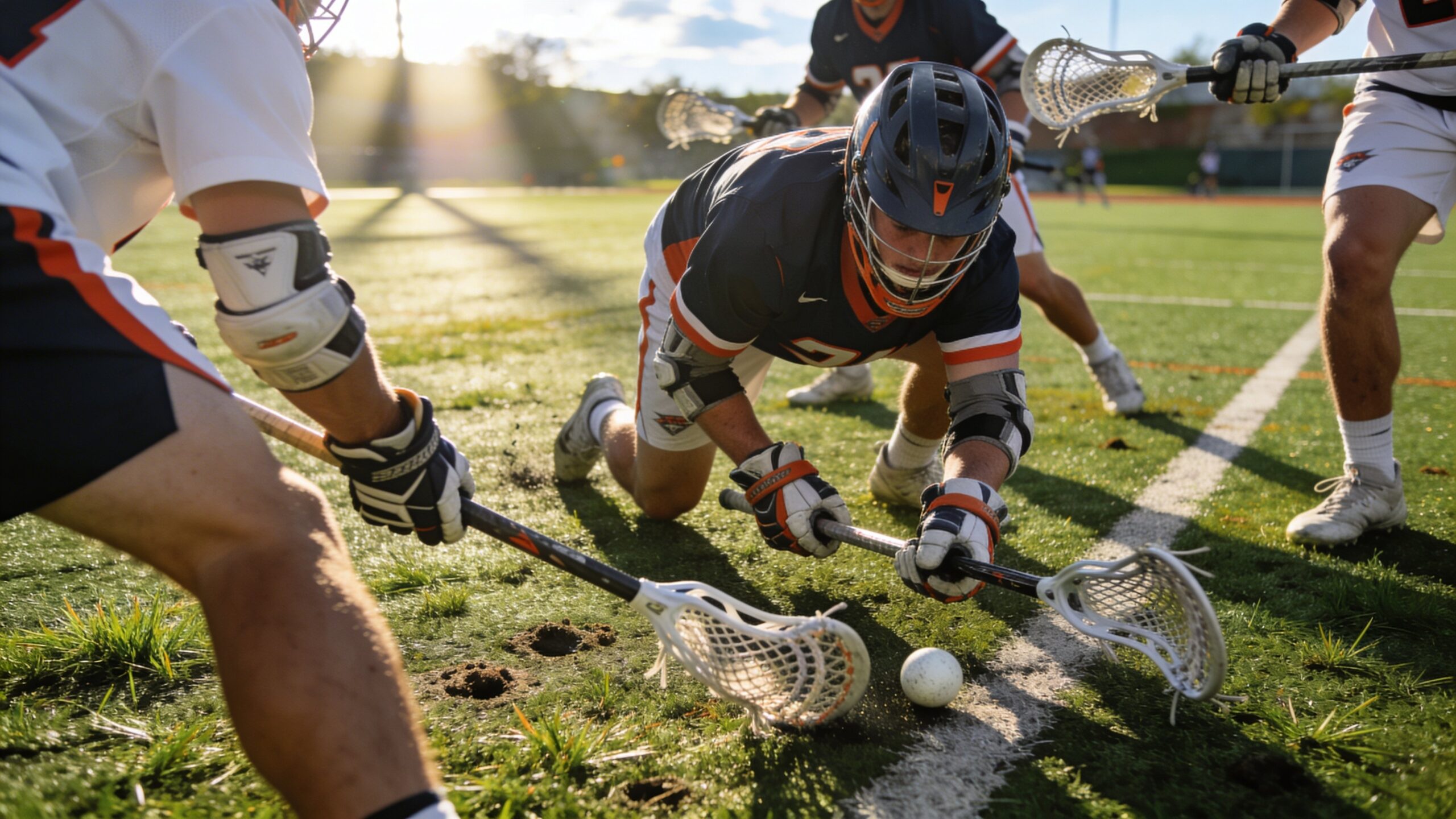
Lacrosse is often described as a fast, physical, and highly strategic sport. Contact is part of its identity, but it is not a free-for-all. Every check, push, and collision exists within a carefully defined framework of rules designed to balance competitiveness, safety, and fairness. Understanding what is legal and illegal contact in lacrosse is essential for players, coaches, officials, and fans alike. It shapes how the game is played, how strategies are built, and how players protect themselves on the field. This guide breaks down legal and illegal contact in lacrosse in clear, practical terms, explaining not just what the rules say, but why they exist and how they are enforced in real game situations.
A: No, only when delivered properly and within rule limits.
A: Generally no, unless contesting a loose ball.
A: No, head or neck contact is illegal.
A: Contact after a pass, shot, or whistle.
A: Yes, body contact is far more restricted.
A: Yes, if force or timing is excessive.
A: Slashing or pushing from behind.
A: Often restricted or prohibited.
A: The officiating crew on the field.
A: Focus on positioning, timing, and control.
Why Contact Rules Matter in Lacrosse
Lacrosse is one of the few sports where physical contact, stick play, and high-speed movement intersect constantly. Without clearly defined limits, the game would quickly become dangerous. Contact rules serve three critical purposes: protecting player safety, preserving skill-based competition, and maintaining consistent officiating.
The modern game emphasizes speed, stick skills, and decision-making over brute force. As lacrosse has grown at youth, high school, collegiate, and professional levels, contact rules have evolved to reduce head injuries, discourage reckless play, and reward proper technique. What was once acceptable decades ago may now result in a penalty or ejection.
Legal Body Contact: The Foundation of Physical Play
Legal body contact in lacrosse is rooted in positioning, timing, and control. A body check is generally legal when it is delivered to an opponent who has possession of the ball or is within a short distance of a loose ball. The contact must be from the front or side, above the waist and below the shoulders, and must not involve unnecessary force.
Good body contact starts with footwork. Players are expected to establish position, keep their hands close to their body, and initiate contact using their torso rather than launching or exploding through an opponent. When done correctly, legal contact disrupts offensive movement without endangering either player.
Contact While Playing the Ball
One of the most important concepts in lacrosse contact rules is that players are allowed to make contact while attempting to play the ball, not the body. This applies both to body checks and stick checks. When two players are competing for a loose ball, contact is permitted as long as it is proportional and focused on gaining possession.
This principle is especially important in ground ball situations. Players may use their body to box out an opponent or shoulder up to claim space, but they cannot shove, trip, or tackle another player to gain advantage.
Legal Stick Checks and Controlled Physicality
Stick checking is a defining feature of lacrosse and a major area where legal and illegal contact often blur. Legal stick checks involve controlled, precise movements aimed at the opponent’s stick or hands that are holding the stick. Slap checks and poke checks are acceptable as long as they are not excessive, reckless, or directed at the head or neck.
What separates legal from illegal stick contact is control. A check that starts at the hands and slides up into the head area becomes illegal. Likewise, repeated hacking or wild swings, even if they occasionally hit the stick, can be penalized for unnecessary roughness.
Illegal Body Contact: When Physical Play Crosses the Line
Illegal body contact occurs when a player uses force in a way that violates safety or fairness standards. Common examples include hitting from behind, targeting the head or neck, leading with the helmet, or delivering a check after the ball has been passed or shot.
Contact from behind is particularly dangerous because the opponent cannot brace for impact. Even a seemingly light push can send a player headfirst into the ground or boards. For this reason, hits from behind are often penalized severely, especially in box lacrosse or near the sidelines.
Targeting the Head and Neck Area
One of the most strictly enforced areas in modern lacrosse is contact involving the head and neck. Any deliberate or avoidable contact to this area is illegal, regardless of intent. This includes body checks, stick checks, and incidental collisions where a player fails to lower their body position.
Officials are trained to penalize head and neck contact aggressively to reduce the risk of concussion and spinal injury. In many cases, these fouls carry mandatory non-releasable penalties and may include ejection for flagrant violations.
Illegal Use of the Stick
The stick can quickly become a weapon if used improperly. Illegal stick contact includes slashing an opponent’s body instead of their stick, striking with excessive force, or swinging with one hand in an uncontrolled manner. A check that wraps around the body or comes down like a chop is almost always illegal.
Cross-checking, which involves using the shaft of the stick between the hands to push or hit an opponent, is another common illegal action. Even if it seems minor, it removes control and increases injury risk, making it a consistent target for officials.
Pushes, Shoves, and Late Hits
Not all illegal contact is dramatic. Simple pushes and shoves become fouls when they are unnecessary, excessive, or poorly timed. A push to the back, a shove after the whistle, or contact against a defenseless player all fall into this category.
Late hits are especially discouraged. Once a player has passed, shot, or clearly released the ball, defenders must pull up and avoid contact. Failing to do so often results in penalties for unnecessary roughness or interference.
Differences Between Men’s and Women’s Lacrosse Contact Rules
Understanding legal and illegal contact requires recognizing the differences between men’s and women’s lacrosse. Men’s lacrosse allows controlled body checking, while women’s lacrosse emphasizes positional defense and stick skills with far less body contact permitted.
In women’s lacrosse, most body contact is illegal unless it is incidental and occurs while both players are moving naturally toward the ball. Even strong legal positioning can be penalized if it displaces an opponent unfairly. These differences exist to reflect equipment variations and long-standing safety priorities in each version of the game.
Youth Lacrosse and Age-Based Restrictions
At the youth level, contact rules are significantly more restrictive. Younger players are often prohibited from body checking entirely or limited to modified forms of contact. These rules focus on skill development, confidence building, and injury prevention.
As players age and advance into higher divisions, contact rules gradually expand. However, even at advanced levels, reckless or excessive contact is never acceptable. Teaching proper technique early helps players transition safely into more physical play later.
How Officials Evaluate Contact in Real Time
Officials do not judge contact solely on outcome. They consider angle, force, intent, and timing when deciding whether a hit is legal or illegal. Two similar collisions may result in different calls depending on how they occur.
Referees also account for game flow and player safety trends. In fast-paced situations, marginal contact may be allowed if it does not create advantage or danger. However, repeated borderline hits often lead to tighter enforcement as a game progresses.
Penalties Associated With Illegal Contact
Illegal contact penalties range from short technical fouls to long non-releasable personal fouls. Minor infractions may result in a brief man-down situation, while dangerous or flagrant hits can lead to multiple-minute penalties or ejection.
The severity of the penalty often reflects the perceived risk to the opponent. Hits involving the head, late contact, or deliberate targeting usually bring the harshest consequences.
Teaching Legal Contact the Right Way
Coaches play a vital role in teaching players how to deliver and absorb contact legally. Emphasizing footwork, body position, and controlled aggression helps players compete physically without risking penalties or injuries.
Players who understand the boundaries of legal contact gain a strategic advantage. They can play assertive defense, disrupt opponents, and intimidate within the rules rather than constantly reacting to whistles.
Adapting to Rule Changes and Emphasis Shifts
Lacrosse rules evolve over time, often in response to injury data and gameplay trends. What is considered legal contact today may be restricted tomorrow. Staying informed about rule changes at the high school, collegiate, and professional levels is essential for anyone involved in the sport.
Organizations like the NCAA and national governing bodies regularly issue points of emphasis to guide officials and coaches. These clarifications often focus on reducing dangerous contact without diminishing the sport’s physical nature.
Playing Physical Without Playing Dirty
There is a clear distinction between physical play and dirty play. Physical lacrosse relies on strength, balance, and anticipation. Dirty play relies on shortcuts, frustration, and disregard for safety.
The best defenders consistently make legal contact look effortless. They arrive on time, stay low, keep their hands back, and separate opponents from the ball without drawing attention from officials.
The Role of Player Responsibility
Every player shares responsibility for maintaining safe contact standards. Offensive players must avoid putting themselves in vulnerable positions, while defenders must adjust angles and force to match the situation.
Smart players recognize when not to hit. Pulling up on a late check or choosing positioning over force often prevents penalties and keeps a team at full strength.
Why Understanding Contact Rules Improves the Game
When players understand what is legal and illegal contact in lacrosse, the game flows better. Fewer stoppages occur, players stay safer, and competition remains intense without crossing into chaos.
Knowledge of contact rules empowers athletes to play confidently and aggressively within the law. It also helps fans appreciate the nuance behind each call, turning frustration into understanding.
Final Thoughts on Legal and Illegal Contact in Lacrosse
Lacrosse thrives on controlled physicality. Legal contact rewards preparation, technique, and discipline, while illegal contact undermines both safety and fairness. By learning where the line is drawn and why it exists, players can elevate their performance and respect the integrity of the sport. Whether you are stepping onto the field for the first time or watching from the stands, understanding legal and illegal contact in lacrosse reveals the chess match beneath the collisions and highlights what makes the game both fierce and refined.