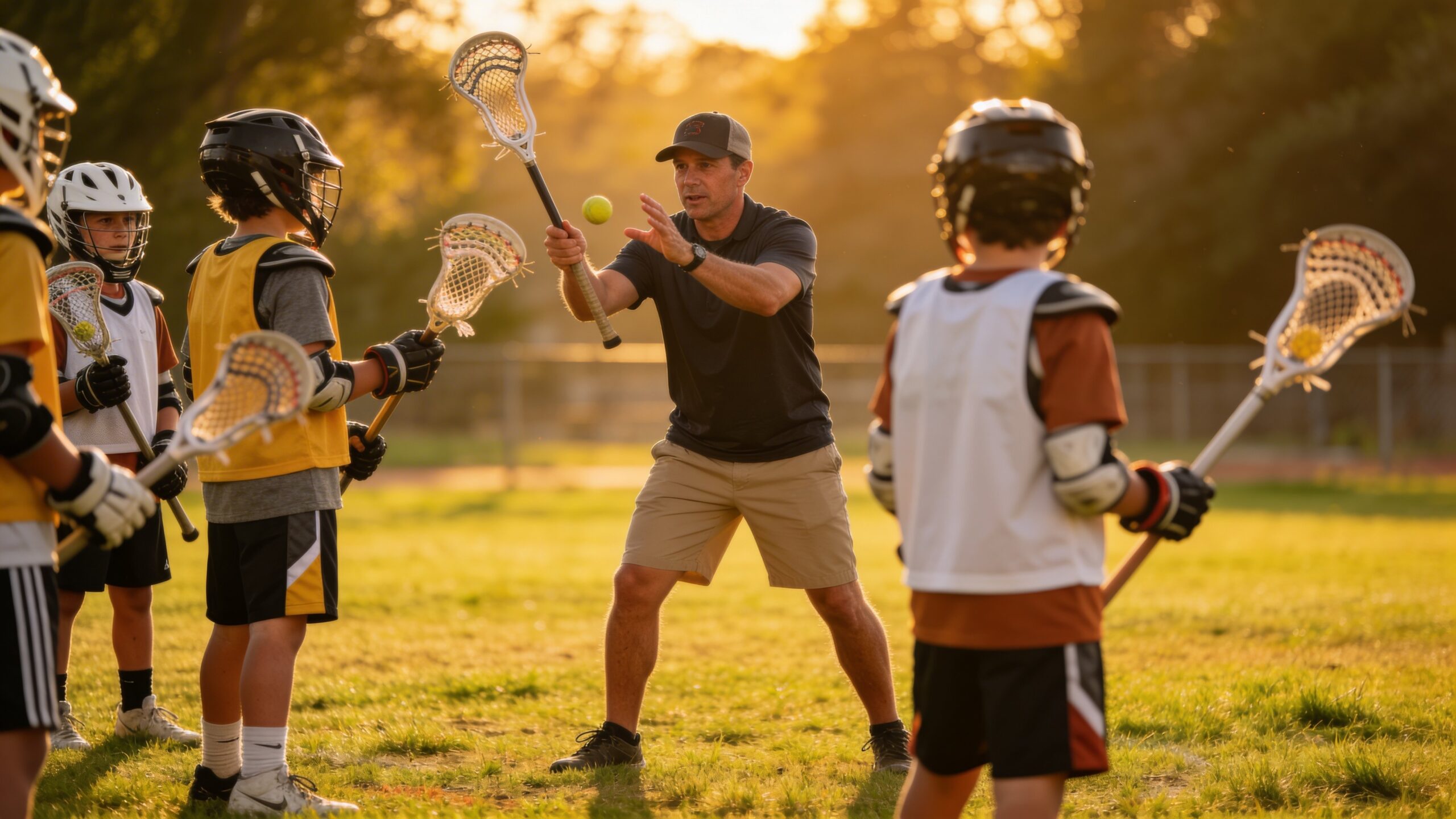
Youth lacrosse is one of the fastest-growing sports in North America, combining speed, teamwork, strategy, and excitement in a game that children often fall in love with quickly. For parents watching from the sideline, however, the game can initially feel confusing. Whistles blow, players rotate on and off the field, and referees signal penalties that may not be immediately obvious. Understanding the rules of youth lacrosse not only helps parents enjoy the game more but also allows them to support their child’s development and appreciate the strategy unfolding on the field. While youth lacrosse follows the same core principles as the traditional game played in high school, college, and professional leagues, the rules are adjusted to prioritize safety, learning, and skill development. These modifications help young players build confidence and master the fundamentals before transitioning into more competitive levels of the sport. By learning how youth lacrosse works—from field structure to penalties and substitutions—parents can better follow the action and celebrate their child’s progress throughout the season.
A: Many leagues begin as early as ages 5–6.
A: Yes, with proper equipment and age-specific rules.
A: Usually four shorter quarters depending on age.
A: Body checking is usually restricted for younger players.
A: Rotation keeps players fresh and ensures equal playing time.
A: The goalie protects the net and directs the defense.
A: The penalized player sits out while the other team has a temporary advantage.
A: There are differences between boys’ and girls’ lacrosse rules.
A: It protects the goalie and prevents attackers from crowding the net.
A: Passing, catching, and cradling.
The Core Objective of Youth Lacrosse
At its heart, lacrosse is a simple game with an exciting premise. Two teams compete to score goals by shooting a rubber ball into the opposing team’s net using a long-handled stick with a mesh pocket. Players run, pass, and cradle the ball while trying to outmaneuver defenders and create scoring opportunities. The team with the most goals at the end of the game wins. Youth lacrosse emphasizes teamwork and ball movement. Players quickly learn that success rarely comes from a single athlete dominating the field. Instead, coordinated passes, smart positioning, and disciplined defense create the best scoring chances. For parents, recognizing these patterns—such as quick passing sequences or strategic spacing—makes watching the game far more engaging. Unlike many youth sports that revolve around constant substitutions or limited field size, lacrosse introduces children to a dynamic flow where offense and defense transition rapidly. A missed shot can immediately turn into a fast break going the other direction. Understanding this pace is one of the keys to appreciating youth lacrosse.
Understanding the Youth Lacrosse Field
The youth lacrosse field resembles a large rectangular field similar to soccer but with several unique markings that define how the game is played. At each end of the field sits a goal surrounded by a circular crease area. Only the goalie may stand inside this crease, which protects the net and prevents attackers from crowding the goal.
Another important area is the restraining box, which helps manage player movement during certain situations such as faceoffs or penalties. Youth leagues may use slightly smaller fields than high school or college programs, depending on the age group. Parents watching a game may notice referees carefully monitoring player positions, especially during restarts. These rules help maintain structure and prevent overcrowding near the goal. While the field markings might appear complicated at first glance, they exist to keep the game balanced and safe for younger athletes.
Positions in Youth Lacrosse
Each youth lacrosse team is made up of players assigned to specific roles that balance offense and defense. Attackers primarily focus on scoring goals and staying near the opponent’s net. Midfielders, often called “middies,” play both offense and defense and cover the most ground during the game. Defenders work to prevent scoring opportunities and protect their goalie. The goalie serves as the final line of defense. Wearing extra protective gear, the goalie uses a larger stick head designed to stop shots traveling at impressive speeds.
In youth lacrosse, coaches often rotate players through different positions. This approach helps children develop a well-rounded understanding of the game rather than specializing too early. Parents may notice their child playing midfield one game and defense the next, which is a normal part of youth development.
Game Length and Structure
Youth lacrosse games are typically divided into quarters or halves depending on league rules and age divisions. Younger groups may play shorter quarters to maintain energy and focus, while older youth divisions gradually move toward standard game lengths. Breaks between periods allow teams to regroup, discuss strategy, and make substitutions. Unlike professional lacrosse, youth games often include additional stoppages for teaching moments or rule clarification.
The pace of youth lacrosse remains energetic even with shorter game durations. Because possessions can change quickly, every minute of play offers opportunities for both teams to create scoring chances.
Faceoffs and How Play Begins
Every youth lacrosse game begins with a faceoff at the center of the field. During a faceoff, two players crouch opposite each other with their sticks on the ground while the referee places the ball between them. When the whistle blows, both players attempt to gain control of the ball and pass it to their teammates. Faceoffs also occur after each goal is scored. Winning the faceoff gives a team immediate possession and can create fast scoring opportunities. For parents new to the sport, the quick movements during faceoffs may look chaotic. In reality, skilled faceoff players practice specific techniques to clamp, rake, or direct the ball to waiting teammates.
Passing, Cradling, and Ball Movement
One of the defining skills in lacrosse is cradling, the motion players use to keep the ball secure in the pocket of their stick while running. Because the ball is not tightly held, players must constantly move the stick in a controlled rhythm to maintain possession. Passing and catching are equally essential. Youth players spend many practice sessions developing these skills so they can move the ball efficiently across the field. Parents will quickly notice that strong teams pass frequently rather than relying on one player to carry the ball the entire time. Quick passing sequences often lead to open shooting lanes and better scoring chances.
Shooting and Scoring
Scoring in lacrosse occurs when the ball completely crosses the goal line inside the net. Shots can come from various angles and distances, making the goalie’s job challenging and exciting.
Youth leagues sometimes introduce rules limiting overly powerful shots for younger players to ensure safety. Coaches often emphasize accuracy over strength, encouraging players to place shots carefully rather than simply shooting as hard as possible. For parents watching from the sidelines, a well-executed shot often follows several strategic passes that pull defenders out of position.
Checking Rules in Youth Lacrosse
Checking refers to defensive actions used to dislodge the ball from an opponent’s stick. In youth lacrosse, checking rules are carefully regulated to protect players and reduce injuries.
Stick checking—using a stick to tap an opponent’s stick—is typically allowed in older youth divisions. However, body checking is usually restricted or prohibited for younger players. These safety rules ensure that skill development remains the primary focus. Referees closely monitor checking to prevent overly aggressive contact. Parents may occasionally see penalties called when defenders swing their sticks too hard or make contact with another player’s body.
Understanding Common Penalties
Like any sport, lacrosse includes penalties designed to maintain fairness and safety. When a player commits a foul, the referee may stop play and award possession or send the player to a penalty area for a short period.
Common youth lacrosse penalties include slashing, pushing from behind, and illegal body contact. Slashing occurs when a player swings their stick in a dangerous manner. Pushing from behind is prohibited because it can cause players to fall forward unexpectedly. Penalties temporarily give the opposing team a player advantage, similar to power plays in hockey. This situation creates exciting scoring opportunities while encouraging disciplined defensive play.
Substitutions and Player Rotation
One aspect of youth lacrosse that surprises many parents is the constant flow of substitutions during the game. Teams frequently rotate players to maintain energy levels and provide equal playing time. Substitutions typically occur “on the fly,” meaning players can enter and leave the field during active play through designated substitution areas. This system allows coaches to adjust strategy quickly while ensuring that young athletes remain engaged and involved. Parents watching from the sideline may see players sprinting on and off the field in rapid rotation as the game progresses.
Safety Equipment in Youth Lacrosse
Youth lacrosse places strong emphasis on safety equipment. Players wear helmets with face masks, mouthguards, gloves, shoulder pads, and arm protection. These pieces of equipment help protect athletes from accidental stick contact or fast-moving shots. Goalies wear additional padding, including chest protectors and throat guards, because they face direct shots from opposing players. Parents often play an important role in ensuring their child’s equipment fits correctly and remains in good condition throughout the season.
Age-Based Rule Modifications
Youth lacrosse rules vary slightly depending on the age division. Younger players typically experience simplified rules that emphasize learning and participation rather than intense competition.
For example, younger divisions may use smaller fields, limit defensive pressure, or prohibit stick checking entirely. As players grow older and gain experience, additional rules gradually introduce more advanced aspects of the game. These adjustments allow children to develop skills safely while building confidence before advancing to more competitive levels.
Sideline Etiquette for Parents
While understanding the rules improves the viewing experience, parents also play an important role in maintaining a positive atmosphere during youth games. Encouraging effort, sportsmanship, and teamwork helps young athletes enjoy the sport and develop confidence.
Most youth leagues encourage parents to avoid shouting instructions from the sideline. Coaches and referees manage the game, while spectators provide support and enthusiasm. Positive sideline behavior contributes to a welcoming environment where children feel motivated to learn and grow.
Why Learning the Rules Enhances the Game
Once parents understand the basic rules of youth lacrosse, the sport becomes far more exciting to watch. The quick transitions, strategic positioning, and coordinated teamwork create a fast-paced game that rewards both athletic skill and thoughtful play.
Recognizing why referees call penalties or how substitutions influence momentum allows parents to appreciate the deeper layers of the game. Instead of simply following the ball, viewers begin noticing the defensive strategies, off-ball movement, and tactical decisions that shape each play. For many families, learning the rules becomes part of the shared experience of youth sports. Parents gain a deeper connection to the game while supporting their child’s passion for lacrosse.
The Growing Future of Youth Lacrosse
Youth lacrosse continues to expand across schools and communities throughout North America. Its blend of speed, creativity, and teamwork makes it appealing to athletes from a wide range of backgrounds. As more families discover the sport, understanding the rules becomes an important step in building supportive youth programs. Parents who take the time to learn the game often become enthusiastic fans, volunteers, and advocates for local lacrosse organizations. For children stepping onto the field with a stick in their hands, lacrosse offers far more than competition. It provides lessons in discipline, collaboration, and perseverance that extend well beyond the boundaries of the playing field.