Zone Defense In Lacrosse
Zone defense in lacrosse is a defensive system where players guard areas, passing lanes, and shared responsibilities instead of matching one offensive player everywhere. A zone can protect the middle, help a tired team survive pressure, change the rhythm of a game, or force an offense to win with patience and shooting. It is not a passive defense. A good zone still pressures the ball, talks constantly, protects the crease, rotates on passes, and rebounds after shots.
A: It is a defensive system built around area responsibilities, shared help, and lane protection.
A: No, the ball still needs pressure so the offense cannot pass and shoot comfortably.
A: A team may use it to protect the middle, change tempo, hide matchups, or challenge outside shooting.
A: Most zones protect the crease and central shooting lanes before chasing harmless passes.
A: They communicate and pass cutters between areas while keeping body position inside.
A: It can, but only if closeouts are active and the goalie sees the release.
A: Fast passing, strong shooting, inside cuts, screens, and offensive patience can punish it.
A: It can teach help concepts, but beginners still need clear roles and constant communication.
A: The goalie and central defenders usually organize calls because they see the full shape.
A: After challenging outside, defenders should recover toward the middle and crease threats.
Zone Defense Starts With Shared Space
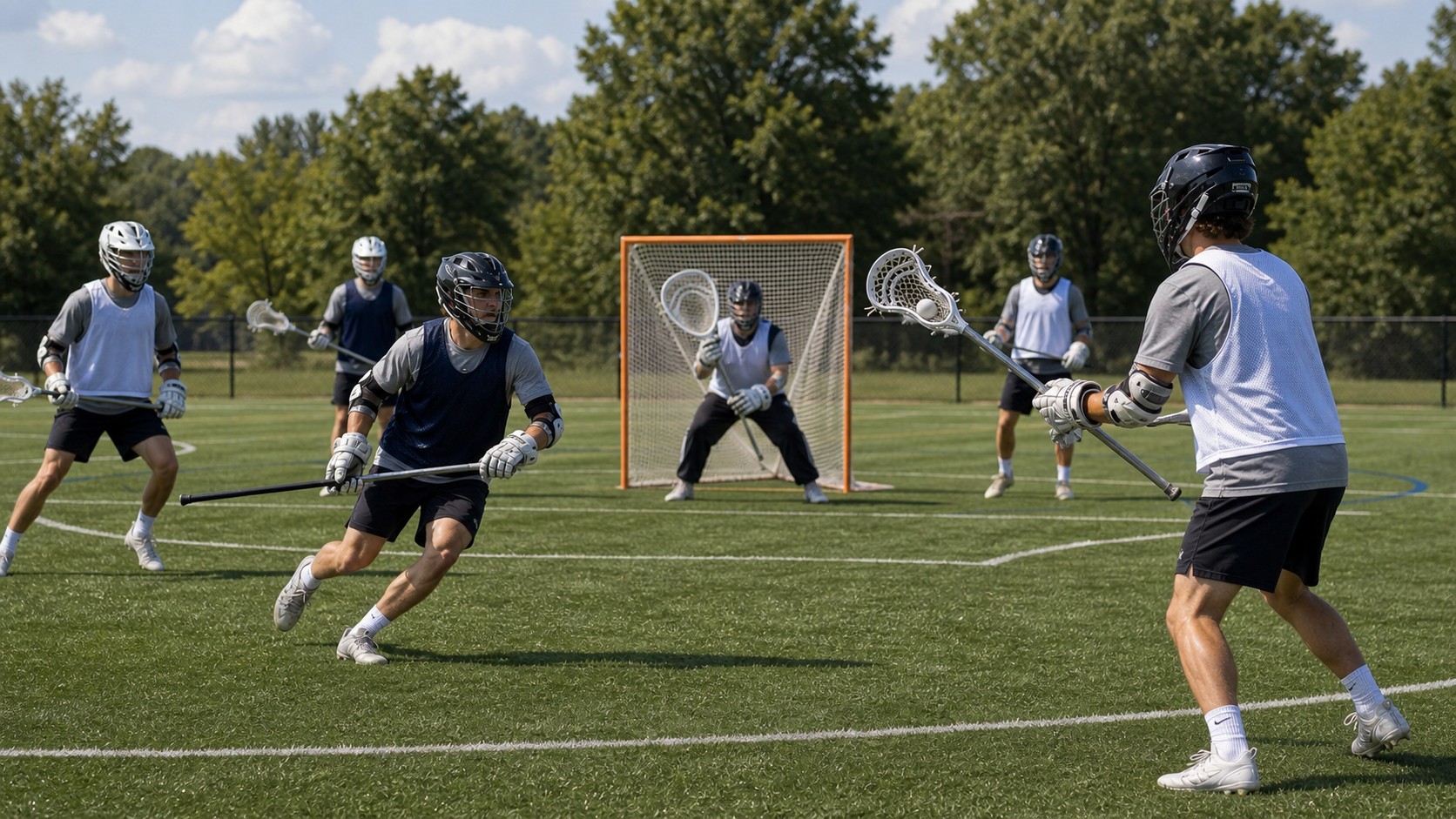
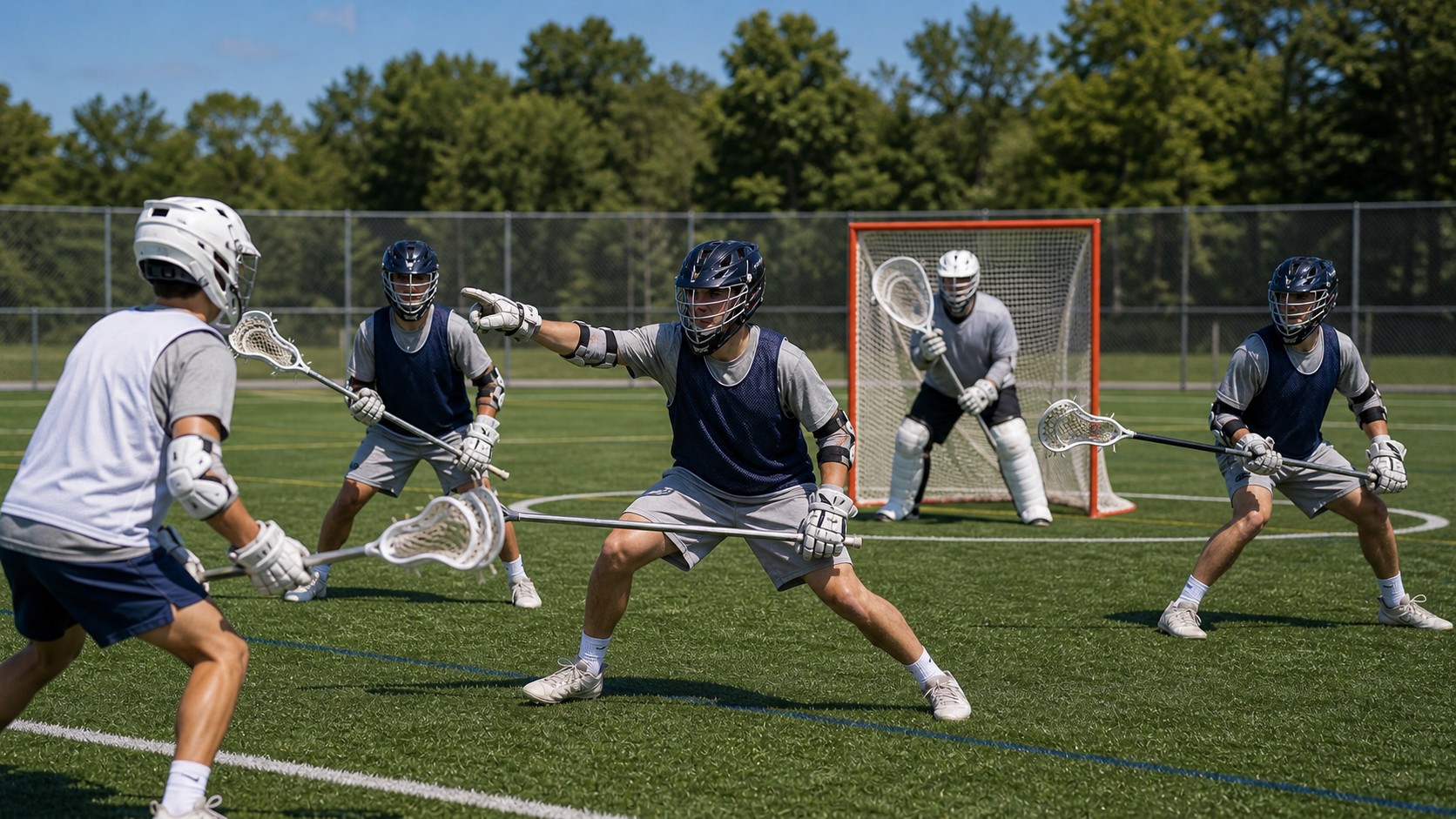
A zone defense asks players to guard space together. Instead of following one opponent everywhere, each defender owns an area and reacts when the ball, a cutter, or a shooting threat enters that area. The idea is to make the offense play through a connected shape.
That shared space must be active. A zone that only stands in a shell gives the offense time to pass, shoot, screen, and cut. The best zones pressure the ball while still protecting the middle.
Area Responsibility Is Not Guessing
Every defender needs to know the landmarks of the system. One player may be responsible for a wing area, another for the crease, another for the top, and another for the backside skip. Those landmarks keep the defense from drifting into random positions.
Area responsibility also changes as the ball moves. A defender may step to the ball, pass a cutter, sink toward the crease, then recover to the next pass. The assignment is an area, but the work is constant movement.
Coaches should teach the shape slowly before adding full offensive pressure. If players do not understand the starting picture, they will struggle when the offense begins to move quickly.
The Middle Comes First
Most zone defenses are built to protect the middle of the field. Crease feeds, inside catches, and central shots usually create the most dangerous chances. If a zone gives those away, it is failing at its main job.
Ball Pressure Keeps The Zone Alive
A common mistake is thinking zone defense means soft defense. The ball carrier still needs pressure. Without pressure, the passer can look through the defense, wait for cutters, and pick the exact skip pass that breaks the shape.
Good ball pressure does not mean reckless chasing. The defender steps with control, takes away easy hands, keeps a stick in the lane, and recovers when the ball moves. The pressure should bother the offense without tearing open the middle.
The Crease Must Be Accounted For
Crease players are dangerous against a zone because defenders may assume someone else has them. That assumption creates easy goals. A zone needs clear rules for bumping, fronting, passing off, and locating players near the goal.
The crease defender also helps the goalie. Screens, rebounds, and quick finishes all happen in tight space. If the goalie cannot see the shot or the defense cannot control rebounds, the zone will feel much weaker than it looks.
Teams should practice crease communication separately. Ball watching is natural, so defenders need repetitions that force them to see the ball and the nearest inside threat at the same time.
Communication Holds The Shape
Zone defense depends on voices. Ball, cutter, crease, skip, help, bump, and recover are not decoration. They are the system. Silent defenders leave teammates guessing about who steps, who sinks, and who has the next threat.
Rotations Must Be Early
Late rotations are one of the fastest ways to lose a zone. If the ball moves and the defender arrives after the shooter is already set, the offense has found the weak point. The zone has to move as the pass travels.
Early rotation does not mean abandoning responsibility. It means anticipating where the next threat is likely to appear. Players who read eyes, stick position, and offensive spacing can start moving before the pass fully exposes the defense.
Skip Passes Test The Backside
Offenses often attack zones with skip passes because the ball can move faster than defenders. A long pass from one side to the other can create an open shot if the backside defender is late or too narrow.
The backside player has a difficult job. Staying too far outside opens the crease. Staying too far inside invites the skip shot. The answer depends on the shooter, the score, the goalie, and how quickly teammates can recover.
This is why stick positioning matters. Even when a defender cannot cover everything, an active stick can make the skip pass slower, higher, or less accurate.
A Zone Can Change Tempo
Teams often use zone defense to change the rhythm of a game. An offense that has been winning with dodges may suddenly need to pass, screen, and shoot with patience. That change can create hesitation.
Zone Defense Can Protect Personnel
A zone can help when a team has one difficult matchup or tired defenders. Instead of leaving one player isolated on every dodge, the defense shares help earlier. The system can reduce the number of desperate individual stops required.
This benefit has limits. A zone cannot hide poor effort, slow recognition, or silent communication. It protects personnel only when the group accepts responsibility together.
Outside Shooting Changes The Risk
A zone often asks the offense to prove it can shoot from outside or from less comfortable angles. Against a team with average shooters, that may be a smart trade. Against elite shooters, the same plan can become dangerous.
Closeouts need to match the scouting report. A great shooter may require a harder step, while a hesitant shooter may be allowed more space. Zone defense should be strategic, not automatic.
Goalie vision matters too. An outside shot is much less manageable if screens block the release or defenders wave sticks without controlling bodies. The goalie needs a clean look whenever possible.
Rebounding Completes The Possession
Zone defenders can be vulnerable after shots because they are guarding areas instead of direct matchups. Once the shot goes up, players must find bodies, locate the ball, and prevent the offense from turning one chance into three.
Man And Zone Principles Overlap
Zone defense is different from man defense, but the principles are not completely separate. Defenders still need footwork, stick pressure, body position, communication, help awareness, and ground-ball toughness.
Players who understand man defense often become better zone defenders because they know how dodges create help. Players who understand zone often become better man defenders because they learn to see the whole field.
Offenses Try To Overload Zones
An overload puts more offensive players in one area than the defense can comfortably handle. This can force two defenders to choose between several threats. If the zone does not communicate, the overload creates confusion.
The defense can answer with early calls, compact recovery, and clear rules about who steps to the ball. Some teams shift the whole shape toward the overload. Others keep the middle protected and dare the offense to pass out of pressure.
The important point is that overloads are expected. A zone should not be surprised when the offense tries to bend it. Practicing those bends helps the defense recover without panic.
Young Teams Need Simple Zone Rules
Beginners can learn zone with simple rules. Protect the middle. Pressure the ball in your area. Talk when a cutter enters. Recover inside after challenging outside. Find a body after shots. Those cues make the system easier to remember.
A Zone Should Fit The Game
A team should not use zone defense only because it sounds clever. The decision should fit the opponent, the score, the clock, the goalie, the team's communication level, and the defenders available. A zone that fits one game may be the wrong answer in another.
For example, a zone may help protect a lead if the opponent is rushing. It may hurt if the opponent has time, shooters, and patient passers. Context decides whether the trade is worth it.
Practice The Switch Into Zone
Changing from man to zone during a game can confuse the offense, but it can also confuse the defense if players have not practiced the switch. Everyone needs to know the call, the first shape, and the first priority after the call.
The switch is especially important after timeouts, clears, substitutions, or defensive scrambles. A late call can leave players halfway between systems. That is when zones give up easy goals.
Coaches should rehearse the transition into zone at game speed. The defense should hear the call, find the landmarks, communicate matchups in areas, and settle into the shape quickly.
Film Shows The Hidden Breakdown
Zone mistakes are not always obvious live. A goal may come from a wide-open shooter, but the real breakdown might have started when a cutter was not passed off two seconds earlier. Film helps teams see the chain of responsibility.
The Best Zones Stay Active
Active zones are difficult to play against because they protect the middle while still bothering the ball. They close out, recover, talk, bump cutters, find rebounds, and adjust to scouting. They make the offense solve the defense instead of simply waiting for it to stand still.
Passive zones are different. They invite rhythm. The offense has time to measure shots, screen the goalie, and overload the weak point. The difference between active and passive is effort with purpose.
Zone Defense Is A Team Promise
Zone defense works when every player accepts shared responsibility. The ball defender pressures without overextending. The inside defender protects the crease without disappearing. The backside defender stays alert. The goalie organizes the picture.
That promise is what makes zone defense more than a formation. It is a way of agreeing that the team will protect dangerous space together. Every rotation says the next player is ready, and every call tells a teammate they are not defending alone.
When teams use zone with discipline, it can slow a dangerous offense, change momentum, and make opponents earn better shots. When they use it lazily, it becomes an invitation. The system itself is only as strong as the movement and communication inside it.
Substitutions Can Change The Zone
A zone can look organized until substitutions pull players away from their landmarks. Teams should communicate who is entering, who is staying low, and whether the shape remains the same after the change. Clean substitution habits keep the defense from giving up an easy chance while players are sorting out roles.
Clears Matter After Zone Stops
A zone possession is not complete after the first save or loose ball. Because defenders may be packed near the middle, they need a plan for outlets, ground balls, and clearing lanes. Otherwise the offense can ride immediately and turn the defensive stand into another long possession.
Goalies can help by naming the first safe outlet before the rebound chaos settles. Field players should widen with purpose, protect sticks, and avoid throwing hopeful passes through traffic. A clean clear rewards the patience the zone just required.
Zone Confidence Comes From Knowing The Trade
Every zone makes a trade. It may give up some outside possession to protect inside chances, or it may slow dodgers while asking closeout players to challenge shooters. Players defend better when they understand that trade instead of treating every pass as an emergency.
That understanding creates composure. A defender can step hard to a dangerous shooter, hold inside against a harmless pass, or recover toward the crease without feeling late. The system gives the decision a reason.
When the whole team knows the trade, the zone becomes calmer and sharper. The defense is no longer reacting to every movement equally. It is protecting the spaces that matter most and forcing the offense to beat the plan.