How To Start Playing Men’s Lacrosse
Starting men's lacrosse is easier when the first steps are simple and practical. A new player needs safe gear, a legal stick, basic throwing and catching habits, ground-ball confidence, an understanding of contact rules, and enough positional awareness to join practice without feeling lost. The sport can look fast from the sideline, but beginners do not need to master every system immediately. They need a roadmap that turns the first few weeks into manageable progress and gives every practice a clear purpose from warmup to cooldown. That structure helps confidence grow steadily over time together.
A: Find a beginner-friendly program, confirm gear requirements, and start practicing basic stick skills.
A: It can be physical, but good programs introduce contact safely and progressively.
A: Wall ball, ground balls, cradling, and simple footwork are the best starting habits.
A: No. Rotating early helps players learn the game before specializing.
A: Requirements vary by league, but helmet, gloves, pads, mouthguard, cleats, and stick are common.
A: Yes. Many players begin with no stick background and improve through repetition.
A: A successful first season builds safety, confidence, basic skills, and interest in returning.
A: They can support routines, ask coaches practical questions, and praise effort and listening.
A: After accuracy, footwork, and safe mechanics are reliable.
A: The game usually feels clearer after repeated practices, simple rules, and more live reps.
Start With A Program That Teaches Beginners
The first step is finding a program that knows how to welcome new players. A strong beginner environment explains gear, safety, practice routines, and skill expectations before asking players to compete at full speed. This matters because men's lacrosse can feel intimidating when the first exposure is only a fast game.
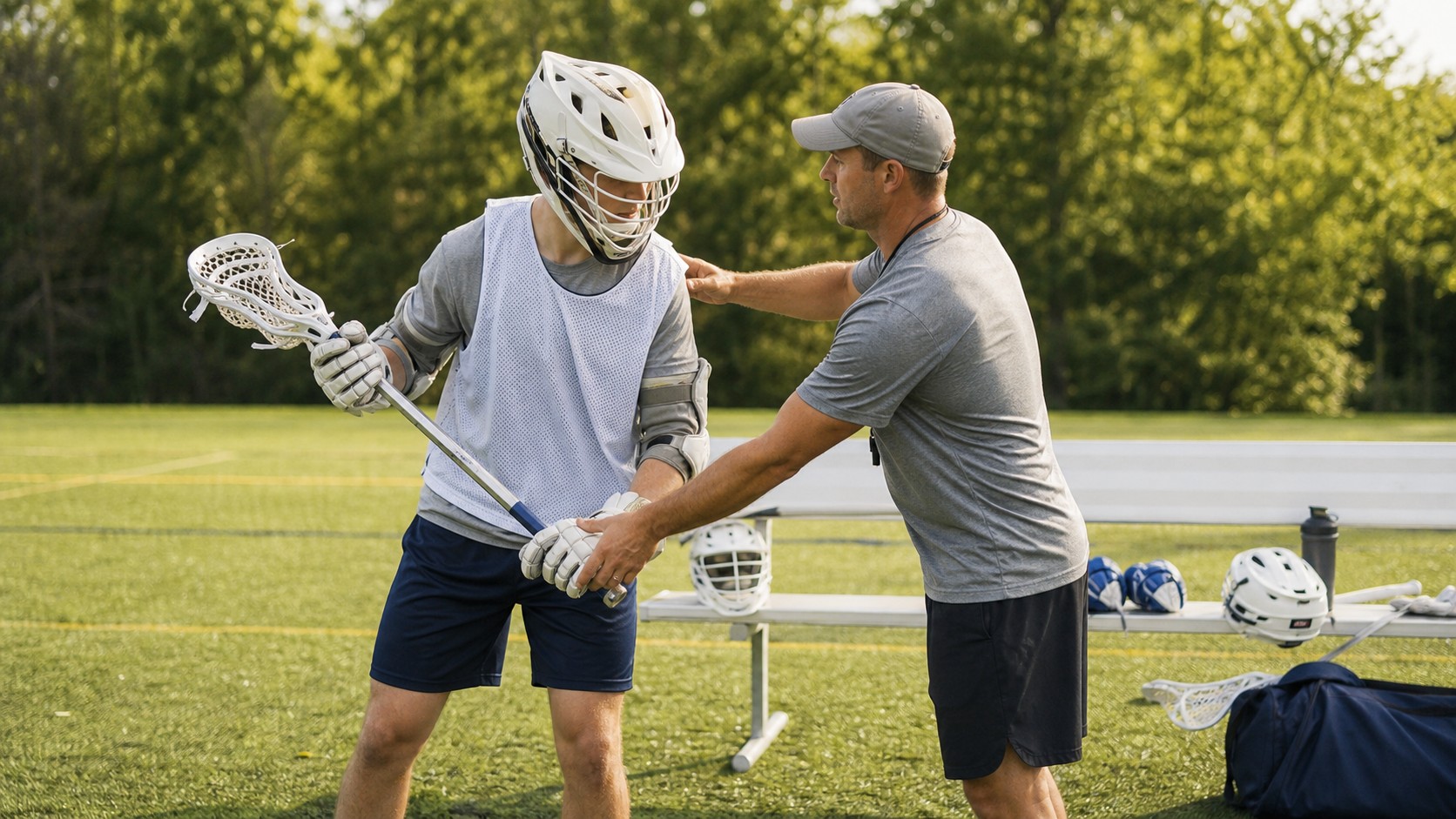
Ask whether the program has beginner groups, loaner gear, parent information, and clear contact progression. A good coach should be able to explain how players move from basic stick work into live drills. If every answer sounds like the player should already know the sport, the environment may not be right for a first season.
Players should also choose a start point that matches their age and confidence. A youth beginner, high school beginner, and adult beginner may need different pacing. The roadmap is the same in spirit, but the details should fit the player in front of the coach.
Gear Comes Before Speed
Before the first full practice, gear has to fit. A helmet that shifts, gloves that swallow the hands, pads that restrict movement, or cleats that slip can distract a beginner from learning. Fit and safety matter more than buying the most expensive setup. A comfortable player learns faster.
The First Skills Are Simple For A Reason
Throwing, catching, scooping, and cradling are the foundation. They may not look advanced, but every position depends on them. A player who can catch a routine pass, scoop through a ground ball, and move the ball safely can participate in more drills and understand more of practice.
Beginners should not rush into complex dodges or hard shots before the basics settle. A hard throw that misses the target is less useful than a short accurate pass. A dramatic cradle that exposes the stick is less useful than a quiet cradle that protects the ball. Simple skills create trust.
Learning Contact Safely
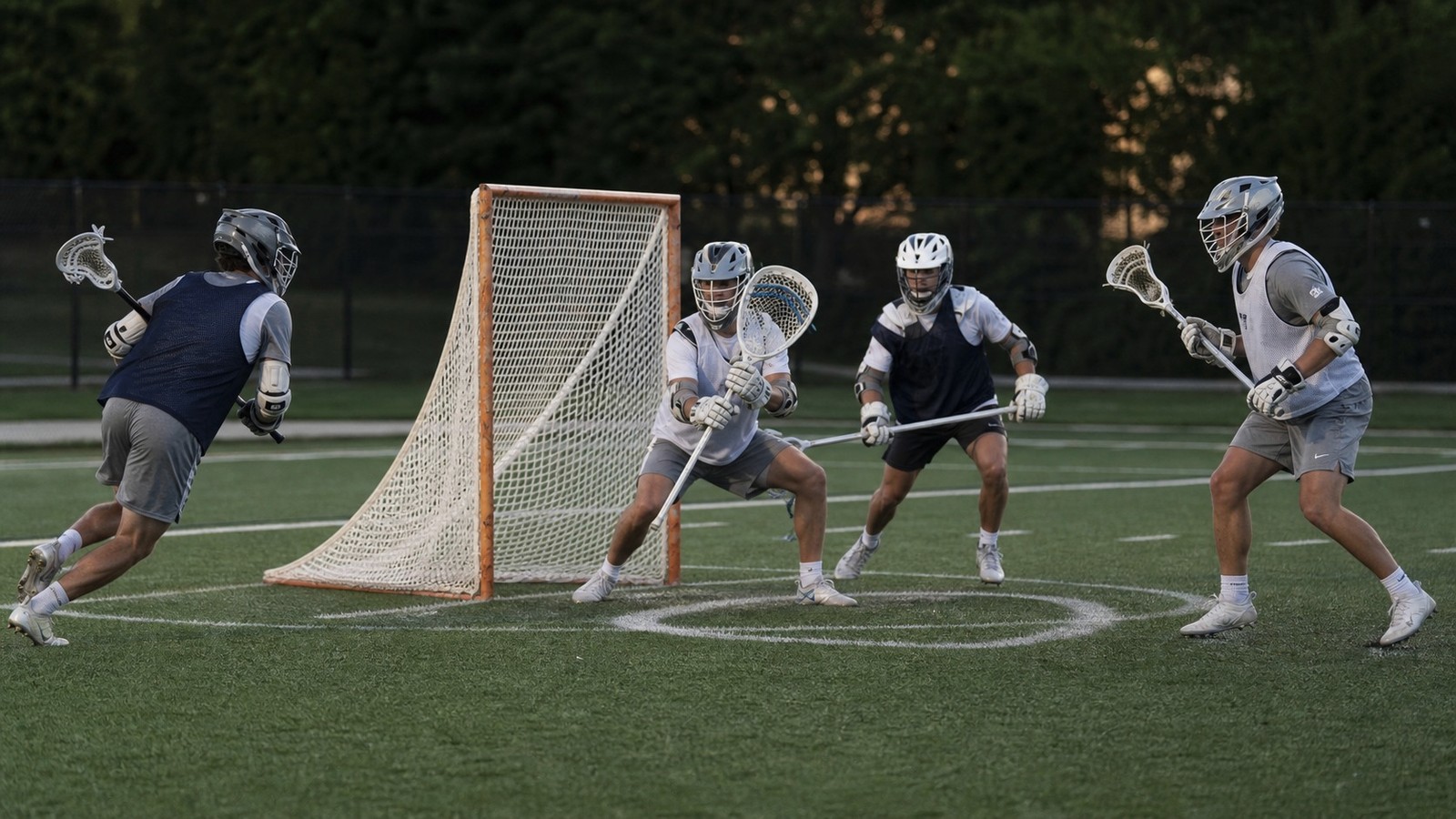
Men's lacrosse includes legal contact, but beginners need to learn that contact through rules and technique. Safe contact starts with footwork, body position, balance, and awareness of vulnerable players. Wild swings and late hits do not make a player tough; they create danger and penalties.
Coaches should introduce contact in steps. Players can begin with body position, then controlled pressure, then live situations. This pacing helps beginners understand what is legal before emotions rise. It also teaches that physical play should serve the team rather than become a reaction to frustration.
Parents can listen for how coaches talk about safety. The best language is clear and specific: keep your head up, approach under control, check legally, respect the whistle, and protect teammates. That language helps players enjoy the physical side without treating recklessness as part of the sport.
Positions Can Wait Until The Game Makes Sense
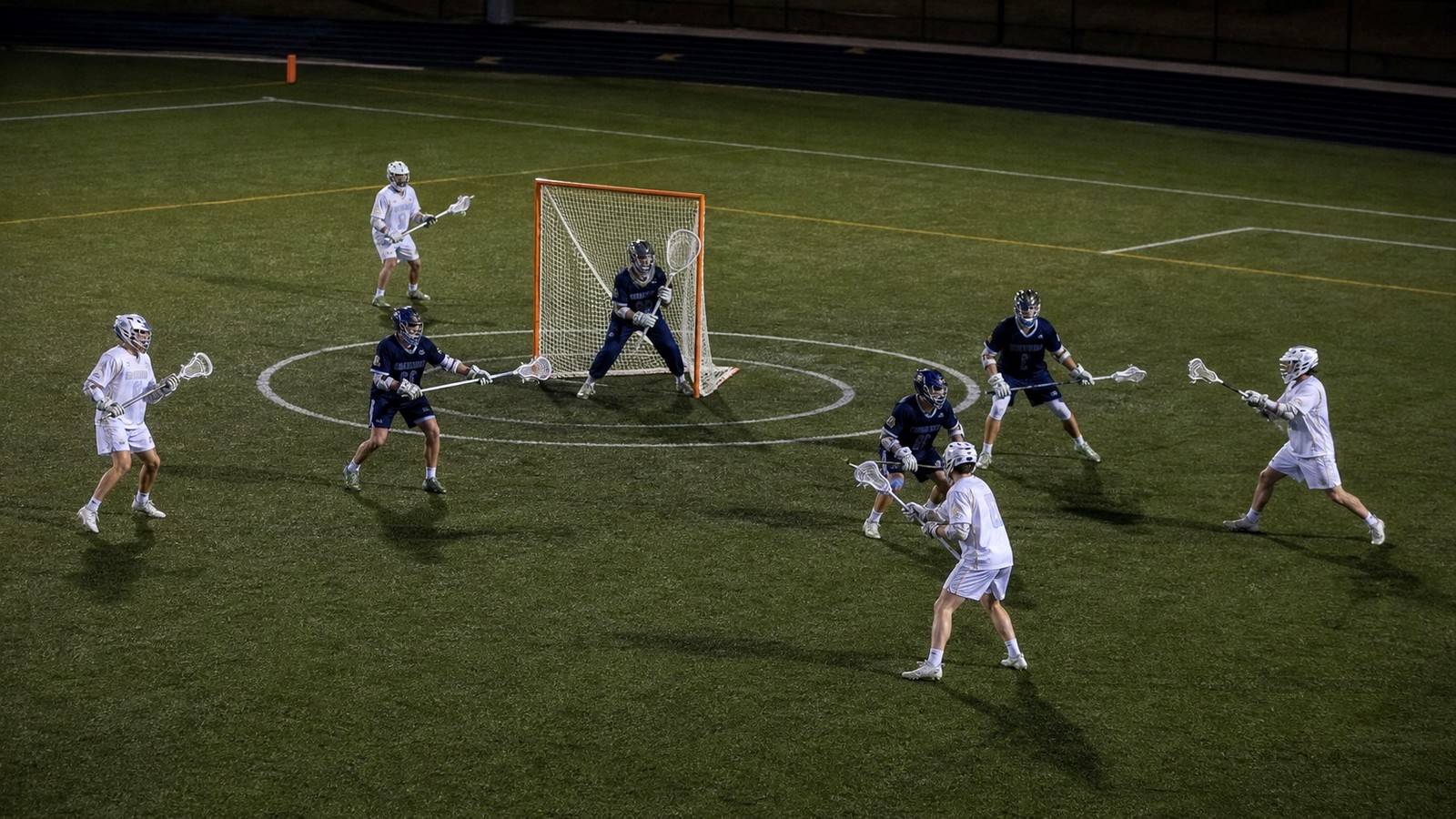
Beginners often want to know their position immediately, but early rotation can be helpful. Attack, midfield, defense, and goalie all reveal different parts of the game. Trying several roles helps a player understand spacing, possession, and teamwork before specialization narrows the view.
Eventually, a player may gravitate toward a role. A quick, creative player may enjoy attack. A strong runner may like midfield. A patient communicator may become a defender. A brave, focused athlete may try goalie. The right position often appears after the player has enough experience to understand the responsibilities.
Practice Habits Matter More Than Talent Claims
A beginner improves through repetition. Short wall-ball sessions, steady ground-ball work, and consistent attendance matter more than declaring someone naturally athletic. Lacrosse has a stick-skill learning curve, and even talented players need touches. The players who practice calmly often catch up quickly.
How Parents Can Support The Roadmap
Parents can make the first season easier by supporting routines. Pack gear early, arrive with enough time, bring water, and help the player ask the coach appropriate questions. These small habits reduce stress before practice starts.
Parents should also notice progress that does not show on a scoreboard. A cleaner catch, a won ground ball, a safe defensive approach, or better listening after a whistle are real wins. Praising only goals can make a beginner miss the many ways they are improving.
What To Watch During Early Games
Early games may look messy, and that is normal. New players are trying to manage the stick, spacing, pressure, and rules at once. Instead of judging every mistake, watch whether the player keeps moving, listens after whistles, supports teammates, and tries the skills from practice.
A beginner who does not touch the ball often can still learn. Watch off-ball spacing, defensive positioning, substitutions, and communication. These quiet responsibilities prepare players for bigger moments later.
The game will begin to slow down as patterns repeat. Clears, rides, ground balls, and settled possessions become easier to recognize. The player does not need instant fluency; they need enough repetition to see the same situations again.
Common First-Season Frustrations
The most common frustration is dropping the ball. This happens to nearly everyone. The answer is not embarrassment; it is more controlled catching and better stick position. Another frustration is not knowing where to stand. Coaches can help with simple landmarks and repeated explanations.
A First Month Plan
In the first month, focus on gear comfort, wall ball, ground balls, cradling, and basic rules. Learn how practice is structured and where to line up. Ask one question at a time. If everything is treated as urgent, the player may feel overwhelmed.
By the end of that month, the player should feel more comfortable carrying the stick and joining simple drills. They may still make plenty of mistakes, but the sport should feel less foreign. That is meaningful progress.
A Good Beginner Keeps Coming Back
The best first-season goal is returning with curiosity. A player who wants to come back will get more touches, more coaching, and more chances to improve. Confidence grows through repetition, and repetition requires a positive relationship with practice.
Men's lacrosse rewards speed, strength, skill, and toughness, but beginners should start with reliability. Catch the ball a little better. Scoop with more confidence. Listen after the whistle. Move to open space. These small steps are the roadmap.
A returning beginner also gives coaches something to build on. The first few weeks create language, habits, and trust. Once those are in place, the coach can add more pace and detail without the player feeling completely lost.
The player should finish the early stage knowing the next assignment. That assignment might be twenty clean wall-ball catches, better ground-ball posture, or learning one position's spacing. A clear next step keeps enthusiasm attached to action.
What The Second Month Should Add
After the first month, the roadmap can widen. A player who is more comfortable with the stick can begin learning how possessions connect. Clears, rides, substitutions, simple dodges, defensive approaches, and shot selection can be introduced in practical pieces. The goal is not to overwhelm the player, but to show how the basic skills fit into live play.
This is also a good time to learn more about positions. A beginner may still rotate, but the player can start noticing which responsibilities feel natural. Some players enjoy dodging and feeding. Some like running through midfield. Some prefer the clarity of defense. Some are drawn to goalie. Exploration keeps the player open-minded.
Coaches can help by giving specific second-month goals. Win three ground balls in practice. Complete the easy outlet under pressure. Communicate on defense before the dodge. Take accurate shots before adding power. These targets create progress without reducing development to goals scored.
Mistakes That Show Real Learning
Not every mistake is a bad sign. A beginner who drops a pass while moving to open space may be learning the right habit with imperfect execution. A defender who gets beat while trying proper footwork may be closer to improvement than a player who swings wildly and guesses. Coaches should explain the difference between a bad habit and a developing habit.
Players should learn to ask what the mistake means. Was the pass late? Were the hands too stiff? Was the player standing in a crowded lane? Did the defender approach from the wrong angle? This kind of question turns frustration into a specific next rep.
Keeping The Roadmap Flexible
A roadmap is helpful, but it should not become rigid. Some players catch quickly and need more spacing instruction. Others understand positioning but need more stick work. A player returning from another sport may have athletic confidence but need rule clarity. The order of lessons should respond to the player.
Families can support flexibility by communicating with coaches. If the player is nervous about contact, ask how contact will be introduced. If gear is uncomfortable, solve that before judging effort. If practice feels confusing, ask for one focus for the week. Small adjustments can keep the player engaged.
Starting men's lacrosse is a process of becoming comfortable with a fast sport piece by piece. The roadmap works when it reduces confusion and builds the desire to keep learning. A beginner who knows what to practice next is already moving in the right direction.
How To Know The Roadmap Is Working
The roadmap is working when practice feels more understandable than it did at the start. The player recognizes warmup routines, knows where to stand for basic drills, and can explain a few common whistles. The sport may still be difficult, but it should no longer feel completely random.
Skill signs matter too. Catches become cleaner, ground balls become less awkward, and the player starts looking up before passing. Defensive footwork becomes calmer. The player may still miss shots or drop passes, but the trend should point toward more confidence and better decisions.
What Comes After The First Season
After the first season, the player can choose a more focused path. Some will add wall-ball goals, shooting practice, or a summer clinic. Others may try a new position, strength training, or film study. The next step should match the player's interest and the coach's honest feedback.
This is also the time to review gear. A player who continues may need better-fitting pads, a stick adjustment, or cleats that match the surface. Upgrades make more sense after the player knows what the game feels like and what their body needs.
The first season should end with a simple reflection: what improved, what was fun, and what needs attention next? That conversation turns the beginner roadmap into a longer development plan without making the sport feel heavy.