Men’s Lacrosse Gear Guide
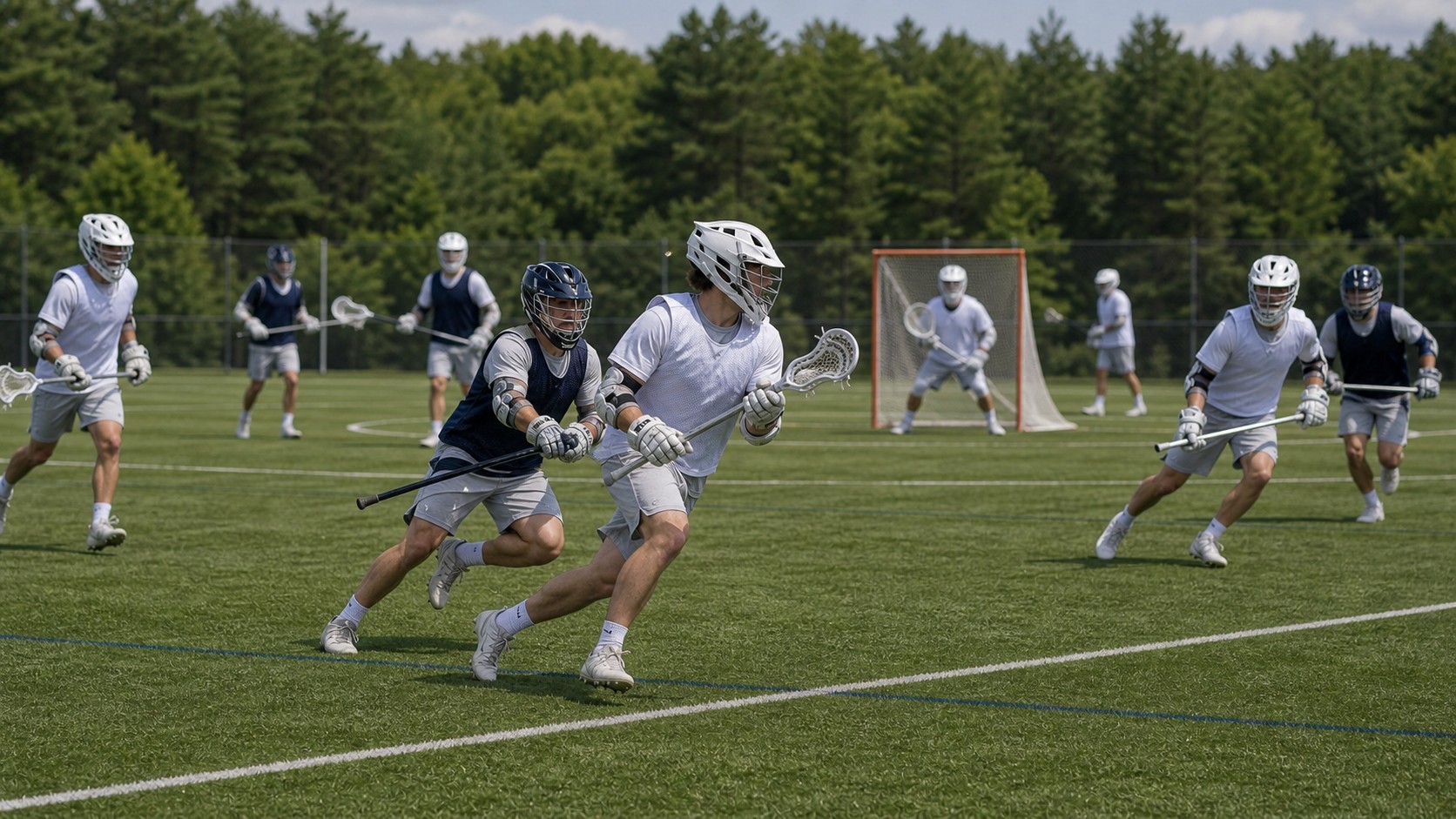
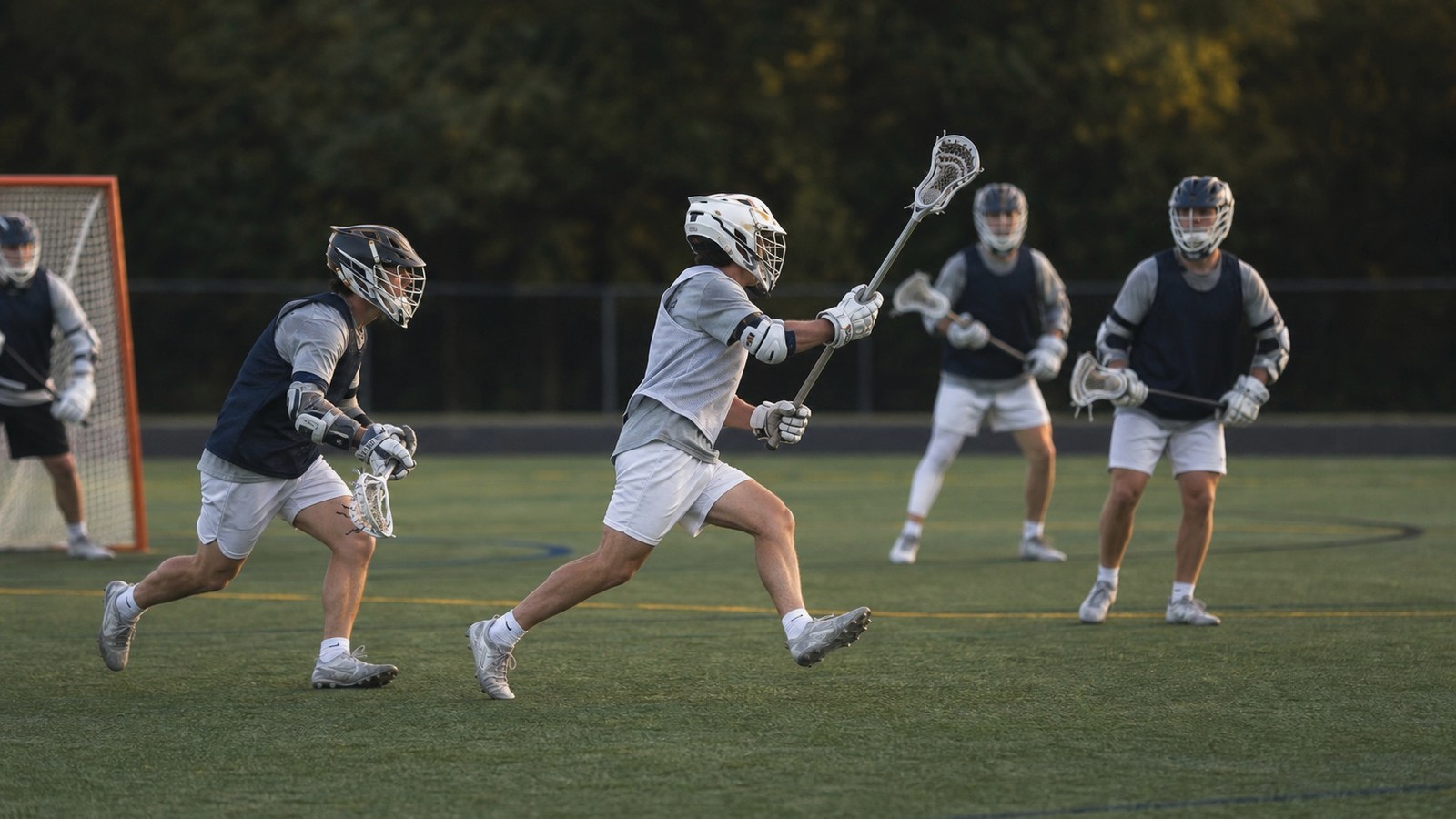
Men's lacrosse gear should help a player feel protected, mobile, and ready to learn. The basic setup usually includes a helmet, gloves, shoulder or chest protection, arm protection, mouthguard, cleats, athletic support, and a legal stick. Goalies need specialized equipment. The exact rules can vary by league and age group, so players should confirm requirements before game day. The best gear plan starts with safety and fit before style or price.
A: Start with required protective gear, a legal stick, cleats, mouthguard, and a bag to keep everything organized.
A: Not usually. Safe fit and rule compliance matter more than premium features early.
A: It should feel secure, stay stable during movement, and meet the league's safety standard.
A: Stick length and head style can vary by position, rule set, and player needs.
A: Goalies use specialized chest, throat, hand, stick, and sometimes leg protection.
A: It can be, but only if condition, fit, and certification are verified.
A: Before practice or game day, not during the rush after warmups begin.
A: Poor fit distracts players and can reduce protection during contact.
A: Water, mouthguard, pads, gloves, helmet, stick supplies, weather layers, and small essentials.
A: The local coach, league, or official rule source should confirm exact requirements.
Start With Safety Requirements
The first gear question is not what looks best. It is what the league requires and what protects the player correctly. Men's lacrosse includes contact, stick checks, ground-ball traffic, and fast shots. Gear helps manage those risks, but only when it fits and meets the correct standard.
Helmet Fit Needs Attention
A helmet is one of the most important pieces of men's lacrosse equipment. It should sit securely, protect the head, and stay stable during movement. If a helmet slides when a player runs or turns, it needs adjustment. Players should not wait until game day to discover a fit problem.
Certification and condition matter too. A helmet that looks fine may not be acceptable if it is outdated, damaged, or missing required parts. Families should confirm standards with the league or coach. Buying used can reduce cost, but safety checks are essential.
Players should also practice with the helmet before competition. Vision, communication, and comfort feel different with full gear. A beginner who warms up in complete equipment will be less distracted when live play begins.
Gloves And Pads Should Protect Without Fighting The Player
Gloves need to protect the hands while still allowing grip and feel. A glove that is too loose can make stick control awkward. A glove that is too tight can limit movement and comfort. Players should pass, catch, and cradle in gloves before deciding the fit works.
Shoulder and arm protection should be checked the same way. Gear should stay in place while the player runs, shoots, scoops, and defends. If pads slide constantly, the player may spend practice fixing equipment instead of learning. Good fit makes gear disappear into the routine.
The Stick Has To Be Legal And Usable
A stick is both equipment and skill tool. Beginners need a stick that is legal, comfortable, and forgiving enough to learn with. An advanced setup with a tricky pocket may look appealing, but it can make catching and passing harder if the player does not yet understand how the stick throws.
Cleats And Mouthguards Are Easy To Underestimate
Cleats affect balance, acceleration, and safety. A player should match footwear to the surface and break in the pair before a long game day. Slipping during a cut or ground-ball approach can create avoidable mistakes. Comfortable feet matter more than many beginners expect.
Mouthguards are simple but non-negotiable in many leagues. They should fit well enough that the player keeps them in place. A mouthguard that is always being chewed, removed, or forgotten is not doing its job. Packing a spare is an easy way to prevent a stressful delay.
These small items are part of preparation. A player who has cleats tied, mouthguard ready, and water nearby can focus on the game. A player searching for essentials during warmups starts the day distracted.
Goalie Gear Is Its Own Category
Goalies should not simply borrow field-player protection and hope it works. The position faces harder shots, different angles, and unique safety needs. Goalie equipment should be chosen with coach guidance and rule awareness. A new goalie deserves a careful fit check before live shooting begins.
Goalie sticks, chest protection, gloves, throat protection, and other position-specific items can vary by level. Families should ask direct questions before buying. The goal is to keep the player protected and confident, not to improvise with incomplete gear.
A Game Bag Is A System
A gear bag should make game day calmer. Pack the same way every time so missing items are obvious. Helmet, gloves, pads, cleats, mouthguard, water, tape, and weather layers should have a routine place. A player who owns the packing process builds responsibility.
Clean gear matters too. Wet pads left in a closed bag can create odor and wear. A simple airing-out routine after practices protects the investment and makes the next session more pleasant.
Parents can help younger players build this routine, but the player should gradually take ownership. Remembering gear is part of becoming a reliable teammate.
Buying New, Used, Or Borrowed
Many beginners do not need to buy everything new immediately. Some programs offer loaner gear, and some families use verified secondhand equipment. The key word is verified. Safety condition, fit, and rule compliance still matter. A bargain that does not protect properly is not a bargain.
Fit Checks Before Game Day
A full fit check should happen before the first game. Put on everything, run, pass, scoop, shoot lightly, and practice sitting or standing on the sideline. This reveals problems that are not obvious in a store or at home. It also lets the player learn how the setup feels while moving.
Coaches can make this part of early practices. A few minutes of gear attention can prevent injuries, delays, and frustration. It also teaches players that preparation is part of the sport.
What Not To Worry About First
Beginners do not need to worry about every accessory, color scheme, or advanced stringing preference. Those choices can come later. First, the player needs safe gear that fits and a stick that helps them learn. The game will reveal preferences over time.
A player may eventually want different gloves, a position-specific stick, or upgraded cleats. Those upgrades are more useful after the player understands actual needs. Early purchases should keep the first season simple.
The best gear guide is practical: meet requirements, fit everything, pack consistently, and ask coaches before guessing. A player who arrives protected and organized has already solved one of game day's biggest beginner challenges.
Checking Gear As Players Grow
Youth and high school players can outgrow gear quickly. Pads that fit in March may feel tight by the end of a season. Gloves may become too short in the fingers, arm pads may slide, and cleats may pinch. A midseason check helps prevent small fit problems from becoming distractions.
Growth also changes how a player moves. A taller, stronger athlete may need different stick length guidance, more secure pad adjustment, or cleats that support sharper cuts. Families should not assume last season's setup is still correct. Gear is part of ongoing development.
How Gear Affects Confidence
Good gear does not make a player skilled by itself, but poor gear can make skill development harder. A player who worries about a loose helmet or sliding pad is not fully focused on catching, defending, or listening. Comfortable equipment frees attention for the game.
Confidence also comes from knowing the setup is complete. A beginner who arrives with every required item can join warmups calmly. A player who is missing a mouthguard or fighting broken straps starts behind mentally. Organization is not glamorous, but it supports performance.
Coaches notice preparation. A player who packs reliably, checks gear, and speaks up about fit issues shows responsibility. Those habits matter in a team sport where small details affect everyone. Being ready is one of the first ways a beginner can become dependable.
A Calm Game-Day Routine
A calm game-day routine begins before leaving home. Check the bag, confirm the stick, pack water, and make sure the mouthguard is present. Arrive early enough to dress without rushing. This routine protects the player from avoidable stress.
After the game, the routine should continue. Air out pads, clean obvious dirt, check for damage, and repack essentials. The next practice becomes easier because the player is not solving yesterday's mess. Good gear care is really good season care.
Common Gear Mistakes
One common mistake is buying for appearance before fit. A piece of equipment can look sharp and still be wrong for the player. If gloves limit hand movement, pads slide during passing, or cleats cause discomfort, the gear is working against development. Fit should lead the decision.
Another mistake is assuming the stick is ready because it is new. Pocket shape, head tightness, and legal setup all affect play. A beginner may not know why passes are inconsistent if the stick throws poorly. A coach inspection can prevent weeks of frustration.
A third mistake is waiting until game morning to solve problems. Missing mouthguards, broken straps, wet cleats, or loose screws create avoidable stress. A checklist the night before is a simple habit that keeps game day focused on lacrosse.
Season Maintenance Habits
Gear maintenance should be small and regular. Air out pads, wipe mud from cleats, check helmet hardware, inspect gloves, and make sure the stick head is secure. These jobs take little time when done often and much more time when ignored.
Players should also learn when to ask for help. A cracked helmet, damaged pad, broken head, or unsafe cleat should not be patched casually. Safety problems need an adult, coach, or qualified equipment source. Knowing the difference between a minor fix and a replacement issue matters.
Final Pre-Whistle Check
Before the first whistle, a player should be dressed, hydrated, and mentally present. Helmet secure, mouthguard ready, gloves on, pads adjusted, cleats tied, stick checked, and water nearby. This quick scan prevents small problems from becoming interruptions.
The check should be personal, not only parent-driven. Young players may need reminders at first, but ownership should grow. A player who manages gear learns responsibility that carries into practice habits and team trust.
Men's lacrosse gear is not about collecting equipment. It is about creating a safe, reliable setup that lets the player focus on the game. When gear fits, meets rules, and is packed consistently, the player has one less obstacle between preparation and performance.
How Coaches Can Help With Gear
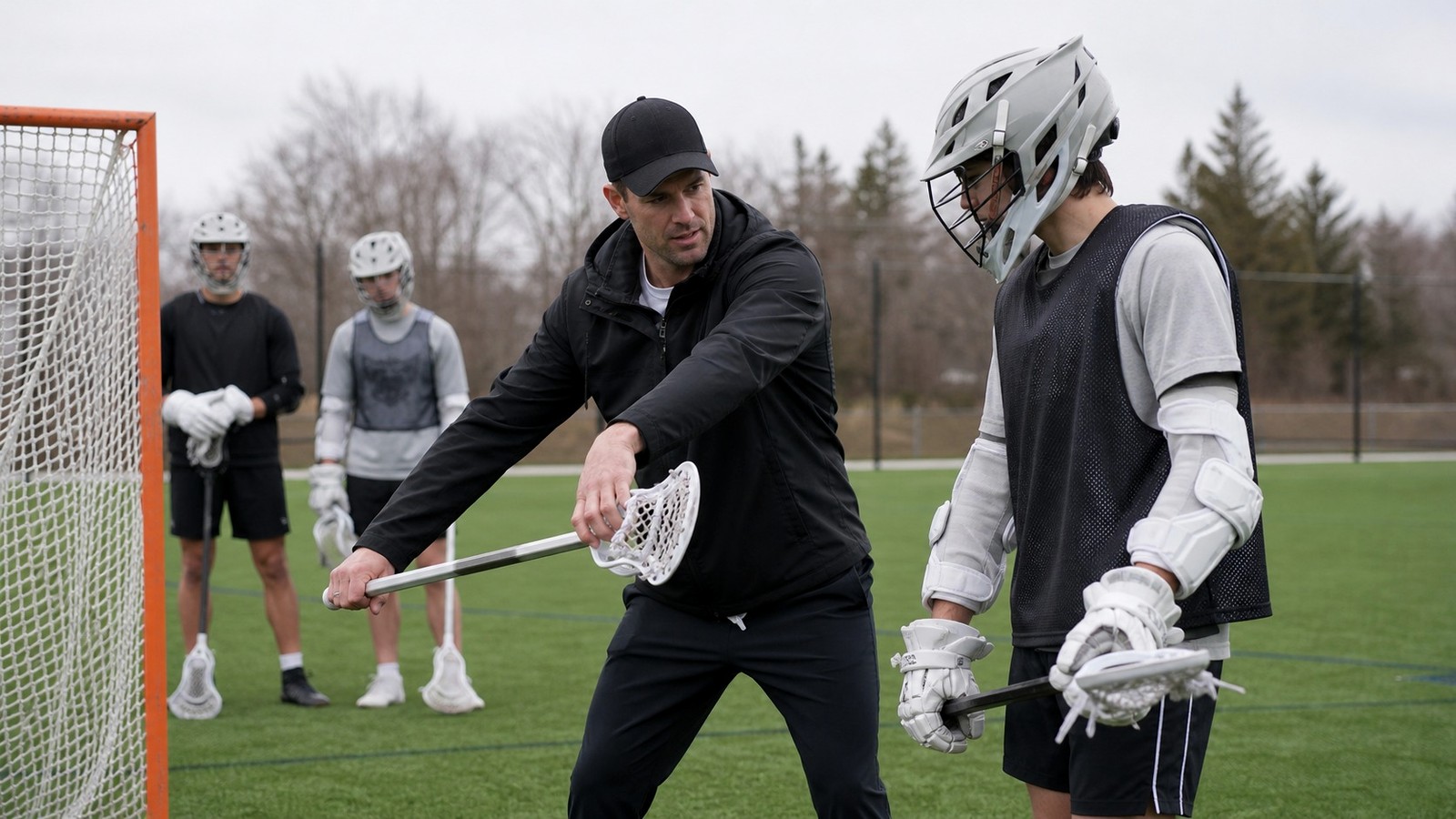
Coaches can reduce gear confusion by setting clear expectations before the season starts. A simple checklist, a fit night, or a short parent meeting can prevent many avoidable problems. New families should not have to guess which items are required and which are optional.
During early practices, coaches can also watch how gear affects movement. If a player avoids contact because a pad slips, or throws awkwardly because gloves are too large, the issue may not be effort. Gear feedback can be part of coaching.
Gear Choices Become Clearer With Experience
After several weeks, players usually understand their preferences better. They know whether the stick feels comfortable, whether cleats grip the surface, and whether pads stay put during drills. This experience makes later purchases smarter.
Families can use that information to upgrade carefully. Instead of buying every accessory, they can solve real problems: fit, comfort, durability, or position-specific needs. Gear becomes less mysterious when it is connected to actual play.
The best setup is the one that lets the player practice safely and confidently. It does not have to be flashy. It has to work, meet the rules, and show up complete on game day.