How Scoring Works In Men’s Lacrosse
Scoring in men's lacrosse is simple at the surface: a team scores when the ball fully crosses the goal line inside the legal goal frame. The details become more interesting when you add crease rules, goalie protection, shot selection, assists, penalties, possession value, and game situations. A goal is worth one point, but not every shot is equally smart. Understanding how scoring works helps new players and fans see why teams sometimes shoot quickly, pass one more time, or reset instead of forcing a chance. It also shows why the best scoring plays often begin before the shooter touches the ball, through movement, pressure, and patience. Good scorers learn to value the whole sequence, not just the release, because the setup often decides the finish under pressure and traffic. That fuller view makes every goal easier to understand.
A: A legal goal is worth one point.
A: It scores when the ball fully crosses the goal line inside the legal goal frame.
A: Yes, crease violations, goalie interference, or other illegal actions can prevent a goal from counting.
A: Yes, assists credit the pass that directly creates the goal.
A: Yes, any legal player can score if they take a legal shot.
A: They may want a better angle, safer possession, or a matchup that creates a higher-quality chance.
A: Angle, distance, goalie view, pressure, timing, and rebound support all shape the chance.
A: Penalties can create man-up situations where the offense has more space and one extra player.
A: Yes, a save and clean outlet can begin a fast transition chance.
A: Possession gives a team the chance to create shots while preventing the opponent from scoring.
A Goal Is Simple, The Build-Up Is Not
The simplest scoring rule is that the ball must completely cross the goal line inside the goal frame. If it does, and no violation wipes it away, the team earns one point. That part is easy. The build-up is where men's lacrosse becomes strategic.
A goal may come from a dodge, feed, rebound, fast break, man-up possession, ride, or broken clear. The scoreboard records the final shot, but the chance may have started several decisions earlier. Understanding scoring means watching the possession before the ball enters the net.
Shot Quality Matters More Than Shot Count
New players sometimes think more shots automatically mean better offense. Experienced teams care about shot quality. A low-angle attempt with no rebound support may be less useful than one more pass. A central shot through a screen may be dangerous even if the shooter does not have much time.
Shot quality depends on angle, distance, pressure, goalie vision, release speed, and the game situation. A wide-open outside shot can be good for a strong shooter. A rushed outside shot can be exactly what the defense wanted. The same location can mean different things depending on context.
This is why coaches talk about discipline. A disciplined offense does not avoid shooting; it chooses shots that reward the possession. A disciplined shooter understands when to attack, when to fake, when to pass, and when to reset.
The Crease Can Decide Whether A Goal Counts
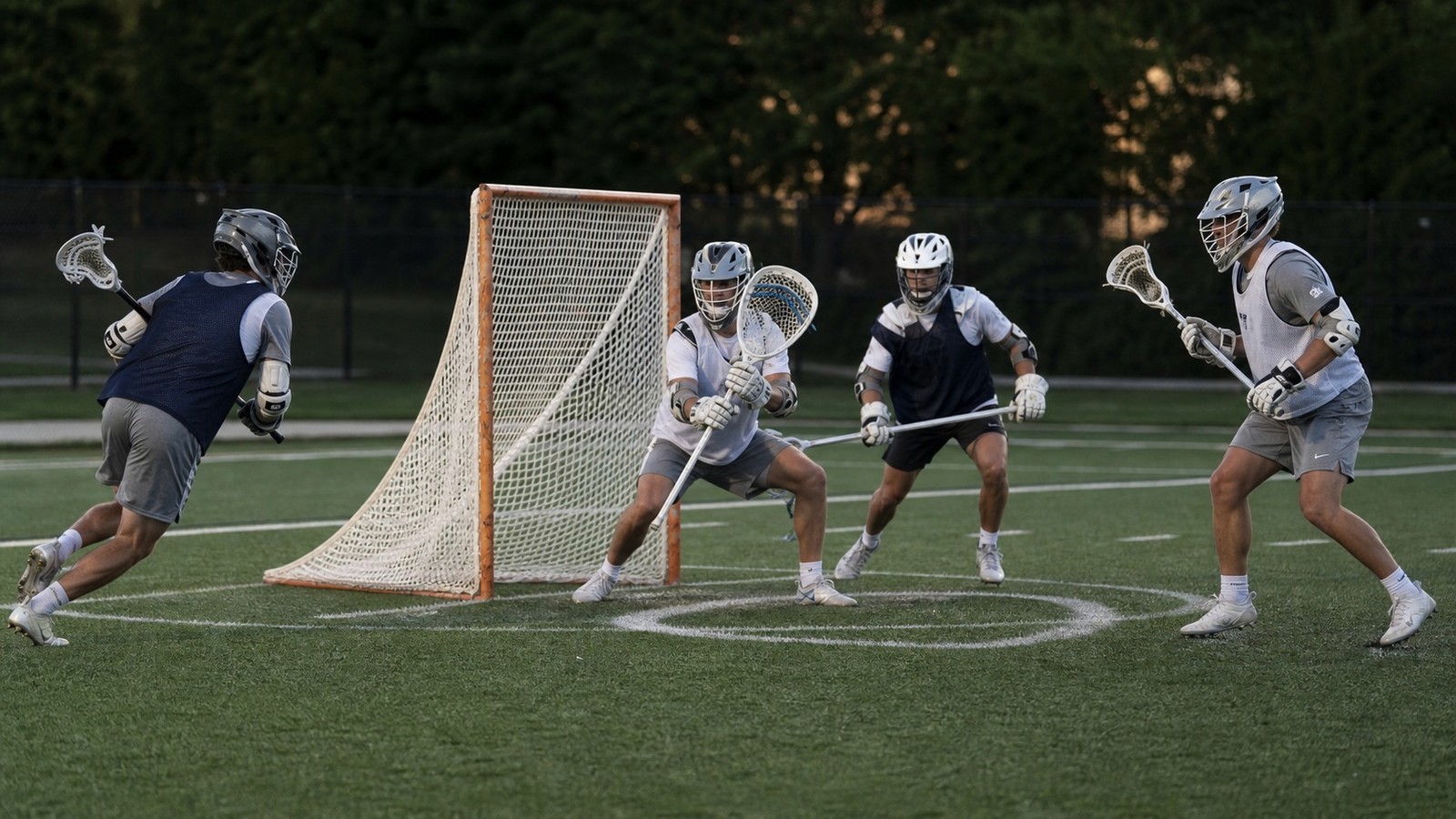
The crease protects the goalie and shapes legal scoring. Attackers must finish with body control so they do not step into illegal space or interfere with the goalie. A dramatic finish may look exciting, but if it violates the crease, the goal may not count.
Defenders also have responsibilities near the crease. They try to protect the middle without pushing attackers illegally or screening their own goalie. Goalies communicate traffic, track the release, and control rebounds. Scoring near the crease is a group problem for both teams.
Assists Show How Goals Are Created
Assists matter because many lacrosse goals are created by the pass before the shot. A feeder may draw a slide, look off the goalie, and place the ball where a cutter can finish. The shooter gets the goal, but the assist tells part of the creation story.
Possession Is The First Scoring Skill
A team cannot score without the ball, so possession is part of scoring. Faceoffs, ground balls, clears, rides, and saves all influence who gets the next chance. A player who wins a ground ball may not appear in the scoring column, but that play can make the goal possible.
This is why coaches value reliable possession players. The midfielder who clears calmly, the defender who wins a ground ball, the goalie who makes a clean outlet, and the attacker who rides into a turnover all contribute to scoring chances. Goals rarely appear from nowhere.
Fast Breaks Create Different Scoring Choices
In transition, the offense may have a numbers advantage before the defense is matched. This can create excellent scoring chances, but only if players read the situation clearly. A rushed shot from a poor angle can waste the advantage. A well-timed pass can turn the same break into a clean finish.
Defenses try to slow transition by protecting the middle and forcing one more pass. Goalies communicate who is most dangerous. The scoring decision happens quickly, but it still requires judgment.
Fans can watch fast breaks by counting numbers. If the offense has more attackers than the defense has immediate coverage, the chance is dangerous. If the defense recovers, the offense may be better off settling.
Man-Up Scoring Uses Space Differently
When a penalty gives one team an extra player, scoring changes. The offense can spread the defense, move the ball, and search for a shot before rotations recover. The best man-up units do not simply shoot immediately. They move the defense until the goalie and defenders are stressed.
Why Teams Sometimes Reset
A reset can look passive to a new fan, but it can be a scoring decision. If the first dodge fails, if a lane closes, or if a shot would be low value, resetting protects possession and creates another chance. Good teams know that patience can produce better goals than panic.
Resetting also helps with substitutions and matchups. A coach may want a specific player on the field or a tired defender isolated. The scoring chance may come after the team slows down long enough to organize.
Score And Clock Change The Math
A shot that is smart in the first quarter may be risky late in a close game. Teams leading by one may value possession and clock. Teams trailing may accept more risk to create a chance. Overtime can magnify every possession because one goal may end the game.
Players should learn to connect scoring to situation. Score, clock, personnel, and field position all matter. The best shooters are not only accurate; they understand when a chance fits the moment.
This situational awareness separates a good athlete from a good lacrosse player. The scoring rule is simple, but scoring judgment is learned through repetition.
How Beginners Can Watch Scoring Better
Instead of watching only the shooter, follow the pass that created the shot. Notice whether a defender slid, whether a cutter arrived on time, and whether the goalie could see the release. These details explain why one chance was dangerous and another was rushed.
Also watch what happens after missed shots and saves. Rebounds, backup players, and clears can shape the next possession. Scoring in men's lacrosse is connected to what happens before and after the shot, not only the moment the ball leaves the stick.
Scoring Without The Ball
Many scoring plays are created by players who never touch the ball. A cutter may pull a defender away from the crease. A teammate may set a legal pick that delays a slide. A player may clear through to open a dodging lane. These actions do not show up as goals, but they make goals possible.
This is important for beginners because they may feel useful only when shooting. In reality, good off-ball movement can be one of the fastest ways to help an offense. A player who times a cut, becomes an outlet, or creates space is participating in scoring even before the pass arrives.
Fans can learn to see this by watching the area around the shooter. Was the defense screened? Did a cutter distract the goalie? Did a teammate's movement create the passing lane? The final shot is only the last visible piece of a larger sequence.
What Defenses Try To Take Away
Defenses try to make scoring chances less dangerous. They guide dodgers away from the middle, protect the crease, pressure hands, block passing lanes, and help the goalie see the release. A good defensive possession may not stop every shot, but it can force the offense into a shot the goalie is prepared to handle.
This is why shot location matters. A defense may allow a low-angle attempt while fighting hard to deny a central feed. To a new fan, both are shots. To a coach, one may be acceptable and the other may be dangerous. Scoring works inside that constant negotiation.
A Better Way To Judge Goals
A goal should be judged by more than whether the shooter looked impressive. Ask how the chance was created. Did the offense move the defense? Did the ball carrier draw help? Did the pass arrive on time? Did the shooter choose a strong angle? These questions reveal the quality of the possession.
The same approach helps players learn from missed chances. A miss from a great look may need shooting repetition. A miss from a poor angle may need better decision-making. A save through a clear lane may need a fake or screen. Different misses teach different lessons.
Scoring in men's lacrosse is both simple and layered. The ball crossing the line is the rule. The path to that moment is the game. Players who understand both parts become smarter shooters, better teammates, and more patient decision-makers.
Assists And Second Chances
Assists help show that scoring is a team action. The pass before the goal may be the product of a dodge, a cut, a skip lane, or a man-up rotation. A good assist is not only a completed pass. It is a pass that gives the shooter a real chance to finish.
Second chances are another part of scoring. A goalie may make the first save, but a rebound can create a new opportunity before the defense is settled. Attackers who stay alert and defenders who box out both influence whether that second chance becomes a goal.
Scoring Habits Players Can Practice
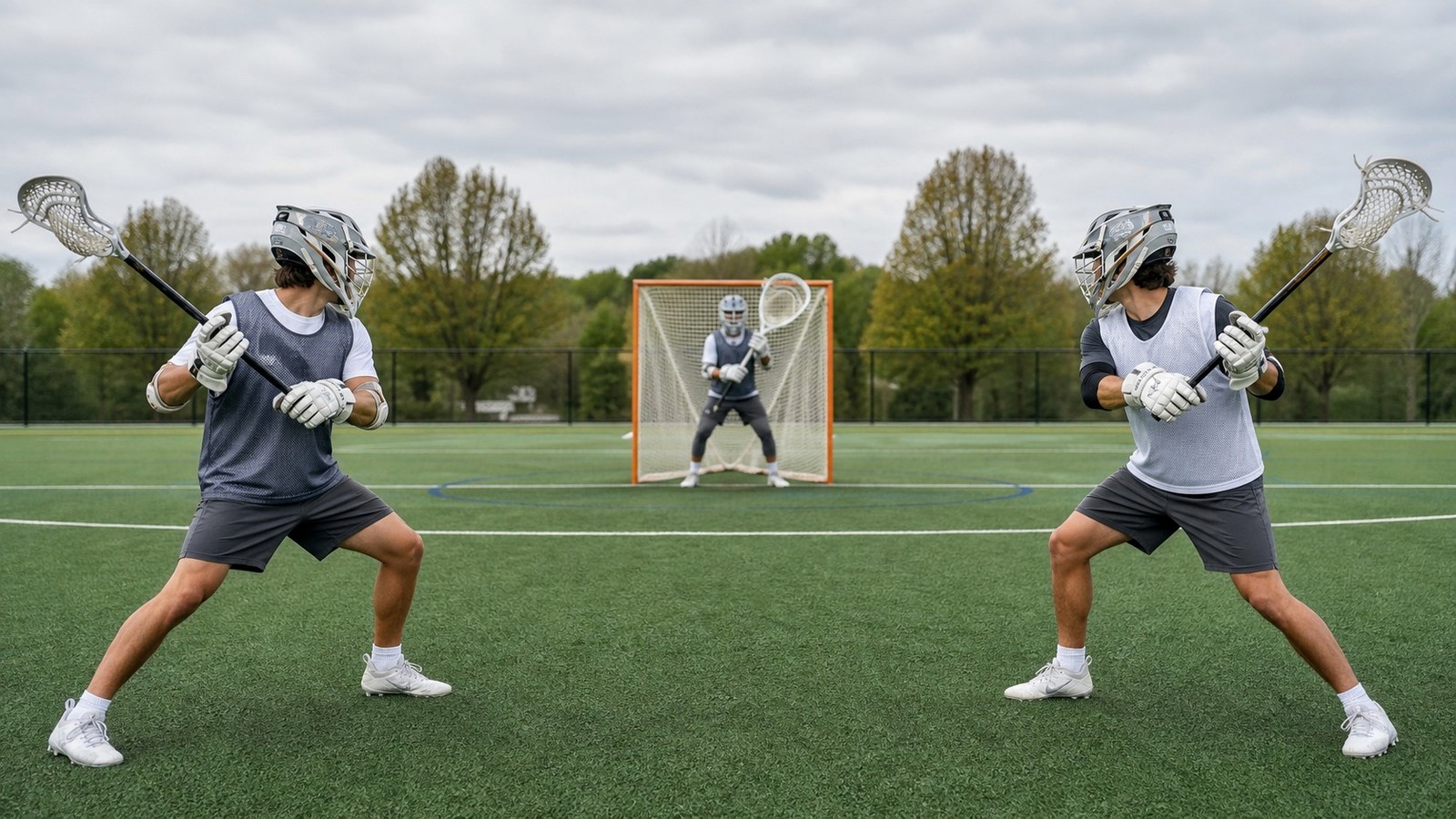
Players can practice scoring decisions without turning every drill into a shooting contest. Add a defender, require one extra pass, change the shooting angle, or ask the shooter to fake before finishing. These constraints teach players to read the chance instead of simply firing the ball.
Accuracy should come before power for most beginners. A hard shot that misses the cage can end a possession or create transition. A controlled shot to a smart location teaches better habits. Power becomes more useful when the player can already hit spots under pressure.
Players should also practice what happens after the shot. Follow rebounds, recover defensively after misses, and understand who backs up the ball. Scoring is connected to possession, and possession continues after many shots. The best scorers stay involved even when the first attempt does not go in.
What Young Players Should Learn About Goals
Young players should learn that a goal is the result of a good team sequence, not only a reward for the shooter. The player who passed, screened, cut, rode, or won the ground ball helped create the point. This keeps beginners from judging their value only by scoring.
They should also learn that missed chances can be useful. A missed shot from a good angle may mean the decision was right and the technique needs work. A saved shot after a smart pass may still be progress. Learning to separate decision quality from outcome helps players improve without fear.