Men’s Lacrosse Penalties Explained In Simple Terms
Men's lacrosse penalties are easier to understand when they are treated as safety, fairness, and possession rules rather than random interruptions. A flag usually means a player gained an illegal advantage, created unsafe contact, or broke a rule that affects how the game flows. Some penalties send a player to the box for time. Others simply award possession. Once new players learn the difference between personal fouls, technical fouls, flag-down situations, and man-up consequences, the whistle starts to feel less mysterious and much more useful.
A: Ask whether the action created unsafe contact, an unfair advantage, or a possession problem.
A: No. Some technical violations simply award the ball to the other team.
A: Officials may let the offense keep its advantage until the defending team gains control or the play ends.
A: It is usually a more serious safety or contact foul, often carrying penalty time.
A: It is commonly a less severe rule violation involving procedure, interference, holding, pushing, or position.
A: Yes. Timing, target area, angle, level, and game situation all matter.
A: Penalties remove players, give away possessions, and can turn a close game into a man-up chance.
A: Listen, reset quickly, and ask the coach later what body position or choice caused the whistle.
A: No. Youth and local leagues often modify enforcement for safety and development.
A: Better footwork, calmer stick pressure, and knowing when the opponent has already won position.
Penalties Keep Physical Play Under Control
Men's lacrosse is a physical sport, but it is not supposed to be reckless. Penalties create the boundary between hard, legal competition and actions that make the game unsafe or unfair. They also protect the flow of play. Without those boundaries, defenders could hold, slash, push, or hit late whenever they were beaten.
A new player should not memorize the whole rulebook on the first day. It is more helpful to learn the purpose behind common calls. Officials are usually asking whether a player used legal body position, played the ball safely, respected the opponent's space, and followed restart or substitution rules. That purpose makes the details easier to remember.
Personal Fouls Are The Serious Category
Personal fouls usually involve contact that is dangerous, late, excessive, or clearly outside the rules. Slashing, cross-checking, tripping, unnecessary roughness, illegal body checking, and hits to protected areas can all fall into this larger category depending on the rule set. These calls often send a player to the penalty box for time.
The important lesson is that intent does not erase responsibility. A defender may say he was trying to check the stick, but if the swing lands across the helmet or neck, the official will judge the action. A player may say he wanted a legal hit, but if the contact is late or from behind, the result can still be a foul.
Players reduce personal fouls by staying under control. Good defense starts with feet, angle, hips, and communication. The stick check or body contact should come after position is established, not as a desperate replacement for position. When players chase with their hands, serious penalties become much more likely.
Technical Fouls Often Change Possession
Technical fouls are usually less severe but still important. They can include holding, interference, pushing, illegal screening, offside, crease violations, stalling-related calls, and procedure issues. Depending on whether the team had possession and how the foul happened, the result may be a turnover, a quick restart, or a short penalty.
Slashing Is More Than A Loud Check
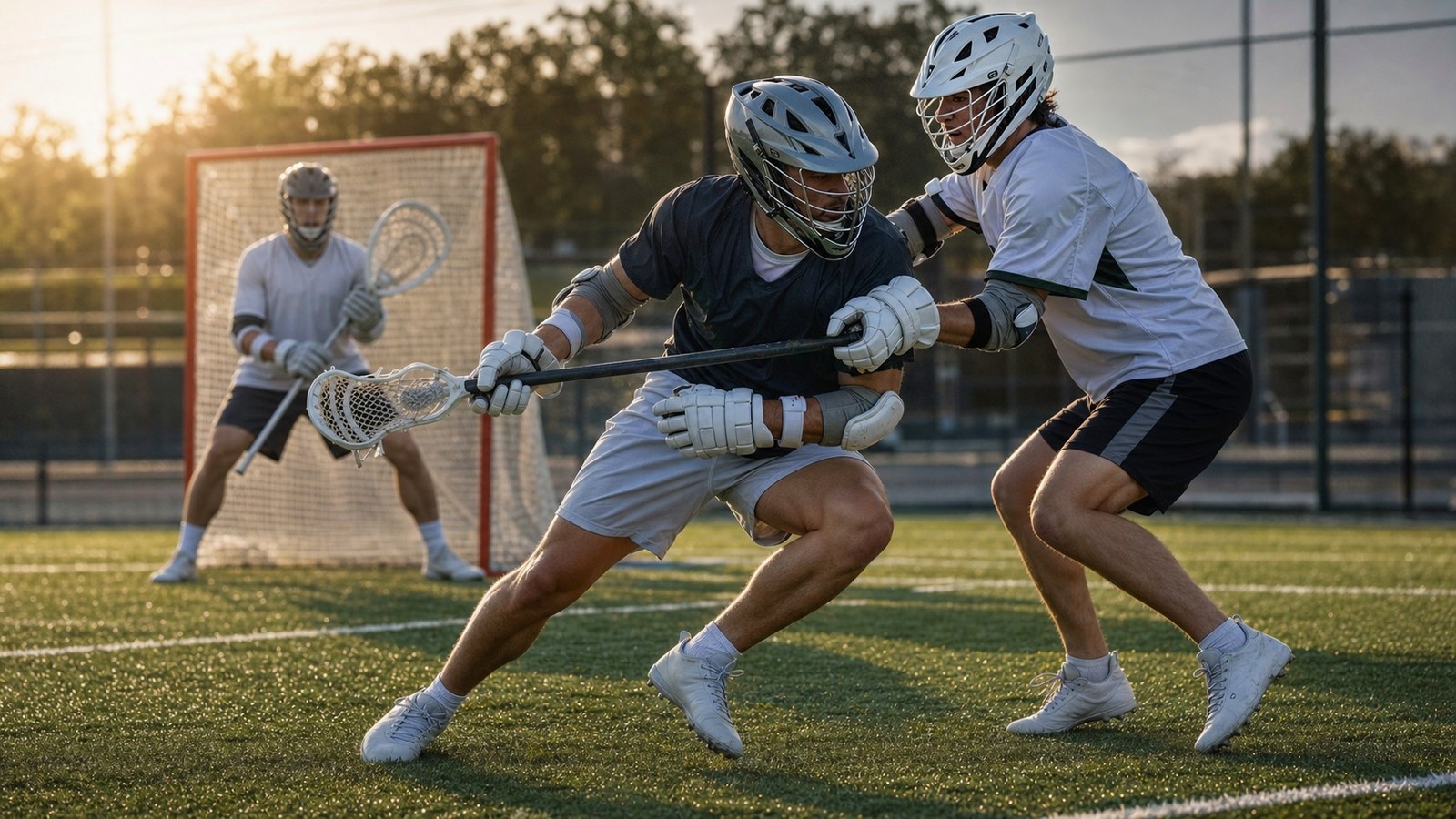
Beginners often think slashing means any hard stick check, but the call is more specific than that. Officials look at where the check lands, how controlled it is, and whether the defender is making a legitimate play. A controlled lift or poke at the stick is different from a sweeping swing into the arms, back, helmet, or body.
This is why coaches teach defenders to approach before checking. If a defender is too far away, the stick has to travel farther and becomes harder to control. Good footwork shortens the check and makes the target cleaner. A legal check is usually compact, purposeful, and connected to body position.
Illegal Body Contact Depends On Timing
A body check may be legal in one moment and illegal in another. Timing matters because players deserve protection after they pass, shoot, or become vulnerable. Target area matters because contact to the head, neck, back, or defenseless opponent can create serious risk. Level matters because youth, high school, college, and adult leagues may use different limits.
New players should think of contact as a tool, not a shortcut. If the opponent has already moved the ball, a hit is probably too late. If the defender approaches from behind, the opponent may not be able to protect himself. If the defender is upright, balanced, and in front, legal pressure is easier to deliver.
The safest defenders are often the most patient. They guide dodgers away from dangerous space, communicate slides, and check when the chance is clean. That patience prevents penalties and often produces better defense than a dramatic collision.
Flag Down Does Not Always Stop The Attack
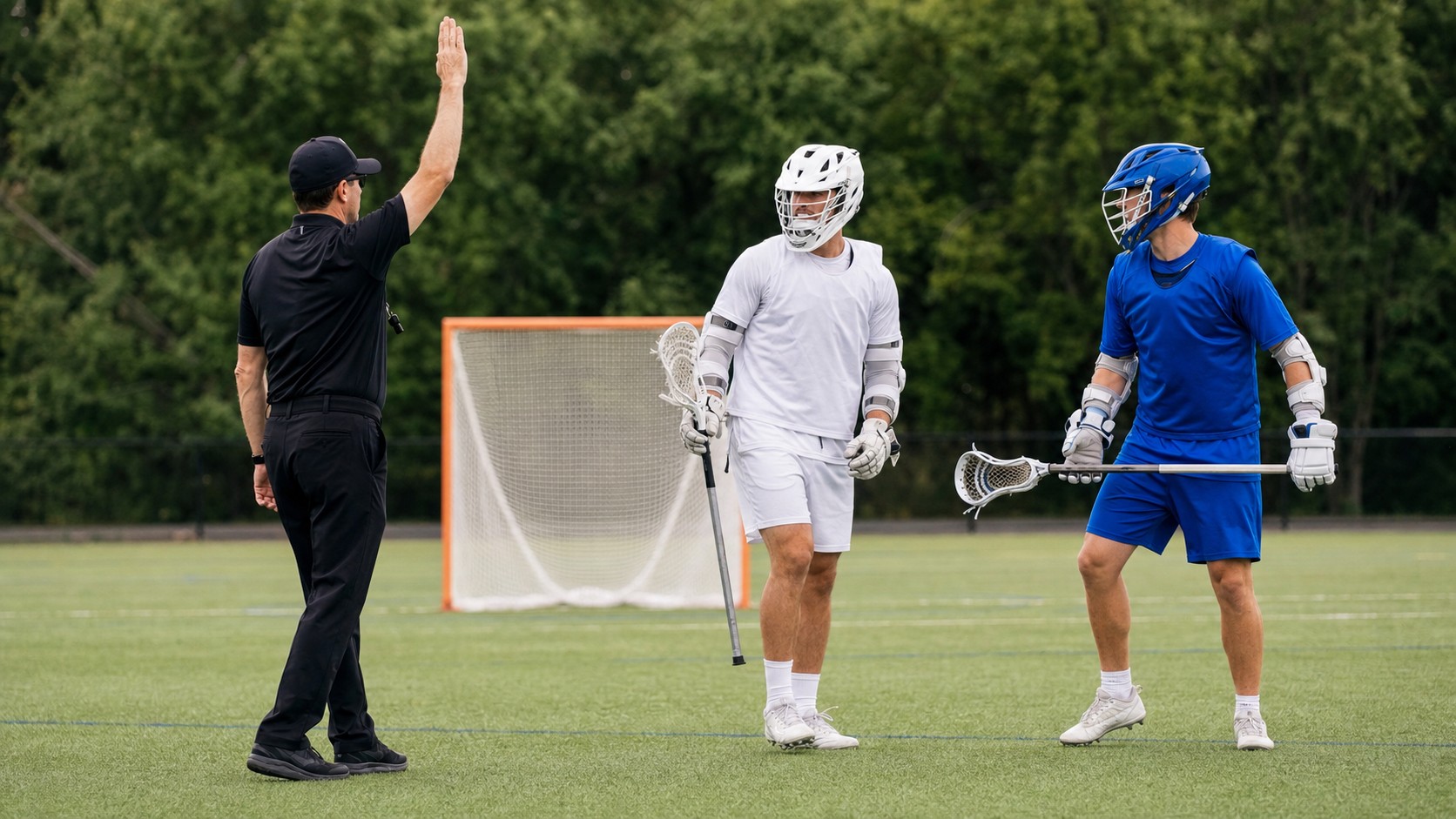
When an official throws a flag during live play, the offense may keep attacking. This is called a flag-down situation. The idea is simple: the team that was fouled should not lose an immediate scoring chance just because the opponent committed a penalty.
Penalty Time Changes Team Shape
If a player serves penalty time, his team may play short-handed. The other team gets a man-up chance with more space and more passing options. This is one reason discipline matters so much. One poor choice can force five teammates and a goalie to survive a difficult possession.
Man-down defense requires communication. Players must rotate, protect the crease, challenge shooters at the right time, and avoid chasing every pass. Man-up offense requires patience too. The extra player helps only if the ball moves faster than the defense can recover.
Dead-Ball Choices Still Count
Some penalties happen after the whistle, during substitutions, or between plays. These can be especially frustrating because they are often avoidable. A shove after a call, an argument that crosses the line, or confusion around the substitution area can give the opponent a free advantage without making any real lacrosse play.
Players should treat the whistle as a reset cue. Find the ball, listen to the official, check the bench, and prepare for the restart. A calm reset can prevent a second mistake. A frustrated reaction can make a minor situation much worse.
Captains and older players help by pulling teammates away from arguments. The best response is not silence without understanding; it is composure first and learning later. Ask the coach during a break. Let the game continue in the moment.
Fans Can Read Penalties By Watching The Restart
Fans do not need to hear every official signal to understand the game. Watch who receives possession, where the ball restarts, and whether a player goes to the penalty area. Those three clues explain most situations. If one team has fewer players after the whistle, penalty time is shaping the next possession.
How Players Practice Fewer Fouls
Penalty prevention is a skill. Defenders can practice approach angles, controlled checks, hands close to the body, and safe contact through the shoulder and chest area when allowed. Midfielders can practice staying onside during substitutions and transition. Attackers can practice legal screens, body control near the crease, and calm rides after turnovers.
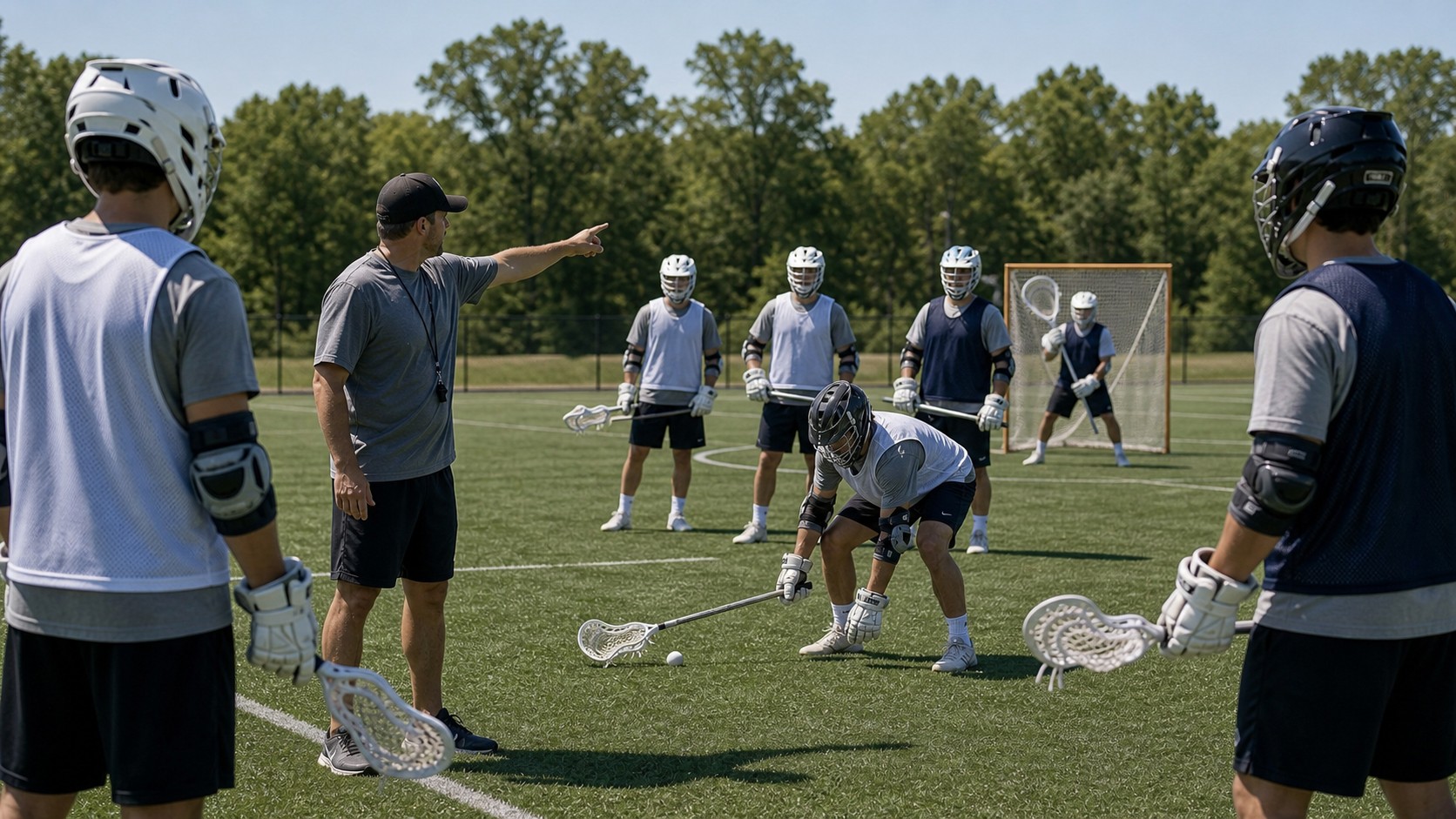
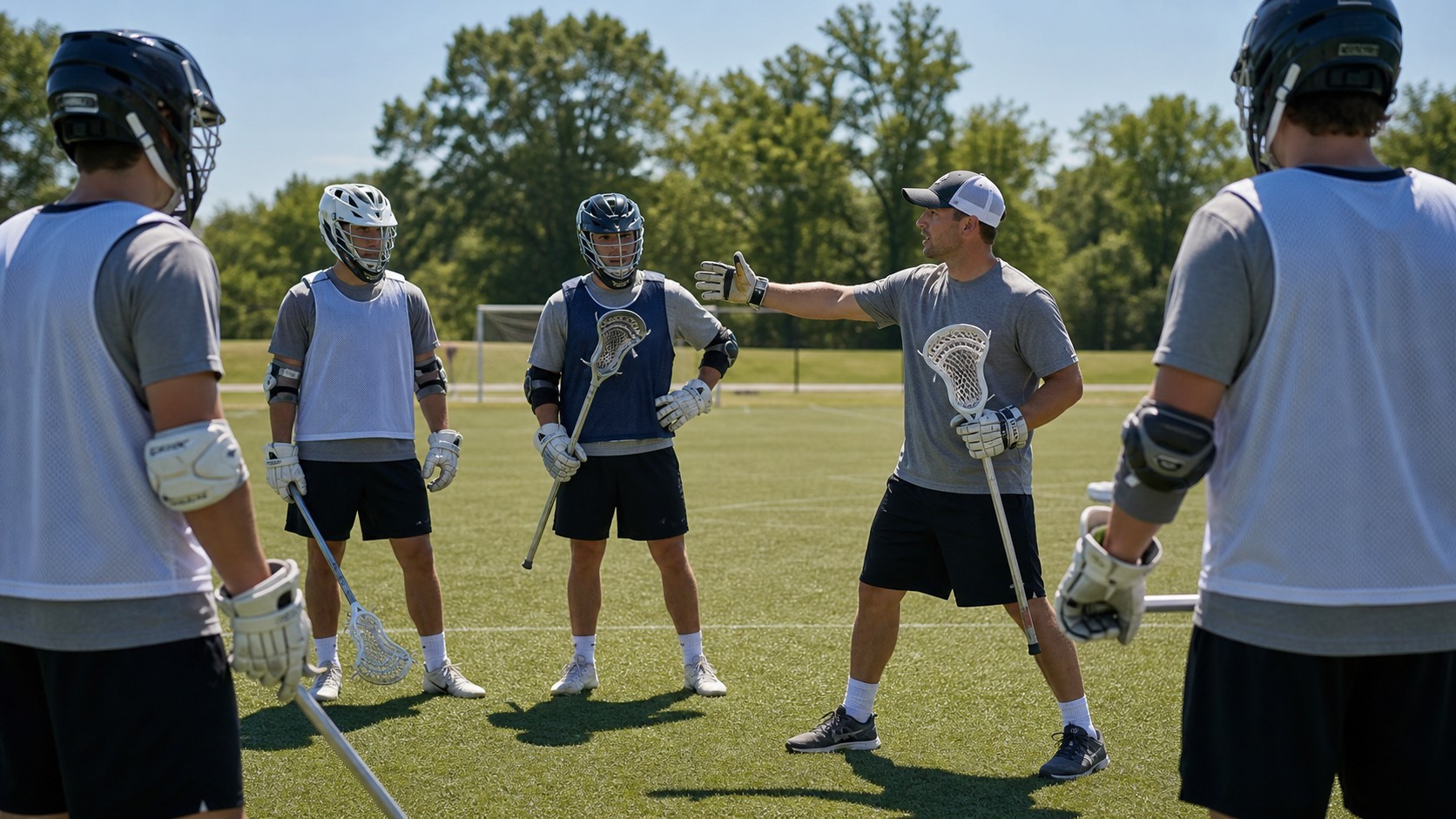
Coaches can make this practical by stopping drills after common mistakes. Instead of saying do not foul, they can show the better position: move your feet first, arrive under control, keep the stick away from the helmet, or release after the ball is gone. Specific correction becomes a usable habit.
Different Levels Enforce Details Differently
A call in a youth game may not match the exact standard of an adult game. Younger players often have stricter safety limits, modified contact rules, and teaching-focused officiating. That is not inconsistency for its own sake. It is a way to let athletes learn the sport without being asked to handle contact they are not ready for.
Parents and players should ask which rules apply to their league. Equipment requirements, body checking limits, stick checks, penalty time, and restart procedures may vary. Knowing the local standard prevents frustration and helps players understand what coaches are trying to teach.
Even with local differences, the main idea stays steady. Play the ball, use legal position, avoid dangerous contact, respect the whistle, and keep teammates out of short-handed situations. Those habits travel across levels.
Penalties Teach The Shape Of Smart Lacrosse
Penalties can feel negative, but they teach important lessons. A slash teaches that stick pressure must be controlled. A late hit teaches that timing matters. An offside call teaches field balance. A crease violation teaches body control. A hold teaches that beaten feet cannot be replaced by grabbing.
A player who learns from penalties becomes more reliable. He stays on the field, helps the team keep possession, and makes opponents earn chances instead of giving them free advantages. In that sense, understanding penalties is not just about avoiding trouble. It is part of becoming a smarter men's lacrosse player.
Every Position Has Penalty Traps
Attackers can create penalties by setting illegal screens, riding out of control, or stepping into the crease after a finish. Midfielders can foul during tired transition moments when they reach instead of running. Defenders can turn good pressure into a penalty by swinging late or leaning through the opponent's back. Goalies can create trouble with unsafe clears or emotional reactions after contact.
Seeing penalties by position helps players prepare. A defender should know which checks become risky near the head. An attacker should know how to cut without screening illegally. A midfielder should know how substitutions affect offside. A goalie should know when to slow the restart and when to outlet quickly.
This position-specific view also makes coaching more useful. Instead of telling a whole team to be disciplined, a coach can name the exact habit each role needs. Those small corrections prevent the same whistle from appearing every week.
Penalty Awareness Helps In Close Games
Late in close games, penalties become even more expensive. A team protecting a lead may not need a risky check near midfield. A team chasing a goal cannot afford retaliation after a whistle. Players should understand that score and clock change the cost of every decision.
Smart teams talk about this before the moment arrives. They know who should pressure, who should contain, and when the safest play is to force a reset rather than chase a takeaway. Discipline is a competitive skill because it keeps the team from giving away the exact chance the opponent wants.
What To Watch Next Game
At the next game, watch one penalty from start to finish. Notice the action, the flag or whistle, the official's signal, the restart location, and whether penalty time changes the numbers on the field. That small observation connects the rulebook to a real sequence and makes the next call easier to understand. After a few examples, patterns appear: unsafe contact looks different from a procedure mistake, and a possession award feels different from a timed penalty.
How Coaches Turn Calls Into Habits
A good coach does not treat every penalty as a lecture. The better approach is to show the replacement habit. If a defender slashes, teach the footwork that makes a shorter check possible. If a midfielder goes offside, teach the communication cue that keeps the field balanced. If an attacker screens illegally, show the angle that creates space without contact.
This turns discipline into skill development. Players are more likely to change when they understand the useful play that should replace the foul. The goal is not fear of the whistle. The goal is cleaner lacrosse under pressure, especially when fatigue makes sloppy habits tempting. That cleaner response helps teammates trust the next defensive rotation.