What Are The Main Rules Of Women’s Lacrosse?
The main rules of women's lacrosse are built around possession, safety, field space, and legal scoring chances. Players use sticks to catch, carry, pass, defend, and shoot, but contact and checking are controlled more tightly than in men's lacrosse. Draws start many possessions. The goal circle protects the goalie. Shooting-space and dangerous-play rules help keep players safe near goal. Fouls and restarts decide what happens after illegal contact, unsafe stick use, boundary plays, or rule violations. Once beginners understand those ideas, the game becomes much easier to follow.
A: Start with safe possession, legal stick pressure, shooting space, the goal circle, and restarts.
A: Yes, but checking must be controlled, legal, and safely targeted.
A: It is a safety rule that protects players from dangerous shot lanes near goal.
A: Many women's lacrosse formats restart with a draw at the center area.
A: Attackers must respect goalie-protected space and avoid illegal crease-related play.
A: The call may involve shooting space, dangerous contact, illegal checking, or a free-position setup.
A: No. Youth and local leagues often modify rules for safety and development.
A: Most need a legal stick, mouthguard, protective eyewear, and proper footwear.
A: Watch the restart location, official signal, and whether possession changes after the whistle.
A: Field players wear limited protective gear, so rules help manage contact and dangerous space.
The Rules Are About Safe Possession
Women's lacrosse is a possession game. Teams want to win the ball, move it safely, create space, and take legal shots. The rules make that possible by defining how players can check, where they can stand, how the goalie is protected, and what happens after illegal or unsafe actions.
Beginners should not start by memorizing every signal. They should start with purpose. The rules protect players who wear limited gear, keep scoring chances safe, reward controlled stick skill, and give teams clear restarts after whistles.
Draws Start Many Possessions
The draw is one of the signature parts of women's lacrosse. It begins halves and restarts play after many goals. Two players contest the ball at the center while teammates prepare to react. A draw can create immediate offense, a loose-ball battle, or a chance for the other team to settle.
Winning the draw is not only about the two players in the center. Teammates need spacing, communication, and quick reactions. A loose ball after the draw can be as important as a clean catch. Players who anticipate the ball's direction can create possessions before the defense is ready.
Fans can follow the game by watching the first outlet after the draw. Possession is not fully useful until the team controls the ball and makes the next safe decision.
Checking Must Stay Controlled
Checking is allowed in women's lacrosse, but it is not a free swing at the ball carrier. The check must be legal, controlled, and safely targeted. Dangerous swings, checks toward unsafe areas, or stick-to-body contact can quickly become fouls.
Body Contact Is More Restricted
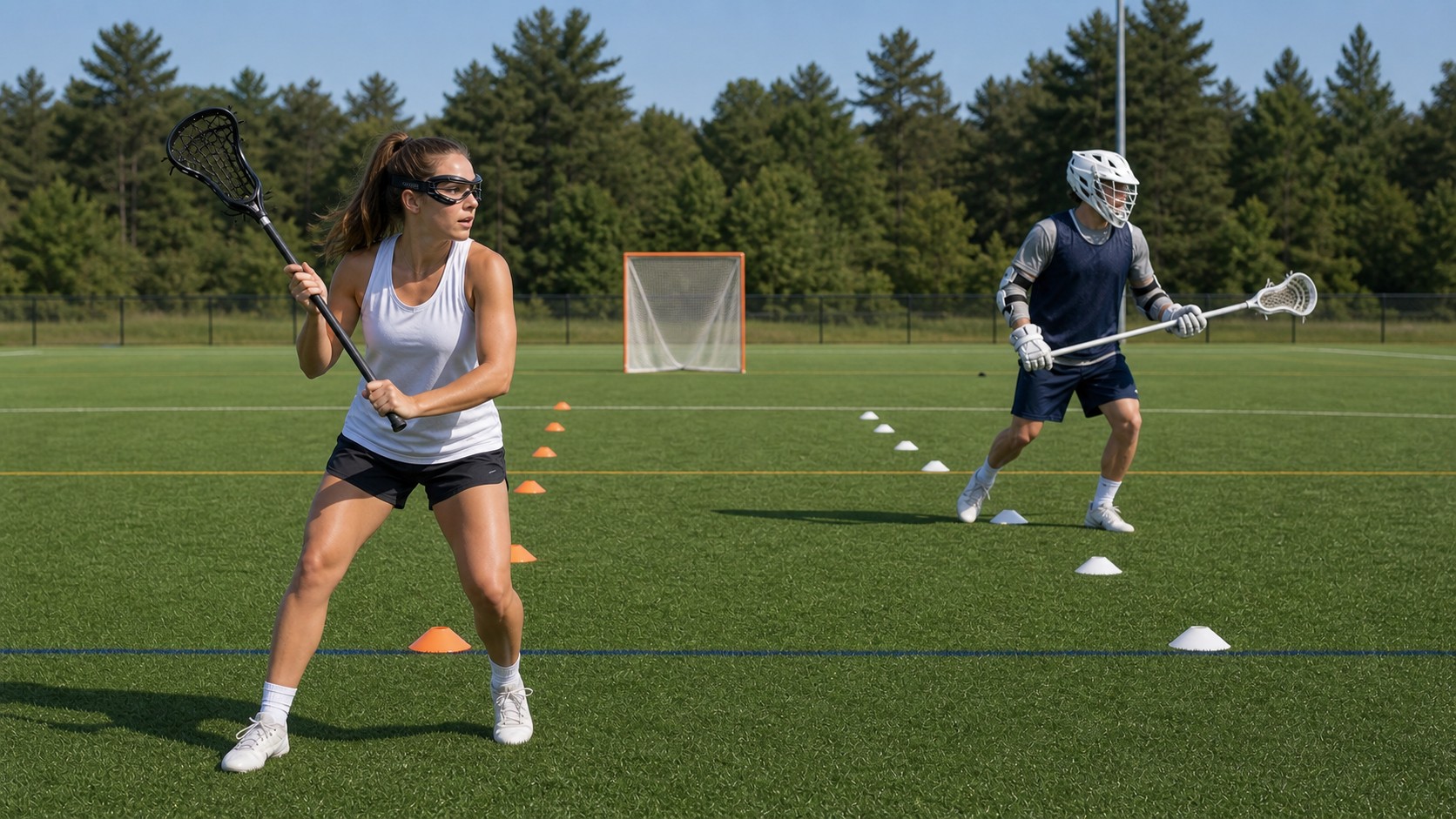
Women's lacrosse restricts body contact more than men's lacrosse. That does not mean players avoid pressure. It means pressure must come through footwork, angle, legal stick position, communication, and body control. A defender who arrives late and reaches wildly is more likely to foul.
This rule environment rewards discipline. Good defenders move early, stay balanced, and guide attackers away from dangerous space. They do not need to collide to be effective. A forced reset, rushed pass, or poor-angle shot can be excellent defense.
Shooting Space Explains Many Whistles
Shooting-space rules can confuse new fans because the whistle may sound before obvious contact happens. The rule is about danger. If a defender occupies or enters a dangerous shooting lane without proper positioning, the official may stop play to protect the player from an unsafe shot.
For attackers, this means a lane must be legal and controlled. For defenders, it means positioning matters as much as effort. A brave defender standing in the wrong place can still create a dangerous situation. The rule asks players to defend intelligently, not recklessly.
Once a fan learns shooting space, many arc-area calls become clearer. The official is not only watching the ball. The official is watching bodies, lanes, stick movement, and the safety of the shot.
The Goal Circle Protects The Goalie
The goal circle limits how players can interact with the goalie and the space around the goal. Goalies need room to make saves, control rebounds, and start clears. Attackers need body control when finishing. Defenders need to protect the area without pushing players into danger.
Fouls Lead To Restarts And Free Positions
When a foul occurs, officials decide how play should restart. Some fouls change possession. Others create free-position opportunities near the arc. More serious or repeated dangerous actions may bring stronger consequences depending on the rule set.
Players should learn to reset quickly after a whistle. Find the ball, listen to the official, locate teammates, and prepare for the next play. Teams that organize early often gain an advantage because the opponent is still reacting emotionally.
Equipment Rules Support Safety
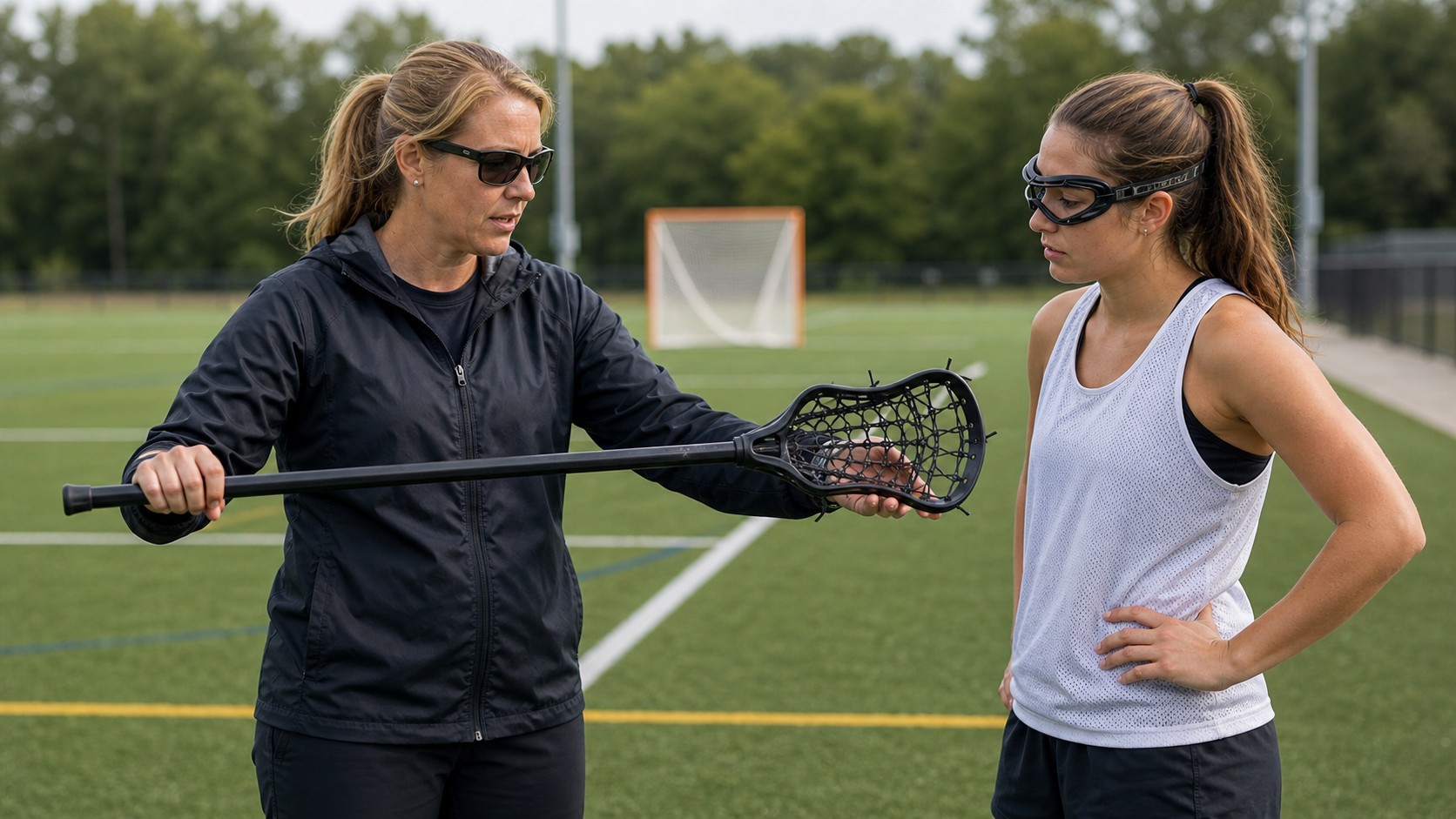
Most women's field players use a legal stick, protective eyewear, mouthguard, and proper footwear. Goalies wear specialized equipment. Equipment rules are part of the safety structure because field players do not wear the same full protective gear as men's players.
A legal stick also supports fair play. Pocket depth, stringing, and stick design affect possession and checking. A player should not wait until a game inspection to discover that the equipment is wrong.
Youth rules may modify equipment expectations, so parents should ask the program directly. A rule that applies in one league may not apply the same way in another.
Boundary Rules Keep The Game Moving
Sidelines and end lines matter because they decide possession after the ball leaves the field. The restart may depend on the situation, the last touch, or the rule set being used. Fans can learn quickly by watching where the official places the ball after a boundary play.
Cards And Penalties Address Dangerous Play
Women's lacrosse uses consequences for fouls that cross certain safety lines. Depending on the level and rule set, dangerous play, repeated fouls, or misconduct can lead to cards or more serious penalties. The purpose is not only punishment. It is to protect players and preserve fair competition.
Players can avoid many serious calls by controlling stick pressure, respecting shooting lanes, and listening after early warnings. Coaches should teach these habits before games become heated.
Age Groups May Use Modified Rules
Youth lacrosse often changes rules to fit player development. Younger players may use smaller fields, different equipment allowances, limited checking, or teaching-focused restarts. These modifications help athletes learn without being thrown into the full adult game too early.
Parents should treat local rules as the source of truth. A rule seen in a college game may not apply to a ten-year-old's league. Coaches and officials can explain which rules are being emphasized and why.
This also helps players stay patient. The rule set may expand as they grow. Learning the current level well prepares them for the next one.
Players Should Learn Whistles Through Examples
Rules become clearer when attached to examples. If a player hears shooting space, connect it to the lane that was unsafe. If a check is called, connect it to target, control, or body contact. If a boundary call changes possession, connect it to the ball's location and restart.
Fans Can Follow Three Questions
New fans can ask three questions after every whistle: who gets the ball, where does play restart, and what safety or possession issue caused the stop? Those questions explain the game faster than trying to memorize every rule category immediately.
Over time, patterns will appear. Draws, checks, shooting-space calls, crease decisions, boundary restarts, and free positions become recognizable. The game stops feeling random and starts looking like a clear sequence of choices and corrections.
The Main Rules Create A Distinct Game
Women's lacrosse rules create a game built on speed, spacing, control, and safety. Players still need toughness, courage, and skill, but the rulebook asks them to apply those traits within a disciplined structure. That structure is what gives the game its style.
For beginners, the best first goal is understanding the major ideas rather than every exception. Learn possession, draws, legal checking, shooting space, the goal circle, fouls, equipment, and restarts. With those pieces in place, women's lacrosse becomes much easier to play, coach, and enjoy.
After that foundation is comfortable, players can add special situations, cards, substitutions, clock management, and advanced team tactics. The rulebook becomes less intimidating when each layer connects to a situation the player has already seen.
Why Rules Feel Different During Games
A rule can feel simple in practice and confusing in a game because speed changes everything. Players are tired, defenders are moving, the goalie is talking, and the official is judging several safety issues at once. A beginner may understand legal checking in theory and still make a late reach under pressure.
How Coaches Can Teach Rules Without Lectures
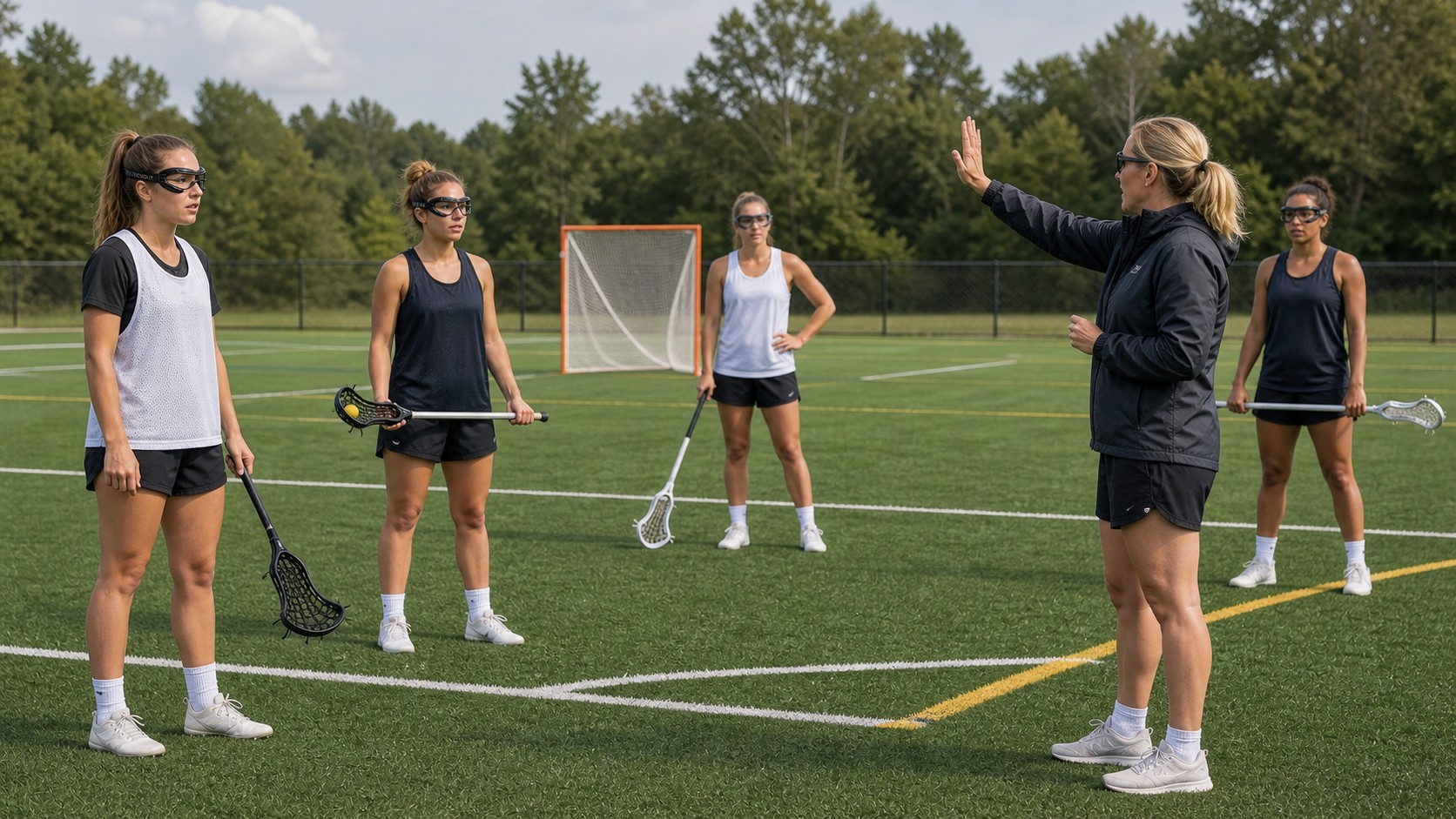
Rules stick better when coaches attach them to drills. A shooting-space lesson can happen during an arc drill. A checking lesson can happen during one-on-one defense. A restart lesson can happen after a controlled whistle. Short explanations tied to movement usually work better than long talks.
Players should also hear what the legal replacement looks like. Do not only say that a check was dangerous; show the approach angle. Do not only say the defender was in shooting space; show the safe recovery path. The rule becomes a skill cue.
What Players Should Ask After Whistles
Useful questions are specific. Was my stick too high? Did I step into the lane? Was I too close to the goal circle? Did I move before the restart? Specific questions help coaches give practical corrections instead of repeating the rule name.
Players should save most questions for the right time. During live play, the priority is to reset and listen. During practice or a sideline break, a quick explanation can turn the whistle into a lasting lesson, especially when the coach can recreate the situation.
This habit lowers frustration. The whistle stops being a personal insult and becomes information. That mindset helps players keep learning through the normal confusion of a fast game.
Rules Also Protect Skill Development
Safety is the first purpose, but rules also protect skill development. If defenders could swing wildly, attackers would not learn clean ball protection. If shooting lanes were ignored, goal-area play would become unsafe instead of strategic. If restarts were unclear, teams would not learn organized possession.
How Beginners Can Study One Rule At A Time
A beginner can choose one rule focus per practice or game. One day might be about draws. Another might be about checking control. Another might be about shooting space or the goal circle. Narrow focus keeps the rulebook from feeling overwhelming.
After the game, the player can ask where that rule appeared. Did it create a whistle? Did it change a restart? Did it affect a shot? Connecting one rule to real plays builds understanding faster than trying to absorb every call at once.
Why Parents Should Learn The Basics Too
Parents do not need to officiate from the sideline, but basic rule knowledge helps them support the player calmly. When a parent understands shooting space, safe checking, and restarts, a whistle feels less like a mystery. The ride home becomes less reactive and more helpful.
This matters because children often borrow the sideline's emotional tone. If adults treat every call as confusing or unfair, players may do the same. If adults stay curious, players are more likely to ask what they can learn.
A family that learns the rules together builds a better first-season experience. The player gets support, the parent gains context, and the game becomes easier to enjoy.