Women’s Lacrosse Stick Rules: What Makes A Legal Stick?
A legal women's lacrosse stick is not just a stick that feels comfortable. It must meet the rules for the player's level, including length, head shape, pocket depth, stringing, and how the ball sits in the pocket. Those details matter because women's lacrosse relies on visible control, safe checking, and fair possession. A pocket that is too deep or stringing that creates an unfair hold can change how the game is played. Beginners should learn stick legality early so they do not build habits around equipment they cannot use.
A: It must meet the current rule set for length, head, pocket, stringing, and position-specific requirements.
A: Pocket depth affects ball control, legal checking, and whether possession remains visible and fair.
A: Yes. Factory stringing, settling, or the wrong model for the rule set can create problems.
A: No. Goalie sticks have different size and design requirements from field sticks.
A: A coach, experienced equipment manager, or official can help confirm legality before games.
A: Yes. Rain, humidity, and wear can deepen or loosen a pocket.
A: No. Youth levels may use modified equipment rules, so local standards matter.
A: The team may face a penalty, turnover, or removal of the stick depending on the rule set.
A: They should choose legal pockets that teach clean catching, passing, and release.
A: Check before the season, before games, after restringing, and after wet or heavy use.
Stick Rules Protect The Game
Women's lacrosse stick rules exist because the stick shapes the way the sport is played. The women's game emphasizes visible control, legal checking, and skillful release. If a pocket is too deep or the stringing holds the ball too securely, the stick can give a player an unfair advantage and make legal defense harder.
For beginners, stick legality may sound technical, but the idea is simple. The stick should help the player learn the game without hiding the ball, trapping it unfairly, or creating unsafe play. A legal stick supports both fairness and development.
Length And Position Matter
A field player's stick and a goalie's stick are not judged the same way. Goalies use specialized equipment because their job is different. Field players need a stick that fits the current rule set for their level and position. Youth rules may also allow certain modified options that would not apply the same way at older levels.
This is why families should not buy a stick based only on appearance. A stick can look like a women's lacrosse stick and still be wrong for the player's league. The safest move is to ask the coach what standards apply before purchasing.
Length also affects comfort. A stick that is legal but awkward can slow learning. The right starter stick should be legal, manageable, and appropriate for the player's age and role.
Pocket Depth Gets The Most Attention
Pocket depth is often the first thing people think about when stick legality comes up. A pocket that is too deep can hold the ball in a way that changes catching, cradling, checking, and release. Many rule sets use ball visibility or related tests to judge whether the pocket is legal.
Legal Does Not Mean Difficult
Some beginners worry that a legal pocket will make the game impossible. It will not. A well-strung legal pocket can still catch cleanly, throw accurately, and help a player build confidence. The goal is not to make the stick unforgiving. The goal is to keep possession skill visible and fair.
A beginner should work with a coach or knowledgeable stringer if the stick feels impossible to use. Sometimes the issue is not legality but poor setup. A pocket can be legal and still release poorly. Another can be illegal and feel easy for the wrong reasons.
Stringing Can Change Over Time
Stringing is not permanent. Mesh, traditional materials, sidewalls, and shooting strings can loosen or shift after practices, weather, and repeated catches. A stick that passed an early check can become questionable later in the season. Players should learn to inspect their own equipment regularly.
Rain can be especially tricky because wet pockets may bag out or change release. Heavy use can also stretch materials. After a wet game or a long stretch of practices, a quick coach check can prevent a surprise on game day.
Restringing should be treated carefully. Copying a setup from another player, another level, or another version of lacrosse may create an illegal stick. The better question is not whether the pocket looks cool; it is whether it matches the current rules and helps the player throw well.
Shooting Strings Need Rule Awareness
Shooting strings can affect release, hold, and accuracy. Different rule sets may place limits on how they are arranged. Beginners do not need to become stringing experts, but they should know that shooting-string placement is part of legality, not just style.
Officials Can Inspect Sticks
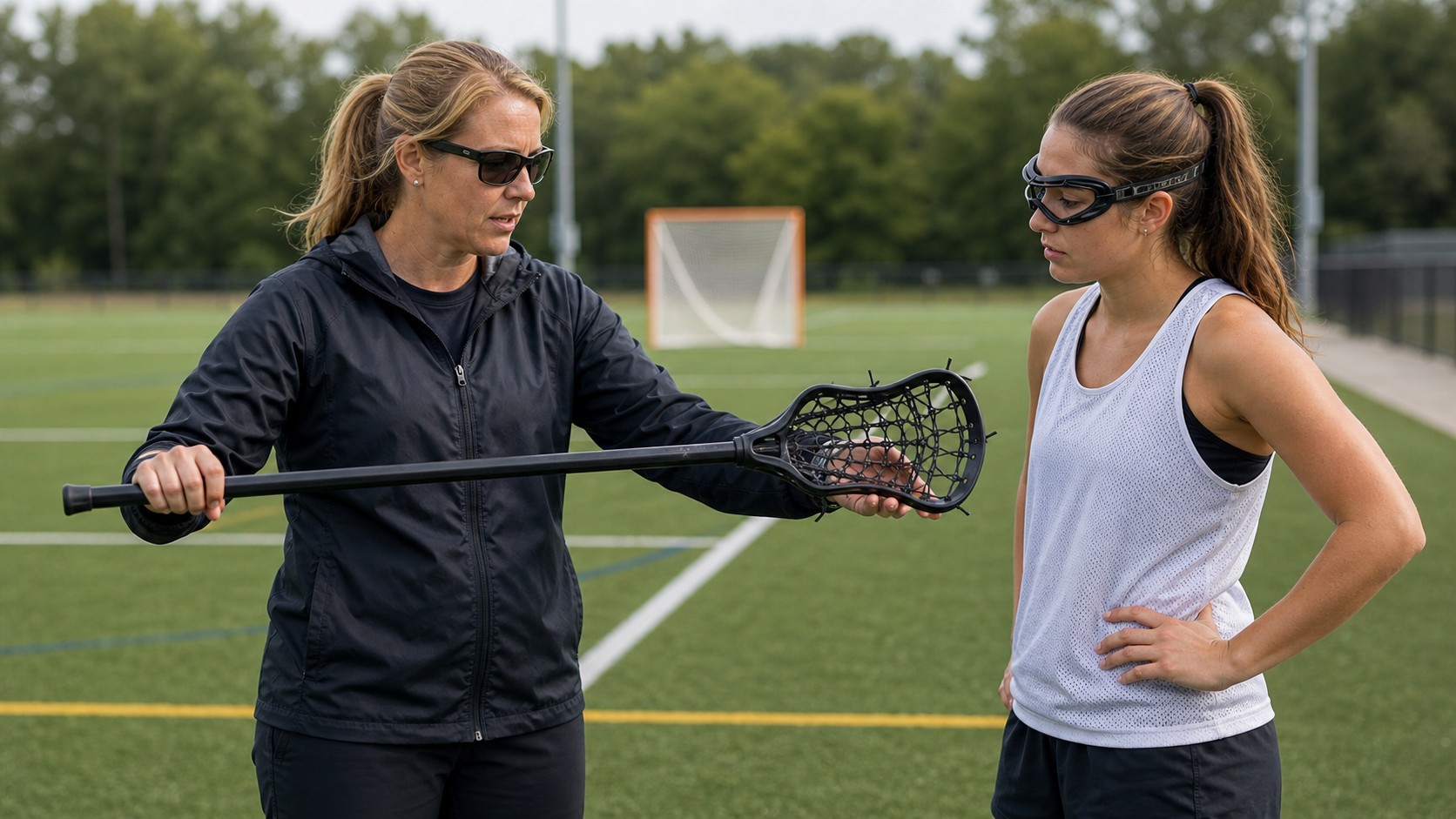
Stick inspections are part of the sport. Depending on the rule set, officials may inspect a stick during a game, before play, or when a coach requests a check. Players should treat inspections calmly. Arguing rarely helps, and a player who understands the rules will be less surprised by the process.
Teams can prevent stress by checking sticks in practice. A coach can make inspections routine: hold the stick, check pocket depth, look for dangerous wear, and confirm stringing. When players see this often, game-day checks feel normal rather than alarming.
Illegal Equipment Can Hurt The Team
An illegal stick is not only an individual problem. It can create a turnover, penalty, or lost opportunity depending on the rules being used. Even if the player did not mean to cheat, the team may still suffer. That is why equipment responsibility belongs to players, coaches, and families together.
The lesson is not panic. The lesson is prevention. Check early, ask questions, and fix small issues before they become game problems. A legal backup stick should also be ready if the player relies on one.
Good teams make equipment checks ordinary. They do not wait until a big game to discover that a favorite pocket has become too deep.
Beginners Should Avoid Extreme Setups
A new player needs a stick that teaches clean habits. Extreme hold, strange release, or advanced stringing can make basic passing harder. It may also hide problems the player needs to solve with technique. A beginner-friendly pocket should be legal, predictable, and easy for coaches to evaluate.
Used Sticks Need Extra Attention
Used sticks can be a smart purchase, but they need inspection. Check for cracks, warping, loose sidewalls, worn mesh, sharp edges, and pocket depth. A stick that worked for an older player may not be legal or appropriate for a beginner in a different league.
Families should also ask why the stick is being sold. If it was replaced because the pocket became unreliable or the head warped, the bargain may not be worth it. A modest legal starter stick often beats a discounted stick that creates constant problems.
Coaches Should Teach Players To Self-Check
Players gain confidence when they know how to check their own gear. They do not need to make official rulings, but they can notice when the ball sits too deeply, strings loosen, or the stick releases strangely. That awareness encourages responsibility.
Self-checking also connects equipment to skill. If passes suddenly sail high or catches feel sticky, the player can ask whether technique, weather, or pocket changes are involved. Equipment and skill are connected, and good players learn to notice that connection.
This is especially useful for growing players. As athletes move levels, the rules may change. A player who already understands basic legality will adjust faster.
Parents Should Ask Before Buying
Parents can save money and frustration by asking the coach three questions before buying: what stick rules apply, what beginner models work well, and who can check the pocket before the first game? Those questions prevent guessing.
A Legal Stick Should Still Fit The Player
Legality is the first test, not the only test. The player still needs to catch, throw, cradle, and scoop with confidence. A stick that technically passes but feels unmanageable may slow development. A coach can often recommend adjustments that keep the stick legal while improving feel.
Players should bring equipment concerns to practice instead of waiting until game day. Small adjustments are easier when there is time to test them. A last-minute stringing fix can create new problems if nobody checks the result.
Stick Rules Build Better Habits
A legal stick teaches players to rely on skill rather than hidden hold. They learn to catch softly, cradle with control, pass with clean mechanics, and protect the ball through movement. Those habits matter more over time than any shortcut a deep pocket might provide.
The best answer to stick legality is routine attention. Use the right rule set, buy carefully, check regularly, and ask when unsure. A legal women's lacrosse stick keeps the game fair, keeps players confident, and lets skill development happen the right way.
A player who understands her stick also becomes a better communicator. She can tell a coach when the release feels different, when the pocket changed after rain, or when a repair may need another check. That awareness prevents small equipment problems from becoming game-day surprises.
How Stick Feel Affects Confidence
A legal stick should still feel predictable. If a beginner never knows whether the ball will fly high, drop low, or stay trapped, she may become hesitant. That hesitation can look like poor effort when the real issue is equipment feel mixed with developing mechanics.
When To Adjust Instead Of Replace
Not every stick problem requires a new purchase. Sometimes a pocket needs a legal adjustment, a sidewall needs attention, or the player needs a different passing cue. Coaches can help families decide whether the issue is fit, stringing, wear, or technique.
Replacement makes sense when the head is warped, cracked, wrong for the rule set, or impossible to adjust safely. Adjustment makes sense when the stick is fundamentally appropriate but not performing well. Knowing the difference can save money and reduce frustration.
A Simple Pregame Stick Routine
Before games, players can build a short routine. Check that the pocket looks legal, strings are secure, the head is not cracked, and the ball releases cleanly. Take a few warmup passes with intention instead of merely tossing the ball around.
This routine is small, but it creates responsibility. The player learns that equipment is part of preparation. She also starts the game with confidence that the stick in her hands is ready for the decisions she needs to make.
For teams, a shared pregame equipment habit prevents awkward surprises. It is much easier to fix a pocket or choose a backup stick before the first whistle than after an official inspection.
Why Coaches Care About Legal Sticks
Coaches care because stick legality affects more than one player. An illegal pocket can change possession, invite penalties, or make teammates question whether practice habits are built on fair equipment. Legal sticks keep the team focused on decisions, spacing, and execution instead of preventable equipment drama.
A Better Way To Talk About Stick Problems
Players should describe what they feel. Does the ball release late? Does it rattle in the pocket? Does it fall out when changing direction? Does a wet pocket feel different? Specific language helps a coach decide whether the issue is technique, stringing, weather, or legality.
Parents can use the same approach at home. Instead of guessing that the child needs a new stick, ask what is happening during catches and throws. A clear description can prevent unnecessary purchases and help the coach fix the real issue faster. It also teaches the player to connect equipment feel with skill feedback, which is a useful habit as competition levels rise. That habit makes future adjustments calmer because the player can explain the problem instead of only feeling frustrated.