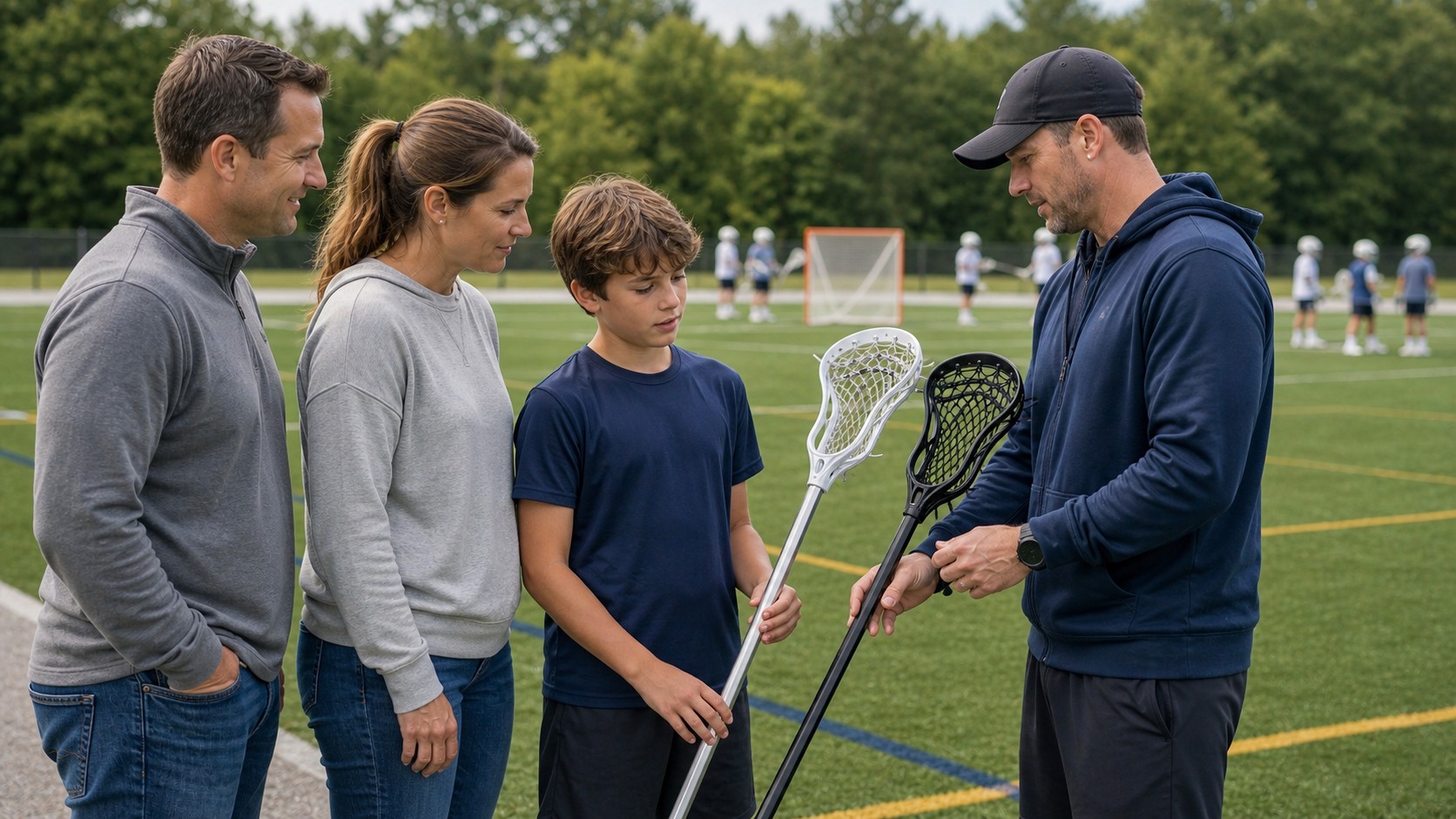
What Parents Need To Know Before Signing Up For Youth Lacrosse
Before signing up for youth lacrosse, parents should understand the basic commitment: equipment, schedule, safety rules, coaching style, costs, travel, and what the first season is supposed to teach. Youth lacrosse can be a great sport for coordination, confidence, teamwork, and field awareness, but the experience depends heavily on the program. A strong program explains age groups clearly, teaches contact and stick skills safely, welcomes beginners, and helps families know what to buy before spending too much. The goal is not to know everything on day one; it is to ask the right questions before registration.
A: Ask about age group, beginner support, equipment, schedule, cost, safety rules, coaching, and travel.
A: It can be, but loaner gear, used equipment, recreation leagues, and starter packages may reduce costs.
A: No. Equipment usually differs by format, age group, and local rules.
A: A good program teaches age-appropriate rules, safe contact, proper equipment, and respectful play.
A: Short, regular stick sessions are enough for many beginners.
A: Most beginners should start where coaching, confidence, and fundamentals are strongest.
A: They can learn alongside the player and ask coaches which rules matter first.
A: Many communities offer clinics, camps, or rental gear so families can test interest.
A: Safety, skill growth, confidence, effort, friendships, and wanting to return.
A: Keep the conversation calm, ask what the coach emphasized, and focus on the next small improvement.
Start With The Program, Not The Gear
Parents often begin with equipment questions, but the better starting point is the program. A good youth lacrosse program explains age groups, beginner expectations, safety rules, schedule, and coaching philosophy before families spend heavily. Gear matters, but the environment matters more.
Ask whether the team regularly accepts first-time players. Some programs are built for beginners, while others assume previous experience. A child can still learn in either setting, but parents should know the expectation before registration.
Age Group Rules May Differ
Youth lacrosse is not simply the adult game made smaller. Age groups may use modified fields, different contact limits, equipment allowances, shorter games, and teaching-focused restarts. These changes help children develop safely and get more meaningful touches.
Parents should ask which rule set the league uses. Boys' and girls' lacrosse may differ significantly, and local programs may adjust rules by age. Watching a college game does not always prepare a family for a ten-year-old's first season.
Understanding the age group also helps with expectations. Younger players may spend more time learning ground balls, spacing, and basic passing than running complex plays. That is appropriate development, not a lack of seriousness.
Equipment Costs Need Clarifying
The cost of youth lacrosse can vary widely. Boys' field players usually need more protective equipment than girls' field players, while goalies in any format need specialized gear. Registration fees may not include sticks, helmets, goggles, gloves, pads, cleats, uniforms, or tournament costs.
Ask About Loaner And Used Gear
Many families can reduce startup costs by asking about loaner gear, used equipment swaps, or beginner packages. This is especially useful when a child is trying the sport for the first time. A family does not need to buy the most expensive items before knowing whether the child enjoys the season.
Used gear should still be checked for fit, safety, and legality. A bargain helmet that does not fit is not a bargain. A stick that is wrong for the child's rule set can slow development. Coaches can often tell families which items are worth buying new and which can be borrowed.
The Schedule Should Fit Real Life
A youth lacrosse schedule can include practices, games, clinics, tournaments, travel, team events, and volunteer duties. Parents should ask what a normal week looks like before committing. A local recreation team may feel very different from a tournament-heavy travel team.
The right schedule depends on the child and family. A beginner who is also juggling school, other sports, or transportation limits may thrive in a lighter program. A more experienced player may want extra competition. The goal is a sustainable fit.
Burnout can happen when a season becomes too much too soon. A child who leaves every practice exhausted and anxious may not improve as well as a child who has room to recover and enjoy learning.
Safety Culture Should Be Visible
Parents should listen for how a program talks about safety. Coaches should explain equipment, legal contact, stick checks, hydration, weather, and concussion awareness. They should correct dangerous play without humiliating children. Safety should be part of the practice culture, not a speech before the first game.
Coaching Style Matters
A coach's style can shape a child's entire first impression of lacrosse. Good youth coaches teach clearly, repeat fundamentals, manage energy, and create a team environment where mistakes become learning moments. They also communicate with parents before confusion grows.
Parents can ask what coaches emphasize for beginners. If the answer is effort, safety, ground balls, basic passing, listening, and team play, that is usually a healthy sign. If the answer is only winning, families should ask more questions.
Beginner Success Is Broader Than Scoring
Many new players measure success by goals, but youth lacrosse development is much broader. Winning a ground ball, making a safe pass, learning where to stand, listening after a whistle, and encouraging a teammate are all meaningful early wins.
Parents can reinforce this by praising effort and useful decisions. A child who only hears about scoring may miss the value of defense, hustle, and communication. Lacrosse becomes more enjoyable when children see many ways to help.
This mindset also protects confidence. A beginner may not score for several games, but that does not mean the season is failing. Progress often shows up first in small responsibilities.
Rules Can Be Learned Gradually
Parents do not need to know every rule before registration. They should understand that boys' and girls' rules can differ, youth rules may be modified, and safety standards are important. From there, families can learn alongside the player.
Communication Prevents Many Problems
Before the season starts, ask how the program communicates schedules, cancellations, field changes, equipment reminders, and volunteer needs. A clear communication system reduces stress. Parents should also know who to contact about concerns, absences, injuries, or financial questions.
Good communication works both ways. Coaches need to know if a child is anxious, brand new, injured, or missing gear. Parents do not need to overshare, but useful context helps coaches support the player.
Trying The Sport First Can Help
Many communities offer beginner clinics, camps, or try-it days. These can be valuable before a full-season commitment. A child can hold a stick, meet coaches, learn a few skills, and decide whether the sport feels exciting. Parents can observe the program's tone before registering.
A trial experience also clarifies gear needs. Families may discover the child prefers one format, needs a smaller stick, or feels nervous about contact. Those details are easier to handle before the season begins.
If no trial is available, parents can still ask to watch a practice. Seeing the team environment often answers questions that a registration page cannot.
Parents Shape The Sideline
Youth lacrosse is easier for children when the sideline stays calm. Parents should cheer effort, respect officials, avoid coaching every touch, and let the actual coach lead. A loud, anxious sideline can make a new player more nervous than the game itself.
The First Season Is Exploration
A first season should answer basic questions. Does the child enjoy practice? Is the program safe and organized? Are skills improving? Does the player want to return? Those answers matter more than early standings or highlight moments.
Some children fall in love with lacrosse immediately. Others need several weeks to feel comfortable. A few may decide it is not their sport, and that is useful information too. Parents should leave room for discovery.
A Better Signup Decision Comes From Better Questions
Before signing up, parents should ask about age group, rules, gear, costs, schedule, coaching, safety, and beginner support. Those questions do not make anyone difficult. They help the family choose a program with open eyes.
Youth lacrosse can be a terrific experience when the fit is right. Children gain coordination, confidence, teamwork, and resilience. Parents gain a clearer way to support growth without needing to master the sport overnight. A thoughtful signup decision gives the first season the best chance to be positive.
The right questions also help programs serve families better. Coaches and directors can explain expectations before small misunderstandings become season-long frustrations. Everyone starts with a clearer picture of what the team is trying to build.
How To Tell If A Program Welcomes Beginners
Beginner-friendly programs describe first steps clearly. They explain what to bring, how practices are structured, which skills are taught first, and how new players are supported. They do not make families feel embarrassed for asking about basic gear or rules.
Balancing Challenge And Enjoyment
A good first season should challenge a child without making every practice feel like a test. The player should learn new skills, handle corrections, and compete, but still feel that improvement is possible. Too little challenge can become boring. Too much pressure can make the sport feel hostile.
Parents can watch for the balance. Does the child talk about teammates? Does practice feel hard but worthwhile? Does the coach explain mistakes? Does the player want to try again after a rough day? These signs matter more than an early win-loss record.
What To Do After Registration
Once registered, families should confirm the calendar, buy or borrow required gear, label essentials, and ask what skills to practice before the first session. A few short passing or scooping sessions can make the opening week feel less intimidating.
Parents should also set expectations with the child. The first practices may feel confusing. That is normal. The goal is to listen, try, ask questions, and learn one piece at a time.
Starting calmly matters. When families arrive organized, children can focus on the field instead of worrying about missing gear, unknown rules, or surprised parents.
What If The Child Is Nervous
Nerves are common before trying a new sport. Parents can help by naming the first goal clearly: show up, listen, try the drills, and learn one teammate's name. A child does not need to feel fearless before practice. Confidence often appears after a few small successful moments.
Why The First Coach Relationship Matters
For many children, the first coach becomes the face of the sport. A coach who explains, encourages, and corrects safely can make lacrosse feel learnable. A coach who only criticizes may make the same sport feel impossible.
Parents should watch how coaches handle mistakes. Do they show the next step? Do they include quiet players? Do they teach safety before intensity? Those observations reveal more than a polished registration page.
When To Reevaluate The Fit
Sometimes a program is not the right fit, even if the sport could be. The schedule may be too intense, the travel too heavy, the coaching too advanced, or the culture too stressful. Parents should separate the child's interest in lacrosse from the specific environment. A different team or level can change the experience dramatically.
Reevaluation does not have to mean quitting immediately. It may mean talking with the coach, changing teams next season, trying a clinic, or moving from travel to recreation. The goal is to keep the child connected to healthy development. Parents should look for patterns over several weeks, not judge from one rough practice. A thoughtful adjustment can keep the sport open instead of making the first mismatch feel final. The best choice is the one that helps the child keep learning with confidence and steady curiosity. A positive path is allowed to be gradual.
A good fit should challenge the player while still leaving room for joy. That balance is what keeps young athletes coming back long enough to improve.