Why Box Lacrosse Makes Better Field Lacrosse Players
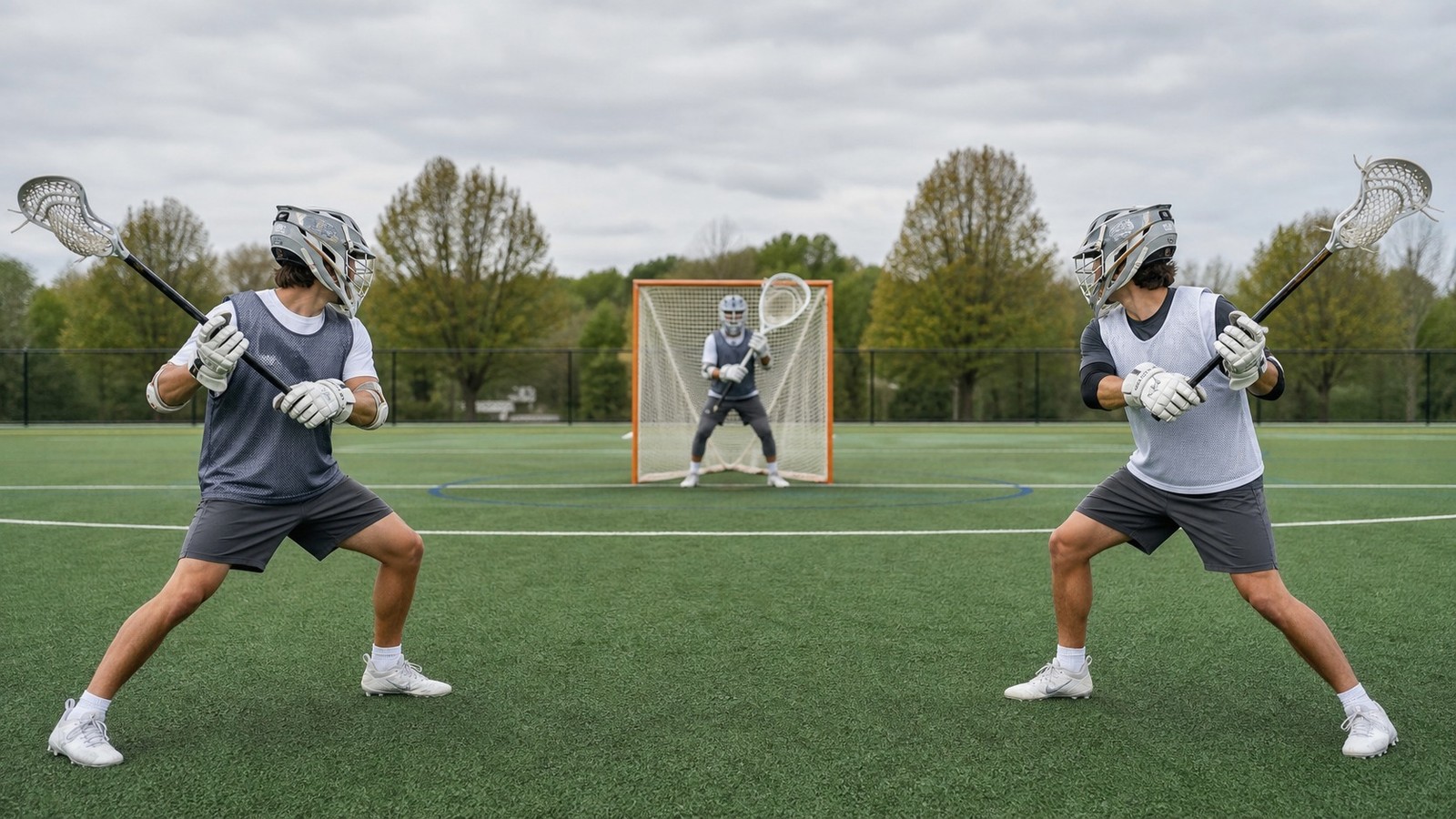
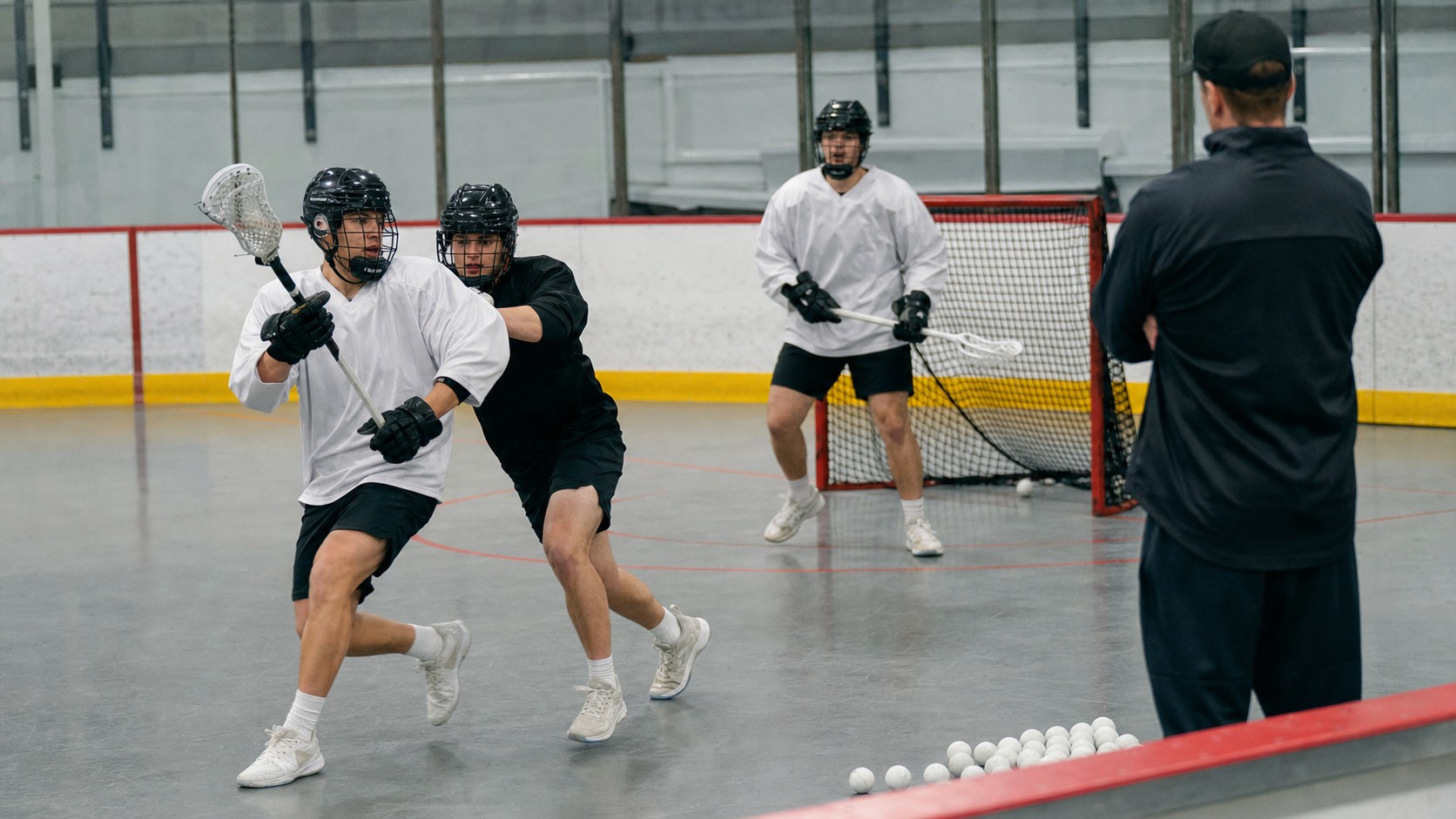
Box lacrosse can make field lacrosse players better because it gives them repeated, honest pressure in a smaller space. Players must catch with defenders nearby, pass before a trap closes, finish through traffic, protect the stick, and communicate in crowded situations. Those habits travel back outdoors, where the same player suddenly has more room and more time to use skills that were tested indoors. The benefit is not automatic, though. It appears when players and coaches deliberately connect indoor pressure to outdoor decisions. That connection turns hard indoor reps into field habits a player can actually use, especially when practices name the transfer instead of assuming it will happen. Specific transfer goals keep the improvement visible.
A: It forces players to make clean catches, passes, and decisions while defenders are already close.
A: Yes, especially with quick releases, fakes, inside finishing, and shooting through traffic.
A: Absolutely. They learn leverage, communication, body position, and discipline in tight space.
A: It can, when coaches teach safe contact, balance, and emotional control instead of reckless collisions.
A: Attackers get many touches near pressure, which improves vision, feeding, and finishing.
A: Yes, midfielders gain quicker decision-making and better confidence when carrying through contact.
A: It can if players ignore outdoor spacing, long clears, and field substitution patterns.
A: Even a short season can help if practices include real pressure and thoughtful coaching.
A: Most young players benefit from variety rather than early specialization.
A: Clean stick handling under pressure is usually the first improvement coaches notice.
The Indoor Game Speeds Up Feedback
Box lacrosse teaches quickly because mistakes have very little room to hide. A player who carries with the stick exposed feels pressure on the hands. A passer who waits too long sees the lane disappear. A cutter who arrives without timing crowds a teammate instead of creating danger. The smaller surface gives immediate feedback that a coach can connect to a clear correction.
That feedback is valuable for field players because outdoor space can sometimes disguise weak habits. A player may survive a slow decision on a wide field simply because the defender has farther to travel. Indoors, the same decision becomes a turnover, a trapped possession, or a rushed shot. The lesson is sharper because the consequence arrives sooner.
When the player returns to field lacrosse, the outdoor game can feel more readable. The athlete who learned to pass under indoor pressure may see a field outlet earlier. The shooter who practiced fakes near the crease may finish with more confidence. Box does not replace field training, but it gives field skills a more demanding test.
Better Hands Come From Smaller Windows
The most obvious transfer is stick skill. Box players catch in traffic, move the ball through short lanes, and finish with defenders close enough to bother the hands. They cannot wait for a perfect setup. They have to receive, protect, and release while the play is still changing.
That kind of repetition helps field players in common outdoor moments. A crease catch through a slide, a ground ball near the sideline, a feed after a dodge, or a pass during a clear all become easier when the player has already handled crowded touches indoors. Better hands are not only about tricks; they are about staying useful when pressure arrives.
Decision-Making Gets Shorter And Cleaner
Box lacrosse also improves the time between seeing a play and making a choice. The floor is too small for long pauses. A ball carrier may have to decide whether to slip a pass, roll away, hit an outlet, or reset before the trap reaches full strength. That habit creates players who do not need to stare at an option before trusting it.
Field coaches love that quality because outdoor lacrosse still has tight moments. A dodge may draw a slide near the crease. A ride may trap a clearing midfielder against the sideline. A man-up possession may ask for one more pass before the defense recovers. The player who learned fast, simple reads indoors can solve those moments without panic.
The important detail is that fast decisions are not the same as rushed decisions. Box teaches players to move early because they understand the pressure, not because they are guessing. That distinction matters outdoors, where a player also has to know when to slow down, substitute, or protect possession.
Finishing Becomes More Creative
Inside scoring is one of the strongest arguments for box development. Players learn that a close shot is not automatically a good shot if the goalie sees it cleanly. They practice fakes, quick sticks, angle changes, screens, and rebounds. They learn to use the body to protect the stick without losing balance.
Those lessons travel directly to field lacrosse around the crease. Outdoor finishers still need touch, timing, and the ability to score before help arrives. A player who can finish indoors through traffic often becomes more patient outside because more options are available. Instead of relying on one hard release, the player has several ways to solve the goalie.
Defensive Players Learn Useful Patience
Box is not only an offensive teacher. Defenders learn how to steer, communicate through picks, hold body position, and avoid chasing checks that create penalties. Because the goal is close, a poor defensive gamble becomes dangerous right away. That pressure rewards defenders who stay balanced and connected to teammates.
The Best Transfer Still Needs Field Context
Box lacrosse makes better field players when coaches connect the formats rather than treating indoor habits as magic. A player still needs to learn outdoor spacing, longer clears, defensive recovery across a wide field, and substitution rhythm. Indoor pressure sharpens skills, but field lacrosse decides how those skills fit into a larger shape.
Families should look for programs that explain that connection. Good box training should not simply celebrate contact or quick shots. It should teach outlets, safe body position, decision speed, and how to recognize the next pass. Those are the habits that become valuable when the player steps back onto grass or turf.
For a developing athlete, the payoff is confidence. The field player who has handled the boards, the crease crowd, and the fast indoor pass is less likely to panic when an outdoor defender closes. The game still moves quickly, but it no longer feels surprising. That calm is one of the quiet reasons box lacrosse can raise a field player's ceiling.
What Box Does For Off-Ball Awareness
One underrated benefit is how box teaches players without the ball. Because the floor is smaller, standing still can hurt the possession immediately. A player must clear space, become an outlet, seal a defender, time a cut, or rotate into a better passing lane. Those jobs sound simple, but they are exactly what make field offenses cleaner when the same player returns outdoors.
Field players sometimes think improvement means becoming more dangerous with the ball. Box reminds them that the next pass may be created by someone who never touches it. A well-timed cut can pull a defender away. A smart seal can give a teammate half a step. A quick outlet can prevent a turnover. Off-ball awareness is one of the least flashy skills that transfers beautifully.
Where The Transfer Can Be Misread
Box training is not automatically helpful if players misunderstand what it is teaching. A player who learns only to force inside shots may bring poor shot selection back to the field. A defender who treats every indoor battle as permission to overplay may struggle with outdoor recovery angles. The format teaches well when the coach explains the why behind each habit.
The same caution applies to tempo. Indoor players often make decisions quickly, but field lacrosse still requires judgment about score, clock, substitutions, and spacing. Fast hands are useful. Fast mistakes are not. A player has to learn when the indoor instinct to move the ball immediately should become an outdoor reset, swing pass, or settled possession.
This is why the best development programs use language that bridges both formats. They might say that box teaches pressure skills and field teaches expansion skills. One skill set does not cancel the other. A complete player learns to shrink the decision under pressure, then widen the view when the field gives more room.
How Parents Can Evaluate Indoor Development
Parents do not need advanced tactical knowledge to see whether box is helping. Watch whether the player is calmer when catching, quicker to find teammates, safer near contact, and more willing to compete for loose balls. Those signs matter even if the player is not scoring much. Development often appears first in cleaner choices, not in highlight plays.
Why The Best Players Keep Both Lenses
A player who uses only a box lens may crowd outdoor possessions. A player who uses only a field lens may need too much time when pressure is tight. The best athletes learn to switch lenses. They understand when the game is asking for indoor-style urgency and when it is asking for field-style patience.
That flexibility is the real reason box lacrosse can make better field players. It does not give them a secret shortcut. It gives them a second environment where important skills are tested differently. When those lessons are brought back to the field with good coaching, players often become sharper, calmer, and more adaptable.
Turning Indoor Reps Into Outdoor Habits
The transfer becomes strongest when players name the exact habit they are carrying outside. A quick-stick drill indoors can become a crease-finishing habit outdoors. A board escape can become a sideline pressure solution. A short outlet pass can become the first answer against a ride. Without that connection, the player may enjoy box without fully using what it teaches.
Coaches can help by pairing indoor clips with field moments. Show a player a box possession where the outlet appeared early, then show a field clear where the same early outlet would have broken pressure. Show an indoor fake that moved a goalie, then connect it to an outdoor finish near the crease. The player begins to see one skill in two environments.
Players can also track transfer during practice. After an indoor season, they can ask whether they catch more calmly, move the ball sooner, finish with more variety, or communicate better near pressure. These are concrete signs. They keep development from becoming a vague claim that box is good for everyone in every situation.
The Real Value Of Box Training
The real value of box training is not that it makes field lacrosse easy. Field lacrosse remains complex, demanding, and highly skilled. The value is that indoor pressure removes comfort. It asks the player to solve hard moments repeatedly until cleaner habits appear.
When those habits meet outdoor space, the player has more options. The pass can leave earlier, the shot can be disguised better, the defender can hold position longer, and the midfielder can stay calmer under a ride. That is why so many coaches value box lacrosse. It builds skills that still matter when the walls are gone.
How To Keep The Benefit Going
Players can keep the benefit going by practicing field skills with box-style pressure. A coach can shrink a drill, limit touches, add a defender near the hands, or require an outlet after every ground ball. These constraints remind players that outdoor space should not become an excuse for slow decisions.
The reverse is also helpful. After a box season, players should practice using wider field vision again. They can work on long outlets, full-field clears, midfield spacing, and transition decisions that require patience. This prevents indoor urgency from becoming outdoor crowding.
The ideal player is not simply a box player or a field player. The ideal player can handle a crowded crease, then step onto a field and understand the larger picture. Box lacrosse helps most when it becomes part of that complete skill set.