Can Field Lacrosse Players Transition To Box Lacrosse?
Field lacrosse players can transition to box lacrosse, but the change is easier when they expect the indoor game to feel different rather than smaller. Box lacrosse compresses space, speeds up reads, brings contact closer to the ball, and makes the boards part of the possession. A field player with solid fundamentals has a strong base, but the first few practices should be treated as an adjustment period, not a test of pride. The goal is to keep useful field habits while learning a tighter, faster rhythm. With the right expectations, the switch becomes a development project instead of a shock, and every early mistake gives the player a practical clue. Patience helps the new rhythm settle safely and well.
A: Many struggle with how little time they have before pressure closes around the ball.
A: Yes. Catching, passing, scooping, footwork, and vision remain important, but they happen in tighter space.
A: Not usually. Dodges need shorter setup, better protection, and quicker outlet awareness.
A: Comfort can improve in a few practices, but real confidence usually takes repeated live pressure.
A: It can be safe when coaches teach body position, legal contact, and support habits carefully.
A: Only if players forget to reconnect indoor skills to the wider field game.
A: Look for coaching that explains contact, outlet support, and decision-making rather than simply praising collisions.
A: Yes, calm hands, passing vision, timing, and positioning can be just as valuable as strength.
A: Goalies face closer shots and more traffic, so their adjustment can be significant.
A: A good first goal is making safe plays, communicating early, and learning how pressure feels.
The Switch Is Realistic, But Not Automatic
A field lacrosse player does not have to start over when moving into box. The core skills still matter: throwing, catching, scooping, cradling, defending, and reading teammates. A player who already understands possession and teamwork has a useful foundation. The challenge is that the foundation is tested faster and closer to contact.
The mistake many field players make is assuming box lacrosse is simply field lacrosse indoors. It is better to see the format as a related game with its own rhythm. The boards change how pressure works. The smaller surface changes how quickly teammates must support the ball. The crease and goalie traffic change how shots are created.
That difference should be encouraging rather than intimidating. A player who is willing to adjust can improve quickly because the feedback is constant. Every trapped possession, missed outlet, or rushed shot tells the player something specific. Box rewards humility early, then confidence grows through repetition.
Space Changes Every Habit
On a field, a player may dodge into open grass, carry away from trouble, or wait an extra beat for a pass to develop. Indoors, those choices can close quickly. The ball carrier has to know where help is before pressure becomes complete. Teammates also have to move sooner because watching the trap form is usually too late.
This is why box can be so useful for field players. It teaches them that space is created by timing and support, not only by field size. A smart reset pass, a quick cut, or an outlet behind pressure may create more value than a longer carry. Once that lesson clicks indoors, outdoor decisions often become cleaner.
Board Play Requires Calm Body Position
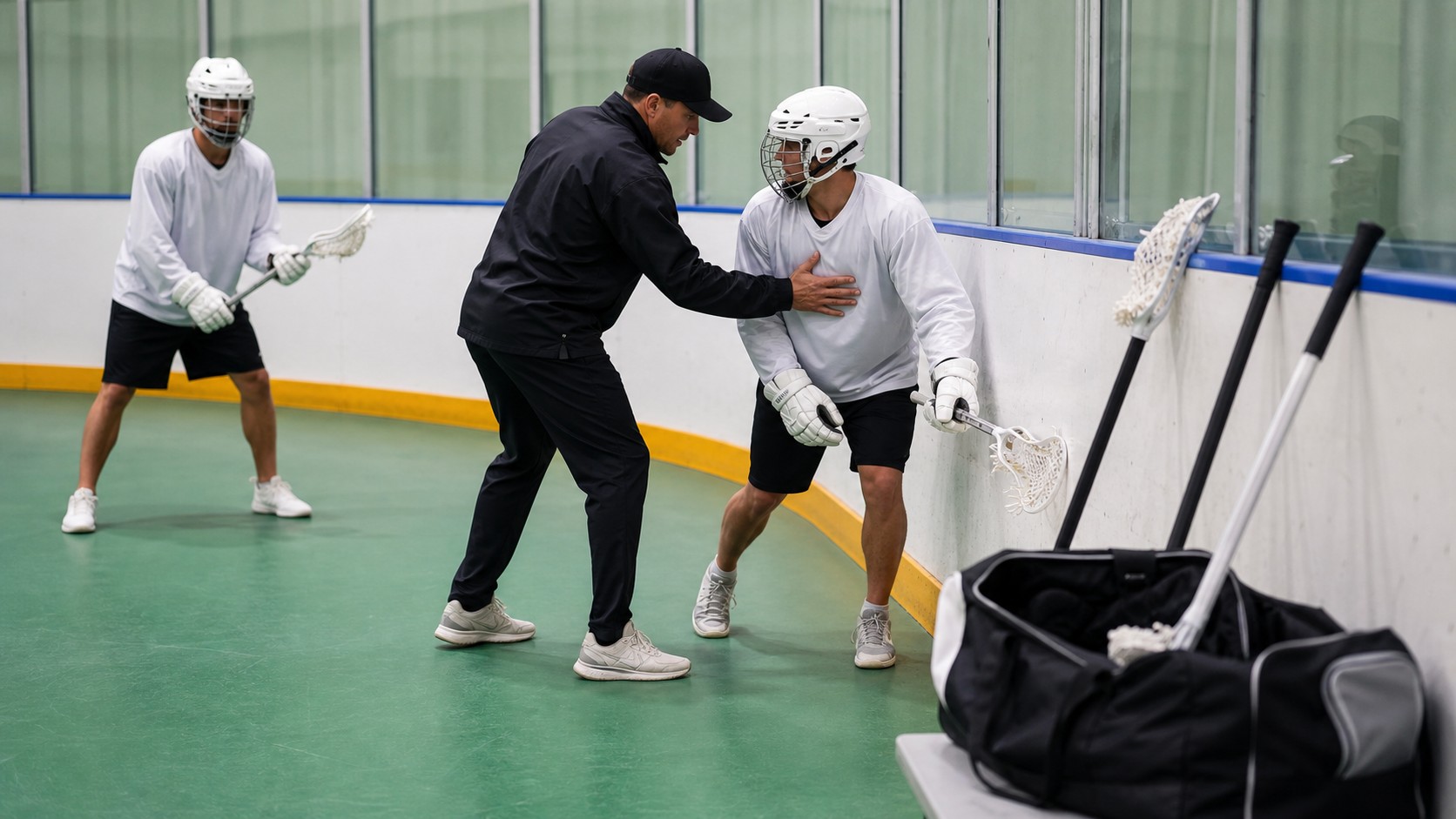
The boards are often the biggest mental adjustment. Field players may feel uncomfortable when the play moves toward the wall because the escape routes are limited. Good box coaching should teach players how to approach the wall, keep balance, protect the stick, and avoid turning blind into pressure. Board play is not supposed to be chaos.
A useful board habit is to separate toughness from recklessness. The player battling for the ball needs strength and courage, but teammates decide whether the possession becomes safe. One player digs, another seals, and another becomes the outlet. When everyone understands the jobs, the wall becomes a teachable area rather than a panic zone.
Players should also learn that winning the wall does not always mean carrying away from it. Sometimes the best play is a short pass to a teammate who already has vision. Sometimes the right play is to pin, reset, or let support arrive. That patience is valuable when the player returns to field lacrosse sideline pressure.
Stick Skills Need Shorter Timing
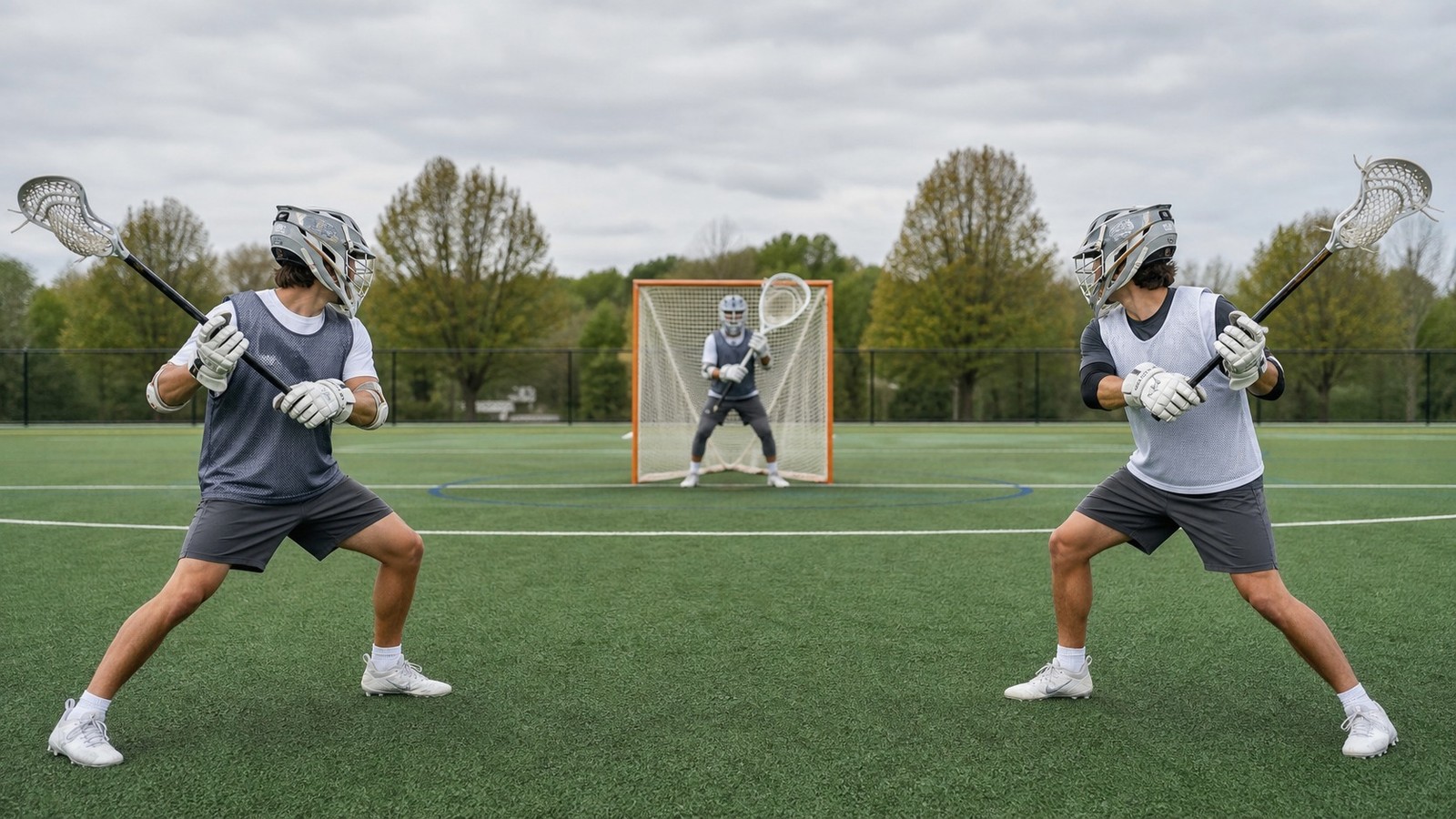
A field player's stick skills may be solid, but box asks for different timing. Long cradles, slow windups, and delayed passes give defenders time to attack the hands. Indoor players often learn to catch, fake, pass, and shoot from compact positions. That does not mean the player becomes robotic. It means the stick stays useful under pressure.
The quickest improvement usually comes from simple repetitions. Catch while moving. Catch with a defender nearby. Pass to a target before the lane is perfect. Shoot without a full windup. Pick up a loose ball and immediately find an outlet. These drills feel ordinary, but they build the calm that box requires.
Defense Feels Different Indoors
Defenders also have to adjust. Outdoor recovery angles are larger, while indoor defense is often about leverage, communication, and preventing dangerous middle access. A field defender who chases checks can create problems in box because help arrives differently and penalties are costly. Balanced feet and early talk are more useful than dramatic swings.
A Smart Transition Plan Keeps Both Games Connected
The best transition plan gives a field player specific goals for the first month. Learn the rules. Understand substitutions. Get comfortable near the boards. Build quick outlet habits. Practice finishing without a long setup. Ask coaches how indoor reads should translate back outdoors. Those goals make progress visible even before the player feels fluent.
It also helps to watch box with a narrow focus. On one possession, watch how the ball carrier escapes pressure. On another, watch the nearest outlet. On another, watch the defender's body position near the boards. This kind of viewing keeps the new format from feeling like a blur and gives the player practical details to copy.
Field players can absolutely transition to box lacrosse. The ones who do it best respect the differences without abandoning their strengths. They bring outdoor athleticism, field vision, and team habits into a tighter space, then let the indoor game sharpen their hands, timing, and composure. The result can be a more complete lacrosse player in both formats.
What Coaches Should Teach First
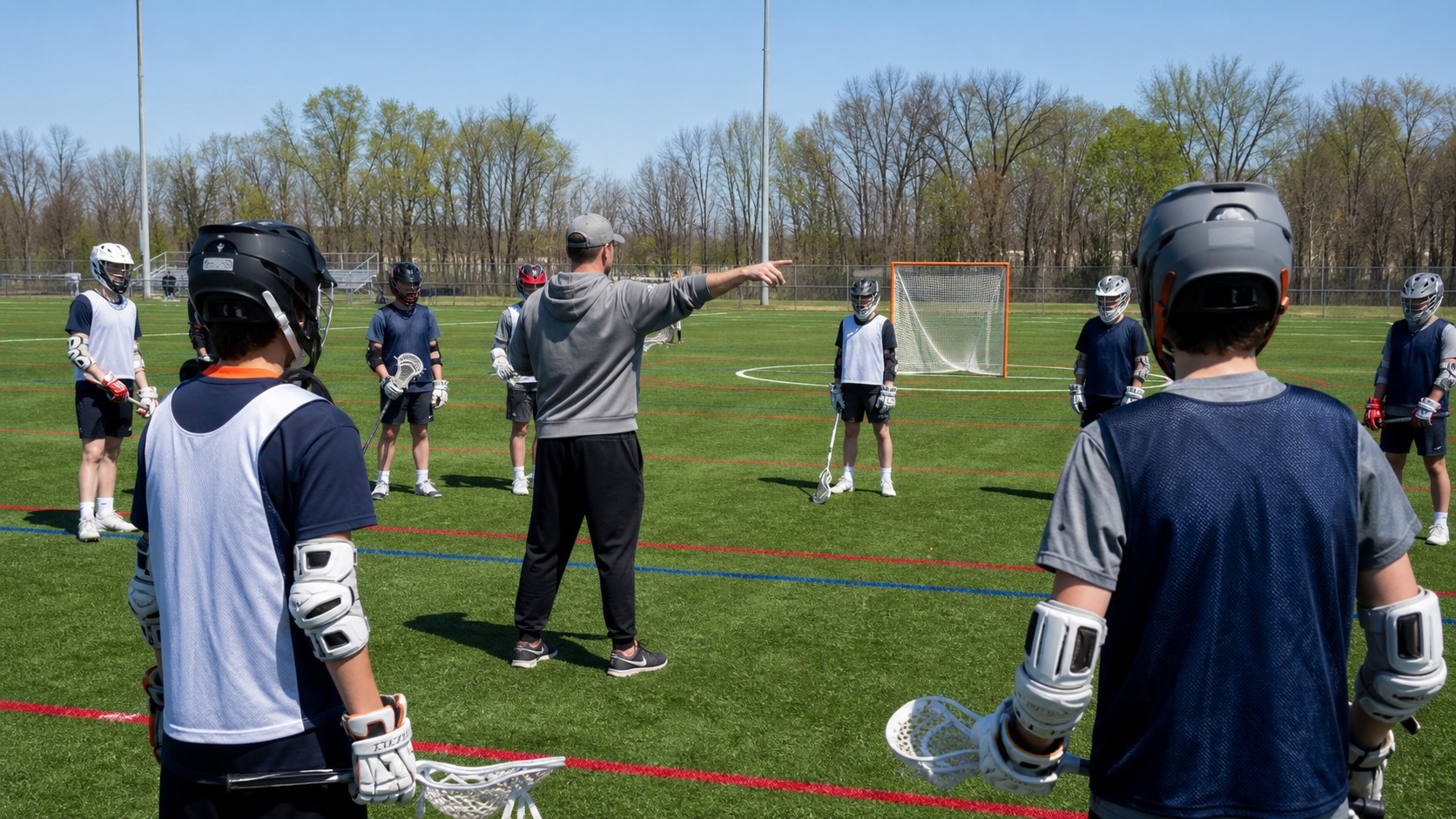
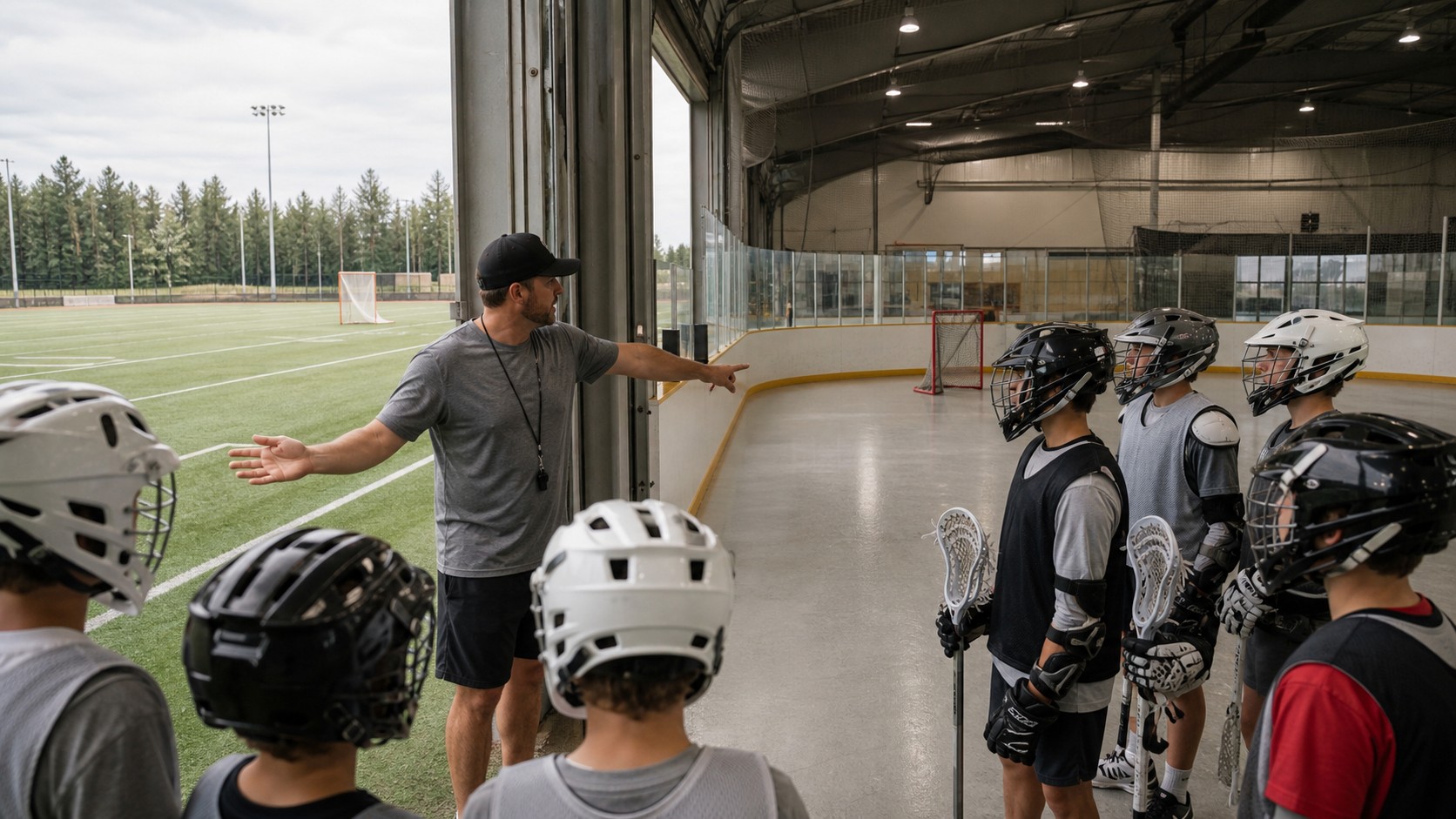
Coaches introducing field players to box should begin with safety and orientation. Players need to know where they can change, how the boards affect contact, what the crease allows, and how officials call the local game. Those details reduce anxiety because the player understands the environment before being asked to play fast.
After that, the first technical lessons should be simple: protect the stick, find the outlet, keep feet under the body, and communicate early. Advanced indoor tactics can wait until the player is comfortable surviving pressure. A field player who learns these core habits first is less likely to respond to the smaller surface with panic or unnecessary force.
Mistakes That Usually Fade With Repetition
Many early mistakes are predictable. Field players may carry too long because they expect more open space. They may turn toward the wall without checking support. They may throw passes that float through the middle because those passes sometimes survive outdoors. Indoors, those habits are corrected quickly because pressure exposes them.
Another common mistake is trying to prove toughness before understanding position. A player who throws the body around without balance can lose the ball, take a penalty, or miss the next support job. Box rewards competitive players, but it rewards useful competitiveness. The best contact creates possession, protects a teammate, or stops a dangerous chance.
Players also need time to adjust emotionally. A field athlete who is normally confident may feel rushed during the first indoor sessions. That is normal. Coaches and parents should frame the adjustment as learning a new dialect of the same sport. With repetition, the game begins to slow down mentally, even though the floor remains fast.
How To Measure Progress Indoors
A good transition is visible in small improvements. The player checks for help before pressure arrives. Passes come out cleaner. Loose balls are followed by safer first decisions. Defensive contact becomes more controlled. The player may still make mistakes, but the mistakes start to come from learning the game rather than being surprised by it.
Bringing The Lessons Back Outside
The transition should not end when the indoor season ends. Field players can bring box lessons into outdoor practice by using tighter passing drills, crease finishing under pressure, sideline escape work, and short-area defensive communication. These drills remind the player that indoor habits are useful because field games still contain crowded moments.
At the same time, players must reopen their field vision. Outdoor lacrosse asks for longer support, wider spacing, and different transition judgment. The goal is not to become only a box player on a field. The goal is to become a field player with better hands, better composure, and a more reliable response when the game suddenly gets tight.
First Month Practice Priorities
During the first month, a field player should measure progress by comfort under pressure. Can the player catch near the boards without turning away from the field? Can the player find an outlet before the second defender arrives? Can the player cut through the middle without arriving too early? These small targets are more useful than asking whether the player looks like an experienced box athlete immediately.
The second priority is learning the rhythm of substitutions and shifts. Field players may be used to different personnel patterns, and indoor changes can feel quick. Knowing when to change, where to enter, and how to avoid leaving teammates exposed helps the player feel part of the game. Confusion around the bench can make the floor feel faster than it really is.
The third priority is shot selection. Field players with strong outside shots may want to rely on power, but box goalies and tight defenses require more patience. A good indoor chance may come from a fake, a screen, a quick catch, or one extra pass. Learning that lesson early prevents frustration and teaches the player to see scoring as a sequence.
A Confident Switch Is Gradual
A confident switch does not mean the player stops making mistakes. It means the mistakes become smaller and more understandable. The player recognizes pressure sooner, knows why a pass was late, and can explain what the next support job should have been. That kind of awareness is the bridge between feeling lost and becoming useful.
Field lacrosse players should give themselves permission to grow into box lacrosse. The format can be demanding, but it also gives rich feedback. Players who stay curious, ask clear questions, and practice the uncomfortable details often find that the indoor game changes how they see the outdoor game too.
What A Successful Transition Looks Like
A successful transition is not measured only by goals or assists. It can show up when a player survives a board battle without panic, makes the simple outlet, or chooses not to force a shot. It can show up when a defender communicates through a pick instead of chasing late. These are practical signs of adaptation.
The player should also begin to anticipate pressure. Early on, box can feel like contact appears from nowhere. Later, the player starts to sense where the trap may come from and where the next teammate should be. That anticipation is a major step because it means the player is reading the floor instead of only reacting.
When that confidence appears, field skills and box lessons start working together. The athlete still has outdoor speed and spacing awareness, but now carries the ball with more protection and makes decisions sooner. That combination is why the transition is worth the uncomfortable beginning.