Understanding the Fast-Paced World of Lacrosse
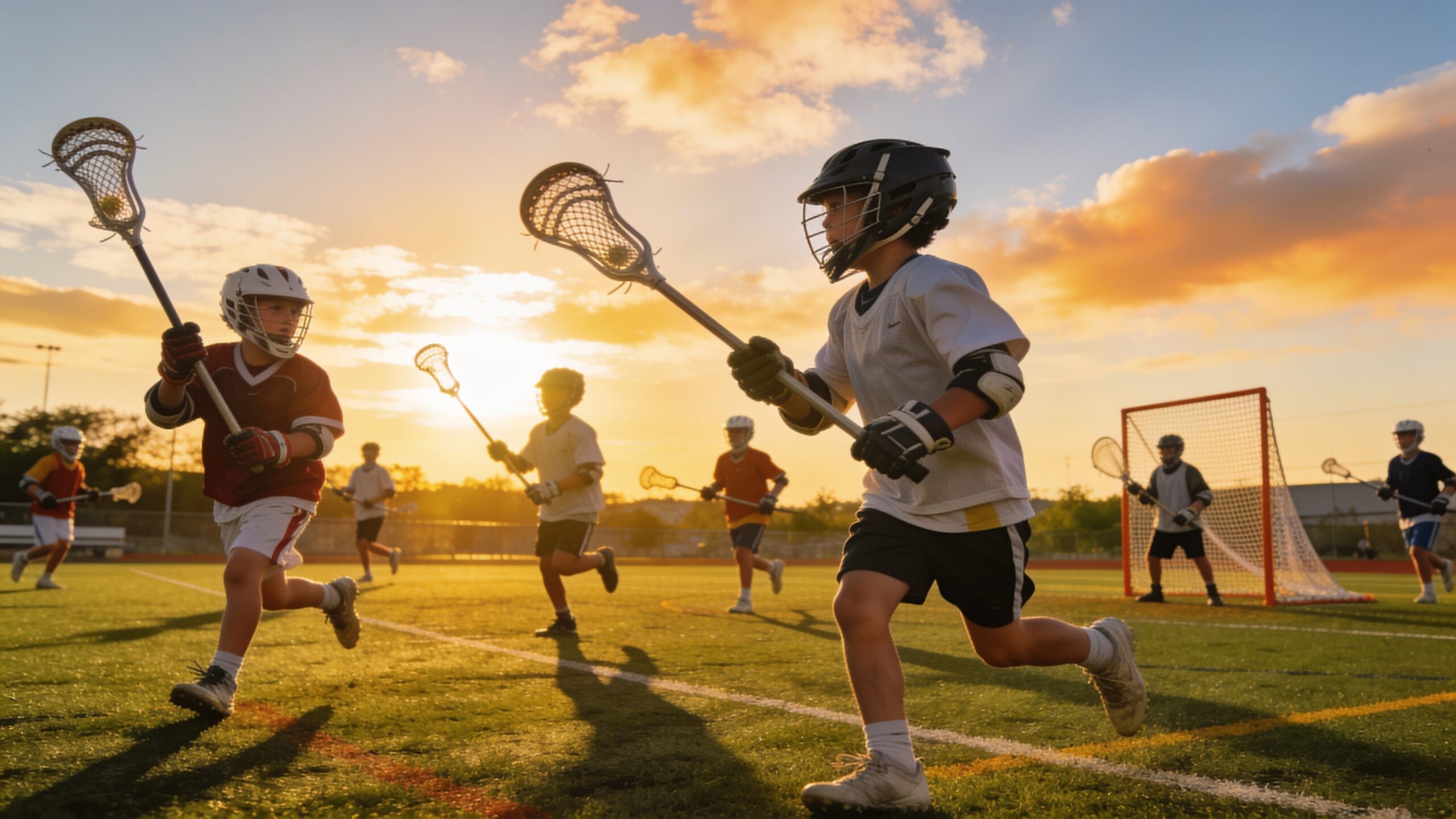
Lacrosse can look chaotic the first time you watch it. Players sprint across the field, sticks flash through passing lanes, defenders crash toward the ball, midfielders race in both directions, and the goalie shouts commands from the crease. But underneath all that speed is a clear structure. Every player has a job, every position has a purpose, and every movement is connected to the larger rhythm of the game. For beginners, learning lacrosse positions is one of the best ways to understand what is happening on the field. Once you know who the attackmen are, why midfielders never seem to stop running, how defenders protect the crease, and why goalies act like field generals, the game becomes much easier to follow. Lacrosse is not just about throwing, catching, and shooting. It is about spacing, timing, communication, and knowing your role.
A: Midfield can teach the full game, while attack or defense may be easier if a player has a clear strength.
A: Attack players create offense, feed teammates, dodge defenders, cut near the crease, and finish scoring chances.
A: Midfielders play offense, defense, transition, clears, rides, and often cover the most ground.
A: A defenseman guards opposing attackers, protects the crease, communicates slides, and helps force difficult shots.
A: The goalie stops shots, leads defensive communication, controls rebounds, and starts transition after saves.
A: A slide is when a defender leaves their assignment to help stop a teammate’s player from reaching the goal.
A: Clearing moves the ball out of defense; riding pressures the clearing team to force a turnover.
A: A long-stick midfielder is a defensive-minded midfielder who uses a long pole to defend and create transition chances.
A: Ground balls create possession, and more possessions usually mean more chances to score or control the game.
A: Match your strengths to the role: scoring for attack, stamina for midfield, toughness for defense, and focus for goalie.
The Basic Layout of a Lacrosse Team
In field lacrosse, a team is usually built around four major position groups: attack, midfield, defense, and goalie. Each group has a different responsibility, but the best teams work as one connected unit. Attack players focus mostly on scoring. Midfielders play both offense and defense. Defenders protect their own goal and disrupt the opponent’s attack. The goalie guards the net and directs the defense. A standard men’s field lacrosse lineup includes three attackmen, three midfielders, three defensemen, and one goalie on the field at a time. Women’s lacrosse uses a different structure and has more players on the field, but many of the core ideas remain similar: some players focus on scoring, some control the middle of the field, some defend, and one goalie protects the net. No matter the format, lacrosse rewards players who understand where they fit into the team.
Attack: The Finishers and Playmakers
Attack players, often called attackmen in boys’ and men’s lacrosse, usually stay on the offensive half of the field. Their main job is to create and finish scoring opportunities. They handle the ball near the goal, dodge defenders, feed teammates, and look for open shots. A great attack player does not simply shoot every time they touch the ball. They read the defense, move without the ball, and know when to pass, cut, or attack the cage.
Attack players often operate from areas like behind the goal, the wings, and the front of the crease. The player behind the goal can be especially dangerous because they can see the entire offensive shape and feed cutters moving toward the net. Beginners should think of attack as a combination of creativity and patience. The best attack players are confident with the ball but also smart enough to wait for the right opening.
The Crease Attack Role
One important offensive role is the crease attack player. This player works near the circular area around the goal called the crease. Offensive players cannot step inside the crease, but they can move around it, cut through open space, and catch quick passes close to the net. Crease players often score on fast finishes, rebounds, or sneaky cuts when defenders lose sight of them.
Playing near the crease takes courage and awareness. There is less space, defenders are physical, and the goalie is right there. A beginner learning this role should focus on footwork, quick hands, and staying available as a target. The crease player may not hold the ball for long, but one sharp cut and one clean catch can lead to a goal.
The Dodging Attack Role
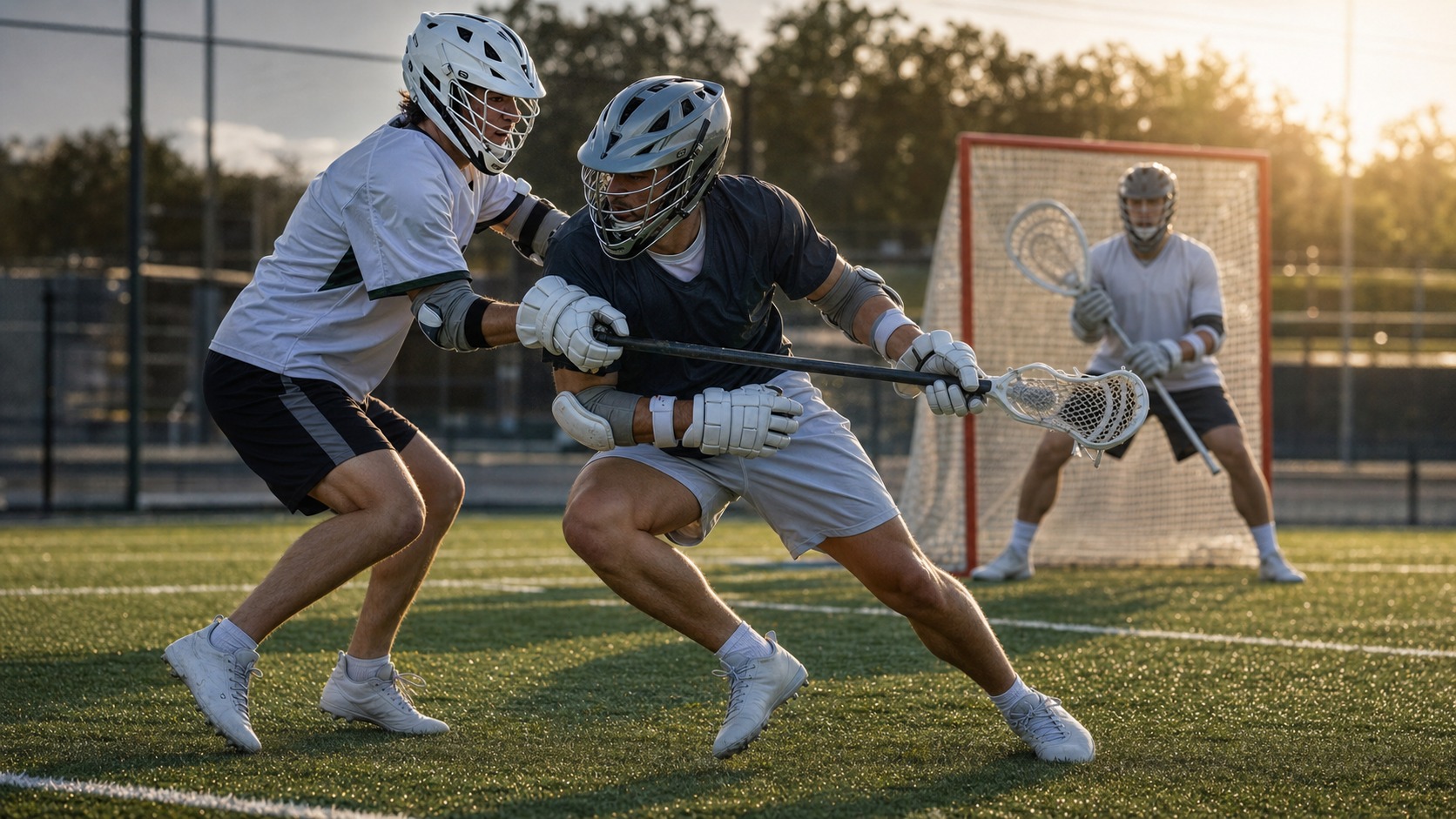
Some attack players specialize in dodging. A dodge is a move used to beat a defender while carrying the ball. Dodging attack players use speed, change of direction, body positioning, and stick protection to create separation. Their goal is to force the defense to slide, which means another defender must leave their assignment to help stop the ball carrier.
When a dodge draws a slide, the offense gains an advantage. The dodger can shoot, pass to the open teammate, or move the ball quickly to keep the defense rotating. Beginners should remember that dodging is not just about beating one defender. It is about creating movement across the entire defense.
The Feeding Attack Role
A feeder is a playmaker who sets up teammates. Feeders often work from behind the goal or along the wings, scanning for cutters and open shooters. They need excellent vision, accurate passing, and the patience to let plays develop. A good feeder can control the tempo of an offense without taking many shots.
For new players, feeding teaches one of the most important lessons in lacrosse: the ball moves faster than any player can run. A smart pass can break down a defense more efficiently than a risky dodge. Great feeders understand spacing, timing, and how to pass to a teammate’s stick where they can catch and shoot quickly.
Midfield: The Engine of the Team
Midfielders, often called middies, are the all-purpose players of lacrosse. They play offense, defense, and transition. They run the full length of the field, help clear the ball from defense to offense, ride opponents after turnovers, and support both ends of the game. If attack players are the finishers and defenders are the protectors, midfielders are the engine that keeps everything moving. Because midfielders cover so much ground, conditioning is essential. They need speed, stamina, stick skills, defensive discipline, and offensive confidence. A beginner who plays midfield should expect to learn every part of the game. It is one of the most demanding positions, but it is also one of the best for developing complete lacrosse skills.
Offensive Midfielders
Offensive midfielders help create scoring chances from the top and wings of the offensive zone. They often initiate dodges from farther away than attack players, using speed and space to build momentum. A strong offensive midfielder can shoot on the run, pass under pressure, and force defenders to make difficult decisions.
These players must also understand when to stay balanced. If all midfielders push too deep into the offense, the team can be vulnerable to fast breaks the other way. Beginners should focus on controlled aggression. Attack the defense when there is an opening, but stay aware of where teammates and opponents are positioned.
Defensive Midfielders
Defensive midfielders, sometimes called short-stick defensive midfielders or SSDMs in men’s lacrosse, specialize in stopping offensive midfielders. They may not always get the spotlight, but they are extremely valuable. Their job is to pressure ball carriers, force bad angles, communicate with defenders, and help win ground balls.
This role requires toughness and discipline. Defensive midfielders must move their feet, stay balanced, and avoid reaching with the stick. Beginners often want to swing at the ball, but good defense starts with body positioning. Stay between the opponent and the goal, guide them away from dangerous areas, and make every step difficult.
The Faceoff Specialist
In boys’ and men’s lacrosse, the faceoff specialist has one of the most unique jobs on the field. After goals and at the start of quarters, two players battle for possession at midfield. The faceoff player uses quick hands, leverage, reaction speed, and technique to win the ball. Winning faceoffs can give a team more possessions, more scoring chances, and more control over the game. A faceoff specialist may stay on the field after winning possession or quickly substitute off. Beginners should know that this role is highly technical. It takes repetition, timing, and strength. Even though a faceoff lasts only a few seconds, it can completely change the momentum of a game.
Long-Stick Midfielder
The long-stick midfielder, often called an LSM, is a defensive player who uses a longer stick while covering the midfield area. This role is common in boys’ and men’s lacrosse. The LSM helps defend dangerous midfielders, scoop ground balls, pressure opponents in transition, and sometimes spark fast breaks.
An LSM needs defensive instincts, speed, and excellent stick control. Because the long stick can disrupt passing lanes and knock down feeds, it gives the team extra defensive reach. However, the player still needs footwork and awareness. The stick helps, but positioning wins.
Defense: The Protectors of the Goal
Defensemen are responsible for stopping the opposing offense from getting high-quality shots. They guard attack players, protect the middle of the field, communicate slides, and help the goalie see shots clearly. In boys’ and men’s lacrosse, defensemen usually use long sticks, giving them more reach to check sticks, block passes, and control space. Good defense is not just physical. It is intelligent and connected. Defenders must understand angles, spacing, communication, and timing. A beginner defender should focus first on staying between their player and the goal. The goal is not always to take the ball away. Sometimes the best defensive play is forcing a low-percentage shot or making the offense pass backward.
On-Ball Defense
The on-ball defender guards the player who currently has possession. This is one of the most intense roles in lacrosse because the ball carrier may dodge, roll back, feed, or shoot at any moment. The defender must stay balanced, watch the opponent’s body, and use controlled stick checks.
Beginners should avoid chasing the stick too much. Skilled offensive players use stick fakes to make defenders overreact. Instead, defenders should focus on the hips and chest of the ball carrier. The body tells the truth. If the defender keeps good position, moves their feet, and forces the attacker away from the middle, they are doing their job.
Off-Ball Defense
Off-ball defenders guard players who do not currently have the ball. This role is just as important as on-ball defense. Off-ball defenders must watch both their assigned player and the ball, often called seeing “man and ball.” They need to be ready to help if a teammate gets beat, but they cannot completely lose track of their own assignment.
This is where communication becomes critical. Defenders call out picks, cutters, slides, and open players. Beginners often get caught staring at the ball, which allows their player to sneak behind them. Strong off-ball defense requires awareness, quick reactions, and constant movement.
Slides and Help Defense
A slide happens when a defender leaves their assignment to help stop a ball carrier who has beaten a teammate. Slides are one of the most important team-defense concepts in lacrosse. Without help defense, one good dodge could lead directly to a goal. With organized slides, the defense can stop the immediate threat and recover as a group. The challenge is that every slide creates a temporary open player. That means the rest of the defense must rotate, cover passing lanes, and communicate quickly. Beginners should understand that defense is not a collection of one-on-one battles. It is a coordinated system where every player supports the others.
Goalie: The Last Line and the Loudest Voice
The goalie has one of the toughest and most important roles in lacrosse. Their most obvious job is stopping shots, but that is only part of the position. Goalies also lead the defense, call out ball location, organize slides, track cutters, and start clears after saves. A confident goalie can calm an entire team.
Goalies need quick reflexes, courage, focus, and a short memory. Goals will happen, even to great goalies. The key is resetting quickly and preparing for the next shot. Beginners should know that goalie is not a passive position. It is active, vocal, and mentally demanding.
The Crease and Goalie Communication
The crease is the circular area around the goal. Offensive players cannot step into it, and defenders must protect it carefully. The goalie uses the crease as their home base, moving within it to cut down shooting angles and track the ball. Because the goalie sees the field from behind the defense, they often have the best view of developing threats.
Goalie communication may include calling the ball position, warning defenders about cutters, telling players when to slide, and directing clears. New defenders should learn to trust the goalie’s voice. A loud, clear goalie makes everyone around them better.
Transition: Moving From Defense to Offense
Transition is the phase of the game when possession changes and the ball moves from one end of the field to the other. This can happen after a save, turnover, ground ball, or faceoff. Transition is exciting because defenses may not be fully organized yet, creating fast-break chances.
Midfielders play a huge role in transition, but every position matters. Defenders must make smart outlet passes, goalies must read the field, and attack players must create space on the offensive end. Beginners should learn that a successful clear is not just about running fast. It is about passing to open space, supporting the ball carrier, and avoiding risky decisions near your own goal.
Riding: Defense After Losing the Ball
Riding is what the offense does after losing possession or after the opponent’s goalie makes a save. Instead of jogging back and giving the other team an easy clear, attacking players and midfielders pressure the ball, block passing lanes, and try to force a turnover before the opponent reaches the other half.
A good ride can create extra possessions and easy scoring opportunities. Beginners should think of riding as effort plus organization. It is not random chasing. Players must angle their pressure, communicate, and work together to trap the ball or force a bad pass.
Clearing: Escaping Pressure With Control
Clearing is the process of moving the ball from the defensive end to the offensive end after gaining possession. The goalie, defenders, and midfielders all participate. A clean clear requires spacing, passing, and patience. If players crowd too close together, the riding team can trap them. If they spread properly, passing lanes open.
For beginners, clearing teaches calm decision-making. When you scoop a ground ball or receive an outlet pass, your first thought should not always be to sprint through traffic. Look up, find support, and move the ball safely. A clear that ends with settled possession is a win.
Ground Balls: The Hidden Battle That Wins Games
Ground balls are loose balls on the field, and they are one of the biggest difference-makers in lacrosse. Every position must be able to scoop ground balls. Attack players win them near the goal, midfielders fight for them in the open field, defenders collect them under pressure, and goalies may step out of the crease to secure them.
Coaches often say ground balls win games because possession matters. A team cannot score without the ball. Beginners should practice getting low, running through the scoop, protecting the stick, and moving the ball quickly after gaining control. A simple ground ball can shift momentum.
How Positions Work Together
The beauty of lacrosse is that no position succeeds alone. Attack players need midfielders to bring the ball upfield. Midfielders need defenders to win stops. Defenders need the goalie to communicate and save shots. The goalie needs everyone to clear rebounds, cover cutters, and protect the middle. Every role connects to the next. Beginners should avoid thinking of positions as isolated jobs. Lacrosse is a flowing game. Attack players may ride like defenders. Midfielders may become temporary scorers or stoppers. Defenders may carry the ball across midfield in transition. The best players understand their primary role while staying ready to help wherever the game demands.
Choosing the Right Lacrosse Position as a Beginner
The best lacrosse position for a beginner depends on personality, athletic strengths, and what skills they enjoy building. Players who like scoring, creativity, and quick passing may enjoy attack. Players with stamina, speed, and all-around energy may fit well at midfield. Players who like physical matchups, communication, and strategy may enjoy defense. Players who are brave, focused, and vocal may be drawn to goalie.
It is also normal for beginners to try multiple positions before finding the right fit. Young players especially should learn different roles because it helps them understand the full game. A midfielder who understands attack spacing becomes a better offensive player. An attack player who understands defense becomes better at reading slides. A defender who understands clearing becomes more valuable in transition.
Common Beginner Mistakes by Position
Attack players often make the mistake of standing still after passing. In lacrosse, movement after the pass is essential. A give-and-go, a cut through the middle, or a rotation behind the goal can create new space. Midfielders often make the mistake of running too much without purpose. Speed matters, but smart positioning matters more.
Defenders often chase stick checks instead of playing body position. Goalies may become too quiet, especially when they are new. Across all positions, beginners sometimes watch the ball and forget their role away from the play. The cure is awareness. Know where the ball is, know where your player is, and know where the dangerous space is.
Building Lacrosse IQ
Lacrosse IQ means understanding the game beyond basic skills. It includes knowing when to dodge, when to pass, when to slide, when to hold position, when to push transition, and when to slow the game down. Players with high lacrosse IQ make the game easier for their teammates.
Beginners can build lacrosse IQ by watching games, listening to coaches, asking questions, and studying where players move when they do not have the ball. The more you understand the purpose behind each role, the faster the game slows down in your mind. Eventually, instead of reacting late, you start anticipating what comes next.
Final Thoughts: Every Role Matters
Lacrosse is thrilling because it blends speed, skill, toughness, and teamwork. But the game becomes far more enjoyable when you understand the positions and on-field roles. Attack players create and finish. Midfielders connect both ends. Defenders protect and communicate. Goalies lead from the crease. Together, they form a system that turns individual talent into team success. For beginners, the goal is not to master everything at once. Start by learning where each position plays, what each role is responsible for, and how those responsibilities connect. With every practice, pass, ground ball, and game situation, the field will start to make more sense. Once that happens, lacrosse stops looking chaotic and starts looking like one of the most exciting team sports in the world.