
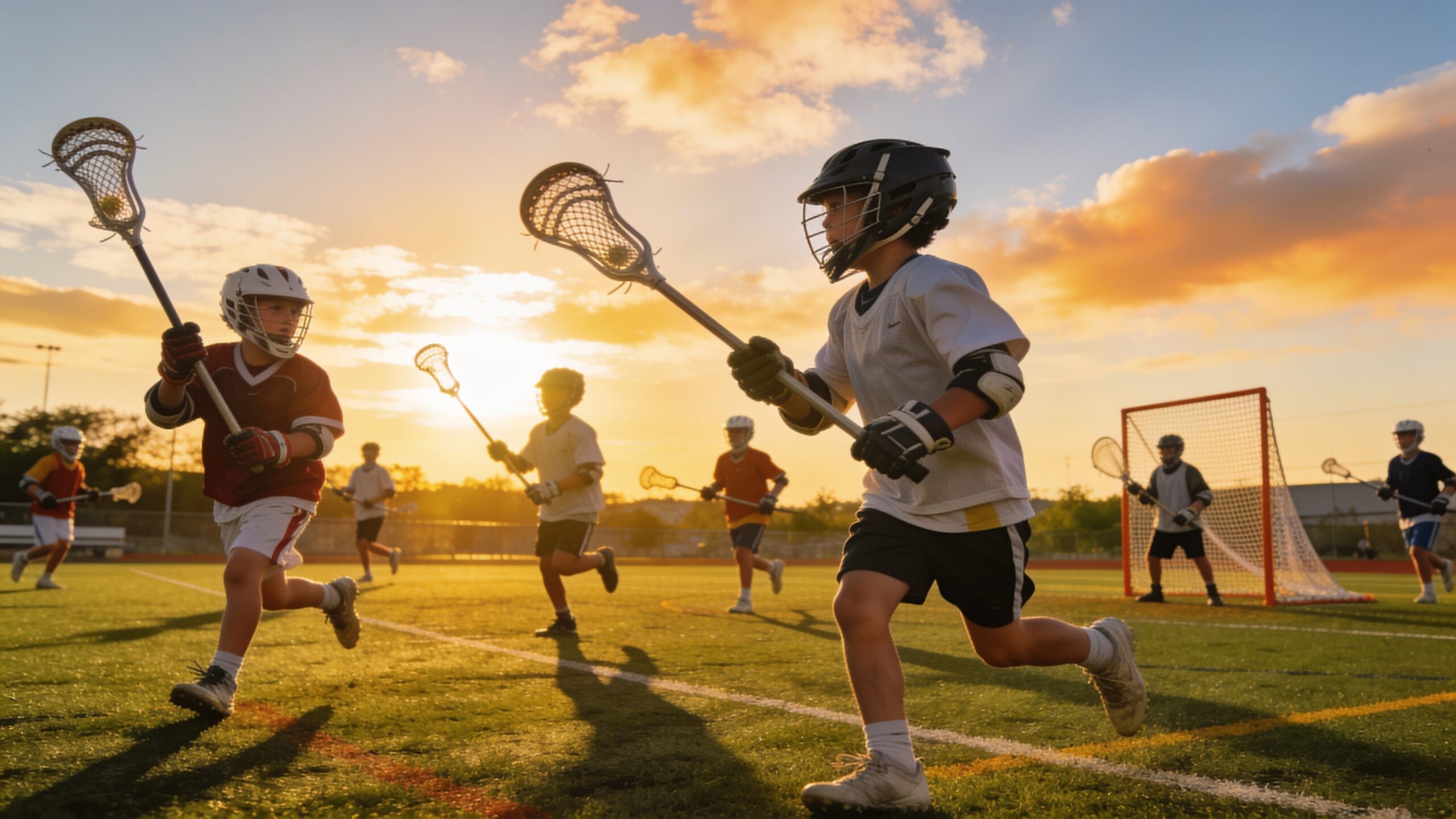
Introduction: Helping Young Players Find Their Place on the Field
Lacrosse is one of the fastest, most exciting, and most skill-building sports a young athlete can play. It blends speed, strategy, hand-eye coordination, teamwork, physical confidence, and quick decision-making into one thrilling game. For youth players, however, the first big challenge is not always learning how to catch, pass, or shoot. It is figuring out where they belong on the field. Finding the right lacrosse position early can make the game more enjoyable, less overwhelming, and more rewarding. A young player who understands their role can build confidence faster, practice with more purpose, and feel like an important part of the team. Whether a child is quick and fearless, patient and observant, strong and protective, or creative and aggressive, there is a lacrosse position that can help them shine.
A: Midfield is often great for beginners because it teaches offense, defense, running, spacing, and ground balls.
A: Usually no. Trying multiple positions helps young players become smarter and more complete.
A: Attack players often score many goals, but midfielders can also be major scoring threats.
A: Midfield usually requires the most running because players cover both ends of the field.
A: Good footwork, patience, communication, balance, and smart positioning matter more than just size.
A: It can be, especially for brave, focused players who enjoy leadership and pressure situations.
A: Encourage exploration, praise effort, and avoid focusing only on goals or one role.
A: Attack may fit players who enjoy creativity, passing, shooting, and working near the goal.
A: Yes. Many players change positions as they grow, improve, and discover new strengths.
A: Catching, passing, scooping, cradling, footwork, communication, and teamwork help every position.
Why Lacrosse Positions Matter for Youth Players
Youth lacrosse is not just about assigning players to random spots and hoping they figure it out. Each position teaches different skills, responsibilities, and ways of thinking. Attack players learn how to create scoring chances. Midfielders learn how to play both offense and defense. Defenders learn positioning, patience, and communication. Goalies learn leadership, courage, and fast reactions.
When young athletes understand these roles, the game becomes clearer. Instead of chasing the ball everywhere, they begin to recognize spacing, movement, and teamwork. This is especially important for beginners because lacrosse can feel chaotic at first. Clear positions give players a starting point, helping them learn where to stand, when to move, and how to support teammates.
Attack: The Creative Scorers
Attack is often one of the most exciting positions for youth players because it is closely connected to scoring goals. Attack players usually stay near the opponent’s goal and focus on catching passes, dodging defenders, feeding teammates, and finishing shots. They need quick hands, sharp awareness, and the confidence to make plays under pressure.
A young player who enjoys being creative, likes handling the ball, and feels comfortable near the goal may love playing attack. This position is a great fit for kids who are patient enough to wait for openings but bold enough to take advantage when they appear. Attack players do not always need to be the biggest or fastest athletes on the team. Often, the best youth attack players are the ones who listen well, move smartly without the ball, and stay calm when a scoring chance appears.
Midfield: The All-Around Engines
Midfielders are the do-it-all players of lacrosse. They run up and down the field, helping on offense, defense, ground balls, clears, rides, and transitions. For youth players, midfield is one of the best positions for learning the full game because it exposes them to almost every situation.
A young athlete with strong stamina, energy, and a desire to be involved in everything may be a natural midfielder. This position rewards effort, hustle, and flexibility. Midfielders must be willing to sprint back on defense after an offensive possession, then turn around and join the attack when the ball moves the other way. For players who are still figuring out their best skills, midfield can be a perfect early position because it allows them to explore many parts of the game before specializing later.
Defense: The Protectors and Problem Solvers
Defense is one of the most important positions in youth lacrosse, even if it does not always get the same attention as scoring goals. Defenders protect the goal, mark opposing players, block passing lanes, force turnovers, and communicate with the goalie. Good defense requires patience, discipline, footwork, and the ability to think ahead.
A youth player who is strong, focused, competitive, and willing to put the team first may thrive on defense. This position is not just about checking or being physical. In fact, the best young defenders learn to move their feet, stay balanced, keep their stick under control, and guide opponents away from dangerous areas. Defense is an excellent fit for players who enjoy strategy, responsibility, and the challenge of stopping an opponent before a shot ever happens.
Goalie: The Brave Leader in the Crease
Goalie is a unique lacrosse position because it requires a different mindset from every other role. The goalie is the final line of defense, standing in front of the net and reacting to shots that can come from close range, tough angles, and fast passes. Youth goalies need courage, focus, communication, and resilience.
A child who enjoys leadership, handles pressure well, and is not easily discouraged may be a great goalie candidate. The position can be demanding, but it can also be incredibly rewarding. Goalies touch the game in powerful ways. They direct defenders, start clears, stop momentum, and often become emotional anchors for the team. For youth players, it is important that goalie development is handled with encouragement and patience. Mistakes will happen, but every save and every clear can build major confidence.
Long-Stick Midfield: The Disruptive Hybrid
As players grow and the rules allow more specialized roles, some youth athletes may become interested in long-stick midfield, often called LSM. This position blends defensive skill with midfield speed. A long-stick midfielder usually helps win ground balls, covers dangerous opponents, supports transition play, and creates fast-break opportunities after turnovers.
This role can be a great fit for a player who likes defense but also wants to run the field and be involved in transition. LSM players often need quick feet, strong field awareness, and a fearless attitude around loose balls. For youth players, this position can be exciting because it rewards hustle and toughness while still allowing them to make plays in open space.
Faceoff Specialist: The Possession Starter
The faceoff specialist plays a crucial role because every quarter and every goal restart with a battle for possession. Faceoff players need quick reactions, strong hands, balance, technique, and determination. At the youth level, faceoffs can be a fun way for players to learn body position, timing, and grit.
A player who enjoys one-on-one competition and does not mind repetition in practice may be drawn to faceoffs. This role requires patience because technique matters as much as strength. Young players who practice faceoff skills early can give their team a major advantage by helping win more possessions and creating more chances to control the game.
Matching Personality to Position
One of the best ways to help youth players find the right lacrosse position is to look beyond size and athletic ability. Personality matters. A confident and creative player might enjoy attack. A high-energy player who never seems tired may fit naturally at midfield. A focused, steady, team-first player may become a strong defender. A brave, vocal, and mentally tough athlete may find a home in goal.
Coaches and parents should avoid locking kids into one position too early. Youth players grow physically, emotionally, and mentally at different speeds. A player who starts as a defender may later become a strong midfielder. A quiet beginner may develop into a vocal goalie. A small but skilled attack player may become a smart playmaker. The goal is not to label young athletes too soon, but to help them discover where they feel useful, excited, and motivated to improve.
Matching Skills to Position
Skill development also plays a major role in choosing a position. Players with quick stick skills, strong catching ability, and accurate shooting may enjoy attack. Players with speed, endurance, and ground-ball toughness may fit midfield. Players with good footwork, patience, and body positioning may be strong defenders. Players with sharp reflexes and fearless concentration may be suited for goalie.
Still, every lacrosse player benefits from learning every core skill. Attack players must ride and pressure the ball. Defenders must pass and clear. Midfielders must shoot, defend, and communicate. Goalies must throw accurate outlet passes. The best youth lacrosse programs give players a chance to develop complete skills before pushing them into narrow roles.
Why Young Players Should Try Multiple Positions
Trying multiple positions is one of the smartest things a young lacrosse player can do. It helps them understand the whole field, respect their teammates’ responsibilities, and discover hidden strengths. A player who thinks they only want to score may realize they love the challenge of defense. A defender may discover they have great vision as a midfielder. A midfielder may find that goalie gives them the leadership role they were looking for.
Position rotation also prevents boredom and burnout. Youth sports should be exciting, active, and educational. When players experience different roles, they stay engaged and develop a broader understanding of the game. This makes them better teammates and smarter players as they move into higher levels of competition.
The Role of Coaches in Position Development
Coaches have a major influence on how youth players view positions. A good coach does not simply place the fastest kid at midfield, the biggest kid on defense, and the best shooter at attack. Instead, they watch how players move, listen, react, compete, communicate, and respond to challenges.
Great youth coaches explain why each position matters. They make defense feel valuable, goalie feel respected, midfield feel purposeful, and attack feel connected to teamwork rather than selfish scoring. When coaches celebrate assists, ground balls, clears, saves, rides, and defensive stops, players begin to understand that every position can be exciting.
The Role of Parents in Supporting Position Choice
Parents can help by encouraging exploration instead of pushing one position too early. It is natural to get excited when a child scores goals, but scoring is only one part of lacrosse. A perfectly timed defensive slide, a smart outlet pass, a hard-earned ground ball, or a confident save can be just as important.
The best support parents can offer is positive curiosity. Ask what position felt fun, what was challenging, and what the player wants to practice next. Avoid comparing a child to teammates or focusing only on goals. When young players feel free to experiment, they are more likely to build confidence and stay connected to the sport.
Common Mistakes When Choosing Youth Lacrosse Positions
One common mistake is assuming that size determines position. Bigger players are often pushed toward defense, while smaller players may be pushed toward attack. While size can help in certain situations, it should never be the only factor. Footwork, decision-making, effort, and attitude often matter more than height or strength at the youth level.
Another mistake is specializing too early. A young player who only practices one role may miss valuable development in other areas. Early specialization can limit creativity and reduce overall game understanding. Youth lacrosse should build athletes first and specialists later. The more complete a player becomes, the more opportunities they will have as they grow.
Building Confidence in a New Position
Starting a new position can feel intimidating. A new defender may worry about getting beaten. A new attack player may worry about missing shots. A new goalie may worry about letting in goals. Confidence comes from simple progress, not instant perfection.
The best way to build confidence is through small wins. Learning where to stand, making one clean pass, scooping one ground ball, staying with an opponent, or calling out a defensive instruction are all signs of growth. Youth players should understand that every position takes time. Mistakes are not proof that a position is wrong. They are part of learning how the position works.
Practice Drills That Help Players Find Their Fit
Youth practices should include drills that reveal different strengths. Ground-ball drills show hustle and toughness. Passing and catching drills show hand skills and focus. One-on-one dodging drills show creativity and confidence. Defensive footwork drills show patience and balance. Shooting drills show accuracy and composure. Small-sided games show decision-making and field awareness.
Coaches can learn a lot by watching how players behave during these activities. Some players light up when they have space to run. Others thrive when they are protecting the goal. Some love the pressure of shooting. Others enjoy setting up teammates. These clues can help guide position choices without forcing them.
How Positions Change as Players Get Older
Youth lacrosse positions often become more specialized as players move into older age groups. At younger levels, everyone may rotate more often and focus on basic skills. As competition increases, players may begin to settle into more defined roles based on their strengths, physical growth, and tactical understanding.
This is why early exploration matters so much. A player who understands multiple positions will adapt faster when the game becomes more complex. They will know how defenders think, where midfielders need support, what attack players are trying to create, and how goalies communicate. That complete field awareness can separate good players from great ones.
Finding the Best Fit Without Pressure
The best lacrosse position for a youth player is not always the one they choose on the first day. It is the one that helps them enjoy the game, improve steadily, and feel like they contribute to the team. Some players know quickly where they belong. Others need a season or two of experimenting before everything clicks.
The key is to keep the process positive. Youth players should feel excited to try, safe to make mistakes, and proud of progress. When the focus stays on learning rather than labeling, players become more confident and more complete. Lacrosse is a game of movement, teamwork, and courage, and every position offers a different way to experience that excitement.
Conclusion: Every Position Can Be the Right Position
Lacrosse positions for youth players are not just labels on a lineup card. They are pathways into the game. Attack teaches creativity. Midfield teaches versatility. Defense teaches discipline. Goalie teaches courage. Specialized roles like long-stick midfield and faceoff specialist teach unique skills that can shape a player’s future.
Finding the best fit early does not mean forcing a child into one role forever. It means helping young athletes discover what excites them, what challenges them, and where they can grow. When players try different positions, learn complete skills, and receive positive support from coaches and parents, they develop more than lacrosse ability. They develop confidence, teamwork, resilience, and a lifelong love for the game.


