Box Lacrosse Rules For Beginners
Box lacrosse rules are easier to learn when you start with the shape of the game. It is played indoors on a smaller rink-style surface, the boards keep many loose balls alive, the pace is quick, and contact happens in tighter spaces than field lacrosse. Beginners do not need to memorize every league variation immediately, but they should understand possession, crease space, legal pressure, penalties, and how the indoor floor changes decisions. Once those anchors are clear, the whistles begin to feel like explanations instead of interruptions. The details can then be added through real plays, which is how most players learn them best, because each call connects to a visible choice on the floor. That visible connection is what makes the rulebook usable for players, parents, and new fans during real possessions and practices at speed without feeling lost or overwhelmed.
A: The smaller indoor surface, boards, faster pressure, and close-range chances make the game feel different from field lacrosse.
A: In many situations the boards keep the ball live, but exact restart rules depend on the league.
A: Roster and floor numbers vary by rule set, so beginners should check the league they are joining or watching.
A: Yes, but contact is regulated, and unsafe hits or illegal stick work can become penalties.
A: Box goalies wear larger equipment because shots are closer, faster, and often screened.
A: The crease protects goalie space and affects where attackers and defenders can legally play.
A: Many box leagues do, but timing can vary by age group and competition.
A: The floor is crowded, the boards create battles, and passing lanes close quickly.
A: They can if they focus on possession, crease space, legal contact, and support around pressure.
A: Start with the ball, the nearest outlet, and the defender protecting the middle.
Start With The Indoor Shape
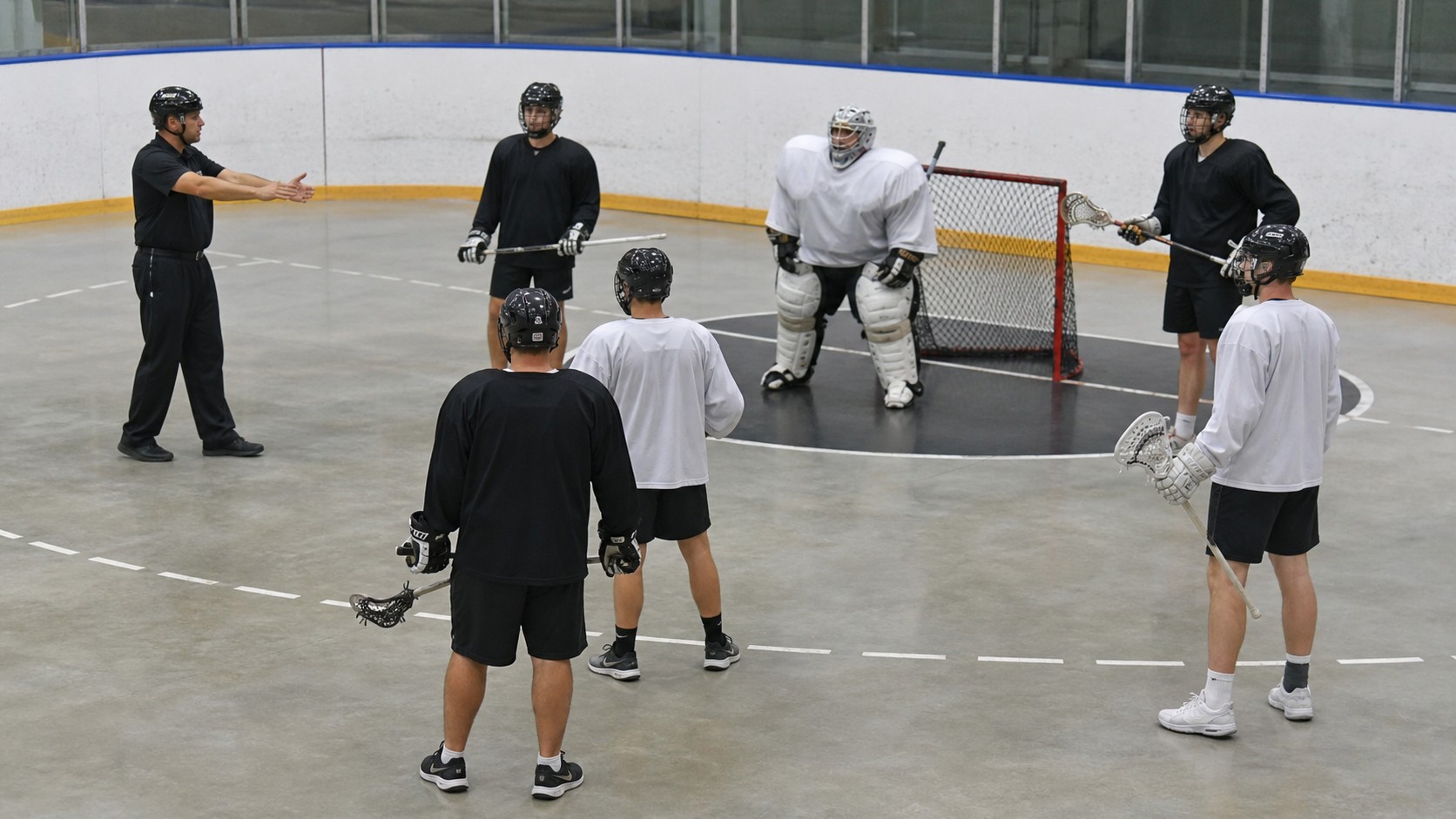
Box lacrosse is played on a smaller indoor surface that resembles a rink more than a field. The boards are not just scenery. They influence loose balls, body position, passing angles, and how players escape pressure. A beginner who understands the surface will understand the rules more quickly because many calls are connected to space.
The goal is still familiar: put the ball in the net more often than the opponent. Players use sticks to carry, catch, pass, scoop, and shoot. Defenders try to stop those actions through positioning, legal checks, and communication. The difference is that everything happens closer together, so choices that seem small can change possession quickly.
Because leagues can vary, this guide should be treated as a practical foundation rather than a replacement for a local rulebook. Youth programs, adult leagues, and professional competitions may use different timing, contact, roster, or penalty details. The core ideas, however, remain useful for any beginner trying to follow the indoor game.
Possession Drives The Game
The easiest way to watch box lacrosse is to follow possession. A team may gain the ball from a faceoff, goalie save, forced turnover, loose-ball win, or restart. Once possession is secure, the offense has to decide whether to attack quickly, move the ball, substitute, or reset. The smaller surface means those decisions often happen under pressure.
Shot-clock rules, when used, keep possessions from becoming passive. The offense must create a real chance instead of holding the ball indefinitely. That does not mean every possession should become a rushed shot. Strong teams understand how to move defenders, use picks, feed inside, and choose a better look before the clock becomes urgent.
The Crease Explains Many Whistles
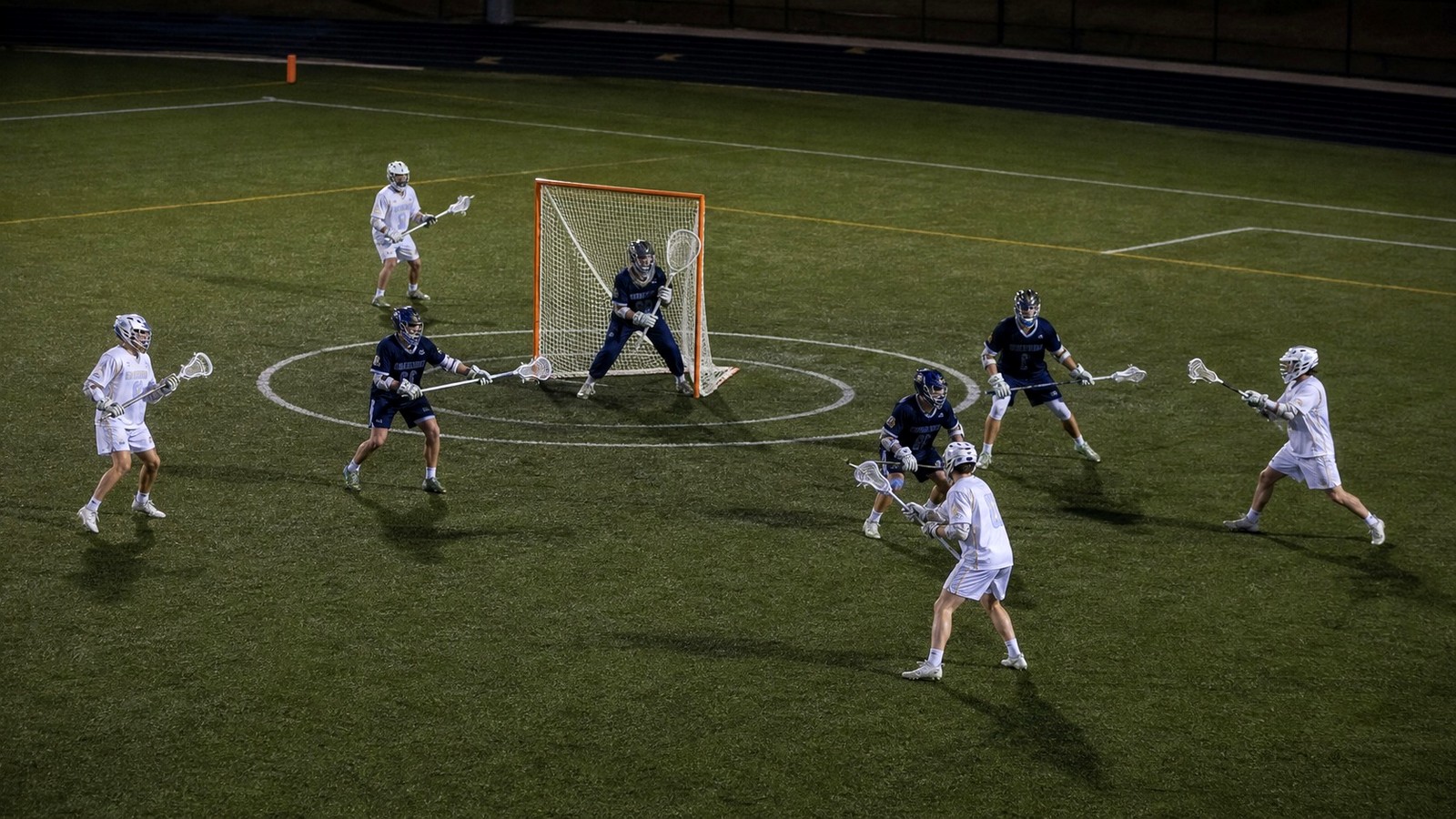
The crease is one of the most important areas for beginners to recognize. It protects the goalie and shapes what attackers can legally do around the net. When play gets crowded near goal, officials often watch foot placement, contact, interference, and whether a chance was created legally. Many confusing whistles become clearer once you know the crease matters.
Goalies in box lacrosse face a unique challenge. They are protected by larger equipment, but shots are often close and screened by traffic. A goalie may stop the first shot and still need help controlling the rebound. Defenders must clear sticks, locate loose balls, and prevent attackers from turning the crease into a pile of second chances.
Attackers also have to learn patience near the crease. A clean inside feed can be dangerous, but stepping illegally or crashing through goalie space can erase the chance. Good indoor finishers use fakes, timing, and body control. They do not simply throw themselves into the middle and hope.
Contact Is Physical But Regulated
Box lacrosse has a physical reputation, and that reputation is earned. Players battle along the boards, fight for loose balls, and absorb pressure in tight areas. Still, the rules are not an invitation to be careless. Legal contact is connected to body position, timing, angle, and player safety.
Beginners should learn the local standards before judging every collision. Some contact that looks intense may be legal, while a smaller hit from a dangerous angle may be penalized. Stick checks also have limits. Coaches should teach players how to apply pressure without swinging wildly, hitting from behind, or ignoring vulnerable opponents.
Substitutions And Tempo Are Part Of The Rules
Indoor substitutions can shape the rhythm of the game. Players change through the bench area, and a clean substitution can create energy or a better matchup. A sloppy substitution can leave a team disorganized. New fans should not treat the bench as separate from live play; it is part of how teams manage pressure, fatigue, and personnel.
How Beginners Can Learn Without Getting Lost
A new fan does not need to identify every call immediately. Start by watching who has possession, where pressure is coming from, and which teammate becomes the safe outlet. Then add the crease, the boards, and contact rules. Layering the game this way makes the whistles easier to understand.
New players can use the same approach. Learn how to scoop through traffic, protect the stick near the boards, pass before a trap closes, and respect goalie space. Those habits make the rulebook feel practical because they connect each rule to a real play. Memorization is easier when the player has felt the situation.
Box lacrosse is fast, but its rules are not random. They are designed to let a tight, physical, skillful game happen with structure. Once beginners understand the indoor surface, possession, crease space, legal contact, and tempo, the game becomes much easier to enjoy. The details can come next, one whistle at a time.
How Penalties Change A Box Game
Penalties matter in box lacrosse because the surface is small and scoring chances can appear quickly when one team has an extra player. A single unsafe check, hold, slash, or interference call may give the opponent time and space that are hard to find at even strength. Beginners should see penalties as both safety enforcement and tactical turning points.
Man-up and short-handed situations also teach why discipline matters. The team with the advantage may spread the defense, move the goalie, and search for a cleaner inside look. The short-handed team has to protect the middle, communicate through picks, and avoid chasing the ball recklessly. A penalty is not just a pause in action; it changes how every player must think.
What Youth Players Should Hear First
Young players should not learn box lacrosse as a list of threats. They should learn it as a game of skill, pressure, and respect. Coaches can begin with simple safety language: keep your head up, use your feet, protect the stick, respect the boards, and listen after the whistle. Those habits make the rules feel supportive rather than scary.
It is also helpful to teach contact through purpose. A legal body position should help win space, protect the middle, or support a loose-ball battle. It should not be a random collision. When players understand purpose, they are less likely to confuse toughness with carelessness.
For beginners, the most useful rule instruction happens during live examples. Stop a drill near the boards and ask where the outlet should be. Pause a crease scramble and identify goalie space. Replay a turnover and ask whether the pass was late or the receiver was hidden. Those short lessons turn rules into decisions.
Why Rule Details Vary By League
Box lacrosse rules can vary by country, league, age group, and competition level. Shot clocks, roster size, checking standards, equipment, penalties, and faceoff procedures may not be identical everywhere. That is why a beginner guide should build understanding while leaving final details to the local coach, official, or rulebook.
A Simple Viewing Routine
A new viewer can make the game easier by following the same routine every possession. First, identify who has the ball. Second, find the nearest pressure. Third, look for the outlet. Fourth, watch the crease area when the ball moves inside. This routine catches most of the important action without asking the viewer to see all ten players at once.
Over time, more details become visible. You start noticing when a pick creates hesitation, when a defender protects the middle, when a goalie starts transition, and when a player chooses to reset instead of forcing a shot. That is the satisfying part of learning box lacrosse. The rules stop feeling like interruptions and start explaining why the game moves the way it does.
How Coaches Can Make Rules Stick
Rules stick best when coaches attach them to repeatable situations. Instead of lecturing for twenty minutes about the crease, a coach can run a short drill where attackers cut, catch, and finish while staying legal. Instead of describing board play abstractly, the coach can show how one player pressures, one player supports, and one player becomes the outlet.
This approach is especially helpful for beginners because box lacrosse moves too fast for long explanations during live play. Players need short, memorable cues they can use under pressure. Keep the stick protected. Find the outlet. Respect goalie space. Do not chase from behind. Move after the pass. These cues turn rule knowledge into action.
Coaches should also revisit rules after mistakes without shaming players. A whistle can become a quick teaching moment: what did the official see, what space was unsafe, and what should happen next time? When players understand that rules are part of learning, they are more likely to ask questions and less likely to treat officials as obstacles.
The Beginner's Best Shortcut
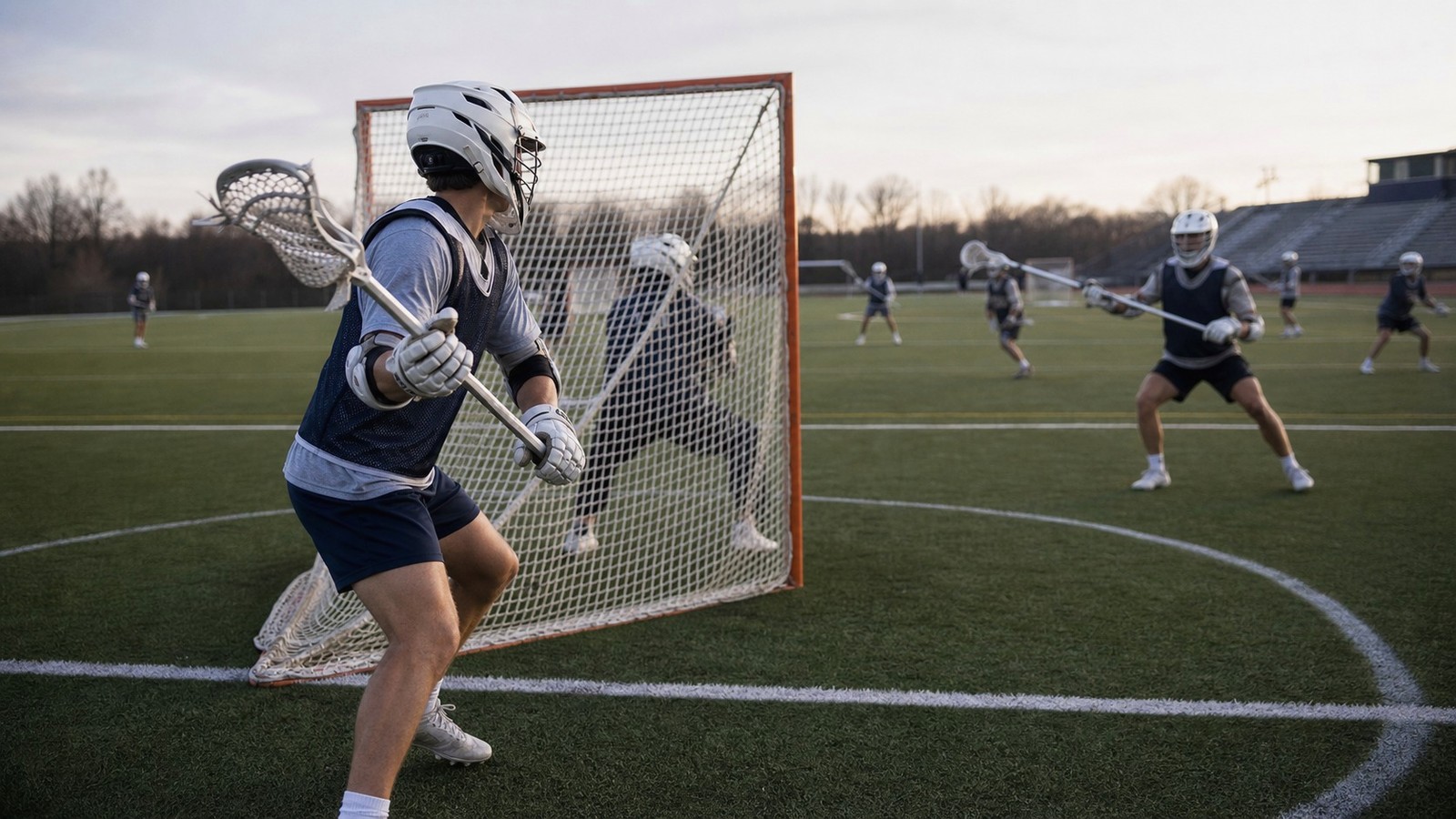
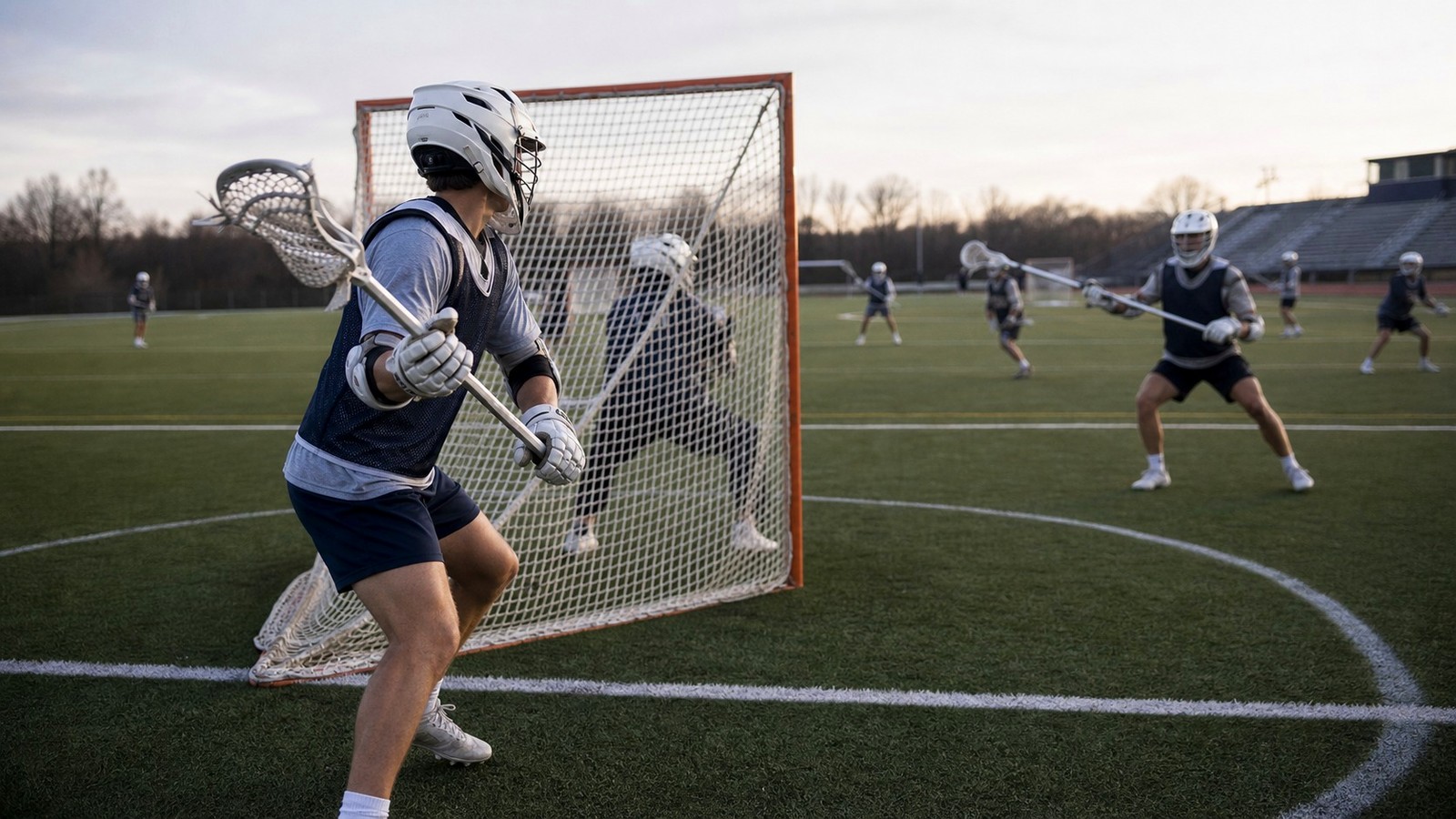
The best shortcut is to learn where the danger areas are. The boards can create traps. The crease can create whistles and rebounds. The middle can create high-quality shots. The bench can create substitution problems. If a beginner watches these areas, the game becomes far less mysterious.
From there, the finer details become easier. A player starts to understand why a pass was safe, why a defender avoided a hit, why a goalie held the ball, or why the official restarted play in a certain spot. Box lacrosse still feels fast, but it no longer feels random. That is the point where a beginner starts becoming a real student of the indoor game.
What To Remember Before The First Game
Before a first box game, beginners should review the rules that affect immediate safety and possession. Know how the boards are handled, where the crease begins, what contact is allowed, and how penalties are served. These basics will not explain every whistle, but they will make the game feel much less confusing.
Players should also know who to listen to during pressure. A goalie may call traffic, a coach may call a change, and a teammate may call for an outlet. Indoor lacrosse can sound busy, but those voices help organize the floor. Learning which calls matter is part of becoming comfortable.
Most importantly, beginners should expect the game to feel fast without assuming they are behind. Box lacrosse rewards repetition. Each possession teaches where space appears, where danger collects, and how rules keep the speed manageable. The first game is a starting point, not a final exam.