Field Lacrosse Rules Simplified For New Players
Field lacrosse rules become simpler when new players connect them to the flow of a possession. The ball moves from defense to offense, teams must stay balanced across midfield, players try to create legal scoring chances, and officials use whistles to protect safety and fairness. A beginner does not need every advanced detail on day one, but a clear grasp of possession, spacing, the crease, contact, and penalties makes the game much easier to play. The rules are not trivia; they are the structure that lets players move safely and intelligently. Once that structure is visible, practices and games feel much less chaotic, and corrections from coaches start to make immediate sense. Confidence grows when the pattern repeats in practice and competition over time for everyone involved on the field together.
A: Start with possession, safe ground balls, basic spacing, the crease, and how whistles restart play.
A: The ball must fully cross the goal line inside the legal goal frame.
A: Offside keeps teams balanced by limiting how many players can be on each half of the field.
A: Attackers generally cannot enter the crease to create or finish a scoring chance.
A: The penalized team may play short-handed while the other team has an advantage.
A: No. Checks must follow level-specific rules for target area, timing, and safety.
A: A clear moves possession from defense into the offensive end under pressure.
A: Players change through the proper area while keeping the team legally balanced.
A: No. Contact, equipment, field markings, and penalty rules can differ by format and age.
A: Ask coaches to connect each whistle to the game situation that caused it.
Rules Make The Game Playable
New players often experience field lacrosse as a rush of running, sticks, whistles, and loose balls. The rules can feel like a long list until they are connected to purpose. They keep the field balanced, protect the goalie, define legal contact, reward possession, and make sure scoring chances happen within a fair structure.
A useful first step is to think in phases. A team gains possession, clears the ball if needed, settles or attacks, shoots or turns it over, and then reacts to the next change. Rules show up in each phase. Offside affects team balance. The crease affects scoring space. Contact rules affect how defenders apply pressure. Boundary rules decide who keeps the ball.
Beginners should expect local variation. Boys', girls', men's, women's, youth, high school, college, and recreational leagues may not use identical rules. That does not make learning impossible. The simplified foundation is still valuable because it helps a player ask better questions and understand why officials stop or restart play.
Possession Comes Before Everything Else
The team with the ball controls the immediate problem. It may need to clear, settle, substitute, attack a matchup, or protect a lead. A player who understands possession will make better decisions than a player who only chases shots. Sometimes the smartest play is not the most exciting one; it is the pass that keeps the team organized.
Ground balls are a major part of possession. New players should learn to run through the ball, protect the stick, and move it to a teammate after the pickup. A loose ball is not a break in the game. It is often the moment that decides which team gets to run the next possession.
Offside Keeps The Field Balanced
Offside is one of the most important field rules because lacrosse is played across a large surface. Teams cannot simply send everyone toward the ball or pack every player near one goal. They must keep the correct number of players on each side of midfield. This rule preserves the shape of the game and prevents constant overloads.
New players can understand offside by learning their role in transition. Attackers usually stay on the offensive end, defenders usually stay on the defensive end, and midfielders often carry responsibility for moving between halves. If players substitute or chase without awareness, the team can accidentally break the balance rule.
Coaches often use simple language for this: know who is over, know who is back, and communicate before crossing. That habit matters most during clears, rides, and loose-ball scrambles. Offside is not just a technicality. It is a reminder that field lacrosse is a team-spacing sport.
The Crease Protects The Goalie And Shapes Scoring
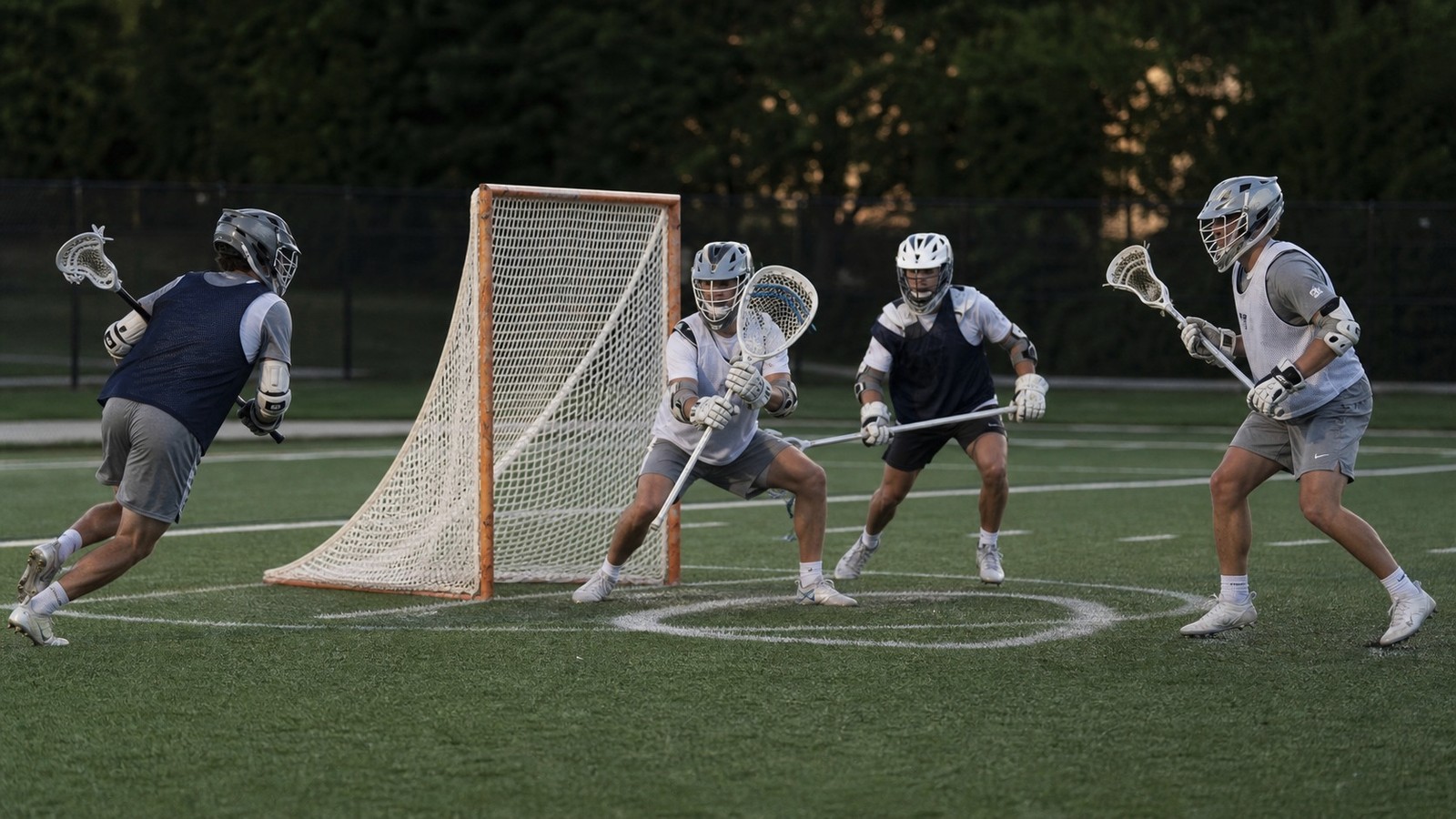
The crease is the circle around the goal, and it carries special importance. Goalies need protected space to play the ball safely. Attackers need to finish without stepping illegally into that space. Defenders need to protect the middle without pushing opponents into dangerous contact. Many calls near the goal involve some version of these responsibilities.
For new attackers, body control matters as much as courage. A player may beat a defender and still lose the chance by landing in the crease or interfering with the goalie. For defenders, protecting the crease does not mean panicking. Good defense uses position, footwork, communication, and safe pressure to make shots harder.
Contact Rules Depend On Format And Level
Field lacrosse contact rules are not the same everywhere. Boys' and men's lacrosse allow more body contact than women's lacrosse, and youth rules often add safety restrictions. New players should learn the exact rules for their league before assuming a check is legal. Safe technique is always a better starting point than trying to copy older or more physical games.
Whistles Are Part Of Learning
A whistle should not make a beginner feel lost. After play stops, look at the official, the ball location, and which team is awarded possession. The restart usually gives clues. A crease call restarts near the goal area. An offside call points to team balance. A slash or push may create penalty time. The more a player connects whistle to situation, the faster the rulebook becomes practical.
Players can help themselves by listening after calls. Arguing rarely teaches much, especially for beginners. A quick question to a coach during practice can turn confusion into a clear habit. Where should I have stood? Was the contact late? Did I step into the crease? Did we have too many players over midfield? These questions build real understanding.
Field lacrosse rules are detailed, but the first layer is manageable. Protect possession, stay balanced, respect the crease, use legal contact, and understand how play restarts. A new player who can do those things is already learning the sport the right way. The advanced details become easier once the basic flow feels familiar.
How Positions Shape The Rules
Rules feel clearer when new players connect them to positions. Attackers need to understand the crease, off-ball movement, riding, and shot selection. Midfielders need to understand offside, transition, substitutions, and clearing support. Defenders need to understand legal contact, slides, crease protection, and outlet decisions after a stop. Goalies need to understand crease privileges, communication, rebounds, and clearing options.
No position is isolated from the rulebook. A midfielder who crosses too early can create an offside call. An attacker who follows a shot into the crease can erase a goal. A defender who reaches instead of moving the feet can create a penalty. A goalie who rushes an outlet can give possession back. These examples show beginners why rules are part of playing well, not separate classroom facts.
Common Beginner Mistakes
The first common mistake is ball watching. New players often follow the stick with their eyes and forget their own spacing job. That can lead to offside problems, crowded offense, missed defensive help, or poor outlets. Coaches usually correct this by giving players simple landmarks and reminders about where to be after the ball moves.
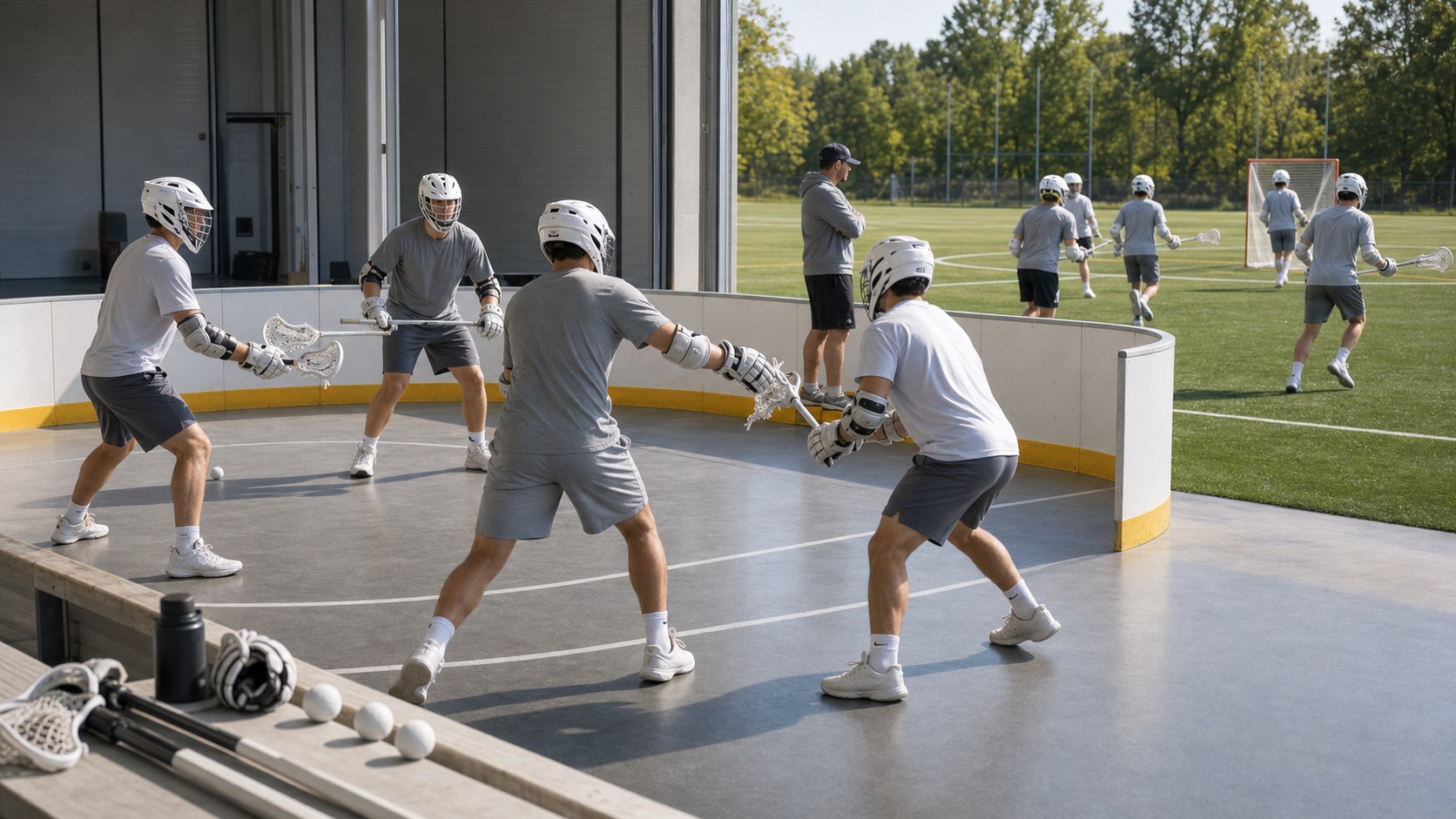
The second mistake is treating contact as the answer to every defensive problem. Good defense starts with feet, angle, body position, and communication. A wild stick check or late shove may feel active, but it can create penalties and open better chances for the opponent. New players become more reliable when they learn to defend before they reach.
The third mistake is ignoring the restart. After a whistle, players sometimes relax or look confused while the opponent is already ready to play. Field lacrosse rewards teams that organize quickly. Knowing where the ball is, who has possession, and where teammates should stand after the whistle can prevent easy mistakes.
Why Age Group Rules Matter
Youth rules may modify contact, field size, equipment, timing, and penalties so players can learn safely. A parent watching college lacrosse and a child playing a beginner league may not be seeing the same rule set. That difference is intentional. The game should grow with the player's age, strength, coordination, and experience.
A Simple First-Season Rule Plan
A new player can learn rules in layers. In the first layer, learn possession, ground balls, the crease, and safe contact. In the second layer, add offside, clearing, riding, substitutions, and penalty time. In the third layer, study special situations such as man-up offense, man-down defense, late-game clock choices, and advanced restart strategy.
This layered plan keeps the sport approachable. Nobody needs to master every detail before enjoying a first practice. The goal is steady confidence: know enough to play safely, ask good questions, and understand why the whistle sounded. From there, every practice and game adds another piece to the rule picture.
What To Ask Coaches And Officials
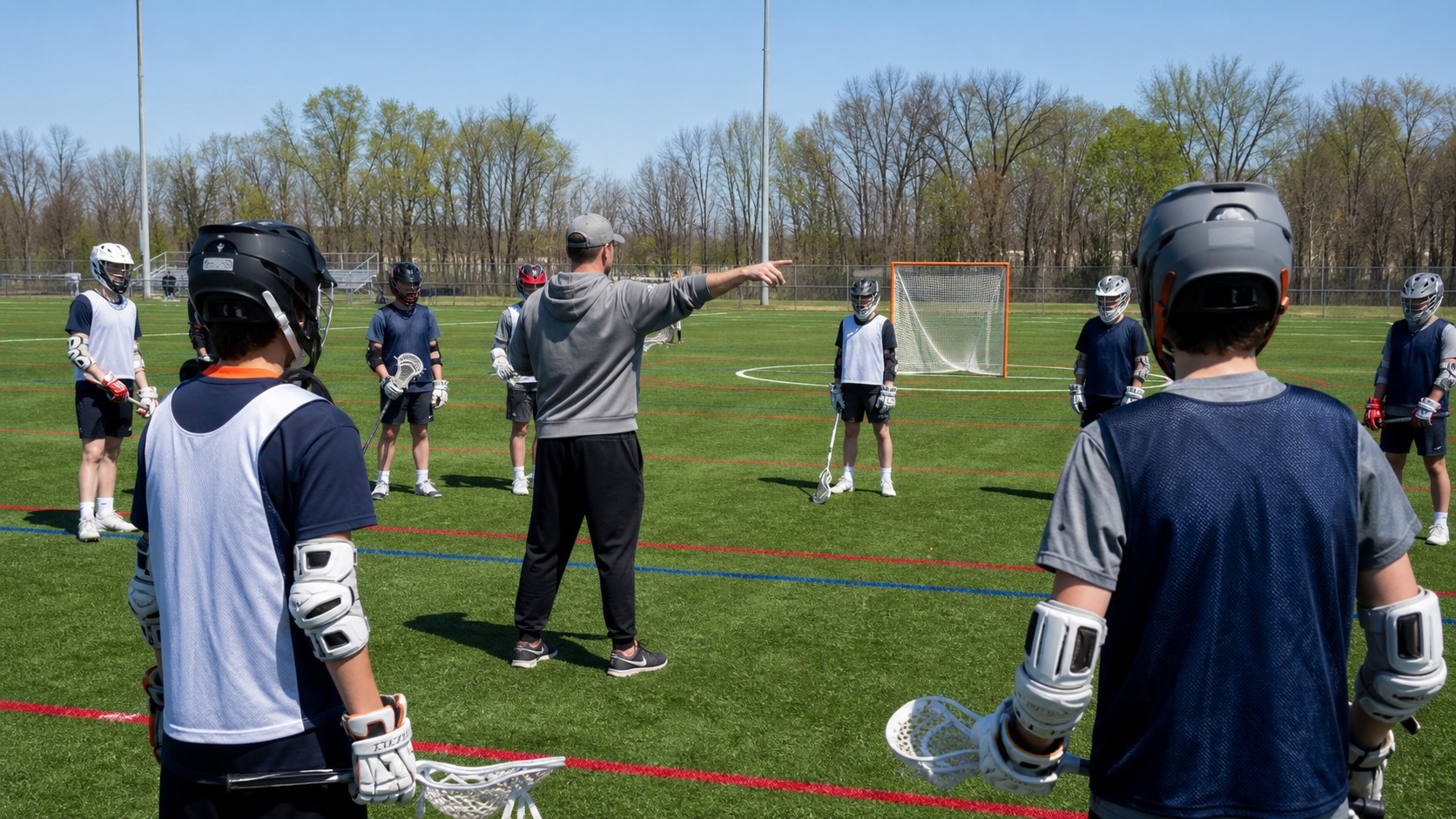
New players learn faster when they ask specific questions. Instead of asking why everything was a foul, ask where the stick made contact, whether the feet were legal, or where the restart should happen. Instead of asking why a goal did not count, ask whether the shooter stepped in the crease or interfered with the goalie. Specific questions get useful answers.
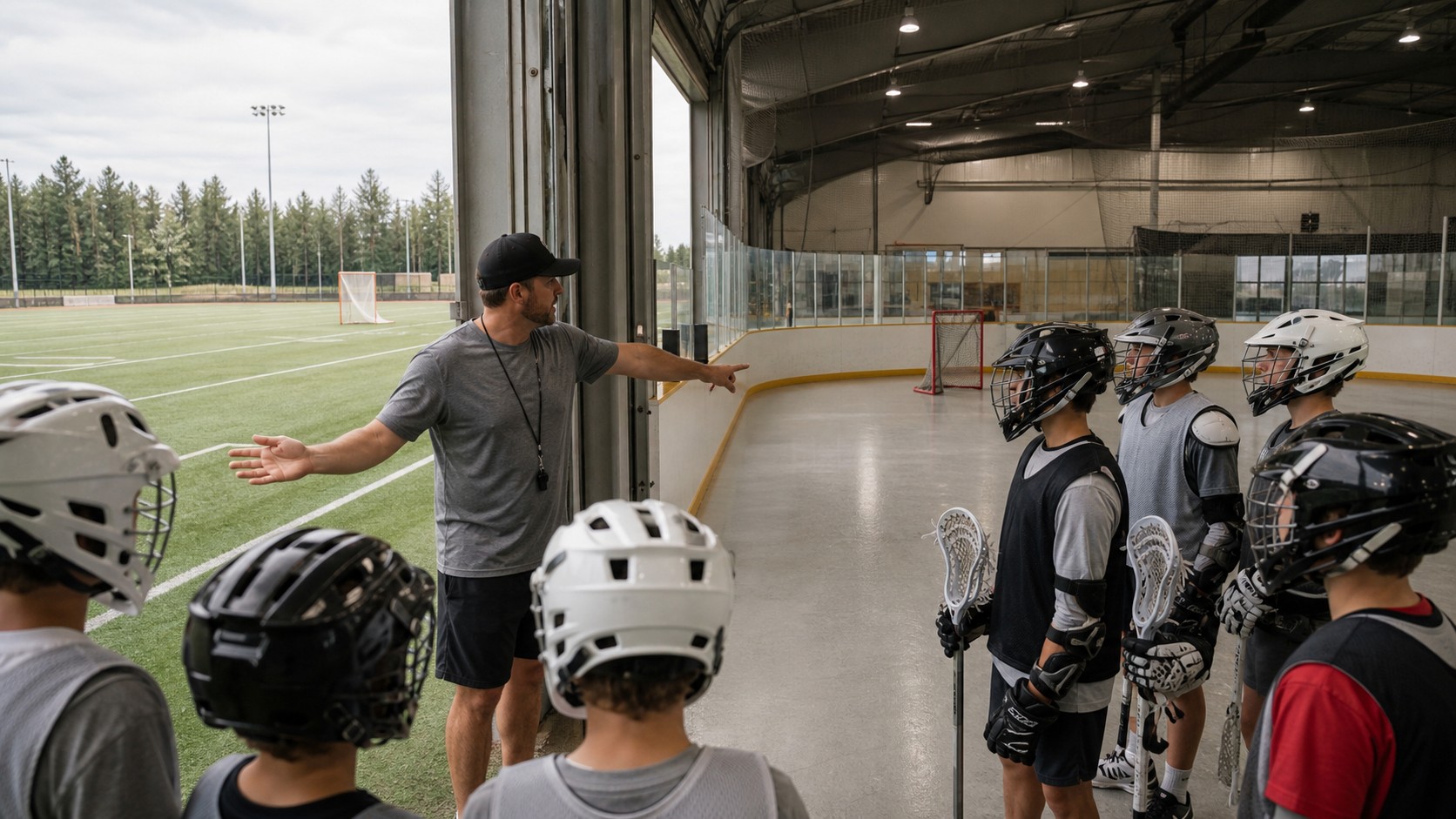
Parents can use the same approach. Ask the coach which rules are most important for the age group, how contact will be taught, what equipment must be checked before games, and how officials explain calls to beginners. Clear answers create a calmer first season because families know what the program is emphasizing.
Officials can also be part of the learning environment when approached respectfully. During games, players should listen and move on. During appropriate teaching moments, a short explanation can help a beginner connect the whistle to the rule. The best players learn to hear officials without letting frustration take over.
Rules Should Build Confidence
The purpose of learning rules is not to make field lacrosse feel complicated. It is to help players feel safer, smarter, and more useful. A player who knows where to stand, how to play the ball legally, and what to do after a whistle can participate with more confidence. Confidence makes skill development easier.
That is why simplified rules are a good starting point. They give new players a map before the full detail arrives. Possession, spacing, crease awareness, legal contact, penalties, and restarts explain most early situations. Once those ideas are steady, field lacrosse starts to look less like a swarm of motion and more like a game with readable structure.
How To Keep Learning During Games
During games, new players should pick one rule focus at a time. One quarter might be about staying onside. Another might be about watching the crease. Another might be about listening after whistles. This keeps learning manageable and prevents the player from trying to solve the entire rulebook during live play.
Film and sideline conversations can help after the game. A coach can pause one clear, one penalty, or one crease play and explain what the rule required. These short reviews are often more useful than long lectures because the player can connect the rule to a real moment they remember.
Field lacrosse becomes more enjoyable when rules feel like tools. They tell players where space is, how contact works, why possession changes, and how to restart with confidence. A new player who keeps learning this way will understand more every week, even when the game still moves quickly.