Man-Up Offense In Lacrosse
Man-up offense in lacrosse is the situation after a penalty gives one team an extra player. The advantage is real, but it does not score by itself. The offense still has to space the field, move the ball, read defensive rotations, choose the right shot, and avoid rushing just because one defender is missing. Good man-up units make the defense move farther than it wants to move. They use patience to turn the extra player into a clean passing lane, a late rotation, or a higher-quality shot.
A: It is the offensive situation when a penalty gives one team an extra player.
A: Poor spacing, slow passing, rushed shots, or strong man-down rotations can erase the advantage.
A: Get organized quickly, space the field, and move the ball with purpose.
A: Yes, skip passes can punish defenses that rotate too far toward the ball.
A: Only if the shot is high quality; patience often creates a better chance.
A: Most short-handed defenses protect the middle, crease, and highest-danger passing lanes.
A: Early time allows patience, while late time may require quicker decisions.
A: The player with the best angle, preparation, and lane should shoot, not simply the nearest player.
A: It occupies defenders and can create quick inside finishes or screens.
A: Practice shapes, rotations, shot selection, restarts, rebounds, and failed-play recovery.
The Extra Player Is Only A Starting Point
Man-up offense begins with an advantage, but that advantage has to be converted. One defender is missing, which means the defense must cover more space with fewer players. If the offense stands still, passes slowly, or takes poor shots, the defense can survive the penalty.
Good man-up offense forces the short-handed group to make repeated choices. Step to the ball or protect the crease. Rotate to the shooter or hold the backside. Challenge the skip pass or stay compact. The goal is to make one of those choices late.
Spacing Makes The Advantage Visible
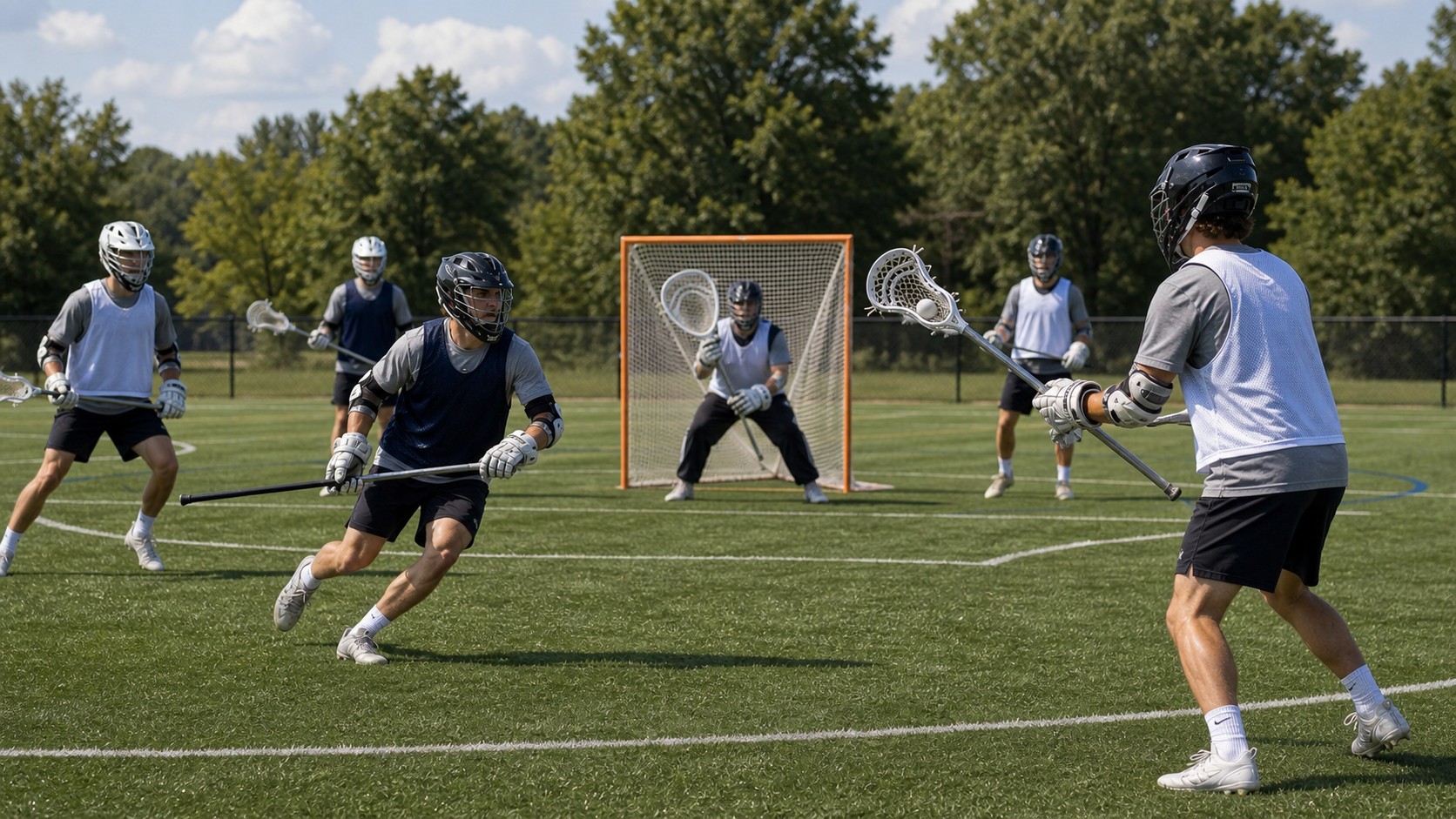
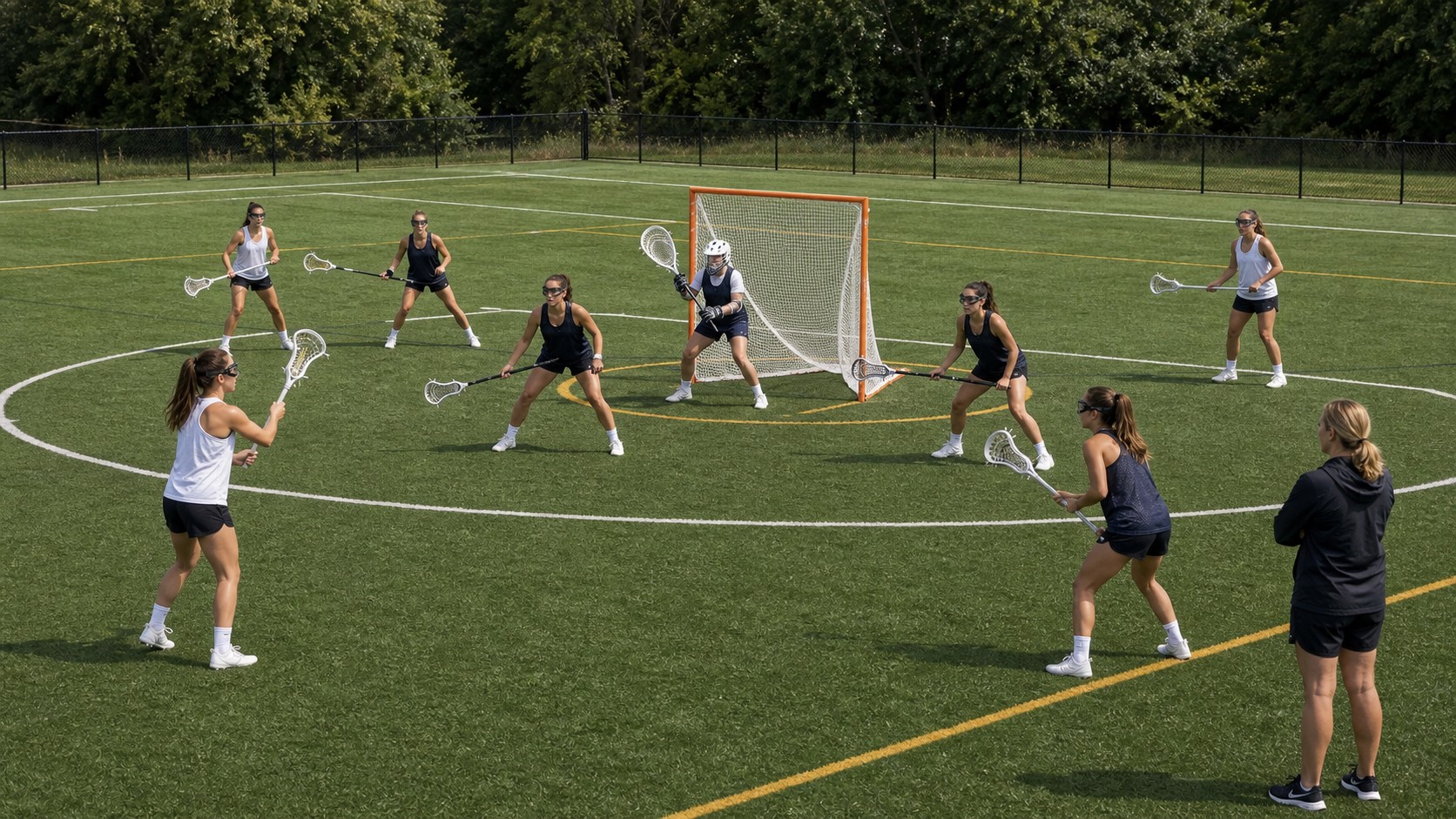
The offense needs a shape that stretches the defense without disconnecting teammates. Common man-up shapes vary by level and coaching style, but the purpose is consistent: create passing lanes, occupy the crease, and make defenders cover more ground than they want.
Spacing too close lets the defense guard multiple players at once. Spacing too wide can make passes slow and risky. The best spacing keeps players reachable while forcing defenders to rotate with urgency.
Players should know the shape before the whistle. Wasting the first ten seconds getting organized gives the penalty killers exactly what they want: time.
Ball Movement Must Have A Reason
Moving the ball quickly matters, but random passing is not strategy. Each pass should shift the defense, improve angle, or prepare the next read. A unit can pass five times and accomplish nothing if defenders never have to rotate.
One More Pass Can Create The Shot
The extra player often appears after the defense moves once too far. A decent shot may be available early, but one more pass can create a cleaner angle, better goalie screen, or easier finish. Patience is valuable when it improves shot quality.
Patience does not mean hesitation. Players should catch ready, scan quickly, and move the ball on time. Slow hands can make a patient plan look passive. The difference is purpose.
Skip Passes Punish Over-Rotation
Short-handed defenses often rotate toward the ball to protect immediate danger. A skip pass can punish that movement by sending the ball over or through the shape to a player the defense cannot reach in time. Skip passes require vision, timing, and catch-ready shooters.
Not every skip is smart. A forced skip through traffic can become a turnover and clear. The passer should know whether the lane is open, whether the receiver is ready, and whether the defense has already committed.
When used well, skip passes make the defense guard the whole field. That pressure opens inside feeds and simple reversals later.
The Crease Player Changes The Defense
A crease player or inside presence can occupy defenders even without touching the ball. The defense must know where that player is because one quick feed can become a finish. The goalie also has to track screens and sticks near the crease.
Shot Selection Decides The Possession
A man-up possession can be wasted by a bad shot. Low-angle attempts, rushed outside shots with no screen, or shots without backup can help the defense escape. The offense should know which shots fit the plan and which shots only feel open.
A good shot has angle, timing, preparation, and support. The shooter is ready before the pass arrives. The lane is legal and useful. The goalie may be screened or moving. Teammates are prepared for rebounds or missed shots.
Read The Man-Down Shape
Different defenses kill penalties in different ways. Some stay compact and invite outside shots. Some pressure the ball and dare the offense to pass quickly. Some rotate aggressively to the crease. The man-up unit should read the shape instead of running a pattern blindly.
Players can look for the slowest rotation, the overprotected side, the defender who keeps losing the crease, or the goalie who cannot see through traffic. Those clues tell the offense where the advantage may appear.
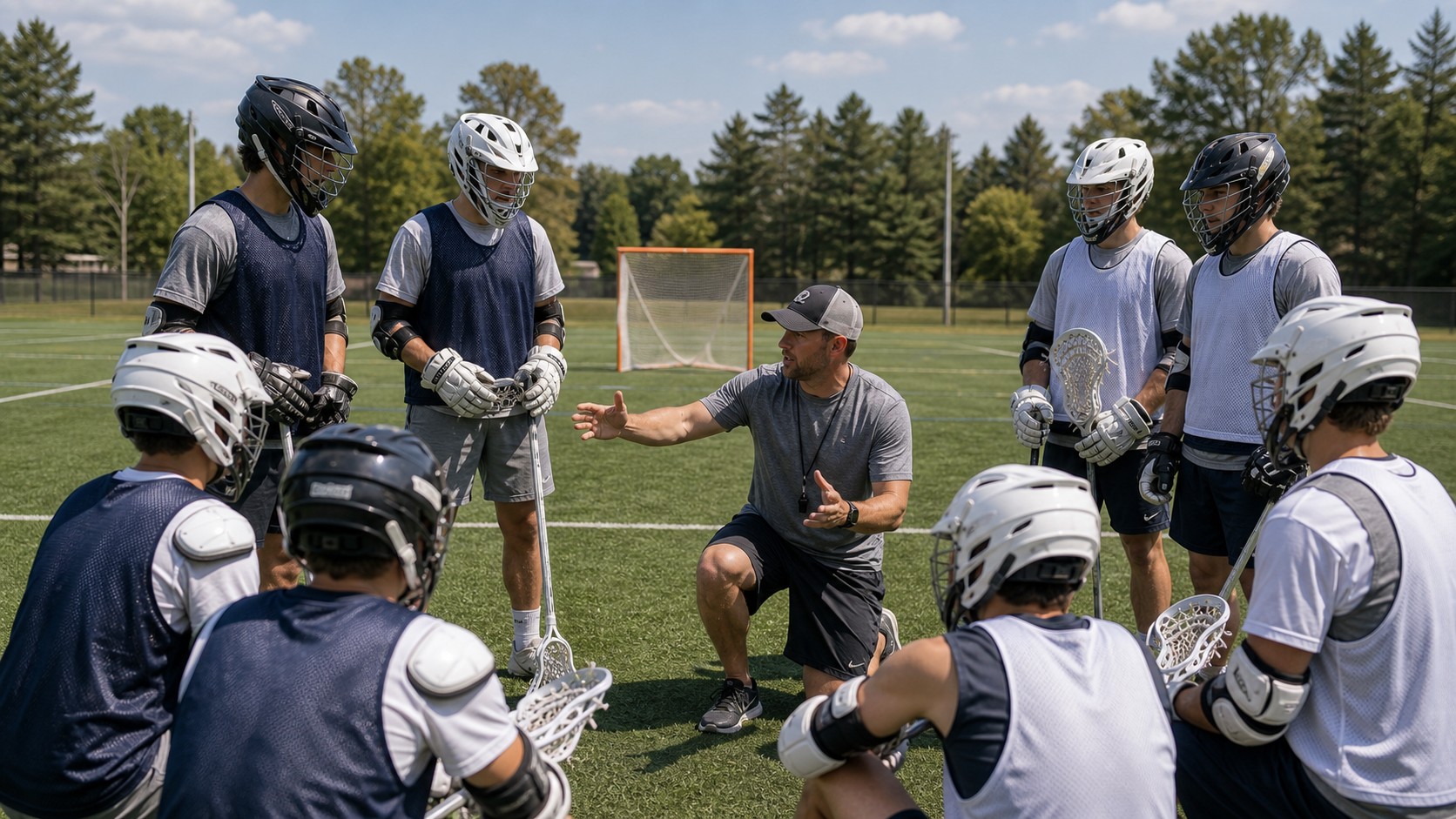
Coaches can teach this through film and freeze moments. Where is the open player? Which defender has two responsibilities? Which pass would make the defense move the farthest? These questions build strategy.
Penalty Clock Awareness Matters
The amount of penalty time left changes the offense's choices. Early in the advantage, the unit may have time to reverse the ball and stretch the defense. Late in the penalty, the offense may need to create quickly before the player returns.
Do Not Forget Failed-Play Recovery
Man-up offense should practice what happens after a bobbled pass, blocked shot, rebound, or loose ball. A failed play does not have to end the advantage if the offense reacts first. Players should know who backs up shots, who protects against clears, and who resets the shape.
This is where many man-up possessions disappear. The offense gets the shot it wants, misses, and then watches the defense clear. Rebound support and ride awareness are part of scoring with an extra player.
Man-Up Units Need Clear Roles
Every player should know the role in the shape. Some players are connectors. Some are shooters. Some feed inside. Some occupy defenders. Some reset the ball when the first look disappears. Roles can change, but confusion slows everything.
Clear roles also help players stay patient. A shooter who knows the ball will come after the rotation does not need to force an early attempt. A feeder who knows the crease timing can wait for the cutter instead of throwing hopefully.
The best units combine structure with reading. They know the plan, but they are not trapped by it.
Practice Should Track Shot Quality
A team can score in practice from bad habits if the goalie is outmatched or the defense is passive. Coaches should track shot quality, not only makes. Was the shot from the planned area? Was the receiver ready? Did the pass move the defense? Was rebound support present?
Man-Up Is A Team Discipline Test
The extra-player situation tests discipline. Players must avoid rushing, stay in shape, communicate, and choose the right moment. The defense is hoping the offense becomes impatient. A careless pass or forced shot can feel like a gift to the penalty killers.
Great man-up offense is not complicated for its own sake. It is organized pressure. Space the field, move the ball, read the rotation, choose the shot, and recover after the play. Do those things well, and the extra player becomes a real scoring advantage.
Use The Advantage To Move The Goalie
The goalie is part of the man-down structure. If the ball stays in one area, the goalie can set feet and track the shooter. When the offense reverses the ball, changes height, or feeds inside at the right time, the goalie has to move and reset. That movement can create the final shooting window.
Shooters should notice goalie vision. A wide-open stick is not always a great shot if the goalie is set and sees the release. A slightly tighter shot through a screen or after a quick reversal may be more dangerous.
This is why man-up offense should think about the goalie, not only the defenders. Scoring with an extra player often means moving the whole defensive picture, including the player in the cage.
Do Not Let The Defense Rest
A man-down defense wants predictable pauses. If the offense holds the ball too long, defenders catch their breath and reset assignments. Quick catches, purposeful fakes, and timely reversals keep the defense working.
Inside And Outside Threats Need Each Other
Outside shooters stretch the defense. Inside players occupy the middle. Feeders connect both threats. If any piece disappears, the defense can cheat. A unit with only outside shots becomes easier to read. A unit forcing only inside feeds becomes easier to collapse on.
Balanced man-up offense makes defenders uncertain. Should they step to the shooter or protect the crease? Should they deny the skip or hold the middle? Those questions create hesitation, and hesitation creates goals.
Man-Up Turnovers Can Become Momentum Swings
A failed man-up possession can energize the defense. If the short-handed team kills the penalty and clears the ball, it may feel like a win. That emotional swing is one reason shot selection and failed-play recovery matter.
The offense should respect possession even with the advantage. A risky pass through traffic may not be worth it if the defense is already tired. A reset can keep pressure on and prevent the penalty killers from escaping.
Smart man-up teams understand that scoring is ideal, but maintaining pressure is still valuable. The worst outcome is often an easy turnover that lets the defense breathe.
Build A Simple Man-Up Vocabulary
Teams should use clear words for reverse, skip, hold, crease, reset, and shot. Players cannot execute quickly if they are decoding long instructions during the possession. A shared vocabulary lets the unit adjust without panic.
The Best Man-Up Units Stay Patient And Ready
Patience and readiness have to work together. Patience keeps the unit from forcing the first mediocre look. Readiness ensures that when the great look appears, the shooter catches prepared and releases with confidence.
That balance is what separates a dangerous man-up offense from a casual one. The unit is not waiting passively. It is actively moving the defense until the advantage becomes obvious.
With repetition, players start to feel the rotation before it opens. They know where the next pass should go and which shot the team wants. That shared timing is how an extra player becomes a reliable scoring plan.
Use Personnel Intentionally
Man-up personnel should match the plan. A team may want a strong outside shooter, a calm feeder, a crease finisher, and reliable connectors who can catch under pressure. The best six players for even-strength play are not automatically the best six for this specific advantage.
Review The Possession Afterward
After a man-up chance, teams should review the possession honestly. Did the offense get organized quickly? Did the ball move the defense? Was the shot planned or rushed? Did the unit recover after a miss? These questions matter whether the shot scored or not.
A scored goal can still hide weak process, and a missed shot can still come from a strong possession. Reviewing the decision chain keeps the unit improving instead of judging only the scoreboard. The unit should learn which pass created the advantage, which rotation arrived late, and which recovery kept possession alive. That review turns each penalty chance into practice evidence, not just a brief scoreboard event. Over time, those notes become a sharper plan for the next advantage, especially against disciplined penalty-kill units. The review should happen while the sequence is still fresh and clear.