Youth Lacrosse Gear Checklist For New Players
A youth lacrosse gear checklist should start with the player's format, age group, and position. Boys' and girls' field players usually need different equipment, and goalies need specialized protection. Most families should confirm league rules before buying because local requirements can vary. The goal is not to purchase every accessory on the first day. The goal is safe, legal, comfortable gear that lets a new player practice catching, scooping, running, and listening without constant equipment distractions.
A: Start with the required stick, mouthguard, protective equipment for the format, footwear, and goalie gear if applicable.
A: No. Boys' and girls' field equipment commonly differs because the rules and contact levels differ.
A: Not always. Some gear can be borrowed or bought used if it fits safely and meets rules.
A: Helmets, goalie protection, eyewear, mouthguards, and position-specific safety equipment should be confirmed carefully.
A: Maybe, but the stick must fit the current player's format, age group, and pocket rules.
A: They should confirm secure fit, current safety guidance, and coach or retailer approval.
A: Most accessories are optional; safe required gear and a usable stick matter first.
A: Mouthguard, water, stick, required pads, footwear, weather layers, and a few practical backups.
A: Before the season, after growth spurts, after damage, and when moving to a new level.
A: The league, coach, and current local rulebook should confirm exact requirements.
Start With The Player's Format
Youth lacrosse gear depends on the version of the sport the child is playing. Boys' field players usually wear more protective equipment. Girls' field players commonly use goggles and mouthguards with different contact rules. Goalies need specialized gear in every format. A checklist that ignores format can send parents in the wrong direction.
Before buying, ask the league or coach which rules apply. Age group, gender format, position, and local safety standards all matter. The right gear is the gear that makes the player legal, safe, and comfortable for that specific team.
The Stick Comes First But Must Be Legal
Every player needs a stick, but not every stick fits every rule set. Boys' sticks, girls' sticks, goalie sticks, youth sticks, and modified options can differ. Pocket depth and stringing can also matter. A stick that looks fine in the garage may not be legal for the player's league.
A beginner's stick should be manageable. If it is too long, too heavy, poorly strung, or wrong for the format, the child may struggle with basic catching and throwing. Coaches can often recommend starter models that are legal and forgiving.
Used sticks can work well if they are inspected. Look for cracks, warped heads, loose sidewalls, illegal pockets, and worn grips. Saving money is useful only if the stick helps the child learn.
Mouthguards Are Small But Essential
A mouthguard is one of the simplest pieces of safety gear and one of the easiest to forget. It should fit comfortably enough that the player keeps it in. If it is hard to breathe, talk, or wear, the child may be tempted to chew it or remove it.
Boys' Field Gear Usually Includes More Protection
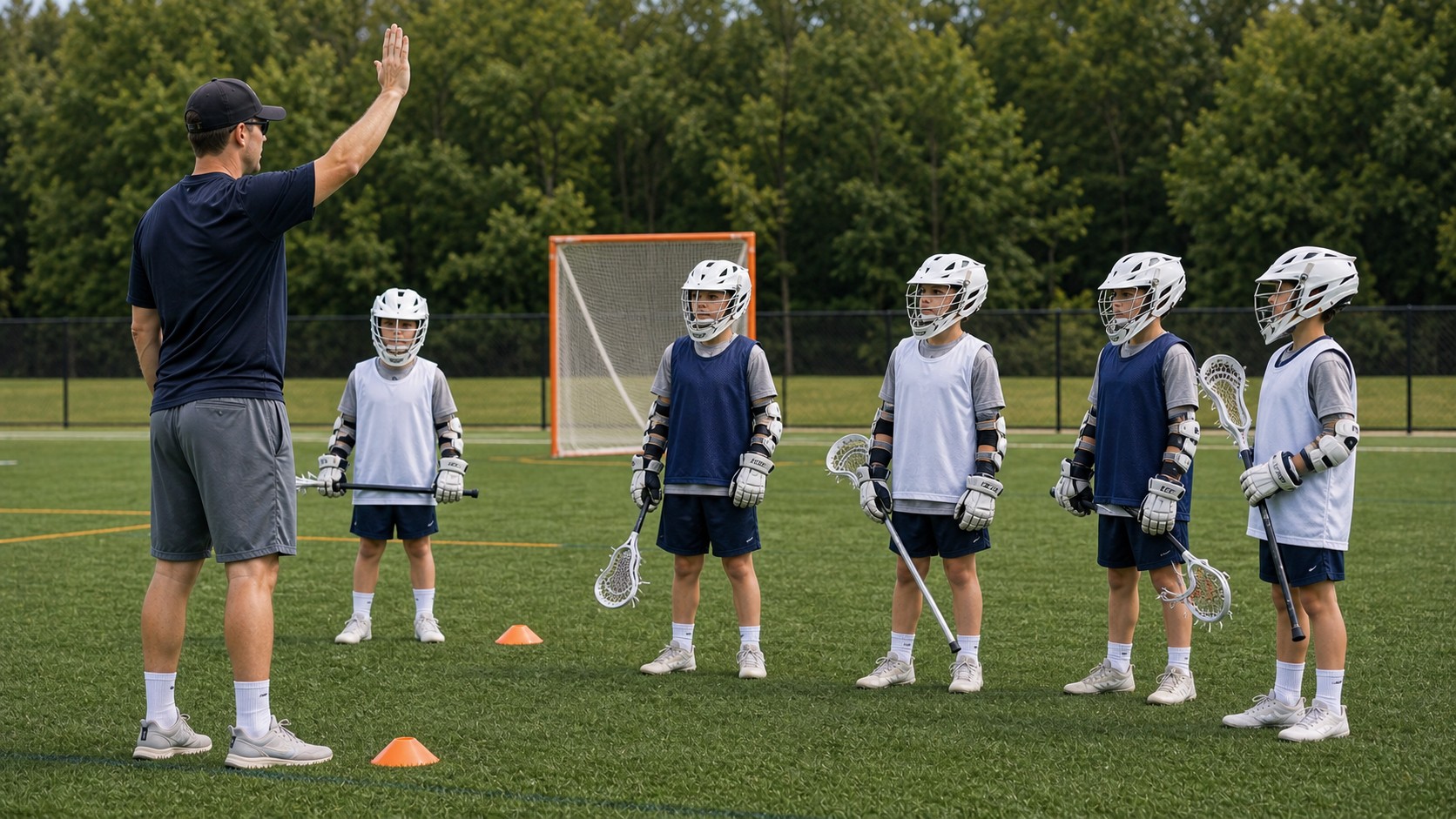
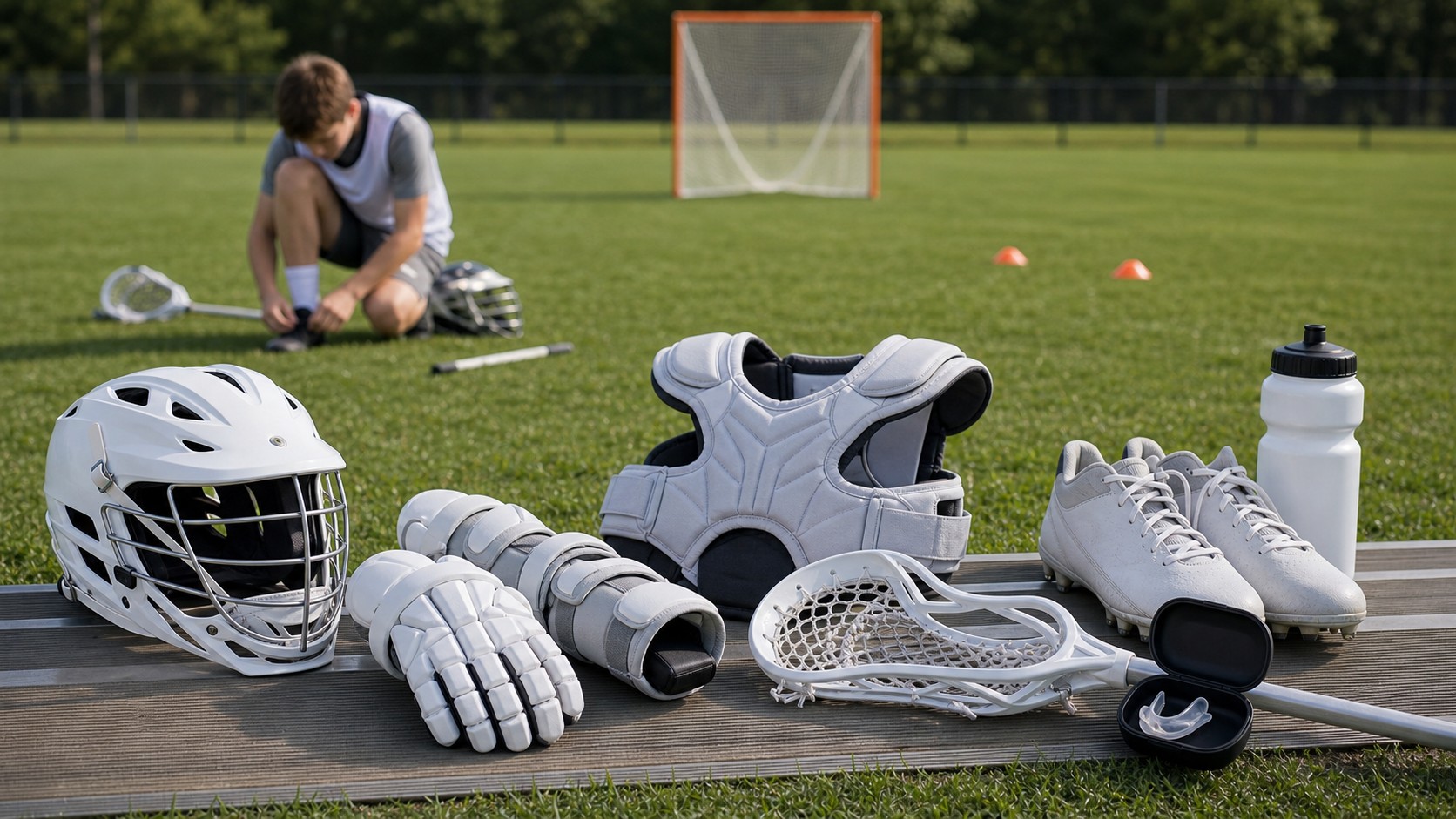
Boys' youth field players commonly need a helmet, gloves, arm protection, shoulder protection, mouthguard, stick, footwear, and other league-required safety items. Exact requirements can change by age and rule set, so parents should confirm the list before buying.
Fit is critical. A loose helmet, sliding arm pads, or gloves that prevent stick feel can distract the player and reduce protection. Equipment should be checked before contact drills and rechecked as the child grows.
Girls' Field Gear Has Different Priorities
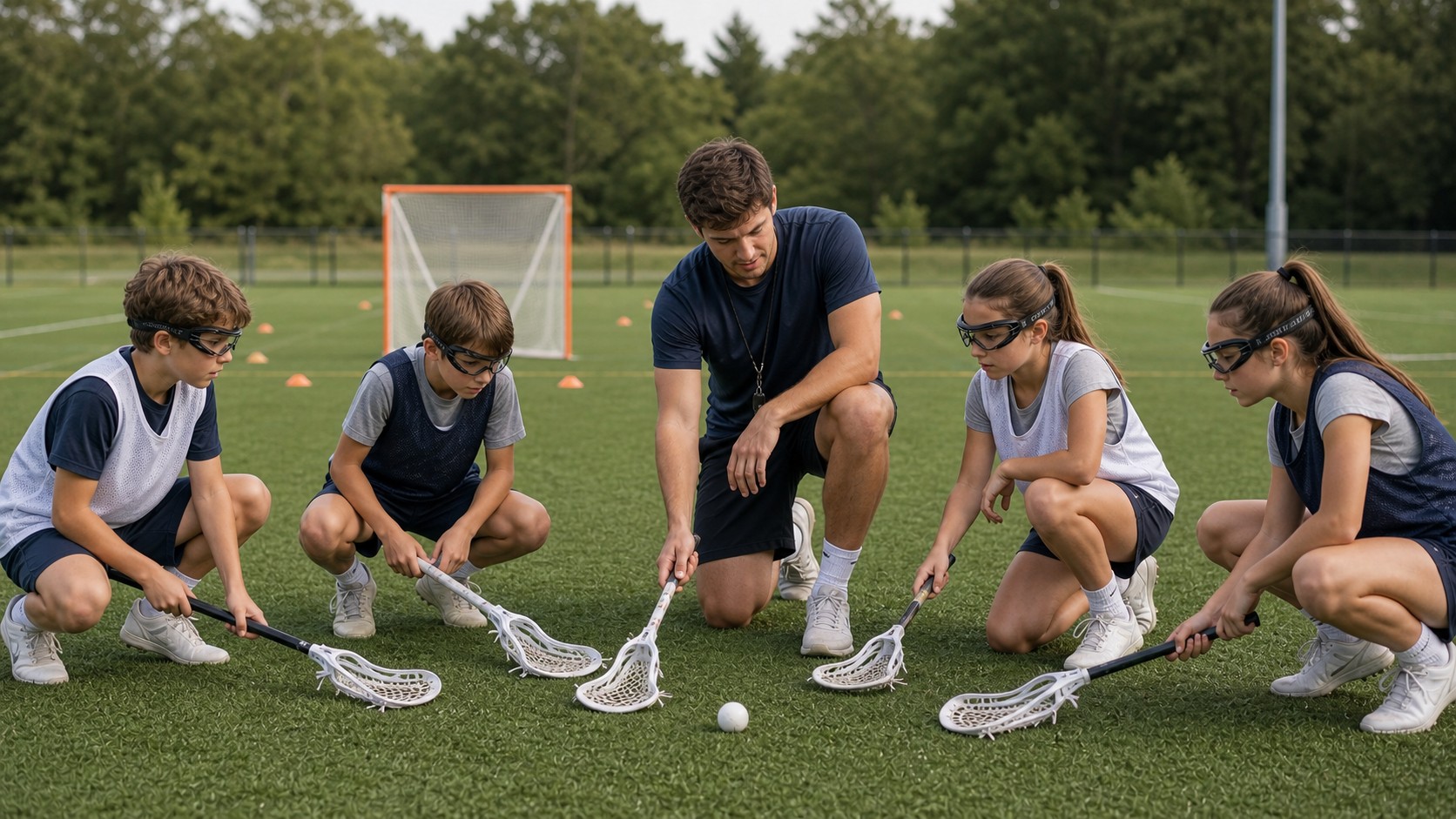
Girls' youth field players commonly need a legal stick, protective eyewear, mouthguard, and footwear, with local rules determining any additional items. Because the equipment set is lighter, rule enforcement around contact and checking is especially important.
Goggles should stay secure without blocking vision. A stick should match the girls' rule set and pocket standards. Footwear should fit the field surface. Parents should not assume boys' equipment requirements transfer directly to girls' lacrosse.
Some leagues may allow or require additional protective items, so local guidance matters. The safest checklist is the one confirmed by the actual team.
Goalie Gear Is Its Own Category
Goalies need specialized protection because they face shots directly. Helmet, throat protection, chest protection, padded gloves, and other goalie-specific items should be confirmed carefully. A field player's gear is not enough for the cage.
Footwear Should Match The Surface
Cleats or turf shoes should match where the team practices and plays. Grass, turf, mud, and indoor surfaces can require different traction. The wrong footwear can make a new player feel slow or unstable before the stick skills even begin.
Break shoes in before a long game day. Blisters can ruin a first tournament faster than a missed pass. Parents should also keep weather in mind because wet fields and cold mornings can change comfort quickly.
Fit Checks Should Happen More Than Once
Children grow, straps loosen, padding shifts, and gear wears down. A preseason fit check is helpful, but it is not enough for the whole year. Recheck gear after growth spurts, after hard use, and before playoffs or tournaments.
The player should learn what good fit feels like. If goggles slide, gloves pinch, pads rotate, or a helmet moves, the child should tell an adult. Equipment works best when players are comfortable reporting problems.
Coaches can build fit checks into early practices. That keeps safety from depending entirely on parents who may be new to the sport.
A Gear Bag Prevents Small Disasters
A simple gear bag keeps mouthguards, gloves, pads, water, tape, weather layers, and backup items in one place. Many youth practice problems begin with missing small items. Organization helps children arrive calmer and gives parents one checklist to manage.
Useful Extras Should Stay Practical
Not every accessory is necessary. A water bottle, extra mouthguard, backup socks, weather layer, and a practice ball can be useful. Fancy extras can wait until the player knows what actually helps. Early clutter makes it harder to find required gear.
Labels can help, especially at crowded youth fields. Use names on water bottles and bags where appropriate, but avoid relying on labels as a substitute for organization. The player should know what belongs in the bag.
Used Gear Can Be Smart With Care
Used gear can lower the cost of trying lacrosse. It should still be inspected for fit, damage, expiration guidance, missing straps, cracks, and rule compliance. Safety-critical items deserve extra caution. When unsure, ask the coach or a reputable retailer.
Parents should be especially careful with helmets and goalie protection. These items have specific safety expectations and fit requirements. A discount is not worth using gear that does not protect the child correctly.
For non-safety extras, used items may be perfectly fine. A bag, backup stick for practice, or extra balls can often be found affordably. Spend the most attention where safety and legality matter most.
Do Not Overspend Before The First Season
A new player does not need every premium upgrade. The first season is about learning, safety, and enjoyment. Buy what is required and reliable. Upgrade later if the child continues and has clearer preferences.
Parents Should Build A Game-Day Routine
The best checklist is a routine. Pack the bag the night before, check the mouthguard, fill the water bottle, confirm the stick, and lay out footwear and uniform pieces. A calm routine prevents rushed mornings from turning into missing-gear emergencies.
Players can take ownership as they grow. Even young athletes can learn to check for a mouthguard, water, and stick. Responsibility is part of youth sports development.
Gear Supports Confidence
Good gear does not make a child a good lacrosse player by itself, but bad gear can make learning harder. A helmet that shifts, goggles that slide, gloves that feel clumsy, or a stick that throws poorly can make a beginner think the problem is talent. Sometimes the problem is equipment.
When gear fits and follows the rules, the player can focus on the sport. That is the real purpose of the checklist. Safe, legal, comfortable equipment clears the way for catching, throwing, scooping, running, listening, and enjoying the first season.
Parents should treat confidence as part of equipment readiness. A child who trusts the helmet, stick, shoes, and pads is more likely to participate fully. Comfort does not replace skill, but it makes skill practice easier to attempt.
How To Pack For The First Practice
For the first practice, pack required protective gear, stick, mouthguard, water, footwear, weather layers, and any team paperwork requested by the coach. Keep the bag simple enough that the child can find items without dumping everything on the sideline.
What To Recheck During The Season
Midseason checks prevent small problems from growing. Look at stick pocket condition, loose screws or strings, worn gloves, cracked pads, shoe fit, mouthguard condition, and whether the child has outgrown anything. Growing players can change sizes quickly.
Weather also matters. Wet gear may need drying. Muddy cleats may need cleaning. A damp stick pocket can feel different at the next practice. Routine care keeps equipment from surprising the player.
Teach Players To Own The Checklist
Even young players can learn responsibility. They can check for stick, mouthguard, water, and shoes before leaving home. Older players can learn to inspect pads, pack weather layers, and tell parents when something feels wrong.
This ownership helps beyond lacrosse. The child learns preparation, communication, and accountability. Parents still guide the process, but the player gradually becomes part of it.
The best checklist is not a shopping list that parents manage forever. It is a routine that teaches the player how to show up ready, safe, and confident.
What To Keep In The Car
A small backup kit can save a practice. Extra water, an extra mouthguard, spare socks, a towel, weather layer, and a few approved repair basics can solve common problems. The kit should not replace the player's own packing routine, but it gives families a safety net during the first season. It is especially helpful for early-morning games, rainy fields, or tournament days when returning home is not realistic.
How Gear Changes As Players Grow
Youth gear is not permanent. A child may outgrow gloves, pads, shoes, goggles, or a stick setup faster than expected. Growth can also change how equipment feels. A stick that worked in spring may feel too short or awkward by the next year.
Parents should plan for periodic updates rather than assuming every purchase lasts forever. This does not mean buying premium gear every season. It means checking fit, safety, and legality before the player is uncomfortable or under-protected.
A Sensible Upgrade Path
The first upgrade should solve a real problem. Maybe the player needs better-fitting gloves, a legal stick with cleaner release, shoes that match the surface, or goalie gear that fits correctly. Upgrades should follow use, not guesswork.
Players who stay in the sport will develop preferences. They may learn what pocket feel helps them pass, which glove fit gives them control, or which footwear handles their fields. Those preferences are more useful after a season of experience.
A sensible gear path protects the budget and supports development. Start with safe and legal. Recheck often. Upgrade when the player, coach, and fit all point to a real need. This approach keeps families from buying around uncertainty and helps players understand why each item matters. It also gives the child time to develop preferences based on practice experience rather than store displays. Over time, the checklist becomes less about buying and more about preparing well. The family learns what must be packed, what should be inspected, what can stay as a backup, and what can wait until the player has more experience. That calmer approach makes the first season feel more manageable. It also helps the player walk onto the field thinking about practice, not missing equipment. Preparation should feel steady, repeatable, teachable, and genuinely useful. That is the checklist doing its job.