Youth Lacrosse Rules Explained In Simple Terms
Youth lacrosse rules are designed to help children learn the sport safely while building real skills. They may differ by age group, gender format, league, and location, so parents should always use the local rulebook as the final source. Still, the main ideas are easy to understand. Rules define possession, equipment, contact, field boundaries, scoring, goalie protection, substitutions, fouls, and restarts. Younger players often use modified rules so they can get more touches, avoid unsafe contact, and learn the game step by step.
A: Rules change so children can learn safely with appropriate contact, field size, and skill expectations.
A: No. Equipment, contact, field markings, and checking rules can differ by format.
A: Learn safe stick use, possession, boundaries, goalie protection, and how restarts work.
A: Yes, but many leagues use penalties as teaching moments as well as consequences.
A: Smaller fields can create more touches and more manageable movement for young players.
A: That depends on age, format, and local rules; coaches should introduce it gradually and safely.
A: Watch who receives possession, where the restart happens, and what safety issue was corrected.
A: Yes. Youth rules are often modified and should not be compared directly to college or pro games.
A: Connect each whistle to the real situation that caused it.
A: The league, coach, officials, and current local rulebook should confirm exact rules.
Youth Rules Are Built For Learning
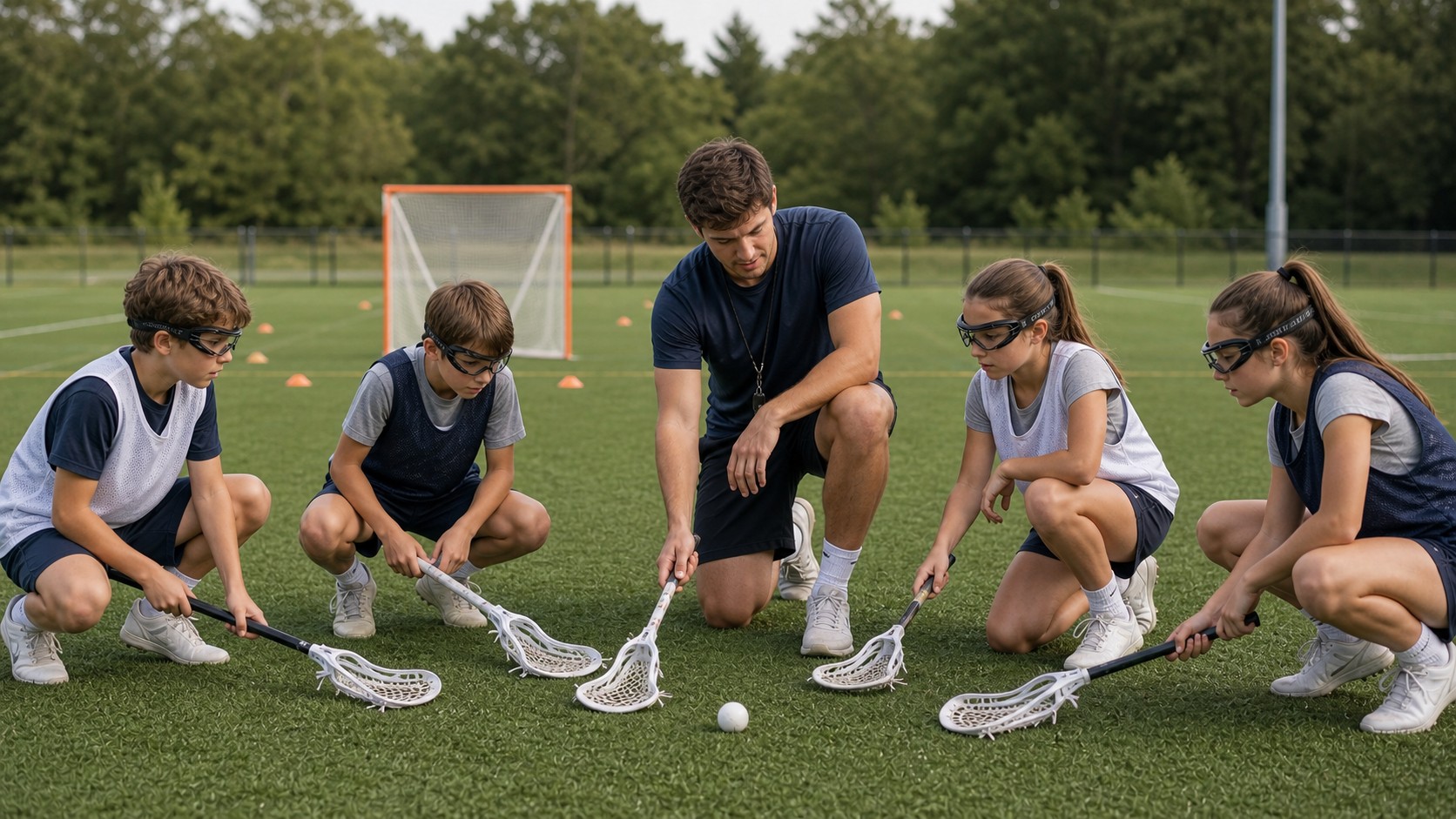
Youth lacrosse rules are not simply adult rules with younger players. They are often adjusted so children can learn safely, get more touches, and build confidence. Smaller fields, limited contact, teaching restarts, and age-specific equipment rules can all be part of a youth league.
Parents should see modified rules as a strength. A ten-year-old does not need every adult-game demand immediately. The goal is steady development: safe movement, basic stick skills, fair possession, and understanding what the whistle means.
Local Rules Are The Source Of Truth
Youth lacrosse can vary by region, league, gender format, and age group. A rule from a college game, club tournament, or older sibling's team may not apply to a beginner's division. Coaches and league officials should explain which rules are in use.
This matters for equipment, contact, checking, field size, player counts, timing, and penalties. Families can avoid confusion by asking for the league's rule summary before the first game. A simple explanation early prevents sideline frustration later.
Players should also hear that rules may expand as they get older. What is restricted now may be introduced later when athletes are stronger, safer, and more skilled.
Possession Is The First Big Idea
Most rules make more sense when players understand possession. The team with the ball gets to choose the next pass, carry, clear, dodge, or shot. The other team tries to regain possession legally and safely.
Ground Balls Teach Rule Awareness
Loose balls are common in youth lacrosse. Rules around contact, pushing, and unsafe stick use often appear during ground-ball scrambles. Players should learn to keep heads up, use two hands, run through the ball, and avoid wild swings.
Coaches can teach ground balls as both a skill and a rules lesson. Win the ball safely, protect it, and find an outlet. That sequence explains possession better than a lecture.
Contact Depends On Format And Age
Contact rules are one of the biggest reasons youth lacrosse can look different from older games. Younger divisions often limit body contact and stick checking more heavily. Girls' and boys' formats may also manage contact differently because equipment and rule structures differ.
Players should not copy every hit or check they see online. A play that is legal in one level may be illegal or unsafe in another. Coaches should introduce contact gradually with footwork, angle, and body control before intensity increases.
Parents can ask how contact is taught. A good program can explain when checking begins, what is prohibited, and how officials handle dangerous play.
Equipment Rules Support Safety
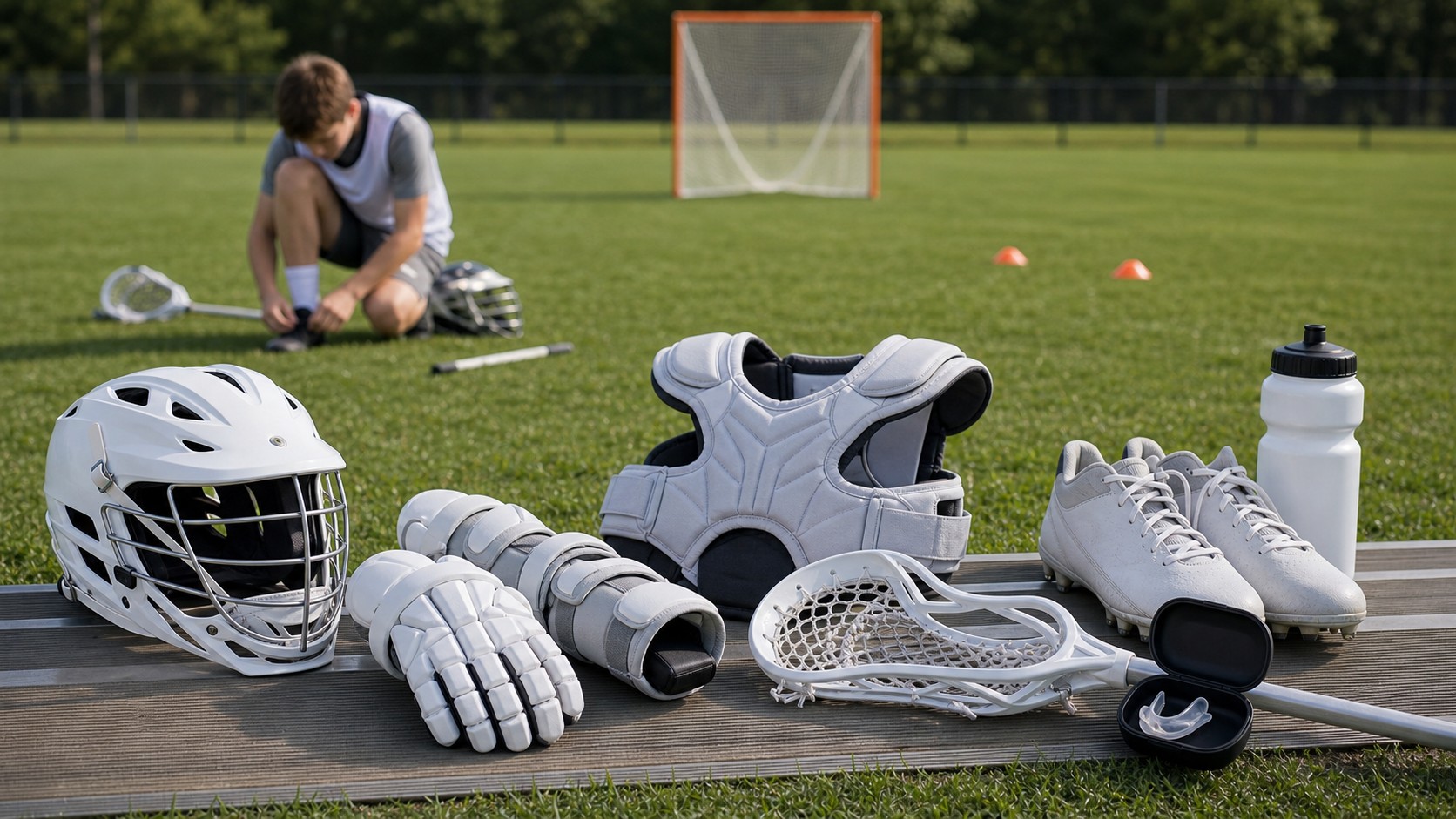
Required equipment is part of the rules. Boys' and girls' field players often need different gear, and goalies need specialized protection. Mouthguards, eyewear, helmets, gloves, pads, sticks, and footwear should match the child's format and league.
Goalie Protection Matters Early
Youth players must learn to respect goalie space. The crease or goal circle protects the player in the cage and helps define safe scoring play. Beginners may not understand momentum near the goal, so coaches should teach body control early.
Goalies also need teammates to listen. A goalie may call ball location, clear options, or pressure. Youth defenders who learn to hear the goalie become safer and more organized.
Boundaries And Restarts Keep Play Organized
When the ball goes out of bounds or a whistle stops play, the restart tells players what happens next. Youth players should learn to stop, listen, find the ball, and get into position. Many beginner mistakes happen because players relax after the whistle or restart randomly.
Boundary rules can vary by situation and format, but the habit is consistent. Look to the official or coach, listen for possession, and restart safely. That habit makes games smoother.
Parents can learn by watching restarts. Where is the ball placed? Which team receives it? Are players moved to new spots? Those clues explain many calls.
Penalties Should Teach Better Choices
Youth penalties should help players learn. A slash, push, illegal contact, dangerous play, or equipment issue is not only a mistake; it is a chance to teach the safer replacement. Move your feet. Keep the stick controlled. Respect the goalie. Listen after the whistle.
Modified Fields Create More Learning
Smaller fields and smaller-sided games can help young players. They create more touches, shorter running demands, and easier spacing. Children can learn possession and teamwork without being lost on a huge field.
As players grow, fields and rules may expand. That progression should feel like a bridge, not a shock. A player who understands small-sided spacing can carry those habits into larger games.
Officials May Explain More At Younger Levels
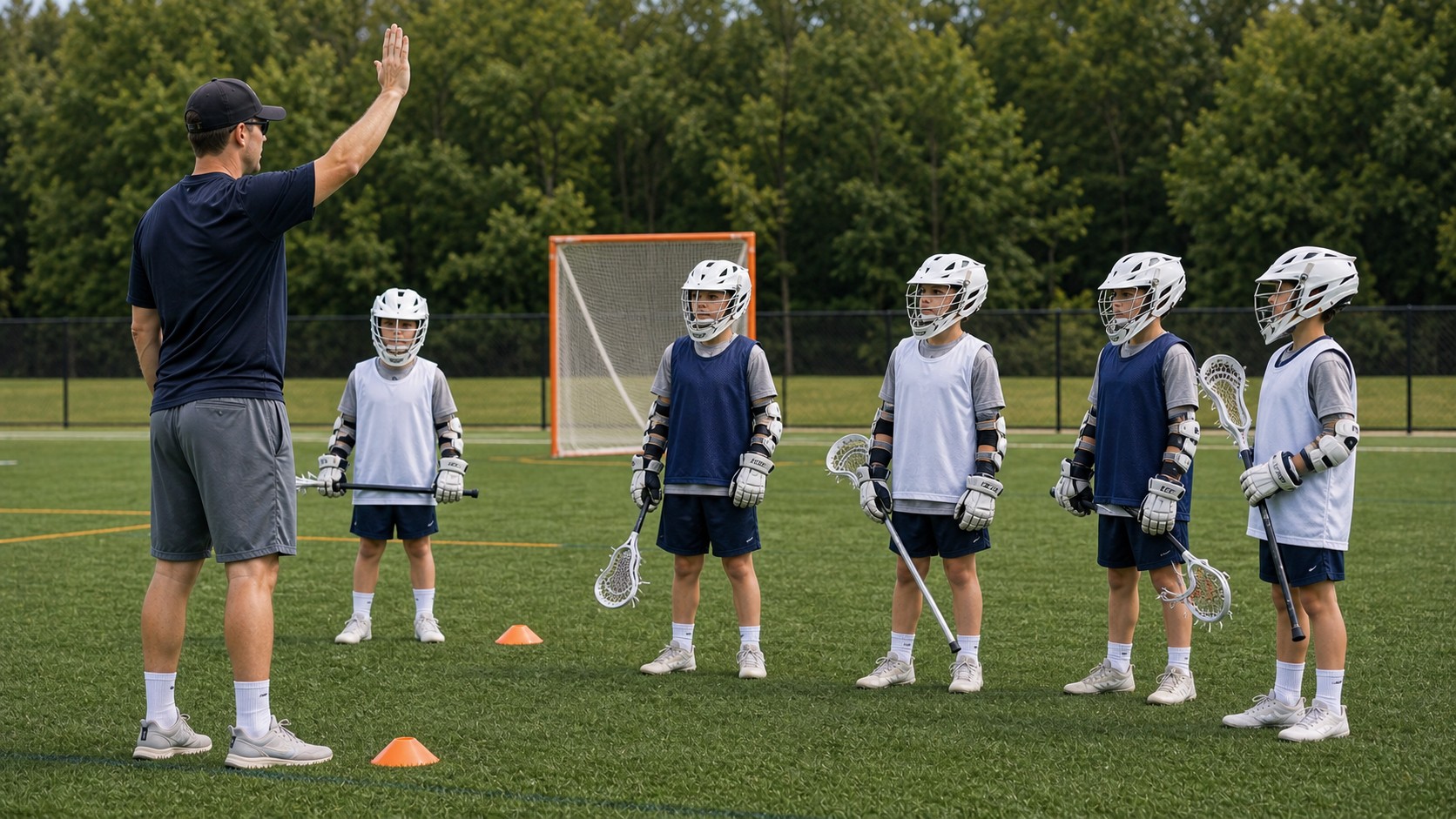
In many youth settings, officials and coaches may take extra time to explain calls. That teaching role is valuable. Children learn faster when the whistle connects to a clear reason. Parents should support that environment instead of treating every stoppage like a debate.
Players should practice listening respectfully. Even when a call is frustrating, the response should be to reset and learn. That habit will matter at every future level.
Coaches can reinforce the lesson at the next practice. If the team had repeated boundary confusion, practice restarts. If checking was unsafe, slow down the defensive drill. Rules should feed back into training.
Parents Should Avoid Adult-Game Comparisons
Comparing youth rules to college or professional games can create confusion. Youth lacrosse is designed for learning bodies, developing skills, and age-appropriate safety. It may intentionally remove or limit parts of the older game.
Players Can Learn Rules One Situation At A Time
The best way to learn youth rules is through situations. What happens after a goal? What happens when the ball goes out? What makes contact unsafe? Where can attackers stand near the goalie? Which gear is required? These questions give players practical rule knowledge.
A player does not need every technical term immediately. Understanding the next safe action is more important. Over time, names and details will attach to situations the player already recognizes.
Simple Rules Build Better Lacrosse
Youth lacrosse rules should make the game safer, clearer, and more fun to learn. They teach players how to keep possession, compete for loose balls, respect opponents, protect goalies, restart after whistles, and use legal equipment.
When parents and players understand that purpose, the rules feel less like interruptions. They become part of development. A young player who learns the simple rules early will be better prepared for more advanced lacrosse later.
The most useful family habit is curiosity. Ask what the rule is, why it exists, and what the player should do next time. That approach turns every whistle into a small step toward understanding.
Use The First Few Games As Rule Lessons
The first few games should be treated as learning opportunities. Players may line up in the wrong place, misunderstand restarts, or forget boundary rules. Coaches can use these moments to teach without making children feel foolish.
Explain The Difference Between Mistakes And Unsafe Play
A dropped pass and an unsafe swing are not the same kind of mistake. One is a skill error. The other can put someone at risk. Youth players should learn that safety corrections are immediate because teammates matter.
This distinction helps children stay confident. They can laugh off a dropped ball and try again, while still taking dangerous stick use seriously. The sport becomes both fun and responsible.
How Parents Can Learn Without Sideline Coaching
Parents can learn rules by watching restarts, reading league summaries, and asking coaches appropriate questions after games. They do not need to shout instructions during play. Sideline coaching often confuses beginners who are already processing the official and their coach.
A calm parent can still be engaged. Notice effort, listen for the coach's teaching points, and ask the child what rule felt clearer after the game. That support helps the player learn without adding noise.
When parents model curiosity, children are less likely to treat every whistle as unfair. They learn that rules are part of the sport and part of getting better.
Rule Learning Should Match Skill Learning
As players gain skills, rule explanations can become more detailed. A brand-new player may only need to know where to restart. A more experienced player can learn why a certain check was illegal or how offside affects team shape.
Keep The Language Consistent
Youth teams benefit from simple repeated language. Possession, outlet, safe stick, crease, boundary, restart, and listen are words players can understand. The same phrases should appear in drills and games so the rule vocabulary becomes familiar.
Consistent language also helps assistant coaches and parents. Everyone knows what the main teaching points are. Players hear the same message instead of five different explanations for one mistake.
Rules Should Make The Game More Playable
The point of youth rules is not to stop play constantly. The point is to make play safer and more understandable so children can keep developing. Good officiating and coaching use rules to guide better habits.
Over time, players need fewer explanations because they recognize situations themselves. They know where to stand, how to restart, when contact is unsafe, and why possession changed. That recognition is a major step in becoming a real lacrosse player.
Simple rules, taught well, create confidence. They let young athletes play harder because the boundaries are clearer.
Use Rule Reviews After Practice
A two-minute rule review after practice can be enough. Ask what whistle showed up today, what caused it, and what players should do next time. Short reviews keep rules connected to action instead of turning them into homework.
Make Safety Everyone's Job
Youth rules work best when players understand that safety is shared. A defender controls the stick. A ball carrier keeps eyes up. A teammate gives space after the whistle. A goalie communicates clearly. Each player has a piece of the safer game.
This shared responsibility keeps rules from feeling like something officials impose from outside. Players begin to see that rule awareness helps their teammates, not only themselves.
Rules Prepare Players For Higher Levels
Modified youth rules are not dead ends. They prepare players for the next level by building habits in the right order. A child who learns safe stick control now can add more advanced checking later. A child who learns restarts now can handle faster game flow later.
This progression gives development a purpose. Young players do not need to skip steps to be serious about lacrosse. They need to master the current step well enough that the next one makes sense.
When coaches explain that progression, players and parents become more patient. The rule set feels like a path forward rather than a list of restrictions.